
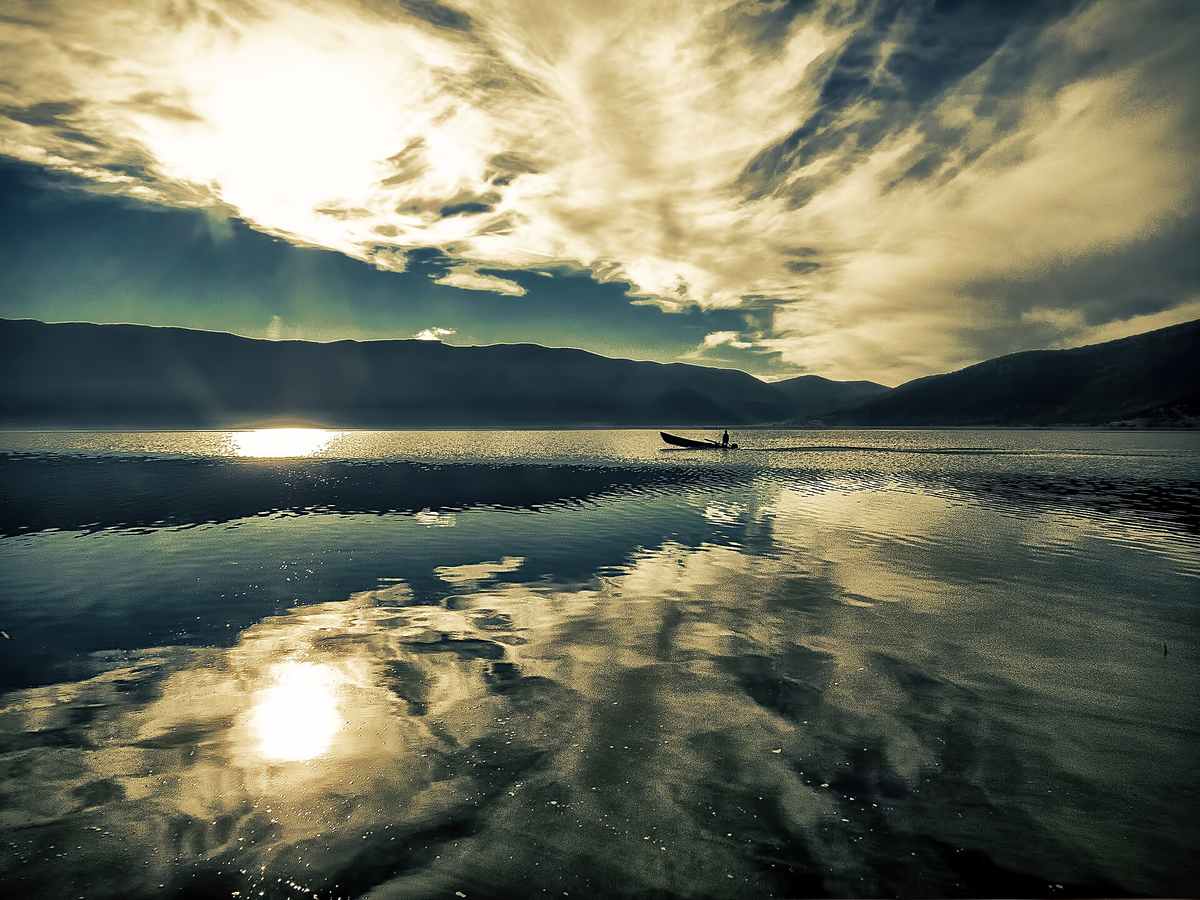
The Prespa Lakes, comprising Great Prespa and Small Prespa, are a transboundary national park shared by Greece, Albania, and North Macedonia. Known for their rich biodiversity, these lakes host colonies of Dalmatian and great white pelicans. The area is also steeped in history, with Byzantine hermitages and the tenth-century basilica of Saint Achillius on the island of Agios Achillios. Located about one hundred and eighty kilometres west of Thessaloniki, a visit to the Prespa Lakes makes for an enriching day trip, blending stunning natural landscapes with cultural treasures, all easily accessible with My Greece Tours.
Venturing to the Prespa Lakes from Thessaloniki offers a unique opportunity to explore a region rich in natural beauty and historical significance. The lakes, surrounded by traditional stone villages and lush vegetation, provide an idyllic setting for birdwatching and cultural exploration. The sections below cover essential aspects of planning your visit, including travel tips, historical insights, and local delicacies. Discover how to make the most of your trip with our comprehensive guide to Thessaloniki tours.
How do you get to the Prespa Lakes from Thessaloniki?
Travel to the Prespa Lakes from Thessaloniki involves a scenic drive of around two and a half to three hours.
The journey to the Prespa Lakes begins in Thessaloniki, Greece’s vibrant northern city, known for its rich history and cultural landmarks. Travelling approximately one hundred and eighty kilometres west, the route takes you through the picturesque landscapes of northern Greece, including the majestic Vigla pass, which offers stunning views of the surrounding mountains. As you drive, lush mountains and valleys unfold before your eyes, making the journey itself part of the adventure. A stop in Florina, a charming town along the way, provides a delightful break and a taste of local culture. You might consider renting a vehicle for this journey through Thessaloniki car rental.
Florina serves as an excellent midpoint on your journey. Known for its traditional architecture and vibrant arts scene, the town offers cultural insights and a chance to stretch your legs. In Florina, local cafes and eateries provide a taste of regional cuisine, including dishes featuring the famous Prespa beans, a staple crop in the area. The town’s welcoming atmosphere, combined with its scenic setting, makes it a pleasant stopover before continuing your journey to the lakes, which are a haven for biodiversity, particularly during the colder months when pelican colonies are most active.
Continuing from Florina, the road to the Prespa Lakes passes through diverse landscapes, showcasing Greece’s natural beauty. The route winds through valleys and along riverbanks, offering glimpses of traditional villages nestled in the hills. This part of the drive immerses travellers in the tranquil countryside, with the anticipation of reaching the lakes growing with each kilometre. The journey’s picturesque nature makes it comparable to other scenic drives, like those to the Edessa waterfalls, providing ample opportunities to appreciate the region’s diverse flora and fauna, including wild pear and reed beds that line the lakes.
The final approach to the Prespa Lakes reveals their expansive beauty. Surrounded by mountains and dotted with islands, the lakes present a stunning natural tableau. Arriving in the area, visitors can choose to explore various points of interest, including the island of Agios Achillios and the village of Psarades. The journey, though lengthy, rewards with breathtaking vistas and cultural riches. Consider planning your trip during the best time to visit Thessaloniki for optimal weather conditions and to fully enjoy the outdoor activities available, such as birdwatching and exploring the Byzantine hermitages.
What can you see at the Prespa Lakes?
Visitors to the Prespa Lakes can explore natural wonders, historical sites, and vibrant birdlife.
The Prespa Lakes are renowned for their rich biodiversity, making them a prime destination for nature enthusiasts. The lakes host colonies of Dalmatian and great white pelicans, particularly active during the colder months. Birdwatchers can enjoy observing these majestic birds along with other waterfowl, as the lakes provide a critical habitat for numerous species. The surrounding reed beds and forests further enhance the area’s ecological value, drawing comparisons to other birdwatching havens like the Lake Kerkini, which also supports diverse avian species. The lakes’ importance as a Ramsar wetland underscores their global ecological significance.
The island of Agios Achillios on Small Prespa holds the ruins of the tenth-century basilica of Saint Achillius, a significant historical site. Accessible by a footbridge, the island offers insights into the region’s Byzantine past. The basilica’s remnants stand as a testament to the area’s historical and religious significance, attracting visitors interested in architecture and history. Exploring the site provides a peaceful experience, set against the backdrop of the serene lake waters, reflecting the island’s cultural and spiritual heritage, and offering a window into the architectural styles of the Byzantine era.
Great Prespa’s shores are lined with Byzantine hermitages and rock churches, accessible by boat from the fishing village of Psarades. These structures, carved into the rock, served as retreats for monks during the Byzantine era. A boat tour offers a unique perspective on these historical sites, with the tranquil waters providing a reflective backdrop. The hermitages highlight the region’s spiritual heritage and architectural ingenuity, offering a unique glimpse into the monastic life of the past. This exploration is complemented by the natural beauty of the lakes, making it a holistic cultural experience.
Traditional stone villages surround the lakes, offering a glimpse into the local culture and lifestyle. These villages, with their distinctive architecture and welcoming communities, provide an authentic experience of rural life in Greece. Local markets and eateries offer regional delicacies, including dishes made from the famous Prespa beans. Exploring these villages enriches any visit to the lakes, combining cultural discovery with natural beauty and providing insight into the area’s agricultural traditions, which have been preserved over generations.
Why are the Prespa Lakes significant for biodiversity?
The Prespa Lakes are a Ramsar wetland, crucial for waterbird colonies and diverse plant species.
The Ramsar designation underscores the Prespa Lakes’ global ecological importance. These lakes serve as a vital habitat for numerous waterbird species, including the Dalmatian and great white pelicans. The lakes’ diverse ecosystems support a wide range of flora and fauna, making them a critical area for conservation efforts. This biodiversity attracts researchers and nature lovers alike, who come to study and appreciate the complex interactions within this unique environment, which also supports rare and endemic plant species.
Reed beds and wild pear trees contribute to the lakes’ ecological richness. These natural features provide shelter and food for various species, enhancing the area’s biodiversity. The reed beds, in particular, serve as nesting grounds for birds, while the surrounding forests offer habitats for other wildlife. This intricate ecosystem supports a delicate balance of life, underscoring the importance of preserving such natural environments for future generations and for ecological research. The presence of traditional stone villages adds a cultural dimension to the area’s ecological landscape.
Conservation efforts in the Prespa region focus on maintaining its ecological integrity. These initiatives involve local and international organisations working together to protect the lakes’ biodiversity. Efforts include monitoring bird populations, restoring habitats, and promoting sustainable tourism practices. Such measures ensure that the natural beauty and ecological value of the Prespa Lakes are preserved for future generations, highlighting the area’s role as a vital ecological sanctuary. These initiatives also support the local communities, who play a crucial role in conservation.
Visitors to the Prespa Lakes are encouraged to engage in responsible tourism. This involves following designated paths, respecting wildlife, and supporting local conservation initiatives. By fostering an appreciation for the area’s natural wonders, tourists can contribute to its preservation. Educational programmes and guided tours further enhance understanding of the region’s biodiversity, making a visit both enriching and impactful, while helping to sustain the delicate ecosystems present. This approach ensures that tourism benefits both the environment and the local economy.
What historical sites can you visit at the Prespa Lakes?
The Prespa Lakes region offers Byzantine hermitages and the basilica of Saint Achillius on Agios Achillios.
The island of Agios Achillios is a focal point for historical exploration at the Prespa Lakes. The island houses the ruins of the basilica of Saint Achillius, a significant example of Byzantine architecture. This basilica, once a religious centre, offers insights into the region’s historical and spiritual past. Visitors can stroll through the ruins, appreciating the site’s historical context amidst the natural beauty of the lakes, and explore the island’s serene environment that enhances the historical experience. The island’s location within Small Prespa adds to its charm, offering panoramic views of the surrounding waters.
Byzantine hermitages and rock churches along the shores of Great Prespa add to the region’s historical allure. These structures, accessible by boat from Psarades, are carved into the rock faces, showcasing the resourcefulness of their creators. The hermitages served as retreats for monks, providing solitude and spiritual reflection. Exploring these sites offers a glimpse into the monastic life of the Byzantine era and the architectural ingenuity of the time, providing a deeper understanding of the area’s spiritual heritage. The journey by boat enhances the sense of adventure and discovery.
The fishing village of Psarades serves as a gateway to these historical sites. The village itself is steeped in tradition, with stone houses and narrow streets creating a picturesque setting. Psarades is known for its local fishing culture and serves as a starting point for boat tours to the hermitages. Visitors can enjoy the village’s hospitality and learn about its historical ties to the lakes, offering a comprehensive cultural experience that complements the natural exploration. The village’s strategic location on the lakeshore makes it an ideal base for exploring the region.
Traditional villages around the lakes offer further historical insights. These communities have maintained their cultural heritage through architecture, customs, and local crafts. Exploring these villages allows visitors to experience rural Greek life, with opportunities to engage with residents and learn about their way of life. The preservation of these traditions highlights the region’s historical continuity and cultural richness, providing a well-rounded understanding of the area’s past and present. The villages also offer local products, such as handcrafted goods and regional delicacies, enhancing the visitor experience.
How can you explore the Prespa Lakes by boat?
Boat tours from Psarades offer access to the hermitages and scenic lake views.
Boat tours provide a unique way to explore the Prespa Lakes, offering perspectives not visible from the shore. Departing from the village of Psarades, these tours navigate the tranquil waters of Great Prespa, revealing hidden historical sites and natural wonders. The serene environment enhances the experience, allowing visitors to appreciate the lakes’ beauty and biodiversity in a peaceful setting, while gaining access to areas otherwise unreachable by land. This method of exploration is ideal for those seeking to immerse themselves in the lakes’ unique landscape.
The boat journey to the Byzantine hermitages is a highlight of any visit to the Prespa Lakes. These ancient structures, accessible only by water, offer a glimpse into the spiritual history of the region. As the boat approaches the hermitages, visitors are treated to stunning views of the rock-carved facades, set against the backdrop of the lake and surrounding mountains. This experience combines historical exploration with natural splendour, providing a sense of discovery and adventure. The journey also allows for sightings of local wildlife, including the diverse bird species that inhabit the area.
Photography enthusiasts will find ample opportunities to capture the lakes’ beauty from the water. The changing light and reflections create dynamic scenes, with the lake’s surface mirroring the surrounding landscapes. Birdwatchers also benefit from the vantage point provided by boat tours, with the chance to observe waterbirds in their natural habitat. These tours offer a comprehensive view of the lakes’ ecological and aesthetic attributes, making them a must for nature lovers and photographers alike. The boat’s slow pace ensures that visitors can fully appreciate the surroundings.
Guided boat tours enhance the experience with informative commentary on the region’s history and ecology. Local guides share knowledge about the area’s cultural and natural significance, enriching the journey with stories and insights. This educational aspect of the tours adds depth to the exploration, making it a rewarding experience for visitors interested in learning about the Prespa Lakes’ unique heritage, and helping to foster a deeper appreciation for the region’s natural and historical treasures. The guides’ expertise ensures that each tour is both informative and engaging.
What local delicacies can you try at the Prespa Lakes?
The area offers dishes featuring Prespa beans, local fish, and traditional Greek fare.
Prespa beans, known locally as gigantes or elephantes, are a culinary highlight of the region. These large beans, grown in the fertile soil around the lakes, are a staple in local cuisine. Dishes featuring these beans are a must-try for visitors, offering a taste of the area’s agricultural heritage. Prepared in various ways, from simple stews to complex salads, they showcase the region’s flavourful bounty and contribute to the local economy, supporting traditional farming practices that have been passed down through generations.
Fish from the lakes also feature prominently in local dishes. The lakes’ rich waters provide a variety of fish, caught by local fishermen and prepared fresh in nearby tavernas. Grilled or baked, these fish dishes offer a taste of the lakes’ natural resources. Enjoying a meal by the lakeside, with views of the water and surrounding mountains, enhances the dining experience, providing a connection to the region’s natural environment and culinary traditions. These dishes highlight the importance of sustainable fishing practices in the area.
Traditional Greek fare complements the local specialities at the Prespa Lakes. Visitors can savour classics such as moussaka, souvlaki, and tzatziki, all made with locally sourced ingredients. These dishes, served in the region’s cosy tavernas, reflect the warmth and hospitality of the local culture. Sharing a meal in a traditional setting offers an authentic taste of Greek culinary traditions, enriching the overall experience and deepening the cultural connection. The use of fresh, local ingredients ensures that each dish is both delicious and reflective of the region’s agricultural practices.
Local beverages, including wines and spirits, round out the dining experience. The region produces a variety of wines, with local vineyards offering tastings and tours. These wines, paired with the region’s culinary offerings, provide a complete gastronomic experience. Sampling local drinks adds to the appreciation of the area’s agricultural and cultural richness, making dining at the Prespa Lakes a memorable aspect of any visit, and offering a taste of the local terroir. The combination of food and drink showcases the region’s commitment to quality and tradition.
What makes a Prespa Lakes day trip from Thessaloniki special?
A day trip to the Prespa Lakes offers a blend of nature, history, and local culture.
A day trip to the Prespa Lakes from Thessaloniki combines the allure of nature with cultural exploration. The lakes’ unique position at the crossroads of Greece, Albania, and North Macedonia offers a transboundary experience rich in biodiversity and history. This blend makes the trip appealing to a wide range of interests, providing both relaxation and adventure in one journey, and offering insights into the interconnectedness of the region’s natural and cultural landscapes. The lakes’ status as a transboundary national park further enhances their appeal.
Travel from Thessaloniki to the lakes is an experience in itself. The route takes you through scenic landscapes, offering glimpses of northern Greece’s natural beauty. Each stop along the way, from Florina to traditional villages, adds cultural depth to the journey. This scenic drive sets the stage for the day’s explorations, with the anticipation of reaching the lakes enhancing the experience, and providing a sense of adventure and discovery. The changing landscapes offer a dynamic backdrop, with each kilometre bringing new sights and experiences.
At the lakes, visitors can engage in a variety of activities. Birdwatching, historical site visits, and culinary exploration offer diverse experiences. Each activity provides insights into different aspects of the lakes’ unique heritage. The opportunity to explore Byzantine ruins, enjoy a meal featuring local produce, or simply relax by the water highlights the lakes’ multifaceted appeal. For those interested in similar experiences, consider other Thessaloniki day trips, which offer a range of adventures, each showcasing different aspects of northern Greece’s natural and cultural richness.
The return to Thessaloniki concludes the adventure, with travellers carrying memories of a day well spent. The Prespa Lakes offer an enriching escape from the city, providing a peaceful retreat into nature and history. This day trip captures the essence of northern Greece, leaving visitors with a deeper appreciation for the region’s natural beauty and cultural heritage, and inspiring further exploration of Greece’s diverse landscapes and historical sites. The experiences gained at the lakes serve as a reminder of the region’s unique offerings, making it a destination worth revisiting.
Frequently Asked Questions
What is the best time to visit the Prespa Lakes?
The best time to visit the Prespa Lakes is during the cooler months for optimal birdwatching, particularly from autumn to early spring. During this period, the lakes host large colonies of pelicans and other waterbirds. The weather is also mild, making outdoor exploration pleasant.
How long does it take to reach the Prespa Lakes from Thessaloniki?
The drive from Thessaloniki to the Prespa Lakes typically takes around two and a half to three hours. The journey covers approximately one hundred and eighty kilometres and passes through scenic landscapes. Travellers often stop in Florina along the way to enjoy local sights and refreshments.
Are there guided tours available at the Prespa Lakes?
Guided tours are available at the Prespa Lakes, offering insights into the area’s history and ecology. Local guides lead boat tours to the hermitages and provide commentary on the region’s cultural significance. These tours enhance the visitor experience by offering expert knowledge and engaging stories.
Can you swim in the Prespa Lakes?
Swimming in the Prespa Lakes is not recommended due to conservation efforts aimed at protecting the area’s delicate ecosystems. The lakes are primarily focused on preserving biodiversity and supporting bird habitats. Visitors are encouraged to enjoy the lakes through responsible tourism practices, such as guided tours and birdwatching.
What wildlife can you see at the Prespa Lakes?
Wildlife at the Prespa Lakes includes a variety of bird species, notably the Dalmatian and great white pelicans. The lakes are home to numerous other waterbirds and are a crucial habitat for these species. The surrounding areas also support diverse flora and fauna, making it a rich site for nature observation.
Is there accommodation near the Prespa Lakes?
Accommodation near the Prespa Lakes includes guesthouses and small hotels in nearby villages. These establishments offer a range of options for visitors seeking to stay overnight. Staying locally allows for a deeper exploration of the area, with opportunities to experience the region’s culture and hospitality.