
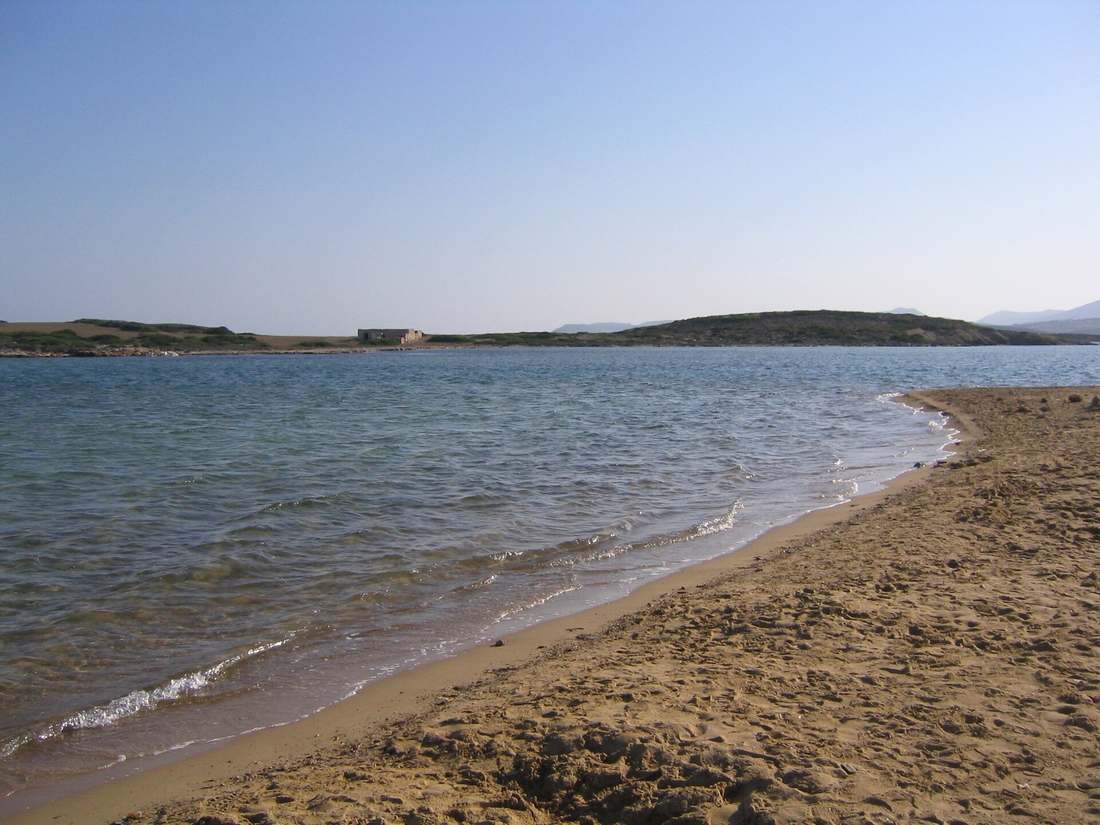
Antiparos is ringed with calm, sandy beaches and clear, shallow turquoise water, a big part of its appeal. Close to the town lie the two sheltered bays of Psaraliki, shaded by tamarisk trees and safe for children. Further out are the golden sands of Soros, the sunset beach of Sifneiko, the tavernas and boats of Agios Georgios, and the long shore by the campsite. Most beaches are gentle and unspoilt. Find your patch of sand on the quiet Cycladic island with My Greece Tours.
The beaches are the heart of a stay on Antiparos, and the small island packs in a fine variety within a short distance. Sheltered family bays sit near the town, while sandy stretches, a sunset beach and quieter coves lie around the coast. The sections below cover the beaches near town, the southern bays, the sunset shore, the wilder spots, and what to bring. Set the beaches in context with our Antiparos travel guide.
What are the best beaches near Antiparos town?
Near Antiparos town lie the two Psaraliki beaches, a short walk from the centre. They are sheltered, sandy bays with clear, shallow water and tamarisk trees for shade, safe and calm, which makes them favourites with families and easy to reach on foot.
The closest beaches to the town are the two bays known as Psaraliki, lying just a short walk south of the centre and the port. The first, nearer the town, is an organised sandy bay with sunbeds, umbrellas and a beach bar, backed by a grove of tamarisk trees that give natural shade. Its water is clear, shallow and calm, shelving gently, which makes it a favourite with families and anyone who wants easy, safe swimming close to town. Just beyond it lies the second Psaraliki bay, a little quieter and more natural, with the same soft sand and clear water. Together they give the town its own pair of fine, convenient beaches.
Being so close to the town, the Psaraliki beaches are easy to reach on foot, with no need for a car or bus. This makes them ideal for a relaxed day by the sea between wandering the town and stopping at its tavernas and cafes. The shade of the tamarisk trees is welcome in the heat of high summer, and the calm, shallow water suits children and less confident swimmers. For visitors staying in or near the town, these bays are the natural first choice, an easy stroll from the shops and the port. They are a gentle introduction to the island’s beaches before exploring the sandier, wilder shores further out toward Antiparos town and the south.
The closeness of the Psaraliki bays to the town shapes how people use them. Visitors staying in the centre wander down in the morning with little more than a towel, knowing food, drink and shade are close at hand. The tamarisk trees behind the sand give a cool retreat from the midday sun, a natural comfort that many organised beaches lack. Parents watch children paddle in the calm, clear shallows while keeping the town within reach. The bays fill through the middle of the day in high summer, yet they never feel cut off or remote. This blend of convenience, shade and safe water is what makes them the default choice for a relaxed day by the sea.
What are the main beaches in the south of Antiparos?
The south of Antiparos holds its finest beaches, chiefly Soros, a long organised sandy bay, and Agios Georgios, a stretch of sand with tavernas facing the islet of Despotiko. Both have clear water and are reached by road or bus from the town.
Down the island toward the south, the beaches grow longer and more open. Soros is one of the island’s largest and most popular, a broad, curving bay of golden sand with clear, shallow water, backed by tavernas and offering sunbeds, umbrellas and water sports in the season. Sheltered and gently shelving, it is a fine family beach with a relaxed, organised feel. It draws a steady crowd in high summer, yet its size keeps it from feeling cramped. Reached by the island’s road and the local bus, Soros is one of the beaches most worth the short trip from the town, a classic Cycladic sweep of sand and blue water on the island’s quieter southern side.
Nearby lies Agios Georgios, a string of sandy coves and a small settlement of tavernas on the southwest coast, looking across a narrow channel to the uninhabited islet of Despotiko. This is a quieter, more laid-back spot, good for a long lunch by the water and a swim in the clear, calm sea. From here small boats cross to the beaches and the ancient sanctuary on Despotiko, making Agios Georgios both a beach and a launch point for one of the island’s finest excursions. The southern beaches reward those who venture beyond the town, offering sand, clear water and a taste of the island’s wilder, unspoilt edges.
Soros rewards those who venture down the island for its scale and its facilities. The long arc of sand gives room to spread out even when the beach is busy, and the tavernas behind it serve fresh fish and cold drinks through the day. The water is calm and clear, and water sports operate from the shore in the season for those wanting more than a swim. Its position on the sheltered southern side means the sea is usually gentle, adding to its family appeal. A day here pairs sand, clear water, food and a touch of activity in one easy spot, making the short trip from the town well worth the effort.
Where is the best sunset beach on Antiparos?
Sifneiko beach, also called Sunset beach, on the west coast near Antiparos town, is the island’s favourite spot to watch the sun go down. It is a sandy beach with shallow water, looking west over the sea toward Sifnos and the setting sun.
On the west coast, a short way from the town, lies Sifneiko beach, widely known as Sunset beach for its west-facing outlook. It is a pleasant sandy beach with clear, shallow water, but its great draw is the evening, when it faces straight into the setting sun over the open Aegean. As the light fades, the sky and sea turn gold and rose, with the silhouette of distant islands on the horizon, and the beach becomes the island’s prime sunset-watching spot. A beach bar and tavernas nearby make it easy to settle in with a drink and watch the show at the end of a beach day.
The name Sifneiko comes from its outlook toward the island of Sifnos, away to the west, and it is this open western horizon that gives the beach its famous sunsets. By day it is a fine, uncrowded place to swim and relax, within easy reach of the town on foot or by a short ride. By evening it draws those who come especially for the light, drinks in hand. The island is small and low, so its west coast catches the full sweep of the sunset, and Sifneiko is the best-loved place to enjoy it.
A sunset here rounds off a day among the beaches and the things to do in Antiparos, a simple but memorable pleasure of the island.
Sifneiko earns its Sunset-beach nickname through geography as much as beauty. The low, open west coast leaves the horizon clear, so nothing breaks the view as the sun drops toward the sea and the distant islands. Crowds drift in through the late afternoon, drinks appear from the beach bar, and the sand becomes a natural grandstand for the evening light. By day the beach is a quiet, pleasant place to swim, close enough to the town to reach on foot. The contrast between the calm daytime bathing and the gathering of sunset-watchers at dusk gives the beach two distinct moods, both worth catching over a stay on the island.
Are there quiet and wild beaches on Antiparos?
Yes, beyond the organised bays Antiparos has quieter, wilder beaches and coves, such as the shore by the campsite, Glyfa, Apantima and remote spots reached by track or boat. Some are naturist, and most offer clear water with few facilities.
Away from the main organised bays, the island keeps a scattering of quieter and wilder beaches for those who seek solitude. The long shore by the campsite, north of the town, is a natural stretch of sand and dunes, backed by cedar and tamarisk, with a relaxed, low-key feel and a naturist tradition at its far end. Elsewhere around the coast lie coves such as Glyfa, Apantima and other small bays, sandy or rocky, many with clear water and little more than nature for company. These spots reward those willing to walk a track or drive a little further, offering a wilder, more private taste of the island’s coast.
The small size of the island means even its remote beaches are never far, and a car, scooter or bicycle opens up the quieter corners. Some coves face east, others west, so there is usually somewhere sheltered whatever the wind. Others are known as naturist beaches, in keeping with the island’s relaxed, bohemian character. For visitors who prefer clear water and empty sand to sunbeds and bars, these wilder beaches are among the island’s quiet pleasures. Exploring the coast to find your own favourite cove is part of the fun, and a short boat trip or a drive to the Antiparos cave can easily be paired with a swim at a quiet beach along the way.
The wild beaches ask a little effort and give privacy in return. A short drive or a walk along a track leads to coves where the only shade is what you bring and the only sound is the sea. The shore by the campsite runs long and natural, backed by low dunes and cedar, with a naturist stretch at its far end in keeping with the island’s easy character. Coves such as Glyfa and Apantima face different ways, so there is usually sheltered water whatever the wind. These spots suit travellers who value clear water and empty sand over sunbeds and bars, and finding a favourite is part of the pleasure.
What should you know before visiting the beaches of Antiparos?
The beaches of Antiparos are mostly calm, sandy and shallow, with clear water. The organised bays have sunbeds and tavernas, but wilder spots have limited facilities, so bring water and shade. The island is small, so all its beaches lie within easy reach.
A few practical points help make the most of the island’s beaches. The organised bays, such as the first Psaraliki, Soros and Sifneiko, offer sunbeds, umbrellas, beach bars and tavernas, so you can arrive with little and settle in for the day. The wilder beaches and coves, by contrast, have limited facilities, so it is wise to bring water, snacks, sun protection and your own shade. Most of the island’s beaches are sandy, calm and shallow, with clear, clean water, making them safe and pleasant for families and less confident swimmers. The gentle, sheltered nature of the bays is a hallmark of the island’s coast.
The island is small and low, so its beaches are all within a short distance, and no spot is truly remote. This makes it easy to try different beaches over a stay, moving with the wind to find sheltered water, or seeking sun or shade as you please. A hat, water and sunscreen are essential in the strong summer sun, and water shoes help on the rockier shores. Getting between the beaches is simple on foot near the town, or by bus, car, scooter or bicycle further out.
With its calm, clear water and variety of sands, from family bays to wild coves, the island is a fine place for a beach holiday, and the beaches pair naturally with the town, the cave and a boat trip to Despotiko.
Planning around the wind is the key to a good beach day on a small, open island. Bays face east and west, so when one shore is choppy another is calm, and moving to the sheltered side takes only minutes here. Sun protection, water and a hat are essential in the strong summer heat, and water shoes help on the few rockier coves. The organised bays cover the basics, while the wild spots need everything carried in. This simple readiness, plus the freedom to switch beaches with the weather, lets visitors make the most of the clear water and soft sand that ring the island.
Frequently Asked Questions
Which is the best beach on Antiparos for families?
The best beaches on Antiparos for families are the calm, shallow, sandy bays, above all the first Psaraliki beach just a short walk from the town. Psaraliki is sheltered and gently shelving, with clear, shallow water that is safe for children, and it has the added comfort of natural shade from a grove of tamarisk trees, along with sunbeds, umbrellas and a beach bar. Its closeness to the town means families can reach it easily on foot, with no need for a car or bus, and can pop back to the town for lunch or supplies.
Beyond Psaraliki, the long organised bay of Soros in the south is another excellent family choice, with its broad sweep of soft sand, shallow water, tavernas and facilities, reached by a short drive or the local bus. Both beaches offer the gentle, safe conditions that families with young children need. In general, the island suits families well, as most of its beaches are sandy, calm and shallow rather than steep or rocky, and its small size keeps everything within easy reach. Bringing sun protection, shade and water is wise, especially at the quieter beaches with fewer facilities.
Are the beaches of Antiparos sandy or pebbly?
Most of the beaches of Antiparos are sandy, which is one of the reasons the island is such a pleasant place for a beach holiday. The main bays, such as the two Psaraliki beaches near the town, the long stretch of Soros in the south, the sunset beach of Sifneiko and the shore by the campsite, are all soft golden sand with clear, shallow, gently shelving water, ideal for easy swimming and for families. This sandy character sets the island apart from some of the rockier islands of the Cyclades.
That said, a few of the smaller and wilder coves around the coast are pebbly or rocky, or a mix of sand and stone, so at those spots water shoes can be useful. But the great majority of the beaches a visitor is likely to use are sandy and welcoming. The water throughout is famously clear and clean, in shades of turquoise and blue, and the bays are sheltered and calm. Whether you want an organised sandy beach with sunbeds and a bar, or a quiet stretch of natural sand and dunes, the island offers wide choice within a short distance, nearly all of it soft underfoot.
How do you get to the beaches of Antiparos?
Getting to the beaches of Antiparos is easy, thanks to the island’s small size. The two Psaraliki beaches are within a short walk of the town and port, so you can reach them on foot with no need for transport, making them the simplest choice for those staying in or near the town. For the beaches further out, such as Soros, Agios Georgios and the sunset beach of Sifneiko, there is a local bus that runs down the island from the town, linking the main beaches, the campsite and the famous cave in the south, and taxis are also available.
Many visitors prefer the freedom of their own wheels, and hire cars, scooters, quad bikes and bicycles are all available on the island, letting you reach the quieter and wilder beaches at your own pace. Because the island is small and low, nowhere is far, so even the more remote coves are within a short ride or a manageable walk. Some of the beaches on the southwest coast, near Agios Georgios, are also linked by small boats, which cross to the beaches of the nearby islet of Despotiko. Whether on foot, by bus, by boat or with your own transport, the island’s beaches are simple to reach and to explore over a stay.
When is the best time to enjoy the beaches of Antiparos?
The best time to enjoy the beaches of Antiparos is through the warmer half of the year, roughly from late spring to early autumn, when the sea is warm and the weather settled. The peak summer months bring the warmest water and the liveliest atmosphere, with the organised beaches such as Psaraliki and Soros in full swing, their sunbeds, beach bars and tavernas all open. These months are ideal for families and for anyone who wants easy, safe swimming in calm, shallow, clear water, though the popular bays can fill in the middle of the day.
Late spring and early autumn are quieter and gentler, with warm days, fewer people and often excellent conditions, and the sea stays pleasant into the autumn. Because the island is small, low and open, the wind can pick up, but there is nearly always a sheltered beach on the opposite coast, so a good swim is usually within easy reach whatever the weather. Earlier and later in the day are the most comfortable times to be on the sand in high summer, avoiding the strongest heat, and they are also the loveliest, with the soft light and, on the west coast at Sifneiko, the famous sunset.
For the wild, unorganised coves, calm days are best, as they offer little shelter.