
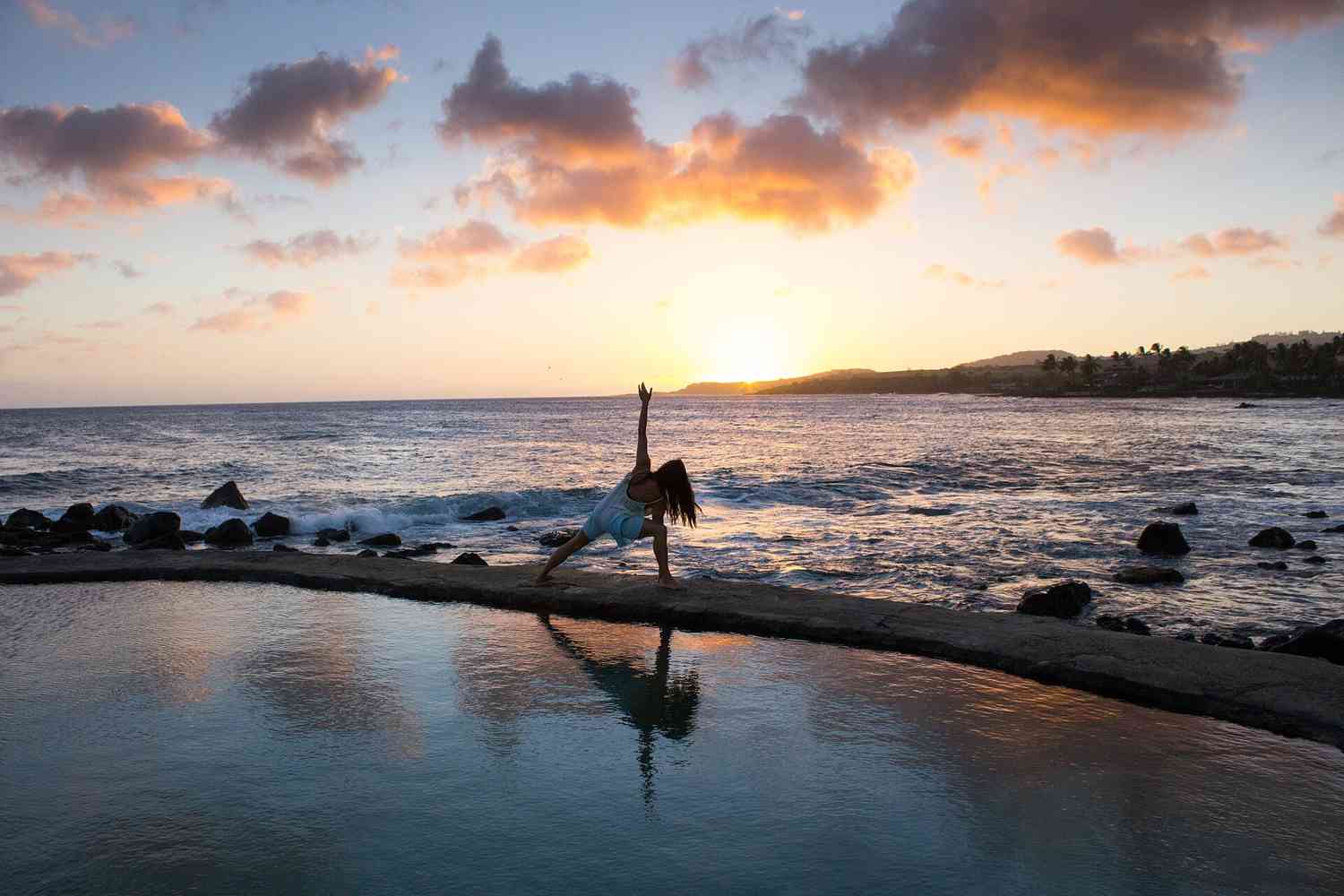
Crete has emerged as a leading destination for yoga and wellness retreats, combining the island’s warm climate, quiet coastlines and calm mountain settings with programmes designed for rest and renewal. The south coast offers particular appeal, where remote beaches and hillside villages provide seclusion, sea views and clean air ideal for daily practice. Retreat programmes typically run during spring and autumn shoulder seasons, blending yoga and meditation with healthy Cretan meals, coastal walks, swimming and excursions to nearby gorges and traditional villages. Explore these wellness escapes with My Greece Tours.
Retreat centres range from simple beach camps to comfortable eco-lodges and boutique hotels, catering to styles including hatha, vinyasa, yin and holistic wellness. The island’s slow pace, extended daylight hours and nourishing Mediterranean diet create natural conditions for a seaside reset. Booking ahead secures your place during the busiest shoulder-season weeks, when weather remains mild and coastal areas stay peaceful. The sections below cover the key aspects of planning your Crete yoga retreat, from choosing locations and timing to understanding what each programme offers. Our Crete travel guide provides additional island resources.
Why choose Crete for a yoga retreat?
Crete offers warm climate, quiet beaches and mountain settings ideal for yoga and meditation. The south coast provides seclusion, clean air and sea views, while the island’s slow rhythm, long daylight and healthy Mediterranean diet support wellness and renewal.
The island’s geography creates natural retreat conditions. The south coast stretches along the Libyan Sea, where beaches such as Triopetra and Agios Pavlos remain quiet and undeveloped. Hills behind Rethymno hold traditional villages surrounded by olive groves and walking trails. Retreat centres use these settings to combine daily yoga sessions with outdoor activities, including coastal walks, swimming in clear water and excursions to nearby gorges. The landscape itself encourages slower movement and mindful attention. Clean air, minimal noise and open horizons support meditation and restorative practice. Centres often position yoga platforms to face the sea or mountains, integrating natural views into morning and evening sessions.
The Cretan diet adds another wellness dimension. Meals at retreats feature local ingredients including olive oil, wild greens, legumes, fresh vegetables, goat cheese and seasonal fruit. This traditional Mediterranean approach aligns with yoga philosophy and supports energy without heaviness. Cretan food emphasizes simplicity and quality, with dishes prepared from ingredients grown nearby. Retreat schedules typically include communal meals, creating space for conversation and connection. The combination of nourishing food, physical practice and natural surroundings creates conditions for rest and renewal. The island’s warm, dry climate extends the outdoor season, allowing retreats to operate comfortably from April through October with reliable sunshine and moderate temperatures ideal for daily practice.
Where are yoga retreats located in Crete?
Most yoga retreats cluster on the south coast, particularly around Rethymno hills and remote beaches. Villages and coastal areas such as Triopetra and Agios Pavlos offer seclusion, sea views and quiet settings. Eco-lodges and boutique hotels provide accommodation near beaches and walking trails.
The south coast geography favors retreat development. The shoreline remains less developed than the north, with pebble and sand beaches separated by rocky headlands. Triopetra sits on a wide bay with distinctive rock formations and open views across the Libyan Sea. Agios Pavlos occupies a small cove surrounded by dunes and low cliffs. Both locations offer swimming, coastal paths and distance from urban centers. Retreat properties in these areas range from simple beach camps with shared facilities to comfortable lodges with private rooms, yoga shalas and outdoor terraces. The hillside villages inland from the coast provide alternative settings, with stone houses, mountain views and access to gorge walks and traditional kafeneia.
Rethymno prefecture holds the highest concentration of retreat centers. The region combines coastal access with mountain terrain, allowing programmes to mix beach sessions with hillside excursions. Properties often occupy restored farmhouses or purpose-built eco-lodges using local stone and timber. Where to stay in Crete depends on your retreat focus, with beachfront locations suiting water-focused programmes and mountain settings offering cooler temperatures and walking access. Transport from Chania or Heraklion airports typically takes one to two hours, with retreat organizers often arranging group transfers. The south coast’s relative isolation contributes to the retreat atmosphere, creating separation from daily routines and digital distractions that supports deeper practice and rest.
What do Crete yoga retreat programmes include?
Programmes combine daily yoga and meditation with Cretan meals, swimming, walks and excursions. Styles range from hatha and vinyasa to yin and holistic wellness. Retreats run for three to ten days, with morning and evening sessions, free time and optional activities.
Daily schedules follow a common pattern. Morning yoga begins early, often before breakfast, with sessions lasting sixty to ninety minutes. Styles vary by retreat and teacher, covering hatha, vinyasa flow, yin, restorative and alignment-focused approaches. Meditation and breathwork typically accompany physical practice. Breakfast follows the morning session, featuring Greek yogurt, fruit, local honey, bread and herbal tea. Mid-morning offers free time for swimming, reading or rest. Lunch arrives around midday, with salads, vegetable dishes and whole grains. Afternoons remain unstructured, allowing participants to explore beaches, walk coastal paths or join optional excursions to nearby villages, gorges or archaeological sites. Evening yoga sessions focus on gentler practice, preparing the body for rest.
Retreat programmes integrate local culture and landscape. Excursions might include visits to the Samaria or Imbros gorges, traditional villages with stone architecture and local workshops, or quiet beaches accessible only by footpath. Things to do in Crete extend beyond yoga to include cooking classes, olive oil tastings and guided nature walks. Meals emphasize seasonal, locally sourced ingredients, with vegetarian and vegan options standard. Evening gatherings sometimes feature live music, storytelling or group discussions. The combination of structured practice and unstructured time allows participants to move at their own pace. Retreat leaders typically limit group size to eight to twenty participants, maintaining intimacy and individual attention throughout the programme duration.
When is the best time for a Crete yoga retreat?
Spring and autumn offer ideal conditions, with mild weather, quiet coasts and comfortable temperatures. April through June and September through October provide sunshine without summer heat. Booking ahead secures places during these popular shoulder-season weeks.
Spring retreats run from April through early June. Temperatures range from eighteen to twenty-eight degrees Celsius, warm enough for outdoor practice and swimming but cooler than midsummer. Wildflowers bloom across hillsides, and the landscape shows green from winter rains. Days lengthen steadily, providing extended daylight for excursions and beach time. Easter celebrations sometimes overlap with retreat schedules, offering glimpses of local traditions. Autumn programmes operate from September through October, with similar temperature ranges and calmer seas. The landscape takes on golden tones, and grape harvests begin in vineyard areas. Both seasons avoid the peak tourist crowds of July and August, when coastal areas fill and temperatures often exceed thirty-five degrees.
Best time to visit Crete for yoga aligns with these shoulder months, balancing weather reliability with peaceful conditions. Retreat centers fill quickly during April, May, September and October, making advance booking essential. Three to six months ahead typically secures preferred dates and accommodation options. Winter retreats occasionally run from November through March, appealing to those seeking solitude and cooler practice conditions, though weather becomes less predictable and some facilities close seasonally. Summer programmes exist but require early morning and late evening sessions to avoid midday heat. The shoulder seasons also suit Crete honeymoon travel, combining wellness with romantic coastal settings and comfortable exploration weather throughout the retreat duration.
How to choose a yoga retreat in Crete?
Consider location, yoga style, accommodation type and group size. South coast retreats offer beach access and seclusion, while mountain settings provide cooler temperatures and walking trails. Check teacher credentials, daily schedules, meal plans and included excursions before booking.
Retreat selection begins with identifying priorities. Beach-focused programmes suit those wanting daily swimming and coastal views, while hillside locations appeal to walkers and those preferring mountain quiet. Yoga style matters significantly: hatha and vinyasa offer dynamic practice, yin emphasizes long-held poses and deep release, and holistic programmes blend yoga with other wellness modalities such as massage, sound healing or Ayurvedic consultation. Teacher experience and training background influence the depth and safety of instruction. Established retreat leaders typically provide detailed information about their approach, lineage and class structure. Group size affects the experience, with smaller gatherings allowing more individual attention and larger groups offering broader social connection.
Practical considerations include accommodation standards, meal arrangements and what the price covers. Simple beach camps provide basic shared rooms and communal facilities at lower cost, while boutique hotels offer private rooms, en-suite bathrooms and additional amenities. Confirming whether airport transfers, excursions and all meals are included prevents surprise expenses. Reading previous participant reviews gives insight into actual conditions and teaching quality. Cretan food quality varies by retreat, with the best programmes sourcing ingredients from local producers and preparing meals fresh daily. Deposit and cancellation policies require attention, particularly for retreats booked months ahead. Contacting organizers directly with specific questions about practice level, dietary needs or mobility considerations ensures the retreat matches your current situation and wellness goals.
Frequently Asked Questions
Do I need yoga experience to join a Crete retreat?
Most Crete yoga retreats welcome beginners alongside experienced practitioners, with teachers offering modifications for different levels within the same class. Retreat descriptions typically specify whether programmes suit absolute beginners or require prior practice. Mixed-level retreats provide the most flexibility, allowing teachers to adjust poses and pacing to individual needs. Beginners benefit from the extended time to learn foundations without the rush of drop-in studio classes, while experienced practitioners deepen their practice through daily repetition and focused attention. Communicating your experience level when booking helps organizers match you with appropriate programmes. Retreats emphasizing gentle, restorative or yin styles generally accommodate all levels more easily than those focused on advanced vinyasa or power yoga.
The retreat setting itself supports learning, with smaller class sizes, unhurried schedules and opportunities to ask questions outside formal sessions. Teachers often provide individual adjustments and guidance throughout the programme, helping beginners build confidence while challenging more advanced students to refine their practice and explore subtler aspects of alignment and breath.
What should I pack for a yoga retreat in Crete?
Pack comfortable yoga clothing suitable for warm weather, including lightweight layers for cooler mornings and evenings. Most retreat centers provide mats, blocks and props, but confirm before traveling. Bring swimwear, sun protection including hat and reef-safe sunscreen, walking shoes for excursions, sandals for beach and casual wear, and a reusable water bottle. A light jacket or wrap suits evening sessions and air-conditioned spaces. Personal items include any medications, toiletries, insect repellent and a small daypack for excursions. A journal and pen support reflection and note-taking during the retreat. Leave valuable jewelry at home, and bring modest clothing for village visits, respecting local customs. Spring and autumn temperatures range from mild to warm, requiring less clothing than summer travel.
A sarong serves multiple purposes as beach cover, meditation shawl or extra layer. Check whether your retreat provides towels or requires you to bring your own. Camera or phone captures memories, though retreats often encourage limiting screen time. Cash in euros covers incidentals, tips and purchases in villages where card payment may be unavailable.
Can I combine a yoga retreat with other Crete activities?
Extending your stay before or after the retreat allows exploration of Crete’s archaeological sites, additional beaches, mountain villages and regional cuisine. Retreats typically run three to ten days, leaving time for independent travel. Knossos palace near Heraklion, the Venetian harbor in Chania, and the Samaria Gorge represent major attractions within two hours of south coast retreat locations. Renting a car provides flexibility for visiting multiple areas, though local buses connect main towns and some villages. Combining wellness focus with cultural exploration creates a balanced island experience. Retreat organizers sometimes offer pre- or post-retreat accommodation at reduced rates, simplifying logistics. The south coast itself holds beaches, coastal paths and traditional villages worth extra days.
Extending your trip also reduces the rushed feeling of arriving and departing around tight retreat schedules, allowing adjustment to the island’s slower pace. Booking flights with flexible dates accommodates this approach. The combination of structured retreat time and independent exploration lets you experience both guided wellness practice and personal discovery across Crete’s diverse landscapes and cultural layers.