
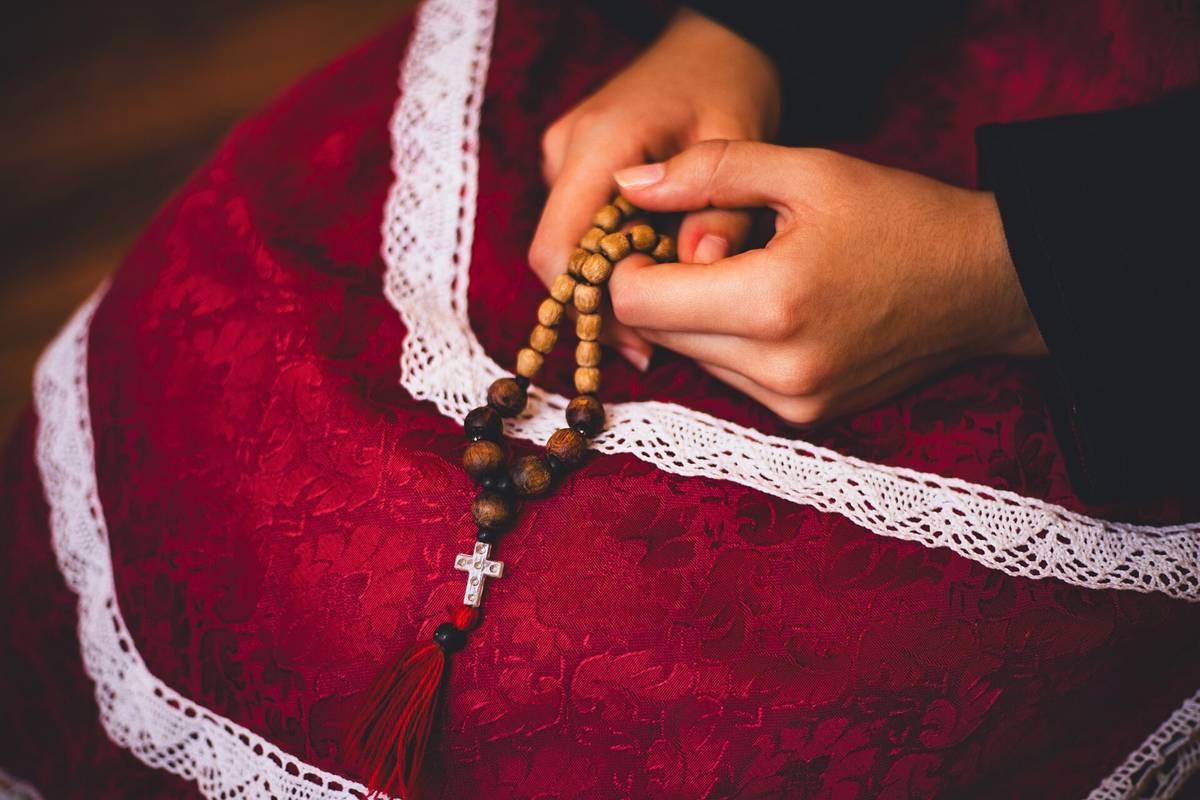
Festivals and panigyria give Naxos its living pulse, and the island keeps more of them than any other Cyclade. A panigyri is the village saint’s-day feast, a night of music, wine, food and dancing that fills the mountain squares from June through September. Naxos layers these local feasts over the great Orthodox celebrations: Easter, the pilgrimage to Panagia Argokoiliotissa, and the 15 August honours to the Virgin. Together they form a calendar that rewards travellers who plan around the dates. Discover the island’s festival culture and book your seat at the table with My Greece Tours.
This culture guide sits alongside our broader Naxos travel guide and focuses on the feasts themselves rather than the beaches. The sections below cover what a panigyri actually is, the main festival calendar across the year, the drama of Easter and the Dekapentavgoustos, the village-specific feasts of the interior, and practical etiquette for joining in as a respectful guest. Read it before you travel and time your trip around the celebrations that matter to you.
What exactly is a Naxian panigyri?
A panigyri is a village feast marking a church’s patron saint, combining an Orthodox liturgy with an open-air night of live music, communal food, local wine and non-stop circle dancing in the square.
The panigyri fuses the sacred and the social into one event. The day opens with a liturgy at the saint’s church, often a small chapel above a village. The feast then moves outdoors into the platia, the central square, where long tables fill with food cooked by volunteers. Naxian kitchens serve patatato, a goat-and-potato stew, alongside local cheeses like graviera and arseniko, and citron liqueur distilled from the island’s kitron trees. Musicians play the tsampouna bagpipe, violin and lute, and villagers form the syrtos circle dance that runs until dawn. The villages of Naxos host dozens of these feasts each summer, each tied to a specific saint and date.
Participation, not spectation, defines the panigyri. Entry is free, and organisers expect visitors to sit, eat and dance rather than photograph from the edges. Money changes hands only for wine tokens or a donation to the church committee. The scale varies sharply by village: a small chapel feast draws its own hamlet, while the largest draws travellers from across the island and the diaspora returning home. The music repertoire stays local, favouring Cycladic melodies over mainland or tourist standards. This rootedness explains why the panigyri survives here more strongly than on ferry-swamped neighbours. Explore the wider range of things to do in Naxos to slot a feast into your itinerary.
When are the main festivals held through the year?
The panigyria concentrate between June and September, peaking around 15 August. Easter anchors spring, the Panagia Argokoiliotissa pilgrimage falls after Easter, and harvest and cultural fairs run through late summer and autumn.
The Naxian festival year follows the Orthodox calendar rather than fixed civic holidays. Easter, movable in spring, opens the season with island-wide observance. The Panagia Argokoiliotissa pilgrimage follows on the Friday of Bright Week and again in September, drawing crowds to the monastery near Koronos. Summer then delivers a saint’s feast almost every week: Agia Marina on 17 July, Prophet Elias on 20 July at hilltop chapels, and Agia Paraskevi on 26 July. Learn the geography of these feasts through the villages of Naxos, since each date belongs to a specific place. The rhythm is predictable enough to plan a trip around, yet local enough to feel unrehearsed.
August carries the year’s densest cluster. The Dekapentavgoustos, the two-week run to 15 August, fills the interior with feasts honouring the Dormition of the Virgin. Cultural programming layers over the religious core: Naxos Town stages concerts and exhibitions, and the summer festival brings theatre to the Kastro. Autumn shifts the mood toward the harvest, with wine and kitron celebrations tied to the grape and citron pressings. The season closes as the diaspora departs and the villages return to their winter quiet. Base yourself near the action by reading up on Naxos Town, the island’s transport and lodging hub.
How do Naxos celebrate Easter and the 15 August feast?
Easter brings candlelit midnight liturgies, fireworks and lamb roasts across every village. The 15 August Dormition feast, the Dekapentavgoustos, triggers the island’s grandest panigyria, honouring the Virgin with liturgies, processions and all-night squares.
Easter is the emotional summit of the Naxian year. Holy Week fills the churches nightly, culminating in the Epitaphios procession on Good Friday, when a flower-decked bier is carried through the lanes. The Resurrection liturgy at midnight on Holy Saturday erupts with fireworks, church bells and the shared cry of Christos Anesti. Families then break the Lenten fast with mageiritsa soup, and Easter Sunday turns to spit-roasted lamb, red eggs and wine in the courtyards. The mountain settlement of Apeiranthos, with its marble lanes and Cretan-rooted dialect, stages a particularly atmospheric Holy Week worth timing a spring visit around.
The 15 August feast, the Dormition of the Virgin, rivals Easter in scale and outdoes it in exuberance. Villages across the island hold their largest panigyria on this night, and returning emigrants swell the squares. Filoti, the island’s biggest village, hosts one of the Cyclades’ most famous feasts on the eve and day of 15 August, with feasting and dancing that can run three days. The Filoti celebration draws thousands to the slopes of Mount Zas. The combination of a fixed date and a guaranteed feast makes mid-August the single best window to witness the tradition at full strength.
Which villages hold the most distinctive feasts?
Filoti’s 15 August panigyri is the island’s grandest. Apeiranthos guards the most traditional music and dance, Koronida celebrates its own saints and harvest, and hamlet chapels across the interior hold intimate feasts through summer.
Each interior village owns a feast with its own character. Filoti dominates 15 August, filling the platia below Mount Zas with the island’s largest crowd. Apeiranthos, perched on the eastern slopes, preserves the oldest musical repertoire and a dialect brought by Cretan settlers, giving its feasts a distinct sound and a fierce local pride. The village of Koronida, high in the northern mountains, marks its patron saints and the raki distilling season with feasts that feel entirely for its own people. These are not staged for tourists. They run on volunteer labour and the returning bond of families who left for Athens or abroad.
Smaller settlements add feasts that reward the curious traveller. Halki, Damalas and the villages of the Tragaea valley each hold chapel panigyria through July and August, often around a saint few outsiders know. The scale is intimate: a single square, a handful of musicians, tables that seat the whole hamlet and any guest who arrives with good manners. These smaller feasts often preserve customs the larger ones have shed, from specific dances to particular dishes. Touring the interior between feast dates lets you scout the chapels and squares in advance. The villages of Naxos repay slow, repeated visits across a single summer.
How can a visitor join a panigyri respectfully?
Arrive after the liturgy, greet the organisers, sit at the communal tables, eat and drink what is offered, and join the circle dance from the tail. Dress modestly, tip the church committee, and photograph people only with a smile and consent.
Respect turns a visitor into a welcome guest. The feast belongs to the village and its saint, so treat it as an invitation rather than an attraction. Greet the older organisers, accept the food and wine placed before you, and contribute to the church committee’s donation box in place of a ticket. The syrtos circle dance admits newcomers at the tail end of the line, never the front, where the lead dancer improvises. Modest dress suits the religious setting, especially inside the church during the liturgy. The spring pilgrimage to Panagia Argokoiliotissa demands the same reverence, drawing worshippers who walk to the monastery to honour the icon.
Timing and manners decide your experience. Feasts start late, often after ten at night, and peak past midnight, so pace your evening and do not expect an early night. Learn a few Greek words, Christos Anesti at Easter or a simple efcharisto, and the tables open to you fast. Photograph the dancing and the square freely, but ask before turning a lens on individual elders. A parked car should never block the narrow village lanes on a feast night. These feasts reward travellers who come to share rather than to consume. Plan your visit and tours through our Naxos travel guide.
Frequently Asked Questions
Do I need a ticket or invitation to attend a Naxian panigyri?
No ticket and no formal invitation are required to attend a Naxian panigyri. The village feast is a public celebration open to everyone, and the whole point is to gather the community and its guests around shared tables. Entry is free. The only money that changes hands goes toward wine tokens or a voluntary donation to the church committee that funds the event and maintains the chapel. Turn up after the evening liturgy, when the tables fill and the music starts, and find a seat among the villagers. Organisers welcome respectful outsiders warmly, and a returning smile or a few words of Greek smooths the way.
The unwritten expectation is simple: come to participate, eat, drink and dance, not to watch from the sidelines with a camera. Contribute to the donation box, and you honour the tradition that keeps these feasts alive year after year.
What food and drink are served at a panigyri on Naxos?
Naxian panigyria centre on hearty, communal dishes cooked in bulk by village volunteers. The signature dish is patatato, a slow-cooked stew of goat meat and potatoes seasoned simply and served in generous portions. Tables also carry the island’s celebrated cheeses, including graviera, arseniko and the soft xinotyro, alongside bread, olives and seasonal vegetables. Naxos is famous for its citron, and kitron, the pale-green citron liqueur distilled from the leaves and fruit of the tree, is the classic toast. Local wine and raki flow freely, poured from village barrels rather than bottles. Sweets vary by feast and season, from honey pastries to fresh fruit.
The food is not restaurant fare; it is home cooking multiplied for hundreds, funded by the church committee and offered without charge. Eating what is placed before you, and accepting a refill, is itself a gesture of respect toward your hosts.
When is the best time to visit Naxos for its festivals?
The single strongest window is mid-August, built around the 15 August feast of the Dormition of the Virgin. The Dekapentavgoustos, the two-week run to that date, fills the interior villages with the year’s grandest panigyria, and Filoti’s celebration on the eve and day of 15 August ranks among the most famous in the Cyclades. Any visit between late June and early September will catch weekly saint’s-day feasts across the mountain villages, so the whole high summer rewards a festival-minded traveller. Easter, movable in spring, offers a different and deeply moving experience, with candlelit midnight liturgies, processions and lamb roasts, though it falls outside the beach season.
The Panagia Argokoiliotissa pilgrimage after Easter and again in September adds a devotional highlight. Match your dates to the feasts you most want to witness, and confirm the exact saint’s day of your chosen village before you book.