
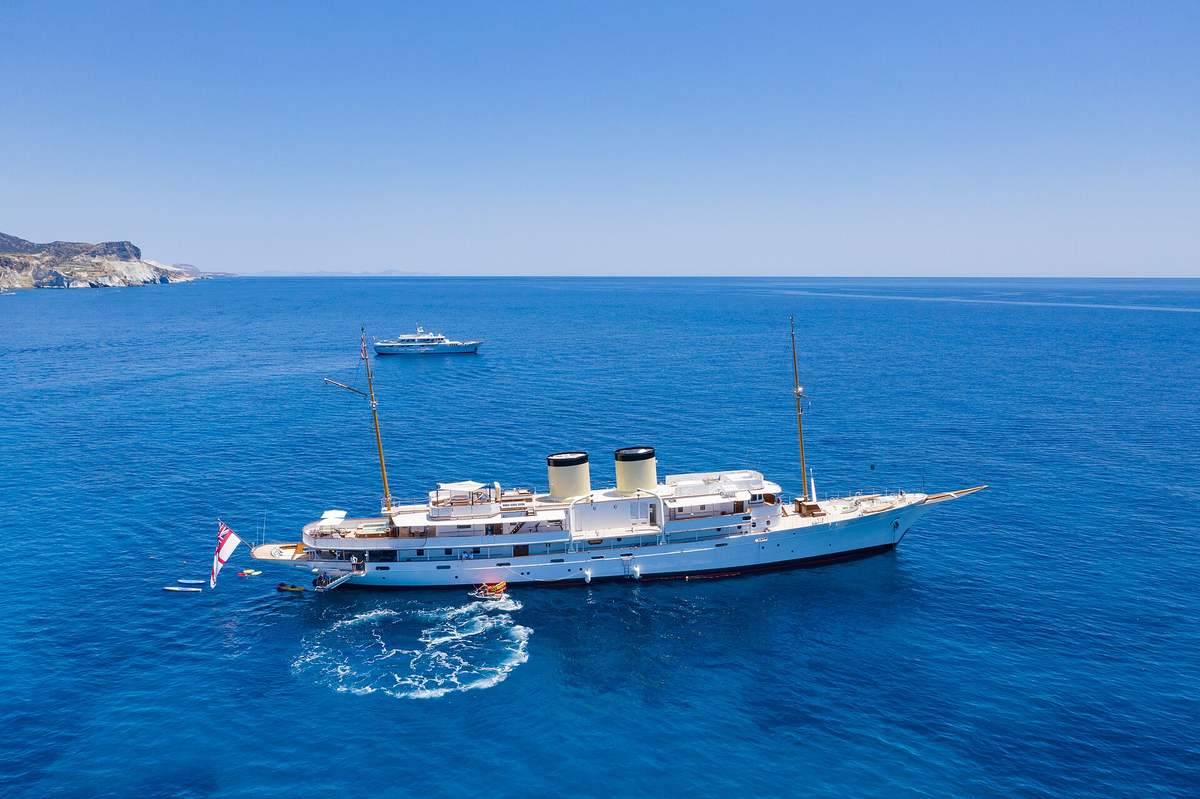
A perfect Milos itinerary for 3 to 4 days takes in a Kleftiko boat trip, the moonscape of Sarakiniko. The colourful village of Klima, hilltop Plaka at sunset and the island’s best beaches. Plan it with tours, boat trips and tickets from My Greece Tours.
A day-by-day plan brings the Milos travel guide to life. The sections below cover how long to spend, a day-by-day 3-to-4-day itinerary, getting around, and practical tips for the trip.
How many days do you need for a Milos itinerary?
You need at least 3 days for a Milos itinerary, and ideally 4 or 5, to see the highlights without rushing.
Three days cover the essentials: a boat trip to Kleftiko, the moonscape of Sarakiniko, the villages of Plaka and Klima, and two of the best beaches. A fourth and fifth day add more beaches, a day trip to neighbouring Kimolos or Polyaigos, and a more relaxed pace. Milos is small but its sights are spread out, so allow time and rent a vehicle to explore. Deciding how long to spend on Milos is the first step in planning. The answer is a minimum of three days, with four or five ideal to enjoy the island fully at a relaxed pace.
Its beaches, villages and sights are scattered widely. A boat trip eats up a whole day, so it rewards more time than a quick stop.
Three days is enough to cover the essential highlights without rushing: a boat trip to the spectacular sea caves of Kleftiko, the otherworldly white landscape of Sarakiniko, the hilltop capital of Plaka with its sunset, and the colourful fishing village of Klima. Two of the island’s beautiful and varied beaches complete the plan. Adding a fourth and fifth day lifts the experience, giving time to discover more of the seventy-plus beaches. Take a day trip to the quieter neighbouring island of Kimolos or join a full-day cruise that includes the uninhabited island of Polyaigos. Then relax into the unhurried island pace.
The following day-by-day itinerary is built around three full days, with suggestions for extending it. The questions below cover what visitors ask most.
What does day one look like?
Spend day one on a boat trip to Kleftiko, the must-do experience of Milos.
Departing from the port of Adamas, a half-day or full-day cruise takes you to swim and snorkel among the white sea caves. Cliffs and arches of Kleftiko, often with stops at the Sykia cave and other coves. A full-day option adds the island of Polyaigos. It is a long day on the water, so it suits arrival day or the first full day. Book ahead, choose a morning departure for calm seas, and bring sun protection. The natural way to open a Milos itinerary is with the island’s signature experience, a boat trip to Kleftiko.
Dedicating your first full day to it makes sense because the spectacular southwestern sea caves can only be reached by sea and the trip takes up most of a day. Tours depart from the main port of Adamas, so it is an easy day to arrange whatever your base.
You can choose a shorter half-day cruise focused on Kleftiko or a full-day trip that ranges further around the island. Either way, the day is spent gliding beneath the soaring white cliffs of Kleftiko and anchoring to swim and snorkel through its caves. Tunnels and arches in brilliant turquoise water, usually with additional stops at highlights such as the roofless Sykia sea cave and calm swimming bays like Gerontas. A full-day option often adds the pristine, uninhabited island of Polyaigos, with its stunning beaches, making for a richer day. Because it is a long stretch on the water, this works well as your first full day, leaving you energised for exploring on land afterwards.
The key tips are to book the tour in advance, especially in summer. Choose a morning departure when the sea is usually calmer and the light at Kleftiko at its best. Come equipped with strong sun protection, water and a towel. The questions below cover what visitors ask most.
What about days two and three?
Spend day two on the north and west: Sarakiniko early, the Papafragas caves, Mandrakia for lunch, then Klima, the Roman theatre and catacombs, and sunset at hilltop Plaka. Spend day three on the sandy south-coast beaches.
On day three, focus on the south-coast beaches, swimming at Firiplaka, Tsigrado, Provatas or the geothermal Paleochori, with a relaxed lunch. This pairing of villages and culture with the island’s best beaches rounds out the essential Milos experience. With the boat trip done, day two is best spent exploring the north and west of the island by car or ATV. Taking in the headline sights and the most beautiful villages. Start early at Sarakiniko, before about ten o’clock, to experience its surreal white moonscape in peace before the crowds arrive. Then visit the dramatic Papafragas caves nearby and drop into the pretty fishing village of Mandrakia for a seaside lunch.
In the afternoon, head to the west coast for the rainbow-coloured syrmata of Klima, the ancient Roman theatre and the early Christian catacombs on the hillside above. Time your arrival in the hilltop capital of Plaka for the late afternoon, so you can wander its whitewashed lanes, climb the Kastro castle. Watch the island’s finest sunset before dinner in the village.
Day three is the day to enjoy the island’s celebrated beaches, focusing on the sheltered, sandy south coast. Spend it swimming and relaxing at a choice of the best southern beaches, the long sandy sweep of Firiplaka beneath its colourful cliffs. The hidden cove of Tsigrado reached by ropes and ladders, the family-friendly sands of Provatas, or the remarkable Paleochori, where geothermal heat warms the sand and shallows, with a long, lazy lunch at a beach taverna in between. This pairing of a day of villages, culture and sunsets followed by a day of the island’s stunning beaches completes the essential Milos experience and shows off the full variety of the island.
Add more beaches, a day trip by ferry to the quieter neighbouring island of Kimolos, or simply slow down and revisit a favourite spot. The questions below cover what visitors ask most.
How do you get around on a Milos itinerary?
To follow a Milos itinerary you really need your own transport, as the beaches and sights are spread out with only limited buses.
Rent a car for comfort or an ATV/quad for fun and access to rougher tracks, booking ahead in summer as vehicles sell out. The island is small, so you can drive end to end in under an hour. Adamas is the rental and boat-tour hub. Without a vehicle, base yourself in Adamas and combine buses with boat tours, though your reach will be more limited. Getting around is central to making a Milos itinerary work, because the island’s attractions. Scattered beaches and villages are spread out and the public bus network, while useful, is limited and seasonal. For the freedom to follow an itinerary like the one above, your own transport is strongly recommended.
The choice is essentially between a car and an ATV or quad bike.
A rental car offers comfort, air conditioning and protection from the sun. Ideal for families and for the paved roads to the main villages and beaches, while an ATV or quad is fun. Nimble and better suited to reaching the rougher tracks to remote beaches. A quad leaves you exposed to the sun and requires care, as they can be easy to overturn. Either way, book your vehicle in advance for the summer, when they sell out quickly. Pick up from the rental offices clustered in the port town of Adamas, which is also the hub for boat tours.
The island’s small size is a real advantage, as you can drive from one end to the other in under an hour, so no day involves long journeys. If you prefer not to drive, it is possible to base yourself in Adamas and combine the local buses with boat tours to see a good deal of the island. Your flexibility and reach will be more limited, so most visitors find renting a vehicle the key to a smooth and rewarding Milos itinerary. The questions below cover what visitors ask most.
What practical tips help for a Milos trip?
For a Milos trip, book ferries, accommodation, a vehicle and the Kleftiko boat tour well ahead for summer. Start beach and sight visits early to beat crowds and heat, and watch the meltemi wind, heading to sheltered south-coast beaches on windy days.
Bring water, snacks, sun protection and water shoes, as the remote beaches lack shade and facilities. Visit in May, June or September for the best balance of weather and crowds. Allow a flexible day for weather, and don’t overfill each day. A handful of practical habits keep a Milos itinerary running smoothly. Because the island has become very popular, book the key elements, your ferry tickets, accommodation. Rental vehicle and the all-important Kleftiko boat tour, well in advance for the summer season, when everything fills up.
Plan your days to start early, visiting the headline sights and beaches like Sarakiniko in the cool, quiet morning to beat both the crowds and the heat. Keep an eye on the meltemi wind, switching to the sheltered south-coast beaches on windy days and staying flexible about when to take your boat trip.
Come prepared for the island’s wild, undeveloped beaches by carrying ample water, snacks, strong sun protection, a hat and an umbrella for shade. Along with water shoes for the rocky and sometimes slippery spots, since most of the best beaches have no facilities at all. For the finest experience, aim to visit in the shoulder months of May, June or September, which offer warm weather, a swimmable sea and fewer crowds than the peak. It is also wise to build a little flexibility into your plans. Keeping a day loose in case wind disrupts a boat trip or you simply want to linger longer at a favourite beach.
Resist the temptation to overfill each day, as Milos rewards a relaxed pace. Follow these tips, and a three-to-four-day itinerary will let you experience the very best of this beautiful island. The questions below cover what visitors ask most.
How do you get to Milos for your itinerary?
You reach Milos by a 40-minute flight from Athens to the small island airport, or by ferry of roughly 3 to 7 hours from Piraeus on the western-Cyclades line. Both arrive near Adamas.
The fastest route is the short domestic flight from Athens, which lands at the compact airport a few kilometres from Adamas and turns a long travel day into a quick hop. Flights fill early in summer, so book ahead and confirm the light aircraft’s baggage limits. A transfer or taxi covers the final stretch to your base in minutes, leaving the whole afternoon free for a first swim or a walk around the port.
The ferry from Piraeus is the scenic alternative, running the western-Cyclades line that also serves Serifos, Sifnos and Kimolos. Fast catamarans cross in roughly three hours, while conventional car ferries take up to seven and let you bring a vehicle. Boats dock at Adamas, the itinerary’s natural starting point and the hub for boat tours and rentals. Reserve summer sailings well in advance, as this popular route sells out. Details of routes and seasons sit in the how to get to Milos guide.
Where should you stay on a Milos itinerary?
Stay in Adamas for a central, tour-friendly base, in Plaka or Trypiti for views and village character, or in Pollonia for a quiet northeast base beside good beaches.
Adamas is the port and the beating heart of the island, home to the boat-tour docks, rental offices, ferry berth and a long line of tavernas. Basing yourself here keeps every departure within walking distance and puts you at the road network’s centre, so no drive across the island runs long. It suits first-time visitors and anyone leaning on buses and boats rather than a car.
Plaka and neighbouring Trypiti crown the hill above the bay, trading the port’s bustle for whitewashed lanes, the Kastro’s sweeping views and the island’s finest sunsets. Pollonia, the small fishing village in the northeast, offers a calmer, more scenic base beside clear water and quick access to the Kimolos ferry. The where to stay in Milos guide compares each area in detail.
What should you add on a 5-day Milos itinerary?
On a 5-day Milos itinerary, add a ferry day trip to quieter Kimolos, more south-coast beaches, a second boat trip or kayak outing, the Archaeological and Mining museums, and a slower daily pace.
A fifth day opens room for the sister island of Kimolos, a short ferry from Pollonia, where empty beaches, a sleepy Chora and grilled fish reward the crossing. Back on Milos, spread the extra hours across beaches skipped on the core plan, from the sands of Achivadolimni to the rock pools near Firopotamos, so the coast reveals its full range.
A second boat trip or a guided sea-kayak outing shows the coastline from the water again, this time at a gentler tempo along hidden coves. Rainy or windy hours suit the Archaeological Museum in Plaka and the Mining Museum in Adamas, which explain the volcanic geology and obsidian trade that shaped the island. The point of the extra days is to slow down, revisit a favourite spot and let the itinerary breathe rather than pack in more stops.
Two spare days also make room for the quieter corners the core plan skips. A morning at the traditional village of Firopotamos or the colourful boathouses of Klima repays a slow return, while the inland chapels and the ancient site of Ancient Milos near the theatre reward unhurried exploration. A sunset drink above the caldera-like bay caps the trip, and a final beach day at Achivadolimni sends you home rested rather than rushed.
What is the best time of year for a Milos itinerary?
The best time for a Milos itinerary is late April to September, with May, June and September offering warm weather and thinner crowds, July and August the warmest and busiest, and winter largely closed.
The shoulder months of May, June and September strike the finest balance, pairing warm, swimmable seas with long daylight and quieter beaches and roads. Boat tours run reliably, rooms cost less than at the peak, and the meltemi wind blows more gently, so a boat trip to Kleftiko rarely falls through. These weeks reward travellers who want the highlights without the high-season crush.
July and August bring the hottest days, the fullest boats and the busiest beaches, so early starts and advance bookings matter most then. The meltemi picks up in high summer, a cue to switch to the sheltered south-coast beaches on windy days. From November to March the island winds down, with most tavernas, hotels and tours closed, making the warmer half of the year the clear choice for a full itinerary.
What is a sample 3-day Milos itinerary?
A sample 3-day Milos itinerary spends day one on the Kleftiko boat trip, day two on the north and west by car, and day three on the sandy south-coast beaches.
Day one belongs to the sea. A morning boat trip from Adamas glides beneath the white cliffs of Kleftiko for swimming and snorkelling, with stops at the Sykia cave and the calm bay of Gerontas before the boat turns for home in the late afternoon. A quiet dinner at the port closes the day.
Day two moves onto land by car or ATV. An early arrival at Sarakiniko before ten catches its lunar rock in soft light, followed by the Papafragas caves, a seaside lunch at Mandrakia, the syrmata of Klima, and the Roman theatre and catacombs near Trypiti. Plaka and the Kastro hold the sunset. Day three unwinds along the south coast, swimming at Firiplaka, tackling the ropes down to Tsigrado, resting at family-friendly Provatas, and finishing on the warm geothermal sand of Paleochori. This three-day frame captures the island’s boats, villages and beaches in balance, and a fourth day slots a Kimolos crossing neatly on top.
Flesh out each day with a Milos boat tour to Kleftiko, the moonscape of Sarakiniko beach. The villages of Plaka and Klima, a choice of where to stay in Milos, and car or ATV rental to get around.
Frequently Asked Questions
How many days do you need in Milos?
You need at least 3 days in Milos to see the highlights, and ideally 4 or 5 for a relaxed pace. Three days cover the essentials: a boat trip to Kleftiko, the moonscape of Sarakiniko, the villages of Plaka and Klima, and two of the best beaches. Extra days let you explore more of the 70-plus beaches, take a day trip to Kimolos or Polyaigos, and slow down. The island is small but its sights are spread out, so allow time and rent a vehicle.
What can you not miss on a Milos itinerary?
On a Milos itinerary you can not miss a boat trip to the sea caves of Kleftiko, the surreal white moonscape of Sarakiniko. The colourful fishing village of Klima with its syrmata, the hilltop capital Plaka and its sunset from the Kastro castle. A selection of the island’s beautiful beaches such as Firiplaka, Tsigrado and the geothermal Paleochori. Together these capture the variety of Milos, from boating and beaches to villages, culture and sunsets.
Is 3 days enough for Milos?
Yes, 3 days is enough for Milos to see the main highlights without rushing: a Kleftiko boat trip. Sarakiniko, the villages of Plaka and Klima, and a couple of the best beaches. However, 4 or 5 days are ideal to explore more of the island’s seventy-plus beaches. Take a day trip to neighbouring Kimolos or Polyaigos, and enjoy a more relaxed pace. With only 3 days, rent a vehicle and start early each day to make the most of your time.
Do you need a car on Milos?
Yes, you really need a car or an ATV on Milos, because the beaches, villages and sights are spread out and the bus network is limited and seasonal. Rent from the offices in Adamas and book ahead for summer. The island crosses end to end in under an hour, so no drive is long. Without a vehicle you can base yourself in Adamas and combine buses with boat tours, but your reach and flexibility will be far more limited.
Is Milos good for a first Greek-island trip?
Yes, Milos is a strong choice for a first Greek-island trip. It is compact, so you can see the highlights in three to four days, and it packs remarkable variety into a small area, from the Kleftiko sea caves and the moonscape of Sarakiniko to colourful villages and dozens of beaches. It stays calmer and less crowded than Santorini or Mykonos, yet has good ferry and flight links to Athens, plenty of tavernas and easy car or ATV rental to get around.