
Handling money in Athens is easy once you know the basics: the euro, when to use cards versus cash, how ATMs and fees work, and the tipping customs. Plan a smooth, well-budgeted trip alongside skip-the-line sightseeing tickets and tours from My Greece Tours.
This practical money guide is part of the Athens travel guide. The sections below cover the currency, cards versus cash, ATMs and fees, avoiding poor exchange rates, tipping customs, and how much to budget.
What currency is used in Athens?
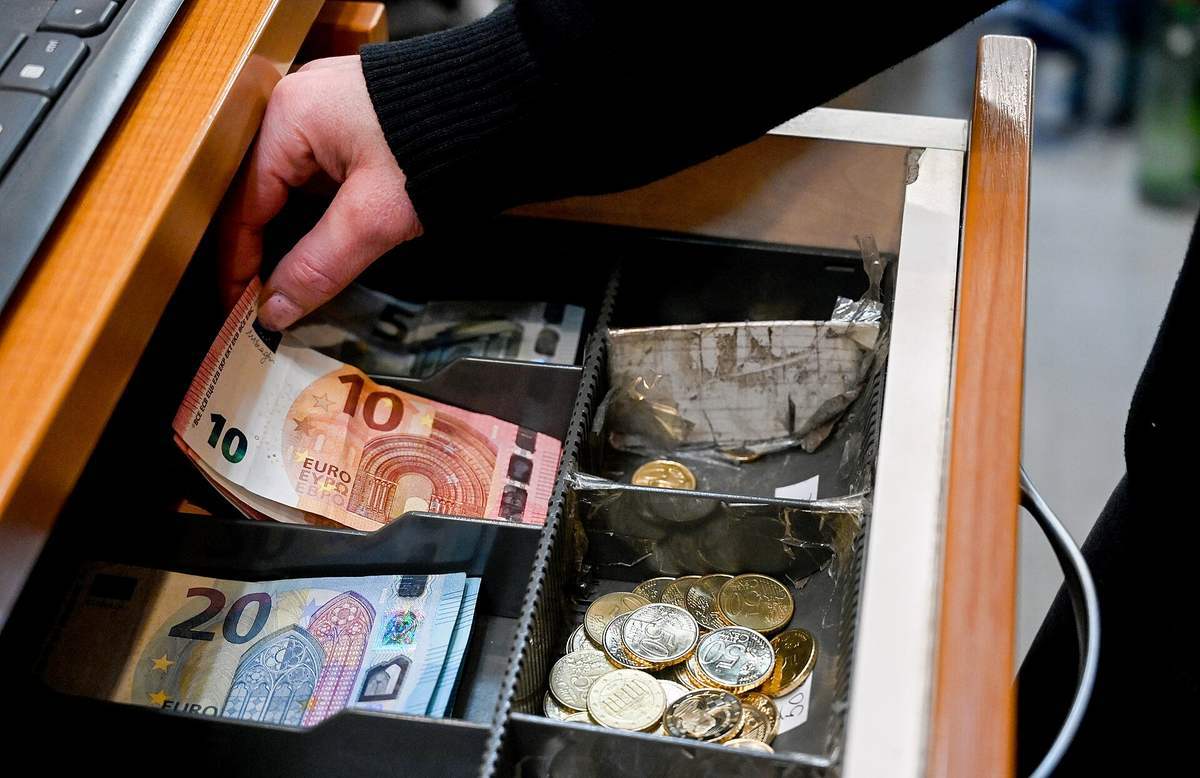
Athens uses the euro (EUR), like all of Greece. Businesses accept only euros, not other currencies. Notes range from 5 to 500 euros, plus 1 and 2 euro coins and cent pieces. An Athens ATM gives the best-value euros.
The currency of Athens and all of Greece is the euro, abbreviated EUR and symbolised by the sign that looks like a stylised E. As a full member of the eurozone, Greece uses only the euro for everyday transactions, so you will need to pay in euros and cannot use pounds, dollars or other currencies in shops, restaurants or for tickets. The euro is issued in banknotes of five, ten, twenty, fifty, one hundred, two hundred and five hundred euros, and in coins of one and two euros along with smaller cent coins of one, two, five, ten, twenty and fifty cents.
A practical tip is that the very high-value notes, the two hundred and especially the five hundred, are awkward to spend, as smaller businesses are reluctant or unable to change them, so it is wise to carry and use smaller denominations for daily expenses. The most convenient and generally best-value way to obtain euros for your trip is simply to withdraw cash from an ATM once in Athens, rather than buying euros at poor rates before you travel. Knowing this, the rest is about cards and cash. Understanding when to use each is key.
Should you use cards or cash in Athens?
Athens is increasingly card-friendly. Hotels, restaurants, shops and attractions accept credit and debit cards and contactless payments, so you can pay for most things by card. Still carry cash, because kiosks, markets and buses are often cash-only, and tips work best in cash.
The good news for visitors is that Athens, along with the rest of Greece, has become increasingly card-friendly. You can comfortably pay for the majority of your expenses with a credit or debit card. In the main tourist areas, hotels, restaurants, larger shops, supermarkets, museums and attractions accept card payments. Contactless tap-to-pay and mobile wallets work too, making cashless spending easy for most of your trip.
Relying on cards alone would be a mistake, because cash still matters in everyday situations. Traditional tavernas, corner kiosks, street vendors, market stalls, bakeries, local buses and family-run businesses often operate on a cash-only or cash-preferred basis. Crucially, cash is also the customary and best way to leave tips, so keep notes and coins on hand throughout the day.
For this reason, the sensible approach is to use your card for larger and everyday payments while keeping a modest amount of cash on hand, and a good rule of thumb is to carry around fifty to a hundred euros in cash to cover casual meals, coffees, snacks, tips and small purchases. With this mix, you are prepared for anything. Getting that cash is straightforward via ATMs.
How do ATMs and fees work?
ATMs are plentiful across Athens and the easiest way to get euros. Foreign cards usually pay a withdrawal fee to the Greek bank, plus your own bank’s fee, so larger, less frequent withdrawals cut the cost. Use bank-owned ATMs, not standalone “Euronet” machines.
Cash machines, or ATMs, are found all over Athens, at banks, in the streets, at the airport and at transport hubs, and using them is generally the easiest and most cost-effective way to obtain euros during your trip. Be aware, however, that withdrawing cash with a foreign card usually incurs fees: the Greek bank operating the ATM often charges a fee of around two to five euros per withdrawal for non-Greek cards, and your own bank at home may add its own foreign-transaction or withdrawal fee on top, so the costs can add up if you make many small withdrawals.
The simple way to minimise this is to take out larger amounts less frequently rather than small sums often. It is also wise to choose your ATM carefully: machines attached to and operated by the major Greek banks generally offer fairer fees and rates, whereas the ubiquitous standalone yellow-and-blue “Euronet” machines aimed at tourists often charge notably higher fees and worse exchange rates, so they are best avoided. A crucial tip applies at every ATM and card terminal, which we cover next. Avoiding bad exchange rates saves real money.
How do you avoid poor exchange rates?
The key trick is to decline “dynamic currency conversion”. When an ATM or card machine offers euros or your home currency, choose euros. Home-currency conversion uses a poor rate, so let your own bank convert instead. Bank ATMs beat exchange bureaux.
One of the most important and money-saving things to understand in Athens, and indeed throughout Europe, is how to avoid the trap of poor exchange rates, chiefly the practice known as dynamic currency conversion. When you use an ATM to withdraw cash, or pay by card in a shop or restaurant, the machine will often ask whether you want to be charged in euros or in your own home currency, such as pounds or dollars, sometimes phrased as “with conversion” or “without conversion”. The golden rule is to always choose to be charged in euros, the local currency, and to decline the conversion to your home currency.
Being charged in your familiar currency seems convenient, yet the machine applies a deliberately unfavourable exchange rate with a hidden mark-up, so you end up paying noticeably more. Choosing euros lets your own bank handle the conversion at a far better rate. The same logic means you should avoid the currency-exchange bureaux found in tourist areas, which offer poor rates and high commissions. Withdrawing euros from a reputable bank ATM is nearly always the cheaper option. Mastering this one habit saves real money, and with cash in hand the tipping customs come next.
What are the tipping customs in Athens?
Tipping in Athens is appreciated but modest and never obligatory. In restaurants, leaving 5 to 10 percent or rounding up is customary. Taxi drivers, cafés, hotel staff and guides get rounded-up change. Tip in cash on the table, even when paying by card.
Understanding tipping customs helps you handle social situations gracefully. The Greek approach is relaxed and modest, with tipping appreciated but never obligatory or heavily expected. In restaurants and tavernas, the usual practice for good service is to leave a tip of five to ten percent of the bill. Rounding the total up to a convenient figure is equally acceptable, especially for casual meals.
Tipping is also welcomed in other settings. In cafés and bars you can leave the change or round up, and taxi drivers are tipped by rounding the fare up to the nearest euro. Hotel porters and housekeeping appreciate a euro or two, as do tour guides who have given good service. The amounts stay small, so a pocket of coins covers a full day of gratuities.
The single most important practical point is that you should tip in cash, leaving the money on the table or handing it directly to the person, even when you pay the main bill by card, since tips added to card payments frequently do not reach the waiters and staff. Keeping small notes and coins handy makes tipping easy. It is a courtesy, not a duty. Finally, knowing roughly what to budget helps planning.
How much should you budget for Athens?
Athens is moderately priced, cheaper than most Western European capitals. Budget travellers manage on €50 to €70 a day, mid-range visitors on €100 to €150, covering rooms, food, transport and sights. Public transport is cheap, and tavernas and bakeries keep food costs low.
It helps to have a rough sense of costs when planning your trip, and the reassuring news is that Athens is a moderately priced destination, generally more affordable than Western European capitals such as London or Paris, offering good value for money. Daily budgets naturally vary with your style of travel: budget-conscious travellers staying in hostels or simple guesthouses, eating at tavernas and bakeries and using public transport can comfortably get by on roughly fifty to seventy euros a day, while mid-range visitors in a decent hotel, enjoying restaurant meals, attractions and the occasional taxi might spend around one hundred to one hundred and fifty euros a day, with luxury travel costing considerably more.
Two things keep costs down: public transport is remarkably cheap, with a single ticket around one euro twenty and good-value day and multi-day passes available, while food can be very inexpensive if you favour local tavernas, souvlaki shops and bakeries over tourist-trap restaurants. The major sights such as the Acropolis carry admission fees, but viewpoints and neighbourhoods like Plaka and Anafiotika are free to wander. Carrying fifty to a hundred euros in cash a day, supported by your cards, comfortably handles daily spending. With these basics, your money goes far. The budget angle is detailed in the Athens on a budget guide. Digital payment habits shape how far that money goes.
Are digital and contactless payments common in Athens?
Digital and contactless payments are now standard across Athens. Tap-to-pay cards, Apple Pay and Google Pay work at most terminals, taxis and cafés. Cash still rules for tips and small vendors, so a card-first, cash-backup habit works best.
Contactless has become the default way to pay across the city. Terminals in hotels, restaurants, supermarkets and museum shops read tap-to-pay cards and phone wallets in a second, with no PIN needed for smaller amounts. Apple Pay and Google Pay are linked to the same card networks, so a phone loaded with a Visa or Mastercard behaves like the physical card and enjoys the same fee treatment. This makes carrying a slim wallet or even a phone alone realistic for a day of sightseeing.
Taxi apps such as the widely used Athens ride-hailing services let you store a card and pay in-app, which removes the fare-rounding negotiation and gives a clear receipt. Newer kiosks and market stalls sometimes display a QR code for bank-transfer apps, though this stays the exception rather than the rule. The practical takeaway is simple: lead with a card or phone for anything indoors or metered, and keep a fold of euro notes for tips, produce markets and the smallest family tavernas that still price everything in cash.
Where can you exchange currency in Athens?
Bank ATMs are the smartest place to get euros in Athens, not exchange desks. Currency-exchange bureaux cluster around Syntagma Square, Monastiraki and the airport, but their rates are poor. The “zero commission” signs simply hide the cost inside a wide rate spread.
Travellers arriving with foreign notes often look for an exchange desk first, yet this is rarely the best move in Athens. The bureaux concentrated around Syntagma Square, the Plaka fringe, Monastiraki and the arrivals hall at Athens International Airport quote tourist-facing rates that lag well behind the interbank rate your card uses. A sign reading “no commission” usually means the profit is baked into a wide gap between the buy and sell price, so the headline can mislead.
Withdrawing euros directly from a Greek bank’s ATM sidesteps this entirely, because your home bank applies a rate close to the real market one. Keep any leftover home-currency cash for the return journey rather than exchanging it twice and paying two spreads. If an exchange is unavoidable, such as offloading coins that ATMs cannot dispense, treat it as a small convenience cost and change the minimum you need.
Is it safe to carry money in Athens?
Athens is a safe capital, and violent crime against visitors is rare. The main money risk is pickpocketing in crowds, on the metro and around Monastiraki and Omonia. Carry one card and cash, keep a backup in the hotel safe, and stay alert at ATMs.
Visitors move around Athens comfortably day and night, and the city ranks as one of the safer European capitals for tourists. The realistic threat is not robbery but pickpocketing, which concentrates in predictable spots: packed metro carriages on the airport and central lines, the crowded lanes of Monastiraki flea market, and transfer points such as Omonia and Syntagma. Thieves work fast in a jostle, so a zipped bag worn to the front foils most attempts.
Sensible habits reduce the risk to near zero. Carry only the day’s spending cash plus one card, and leave a backup card and spare notes in the hotel safe. Use ATMs inside bank branches or busy, well-lit locations, shield the keypad, and put the cash away before stepping back into the street. Avoid flashing a full wallet at market stalls. These low-effort steps let you focus on the city rather than your pockets.
What are banking hours and receipt customs in Athens?
Greek banks in Athens open on weekday mornings and close on weekends and holidays, while ATMs run nonstop. Shops must issue a receipt by law, so keep it for refunds or returns. Non-EU visitors can reclaim VAT on larger purchases at the airport.
Bank branches keep short hours by international standards, opening on weekday mornings and shutting in the early afternoon, with no weekend counter service. Most in-person needs, such as changing damaged notes, must happen inside this window, though the ATM network covers cash withdrawals at any hour. Public holidays close branches entirely, so plan any counter visit for a weekday.
Greek law requires businesses to give a receipt for every sale, printed or emailed, and this paperwork matters more than visitors expect. A receipt supports a return or dispute and is essential for the VAT-refund scheme open to non-EU residents. Shoppers from outside the European Union who spend above the tax-free threshold in a participating store can request a tax-free form, then claim the value-added tax back at the airport before departure. Keeping receipts organised turns a stack of paper into real savings.
Frequently Asked Questions
What currency does Athens use?
Athens, like all of Greece, uses the euro (EUR). Businesses accept only euros, so you cannot pay in pounds, dollars or other currencies. The euro comes in notes from 5 to 500 euros and coins from one cent to two euros. It is best to carry smaller denominations, as high-value notes can be hard to use, and the easiest way to get euros is usually to withdraw cash from a bank ATM in Athens.
Can you use credit cards in Athens?
Yes, Athens is increasingly card-friendly, and hotels, restaurants, larger shops, supermarkets and attractions in the main tourist areas widely accept credit and debit cards as well as contactless payments. However, you should still carry cash, around €50 to €100 a day, as small tavernas, kiosks, street vendors, markets and local buses may be cash-only, and cash is the best way to tip.
Do you tip in Athens?
Tipping in Athens is appreciated but modest and not obligatory. In restaurants, leaving around 5 to 10 percent or rounding up the bill is customary for good service, and rounding up is welcomed for taxis, cafés and bars. Always tip in cash, leaving it on the table even if you pay by card, since electronic tips often fail to reach the staff. Tipping is a courtesy, not a strict expectation.
Should you exchange money before travelling to Athens?
Exchanging money at home before travelling to Athens is rarely worthwhile. Home-country exchange desks and airport bureaux apply weak rates and add commission, so you lose value on both the outbound and any return swap. The cheaper route is to arrive with a small amount of euros for the first taxi or coffee, then withdraw the rest from a Greek bank ATM. That gives a rate close to the real market one. Order euros in advance only if you want a modest cushion for arrival.
Are US dollars or British pounds accepted in Athens?
US dollars, British pounds and other foreign currencies are not accepted in Athens. Shops, restaurants, taxis and ticket offices price and take payment in euros only. A rare hotel might quote a room in another currency, yet the bill is still settled in euros or by card. Carrying foreign cash to spend directly does not work here, so convert through an ATM withdrawal or a card payment. Keep any dollars or pounds for your journey home rather than trying to spend them locally.
How much cash should you carry each day in Athens?
Carrying about €50 to €100 in cash per day suits most visitors to Athens. That covers coffees, casual meals at tavernas, tips, kiosk snacks, market buys and short taxi hops, while a card handles hotels, larger restaurants, attractions and shopping. Adjust the figure to your plans: a market-and-street-food day leans on cash, whereas a museum-and-restaurant day leans on the card. Refill from a bank ATM as needed, and avoid walking around with far more cash than a single day requires.
Can you use your debit card at Athens ATMs?
Debit and credit cards on the Visa and Mastercard networks work at Athens ATMs and card terminals. Tell your bank you are travelling so a foreign withdrawal is not blocked, and check that your card has a PIN, which some machines require. Expect a withdrawal fee from the ATM operator plus any charge from your home bank, reduced by taking out larger sums less often. Bank-branch ATMs generally treat foreign cards more fairly than standalone tourist machines.