
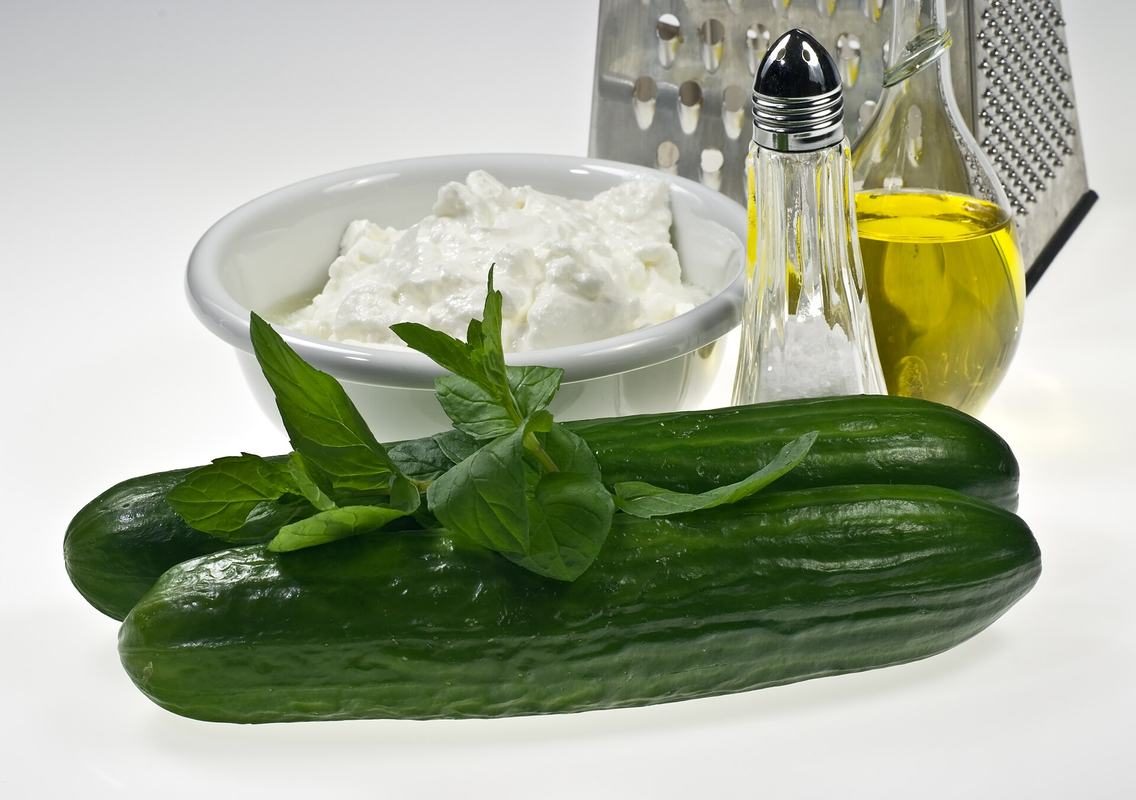
An Athens cooking class with a market visit lets you shop the bustling Central Market for ingredients, then cook classic Greek dishes like tzatziki, dolmades and spanakopita with a chef before sitting down to enjoy them with wine. Build a delicious hands-on experience into your trip alongside skip-the-line sightseeing tickets and tours from My Greece Tours.
Cooking like a Greek is one of the best experiences in the Athens travel guide. The sections below cover what a cooking class is, the market visit, the cooking, the dishes, the meal, who it suits and is it worth it, plus tips.
What is an Athens cooking class?
An Athens cooking class is a hands-on experience, often a few hours long, where a local chef teaches you to prepare traditional Greek dishes from scratch, frequently starting with a guided visit to the Central Market to buy fresh ingredients. You cook a full Greek meal yourself, learn techniques and culture, then sit down to enjoy your creations, usually with wine.
For food-loving visitors, an Athens cooking class is one of the most enjoyable and rewarding ways to connect with Greek culture, going beyond simply eating to actually learning how to create the country’s beloved dishes yourself. The typical class is a hands-on, social experience lasting a few hours, in which a friendly local chef or home cook guides a small group through preparing a selection of traditional Greek recipes from scratch in a well-equipped kitchen. Many of the best classes begin with a guided walk through the bustling Varvakios Central Market, the great food market of Athens, where you shop for the fresh ingredients you will cook with, learning about Greek produce along the way.
Back in the kitchen, this is no mere demonstration: you roll up your sleeves and actively cook, chopping, mixing, stuffing and stirring under the chef’s guidance, picking up authentic techniques and the secrets of Greek home cooking. The experience is as much about culture and conviviality as food, with the chef sharing stories and traditions. Best of all, the class ends with the great reward of sitting down together to enjoy the delicious meal you have made, usually accompanied by Greek wine. It is the tastiest souvenir of all. It builds on the flavours in the Greek dishes to try guide. Many classes begin at the market.
What is the market visit like?
Many Athens cooking classes start with a guided visit to the Varvakios Central Market on Athinas Street, where the chef leads you through the meat, fish and produce halls and the surrounding spice and deli shops. Over about 15 minutes you meet traders, see fresh herbs, cheeses, olives and vegetables, and learn how to choose the best ingredients for your dishes.
One of the most enjoyable parts of an Athens cooking class is the market visit that often precedes the cooking, immersing you in the authentic food culture of the city before you ever pick up a knife. Most classes that include this element head to the Varvakios Central Market on Athinas Street, the great covered central market of Athens and the beating heart of the city’s food trade, where Athenians have shopped for generations. Led by your chef, you take a shopping walk of around fifteen minutes through the lively market halls, weaving past the rows of butchers and the glistening displays of the fish market, and out into the surrounding streets lined with shops selling fragrant herbs and spices, olives, cheeses, dried fruits, nuts and Greek delicacies.
Along the way the chef introduces you to local traders, points out the seasonal produce and explains how to select the freshest, best-quality ingredients, sharing the kind of insider knowledge that turns good cooking into great cooking. The colour, noise, aromas and bustle of the market make this a feast for the senses and a genuine glimpse into everyday Athenian life. Carrying your fresh purchases back to the kitchen, you feel like a local cook. The market itself is unforgettable. The cooking is the main event. Then the real fun begins.
What is the cooking part like?
The cooking is hands-on, not a demonstration: the chef guides you step by step as you actively prepare each dish, with helpers often translating and explaining. You learn real Greek techniques and the secrets of traditional cooking in a relaxed, social atmosphere, working in a small group. It is accessible to all skill levels, even complete beginners, and great fun.
The heart of an Athens cooking class is, of course, the cooking itself, and what makes the best classes so satisfying is that they are genuinely hands-on rather than a passive demonstration. Back in the kitchen with your fresh market ingredients, you and the small group actively prepare each dish yourselves, with the chef demonstrating each step of the recipes and then guiding you as you chop the vegetables, mix the dips, roll the stuffed vine leaves, layer the pies and tend the pots, so you learn by doing. Helpful assistants or the chef often translate and explain as they go, making the class easy to follow even if Greek is not your language and ensuring everyone keeps up.
Through this process you pick up authentic Greek cooking techniques and the little secrets that distinguish real home cooking, from the right way to layer phyllo pastry to the balance of herbs and olive oil. The atmosphere is relaxed, friendly and sociable, with plenty of chatter, laughter and often a glass of wine as you cook together, making it a wonderful group or couples’ activity. Crucially, the classes are designed to be accessible to all skill levels, so complete beginners and confident cooks alike can take part and enjoy themselves. Learning to cook Greek food is a joy. The dishes you make are classics. The menu is full of favourites.
What dishes do you cook?
In an Athens cooking class you typically prepare classic Greek dishes such as tzatziki, Greek salad, dolmades (stuffed vine leaves), spanakopita (spinach and feta pie), and mains like moussaka, imam baildi (stuffed aubergines) or souvlaki, finishing with a dessert such as baklava or portokalopita (orange cake). The menu showcases the staples of authentic Greek home cooking.
The menu of an Athens cooking class is a delicious tour through the staples of traditional Greek home cooking, giving you a repertoire of dishes to recreate back home. You will almost certainly make tzatziki, the cool, garlicky yoghurt and cucumber dip, and a classic Greek salad of tomatoes, cucumber, onion, olives and feta, two cornerstones of the Greek table. A favourite hands-on dish is dolmades, tender vine leaves carefully wrapped around herb-infused rice, while the flaky spanakopita, spinach and feta encased in crisp phyllo pastry, teaches the art of working with filo. For mains, classes often tackle one of the great baked dishes such as moussaka, the layered aubergine and minced-meat casserole topped with béchamel, or vegetarian favourites like imam baildi, roasted aubergines stuffed with a rich tomato and onion filling, and sometimes souvlaki or other grilled meats.
To finish on a sweet note, you may prepare a dessert such as honey-soaked baklava or portokalopita, the moist Greek orange cake made with phyllo, oranges and cinnamon. The exact menu varies by class and season, but always centres on authentic, beloved Greek recipes. Mastering these classics is hugely satisfying. The best part comes at the end. The reward is the meal itself.
Do you eat the food, and who is it for?
Yes, the class ends with the best part: sitting down together to enjoy the full Greek meal you have cooked, usually with wine and soft drinks included, and often a recipe booklet to take home. Cooking classes suit food lovers, couples, families with older children, solo travellers and groups, offering a fun, social, hands-on experience and a memorable way to connect with Greek culture.
The crowning moment of any Athens cooking class is the meal at the end, when all your hard work pays off and the group sits down together to feast on the delicious Greek dishes you have prepared from scratch. This shared meal is relaxed and convivial, usually accompanied by Greek wine and soft drinks included in the price, and it transforms the class into a genuine dinner party, full of satisfaction, conversation and the pride of eating food you made yourself. Many classes also send you home with a printed booklet of all the recipes, so you can recreate the dishes long after your trip. As for who should take a cooking class, the experience suits a wide range of visitors: food lovers eager to dive deep into Greek cuisine, couples looking for a fun and romantic shared activity, families with older children, solo travellers wanting a sociable way to meet others, and groups of friends celebrating together.
Because the classes are hands-on, welcoming and accessible to all skill levels, almost anyone can take part and enjoy them. For a memorable, interactive and delicious way to connect with Greek culture, a cooking class is hard to beat. It suits the food-focused traveller especially. A few tips ensure a great class. Knowing what to expect helps.
Is it worth it, and what tips help?
An Athens cooking class is well worth it for food lovers, offering hands-on skills, market knowledge, a full meal with wine and a fun, cultural experience. Tips: book ahead, especially in peak season; come hungry; mention dietary needs in advance; choose a morning class to catch the market fresh; wear comfortable shoes for the market walk; and pick a class with a market visit for the fullest experience.
For most food-loving travellers, an Athens cooking class is genuinely worth the time and cost, delivering far more than a meal: you gain hands-on cooking skills, insider knowledge of Greek ingredients and the market, a generous full meal with wine, and a fun, sociable cultural experience that becomes a highlight of the trip and a story to tell. To get the most from it, a few tips help. Book your class in advance, as the best ones fill up quickly, especially in the busy spring-to-autumn season when classes are most active. Come genuinely hungry, since you will be eating a substantial meal at the end. When booking, mention any dietary restrictions or allergies, such as vegetarian, vegan or gluten needs, so the chef can adapt the menu.
If you want the market experience, choose a morning class, as these coincide with the market hours when it is freshest and liveliest, and wear comfortable shoes for the walk through the market and on its sometimes slippery floors. Finally, opting for a class that includes the Central Market visit gives the fullest and most rewarding experience, combining shopping, cooking and feasting. With these in mind, your cooking class will be a delight. The market food appears in the Athens food tour guide too. The questions below cover the points visitors ask most.
Frequently Asked Questions
What do you cook in an Athens cooking class?
In an Athens cooking class you typically prepare classic Greek dishes such as tzatziki, Greek salad, dolmades (stuffed vine leaves) and spanakopita (spinach and feta pie), along with a main like moussaka, imam baildi or souvlaki, and a dessert such as baklava or portokalopita orange cake. The menu showcases authentic Greek home cooking.
Are Athens cooking classes hands-on?
Yes, the best Athens cooking classes are fully hands-on rather than demonstrations: you actively prepare each dish yourself under the chef’s guidance, learning real Greek techniques. Many start with a guided visit to the Central Market to buy ingredients, and they are accessible to all skill levels, even complete beginners.
Is an Athens cooking class worth it?
Yes, an Athens cooking class is well worth it for food lovers, offering hands-on cooking skills, a Central Market visit, a full Greek meal with wine, and a fun, social, cultural experience. It suits couples, families, solo travellers and groups, and is a memorable, delicious way to connect with Greek cuisine and culture.