
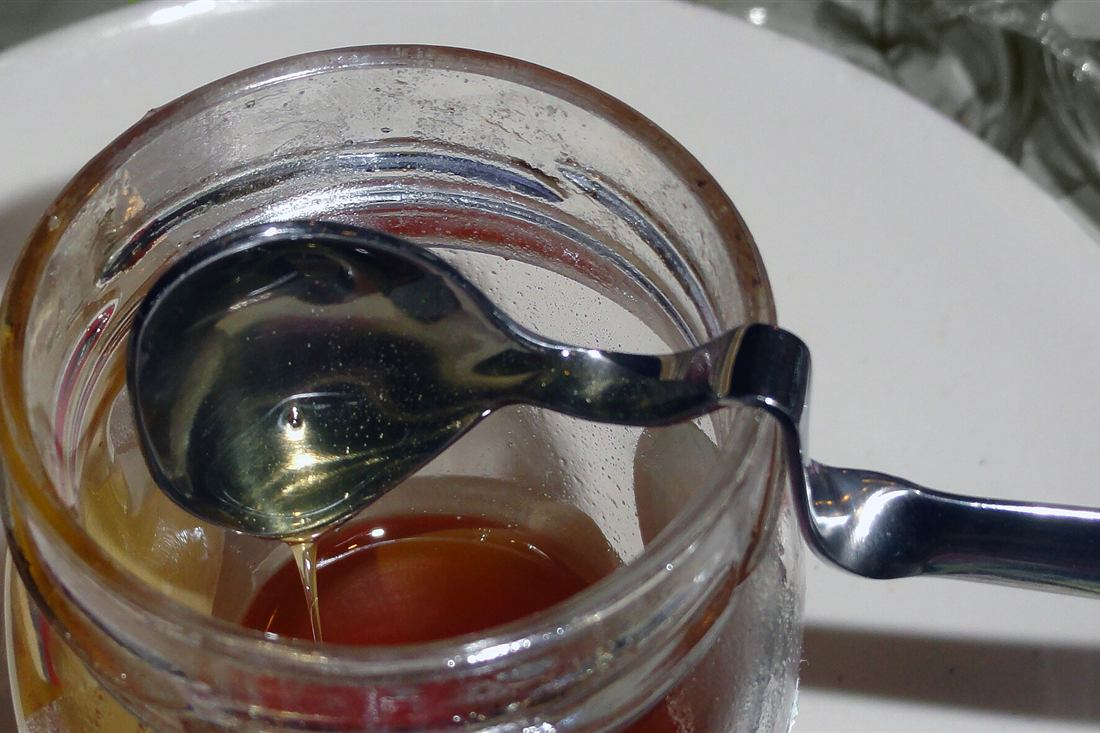
Athens Honey Tasting
An Athens honey tasting is a guided session in the Greek capital where a host serves Greek honeys side by side and explains how each one is made, smelled and tasted. Travellers planning a food day with Greece Tours book an Athens honey tasting to meet thyme, pine, fir and citrus honey in one sitting.
Five sessions are on sale, from a premium tasting to a sensory analysis workshop and combined olive oil, honey and wine experiences. Every Athens honey tasting runs indoors, so it fits a hot afternoon or a rainy morning between the Acropolis and the markets.
What is an Athens honey tasting?
An Athens honey tasting is a guided indoor session where a host serves a line of Greek honeys, explains their floral sources and teaches guests to judge colour, aroma, taste and texture, with yogurt, cheese, olive oil or wine added on some tours.
Greece keeps one of the highest numbers of beekeepers per head in Europe and more than a million hives, so honey is an everyday food here, not a souvenir. An Athens honey tasting turns that everyday food into a lesson. Guests taste from small spoons and compare Greek honeys from thyme, pine, fir, heather and citrus blossom, and learn why each one tastes the way it does.
Five tours are on sale. Athens: Premium Greek Honey Tasting and Athens: Honey Tasting and Sensory Analysis Workshop focus on honey alone. Athens: Premium Greek Honey Tasting with Yogurt & More adds food pairings. Athens: Olive Oil, Honey & Wine Tasting Experience and Olive Oil Tasting in Athens with Honey, Raki & Wine set honey beside other Greek staples. The exact honeys, venue and session length vary, so check the tour listing.
Which Greek honey types appear on the tasting table?
An Athens honey tasting draws on Greece’s main honeys: thyme, pine, fir, heather, chestnut, orange blossom, oak, cotton and sunflower honey. Each comes from a different plant and season, so each carries its own colour, sweetness and aroma.
Pine honey is a honeydew honey that bees collect from pine trees rather than flowers, and it makes up the largest share of Greek honey production. It is darker and less sweet than thyme honey and comes from Thassos, Evia, Halkidiki and Rhodes. Fir honey from Mount Mainalo in Arcadia, sold as vanilla fir honey, carries a Protected Designation of Origin. Both stay liquid for a long time, which sets them apart on an Athens honey tasting.
The floral honeys give the contrast. Orange blossom honey from the Argolida plain in the Peloponnese is light and floral. Heather honey comes from autumn Erica blooms and sets quickly into a creamy texture. Chestnut honey is dark with bitter notes, and cotton honey from northern Greece crystallises fast. Oak and sunflower honey complete the range sold in Greek delis, and an Athens honey tasting places some of these beside the classic thyme honey.
- Thyme honey – light amber, strong aroma, the classic Greek honey.
- Pine honey – dark honeydew honey, less sweet, slow to crystallise.
- Fir honey – vanilla fir honey from Mount Mainalo with PDO status.
- Orange blossom honey – light, floral honey from the Argolida citrus groves.
Why is Hymettus thyme honey famous in Attica?
Hymettus thyme honey comes from Mount Hymettus on the eastern edge of Athens, where wild thyme covers the slopes. Ancient writers praised it, and it remains the honey most closely tied to the city and to an Athens honey tasting.
Thyme honey is the classic Greek honey: light amber, clear when fresh and strongly aromatic, with a warm herbal finish. Attica’s thyme honey from Hymettus earned its name in antiquity, when ancient writers ranked it among the finest honeys of the Greek world. The Greek word for bee is melissa and the word for honey is meli, two words that appear on jar labels across the city.
The honey story goes back further than classical Athens. The gold bee pendant of Malia, a Minoan jewel from Crete now in the Heraklion Archaeological Museum, shows how early bees mattered in Greek culture, and the ancient Greeks used honey as their main sweetener. On an Athens honey tasting, thyme honey sits beside darker honeys so guests learn the aroma that made Attica famous.
How does a guided Athens honey tasting run step by step?
A guided Athens honey tasting follows the method professionals use in sensory analysis: look at the honey, smell it, taste it and judge its texture, moving from light, mild honeys to dark, strong ones and resetting the palate between spoons.
The first step is the eye. Guests hold each sample to the light and note its colour, from pale citrus honey to dark chestnut honey, and its clarity. The second step is the nose, where the host guides guests through the honey aroma wheel and its families: floral, fruity, woody and warm or caramel. Only then does the spoon reach the tongue. On an Athens honey tasting, this order trains guests to judge a honey before its sweetness takes over.
The third step is taste: sweetness, acidity, bitterness and the length of the aftertaste. The fourth is mouthfeel, from runny to creamy to grainy. Water or apple slices clear the palate between samples. Professionals back up the senses with melissopalynology, the pollen analysis that identifies a honey’s floral source under a microscope. The Athens: Honey Tasting and Sensory Analysis Workshop takes its name from this professional approach to judging honey.
What do combined olive oil, honey and wine tastings add?
Combined tours set honey beside olive oil, wine and raki, giving a broad taste of Greek staples in one sitting, while a stand-alone Athens honey tasting goes deeper into floral sources, crystallisation and food pairings.
Two tours take the combined route: Athens: Olive Oil, Honey & Wine Tasting Experience and Olive Oil Tasting in Athens with Honey, Raki & Wine. Olive oil tasting uses the same sensory logic as an Athens honey tasting, and guests learn to spot the grassy fruitiness and peppery bite of fresh extra virgin olive oil. Tasting the three side by side shows how one landscape marks them all: pine resin flavours retsina wine, and pine trees give Greece its pine honey.
The trade-off is depth against breadth. A dedicated honey session spends its whole length on honey, so guests compare more floral sources and learn crystallisation, pollen and pairing in detail. A combined tour covers three products in one session. Travellers with a strong interest in oil book a full olive oil tasting in Athens, and wine lovers add an Athens wine tasting on another evening.
Which foods are paired with Greek honey?
On an Athens honey tasting, Greek yogurt with honey and walnuts leads the pairings, followed by graviera or feta with thyme honey and sweets such as loukoumades, baklava and pasteli. The Yogurt & More tour adds food to the spoons.
Thick strained Greek yogurt is the everyday vehicle for honey in Greece. A spoon of thyme honey and walnuts over yogurt is breakfast and dessert at once, and on an Athens honey tasting the sour yogurt shows how a honey’s acidity and aroma change against dairy. Graviera, a hard Greek cheese, and salty feta do the same job with thyme honey, balancing salt against sweetness.
Honey sweets complete the Greek pairing list. Loukoumades are fried dough puffs soaked in honey, baklava layers filo and nuts under honey syrup, and pasteli and melekouni are sesame-and-honey bars. Rakomelo, raki warmed with honey and spices, is the Greek drink that ties honey to raki, the spirit named in one combined tour’s title. For a wider tour of these sweets, the Athens street food guide maps the classic stops.
- Thyme honey – pairs with graviera, feta and Greek yogurt.
- Pine honey – pairs with walnuts and aged cheese thanks to its lower sweetness.
- Chestnut honey – pairs with strong cheese, where its bitter notes balance salt.
- Orange blossom honey – pairs with fresh fruit and light yogurt desserts.
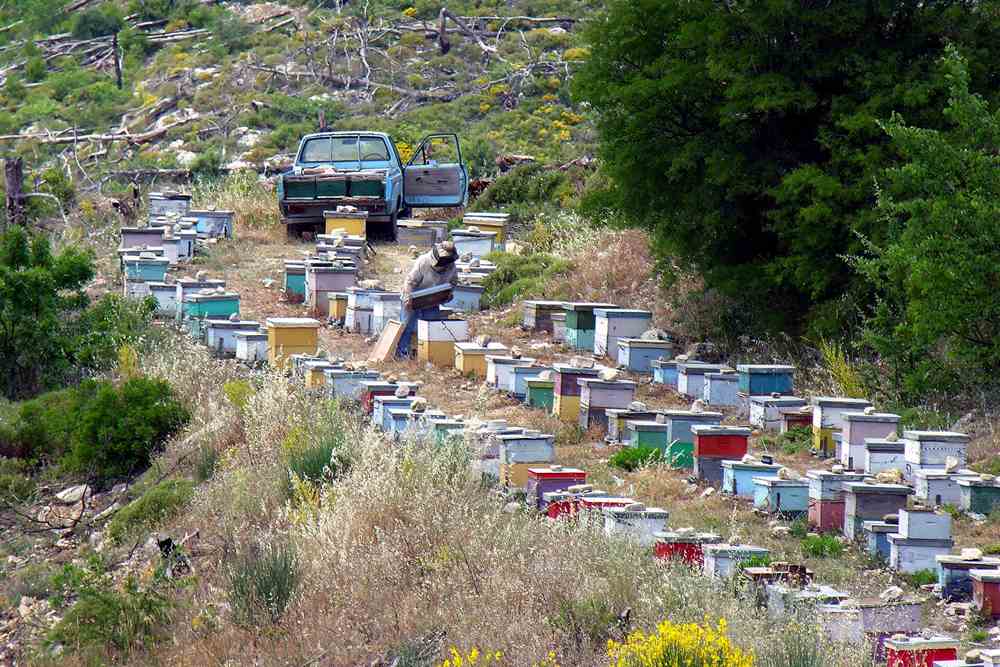
Is crystallised honey a defect, and what makes honey raw?
Crystallised honey is not a defect. Crystallisation is a natural process driven by the balance of glucose and fructose, and raw honey that has not been heated crystallises in its own time while keeping its full aroma.
Honey with more glucose than fructose crystallises fast, and honey with more fructose stays liquid longer. That is why heather, sunflower and cotton honey turn solid fast, while pine and fir honey stay runny in the jar for a long time. Guests on an Athens honey tasting learn to read a set honey as a sign of its floral source, not of age or added sugar.
Raw honey is extracted from the comb, strained and jarred without heating. Heat dulls the aroma and slows crystallisation, which is why supermarket blends stay clear for months. A jar of raw Greek honey that sets in the cupboard returns to liquid in a warm water bath, never in a microwave or on direct heat. Stirring set honey by hand gives a smooth, spreadable cream for bread or yogurt.
Who is an Athens honey tasting suited to?
An Athens honey tasting suits food lovers, families with children, travellers who want an indoor activity on a hot afternoon or rainy day, and anyone curious about Greek farming. It does not suit vegans or infants under 12 months.
The honey-only sessions are the family choice, since children taste the same spoons and learn how bees turn flower nectar and honeydew into honey. The combined tours pour wine and raki, so check the tour listing for age rules before booking with children. Every session runs indoors, which makes an Athens honey tasting a good fit for a July afternoon.
Dietary notes matter on an Athens honey tasting. Honey is an animal product, so vegans skip it, and honey is never given to infants under 12 months. Guests with a pollen allergy tell the host in advance, since raw honey carries traces of pollen. Guests with dairy or nut allergies check the pairings on the yogurt tour, which adds food beyond honey.
Where in Athens do honey tastings take place?
An Athens honey tasting takes place indoors, and the exact venue and meeting point differ by tour, so check the tour listing. Delis and honey shops cluster in Plaka, Monastiraki, Psyrri, Syntagma and Koukaki under the Acropolis.
Central Athens is compact, and its food shopping streets sit close together between Syntagma Square and the Acropolis. An Athens honey tasting in the centre lies within walking distance of the ancient sites, so it slots between a morning at the Acropolis and an evening meal. Metro lines 1, 2 and 3 serve Syntagma and Monastiraki, linking the centre with the port of Piraeus and the airport.
For honey beyond the tasting room, the Varvakios Central Market on Athinas Street and the shops around it sell honey, nuts, herbs and cheese to local cooks. The weekly neighbourhood street markets, the laiki, add producer stalls with jars straight from the hive. An Athens laiki farmers’ market visit shows where Athenians buy their fruit, herbs and honey each week.
- Plaka – old town lanes with deli and honey shops.
- Monastiraki – market streets beside the flea market.
- Psyrri – food streets north of Monastiraki Square.
- Syntagma – the central square facing Parliament.
- Koukaki – a quarter south of the Acropolis.
How do you buy Greek honey and carry it home?
Buy honey from a deli, a honey shop or a laiki stall, choose a jar that names the producer and floral source, and pack it in checked luggage, because honey counts as a liquid or gel under cabin baggage rules.
An Athens honey tasting trains the palate for the shop that follows, since guests now tell thyme from pine and heather from citrus. Delis in Plaka and Monastiraki, specialist honey shops and the producer stalls at the laiki all sell Greek honey in jars of different sizes. Buy the honeys that stood out at the tasting; a jar that has started to crystallise is no reason to pass it by.
Airport security treats honey as a liquid or gel, so jars over 100 ml bought after an Athens honey tasting do not go in hand luggage. Wrap each jar in clothing, seal it in a plastic bag and pack it in checked luggage. Travellers flying within the EU carry honey home freely in the hold, while travellers heading beyond Europe check their home country’s food import rules before the flight.
- Floral source – thyme, pine, fir, heather or citrus named on the label.
- Producer – a beekeeper or cooperative name with its home region.
- Origin seal – the PDO mark on Mainalo vanilla fir honey.
- Jar size – over 100 ml goes in checked luggage, never hand luggage.
When is the right time to book an Athens honey tasting?
Book an Athens honey tasting as soon as travel dates are fixed, above all from June to September, and place it in the hottest hours or on a rainy day, since the session runs indoors and leaves the cooler hours for outdoor sights.
Athens days split well around the heat. The Acropolis and the ancient Agora work best early, and a guided walking tour of Athens through Plaka fills the rest of the morning. An Athens honey tasting then takes the early afternoon, when the sun is strongest, and the evening goes to food: an Athens food tour or a Greek dinner in Psyrri.
Other food experiences complete the plan. A cooking class in Athens covers the dishes behind Greek home cooking, and a honey tasting earlier in the week sharpens the palate for it. The Athens travel hub gathers the city’s sights, tours and neighbourhoods, so an Athens honey tasting slots into a wider city break alongside the museums, markets and viewpoints.
Is an Athens honey tasting worth it?
Yes. An Athens honey tasting is worth booking for travellers who want to understand Greek food beyond the plate, because it teaches the honey types, the tasting method and the buying skills that turn a jar from a souvenir into an informed choice.
What guests gain from an Athens honey tasting is knowledge that stays after the session. They leave able to tell thyme honey from pine honey by colour and smell, to read crystallisation as a natural sign, and to pick a labelled jar at a deli or laiki stall. That skill carries over to olive oil and wine, which follow the same look, smell and taste logic.
Choose by interest. A honey-only session suits travellers who want depth, the Yogurt & More tasting suits those who want food on the spoon, and the two combined tours suit guests who want olive oil and wine, plus raki on one of them, in the same sitting. Each session runs indoors, fits a hot or rainy afternoon and links the landscapes of Greece with the jar on the table.
Frequently Asked Questions
Do I need to know about honey before an Athens honey tasting?
No. An Athens honey tasting starts from zero, with the host explaining each honey type, its floral source and the look, smell and taste method, so first-time guests and keen cooks follow the same session without any background knowledge.
What is honeydew honey?
Honeydew honey comes from sap secretions that insects leave on pine, fir and oak trees, which bees collect instead of flower nectar. It is darker, less sweet and richer in minerals than blossom honey, and pine honey is its Greek classic.
Why does Greek honey taste so strong?
Greek honey tastes strong because much of it is monofloral or wildflower honey from thyme and other wild mountain herbs, whose aromatic oils pass into the nectar. An Athens honey tasting shows that intensity against milder honeys such as orange blossom.
What does the PDO label on Greek honey mean?
PDO stands for Protected Designation of Origin, an EU label that ties a food to one defined area and its production method. Vanilla fir honey from Mount Mainalo in Arcadia carries it, so the name guarantees where the bees foraged.
Can I take honey from an Athens honey tasting home in hand luggage?
Only jars of 100 ml or less go in hand luggage, because honey counts as a liquid or gel under cabin baggage rules. Larger jars travel in checked luggage, wrapped in clothing and sealed in a plastic bag.