
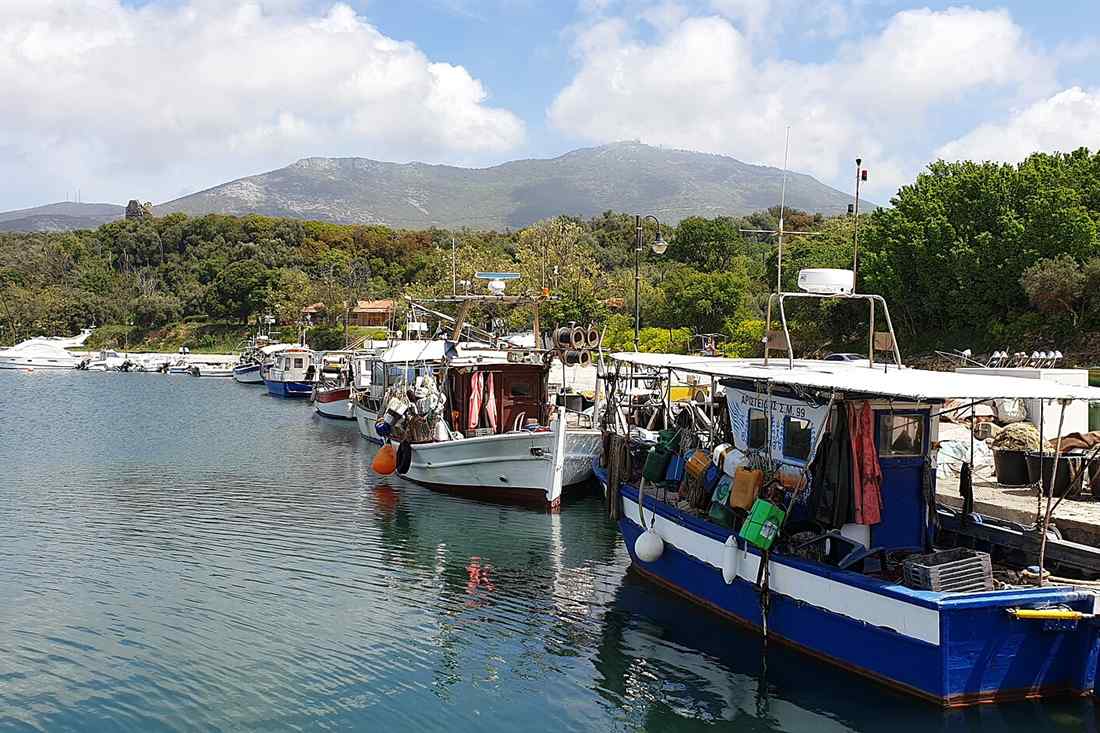
Rodopi tours cover the central unit of Thrace: the old bazaar and mosques of Komotini, ancient Maroneia below Mount Ismaros with the cave of the Cyclops, Lake Vistonida and its pelicans, the Pomak villages of the Rhodope and the beaches at Fanari. Plan the rest of the trip with Greece Tours.
What do Rodopi tours cover?
Rodopi tours cover Komotini with its old bazaar, mosques and Byzantine walls, ancient Maroneia on the coast below Mount Ismaros, the wetlands of Lake Vistonida and Ismarida, the Pomak villages of the Rhodope, and the beaches at Fanari and Imeros.
Rodopi is the central unit of Thrace, between Xanthi to the west and Evros to the east. Its capital, Komotini, keeps a large Muslim community alongside the Greek one, and its old market quarter of mosques, hamams and covered shops is one of the most distinctive town centres in northern Greece.
- Komotini – the bazaar, the Yeni mosque and the Byzantine fortress walls.
- Maroneia – the ancient city, the theatre and the cave of the Cyclops.
- Lake Vistonida – the lagoon shared with Xanthi, with pelicans and flamingos.
- Fanari – the long sand beach and fishing harbour south of Komotini.
- Pomak villages – the mountain settlements north of the town.
- Mount Ismaros – the ridge above Maroneia, with its wine of Homeric fame.
Our Thrace tours page covers the wider region and the Xanthi tours page the unit to the west. Rodopi tours work as a day from Xanthi or Alexandroupoli, or two days from Komotini.
What do Rodopi tours see at Maroneia?
Rodopi tours at Maroneia see the ancient city on the slope of Ismaros with its theatre, sanctuary of Dionysus and walls, the harbour of Agios Charalambos below it, and the cave where local tradition places Odysseus blinding the Cyclops after giving him Maronean wine.
Homer made Maroneia famous. In the Odyssey the priest Maron gives Odysseus the strong dark wine of Ismaros that later puts the Cyclops to sleep, and the city grew rich on that wine through antiquity; the vineyards on the mountain slopes still make it.
- Ancient theatre – the Hellenistic theatre on the slope above the sea.
- Sanctuary of Dionysus – the temple of the wine god, fitting for the city.
- Cyclops cave – the cave on Ismaros tied to the Odyssey story.
- Agios Charalambos harbour – the ancient port and today’s fishing quay.
- Maroneia village – the stone houses and the old mansions above the site.
- Ismaros wine – the vineyards that carry the Homeric name.
The site lies 30 km south-east of Komotini. Rodopi tours pair it with a swim at the harbour and a meal on the quay.
How do visitors reach Rodopi, and when do the tours run?
Visitors reach Komotini by the Egnatia motorway, 50 km from Xanthi and 65 km from Alexandroupoli, and by train on the Thessaloniki to Alexandroupoli line. The tours run all year, with spring and autumn best for the lakes and the sites.
Alexandroupoli airport is the nearest, 65 km east, with flights from Athens. Summer suits the beaches at Fanari and Imeros; the wetlands carry the most birds from autumn to spring.
- Xanthi to Komotini – 50 km, about 40 minutes.
- Alexandroupoli to Komotini – 65 km, about 50 minutes.
- Komotini to Maroneia – 30 km, about 35 minutes.
- Komotini to Fanari – 30 km, about 30 minutes.
- Where to stay – Komotini for the town, Fanari or Maroneia for the coast.
The Komotini bazaar is busiest on the Tuesday market. Rodopi tours plan the town for that morning and the coast for the afternoon.
What do Rodopi tours see in Komotini and the Pomak villages?
Rodopi tours in Komotini see the old bazaar, the Yeni mosque, the Byzantine fortress walls and the archaeological museum, then drive north into the Rhodope to the Pomak villages of Organi and Kechros and the Byzantine castle of Nymfaia above the town.
Komotini is the capital of the region of East Macedonia and Thrace and a university town, home to the Democritus University of Thrace. Its archaeological museum holds the finds of Maroneia and the other ancient cities of the coast. North of the town the road climbs through oak and beech forest to the Pomak villages, where the Muslim mountain people keep their own dialect, dress and tobacco terraces.
Rodopi tours spend a morning in the bazaar and an afternoon in the mountains, back in Komotini for dinner.
What do Rodopi tours see in the old town of Komotini?
Rodopi tours in the old town of Komotini see the covered bazaar lanes, the Yeni mosque and its clock tower, the Imaret of Gazi Evrenos, the Byzantine fortress walls from the 4th century, and the coffee houses where Greek, Turkish and Pomak are all spoken on the same street.
The old town is small and flat, and a walk through it takes two hours at an easy pace. The bazaar lanes run between the central square and the fortress, lined with coppersmiths, spice sellers, tailors and sweet shops, and the call to prayer from the mosques mixes with the church bells of the Greek quarter.
The Byzantine walls enclose a square of the old centre. The emperor Theodosius built the first fort here in the 4th century to guard the Via Egnatia, and later Byzantine rulers rebuilt it; houses and shops now lean against the stones. The Imaret, founded by the Ottoman commander Gazi Evrenos in the 14th century, served as a charity kitchen and hostel and has been restored as a cultural space.
- Covered bazaar – the lanes of craftsmen, spice sellers and sweet shops.
- Yeni mosque – the 16th-century mosque with the clock tower beside it.
- Imaret of Gazi Evrenos – the 14th-century Ottoman charity kitchen and hostel.
- Byzantine fortress – the 4th-century walls around the old centre.
- Coffee houses – the meeting places of the town’s three communities.
- Tuesday market – the weekly bazaar that fills the old streets.
Rodopi tours start in the old town at the market hour and end at the fortress walls for the evening walk.
What do Rodopi tours see in the Komotini museums?
Rodopi tours in the Komotini museums see the archaeological museum, with the gold bust of the emperor Septimius Severus and the finds of Maroneia and the Thracian coast, and the folk and history museum in a 19th-century mansion, with the costumes, crafts and textiles of the town.
The archaeological museum holds the finds of Rodopi and the neighbouring units from the Neolithic to the Byzantine period. The star piece is the gold bust of Septimius Severus, found at Plotinopolis near Didymoteicho, one of the few gold portraits of a Roman emperor to survive.
The folk and history museum keeps the daily life of Komotini before the modern town: embroidered dresses, silver jewellery, copper cookware, looms and the furnishings of a merchant house. Together the two museums fill a morning and give the context for the sites on the coast.
- Gold bust of Septimius Severus – the Roman imperial portrait from Plotinopolis.
- Maroneia finds – sculpture, coins and inscriptions from the ancient city.
- Thracian coast finds – the grave goods of the coastal cities.
- Neolithic to Byzantine – the full span of the region’s past.
- Folk costumes – the embroidered dresses and silver jewellery of the town.
- Merchant house – the rooms and crafts of the old Komotini home.
Both museums sit within walking distance of the central square. Rodopi tours visit them before the drive to Maroneia.
What do Rodopi tours see at Lake Vistonida and Lake Ismarida?
Rodopi tours at the lakes see Lake Vistonida, the brackish lagoon shared with Xanthi, and Lake Ismarida near the village of Mitriko, both inside the national park of Eastern Macedonia and Thrace, with Dalmatian pelicans, flamingos, herons and pygmy cormorants on the water.
The wetlands between Vistonida and the sea form one of the richest bird areas in Greece. Lagoons, reed beds, salt marsh and freshwater lakes lie side by side, and each holds its own birds: pelicans and cormorants on the open water, flamingos on the shallow lagoons, herons and egrets in the reeds, and birds of prey over the fields.
Lake Ismarida is the freshwater lake of the group, fed by the Vosvozis river and ringed with reeds. Its banks carry a road and observation points, and the lake is quieter than Vistonida, with fewer visitors and close views of the water birds. The birds follow the seasons: pelicans and flamingos gather in winter, herons and egrets nest in the reeds in spring, and waders pass through on migration in April and September.
- Lake Vistonida – the brackish lagoon on the border with Xanthi.
- Lake Ismarida – the freshwater lake near Mitriko, fed by the Vosvozis.
- Coastal lagoons – the shallow waters between the lakes and the sea.
- Dalmatian pelicans – the large pelicans of the open water.
- Flamingos – the pink flocks of the shallow lagoons.
- National park – the protected wetlands of Eastern Macedonia and Thrace.
Porto Lagos and the monastery of Agios Nikolaos stand on the Xanthi side of the lagoon. Rodopi tours visit the lakes in the early morning or the late afternoon, when the birds feed.
Which beaches do Rodopi tours visit?
Rodopi tours visit the long sand beach of Fanari with its fishing harbour and lighthouse point, the beaches of Arogi and Imeros along the lagoon coast, the coves of Maroneia and Agios Charalambos below Mount Ismaros, and the beach at Mesi on the Thracian Sea.
Fanari is the summer resort of Komotini, a village of tavernas and rooms behind a wide beach of fine sand with shallow water. Families from the town fill it at the weekend, and the harbour supplies the fish tavernas along the front. The village takes its name from the lighthouse on the point beside the harbour, and the boats come in at dawn with the catch the tavernas grill at lunch.
East of Fanari the coast changes. The beaches below Ismaros are smaller and set between rocks and pine, with clear water and fewer people. The lagoon beaches around Fanari are wild, open strips of sand between the sea and the wetlands.
- Fanari – the long sand beach and fishing harbour south of Komotini.
- Arogi – the open sand strip beside the lagoons.
- Imeros – the wild beach on the coastal wetlands.
- Mesi – the beach and village on the Thracian Sea.
- Agios Charalambos – the harbour cove below ancient Maroneia.
- Ismaros coves – the small beaches between rocks and pine.
The coast continues east into Evros toward Alexandroupoli. Rodopi tours plan the beaches from June to September, when the sea is warm.
What do Rodopi tours see in the Pomak villages of the Rhodope?
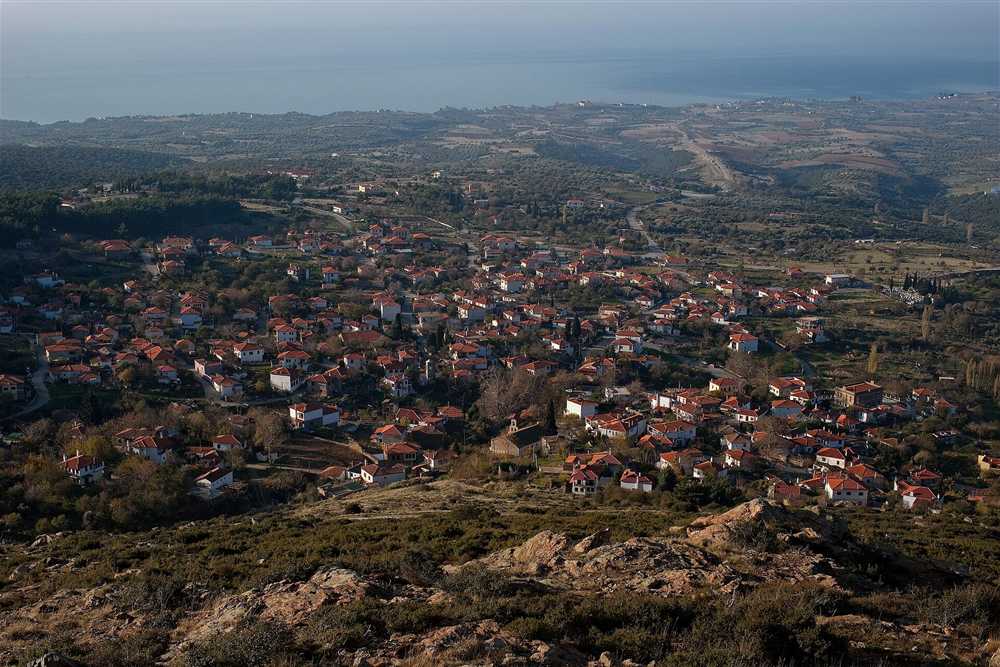
Rodopi tours in the Pomak villages see the Muslim mountain settlements north of Komotini, with stone and slate houses, hilltop mosques, tobacco terraces and a Slavic dialect of their own, reached by road through the oak and beech forests of Nymfaia toward the Bulgarian border.
The Pomaks are Muslim highlanders of the Rhodope range, living on both sides of the Greek and Bulgarian border. Their villages in Rodopi cluster in the mountains of the Arriana municipality, and Organi and Kechros are the largest. Tobacco was the crop that fed the villages for generations, grown on narrow terraces and dried on racks beside the houses.
The road north from Komotini passes the forest of Nymfaia and the Byzantine castle on its hill, then climbs toward the Nymfaia–Makaza border crossing into Bulgaria. The villages keep a slower pace, with coffee houses on the square and women in traditional headscarves working the fields.
- Organi – one of the largest Pomak villages of Rodopi.
- Kechros – the mountain village near the border.
- Nymfaia castle – the Byzantine fort above the forest north of Komotini.
- Tobacco terraces – the narrow fields of the traditional crop.
- Pomak dialect – the Slavic speech of the mountain villages.
- Nymfaia–Makaza crossing – the road border into Bulgaria.
The villages lie 20 to 50 km north of Komotini on winding roads. Rodopi tours respect local customs, dress modestly and ask before taking photographs of people.
What Byzantine sites do Rodopi tours see on Mount Papikio?
Rodopi tours on Mount Papikio see the ruins of the Byzantine monastic centre that flourished on the mountain north of Komotini in the 11th and 12th centuries, with the remains of monasteries, churches and chapels scattered through the forest, and the ruins of Mosynopolis on the plain below.
Papikio was one of the great monastic mountains of Byzantine Thrace, a community of monasteries and hermitages that drew monks and pilgrims from across the empire. Excavations have uncovered church foundations, walls and floors, and the paths between them run through oak forest with views south over the Komotini plain.
Mosynopolis, the Byzantine city on the plain, was the bishop’s seat of the area before Komotini grew. Its ruins lie west of the modern town and include walls and the foundations of a large church. Together the two sites show the Byzantine layer of Rodopi that sits beneath the Ottoman town.
- Papikio monasteries – the ruins of the Byzantine monastic centre.
- Church foundations – the excavated floors and walls on the mountain.
- Forest paths – the oak woods between the monastery sites.
- Mosynopolis – the Byzantine city on the plain west of Komotini.
- Plain views – the Komotini plain seen from the mountain.
- Byzantine layer – the history beneath the Ottoman town.
Papikio needs a car and good shoes, and the forest roads are rough after rain. Rodopi tours pair it with Nymfaia on the same morning.
What do Rodopi tours eat and drink?
Rodopi tours eat the Thracian kitchen of Greek and Ottoman roots: grilled lamb and kebabs, cured pastirma and sucuk, pies with leeks and cheese, fish and mussels from Fanari, eels from the lagoons, and the syrup sweets of the Komotini bazaar, with wine from the slopes of Ismaros.
The Komotini sweet shops are a reason to visit on their own. They make baklava, kataifi, kazandibi and the milk puddings of the Ottoman kitchen, and the bazaar coffee houses serve them with Greek coffee brewed in the copper briki.
The coast adds its own dishes. The fish tavernas of Fanari and Maroneia grill the catch of the morning, and the lagoons supply eels and grey mullet. On Ismaros the vineyards still make the dark wine that Homer named.
- Grilled meats – lamb, kebabs and the grills of the town.
- Cured meats – pastirma and sucuk from the Thracian butchers.
- Leek and cheese pies – the pies of the Thracian home kitchen.
- Lagoon fish – eels and grey mullet from Vistonida.
- Bazaar sweets – baklava, kataifi and kazandibi.
- Ismaros wine – the red wine of the Maroneia slopes.
Rodopi tours eat in the bazaar at midday and on the coast in the evening.
How do Rodopi tours plan two or three days?
Rodopi tours plan the first day for the Komotini old town, the bazaar and the museums, the second for Maroneia, the Ismaros coves and Fanari beach, and the third for the Pomak villages, Nymfaia and Mount Papikio, with the lakes at dawn or dusk.
Komotini is the natural base: it has the hotels, the restaurants and the roads that reach every part of the unit within an hour. The coast suits a summer stay at Fanari or Maroneia instead, with the town as a day trip.
The plan shifts with the season. Summer puts the beaches first and the mountains in the cool of the morning. Spring and autumn suit the lakes, the monasteries and the village roads. Winter keeps the town and the museums at the centre, with the birds on the lakes at their peak.
- Day one – Komotini old town, the bazaar, the Imaret and the museums.
- Day two – Maroneia, the Ismaros coves and Fanari beach.
- Day three – the Pomak villages, Nymfaia and Mount Papikio.
- Lakes – Vistonida and Ismarida at dawn or dusk.
- Summer base – Fanari or Maroneia on the coast.
- Onward routes – Xanthi to the west, Alexandroupoli to the east.
Komotini lies 281 km east of Thessaloniki on the Egnatia motorway, and flights from Athens land at Alexandroupoli, 65 km east. Rodopi tours join the Xanthi and Evros units for a full week in Thrace, with Komotini at the centre of the route.
Which day trips run from Rodopi?
Day trips from Rodopi run west to the old town of Xanthi and ancient Abdera, east to Alexandroupoli, the Evros delta and the Dadia forest with its black vultures, and further west to Kavala, all on the Egnatia motorway from a Komotini base.
Xanthi lies 50 km west, and its old town of tobacco mansions on the hill above the river is the closest day out. Abdera, the ancient city of the philosopher Democritus, sits on the coast south of Xanthi with its own museum, and the two fill a full day together.
East of Rodopi, Alexandroupoli is 65 km away, with its lighthouse on the waterfront and the Evros delta beyond it, one of the largest wetlands in Europe. The Dadia forest, further north in Evros, holds the feeding station and hides for the black and griffon vultures, and needs a long day from Komotini.
- Xanthi old town – the tobacco mansions on the hill, 50 km west.
- Ancient Abdera – the city of Democritus on the coast south of Xanthi.
- Alexandroupoli – the lighthouse and waterfront, 65 km east.
- Evros delta – the river wetlands on the Turkish border.
- Dadia forest – the vulture hides in the pine and oak woods of Evros.
- Kavala – the port city with the aqueduct and the old town on the headland.
Kavala lies 110 km west, beyond Xanthi, with the Ottoman aqueduct, the Imaret on the headland of the old town and the castle above the harbour. Rodopi tours take one day trip in each direction and keep Komotini as the base, since the Egnatia motorway puts every stop within two hours.
Frequently Asked Questions
Where is Rodopi?
In central Thrace, between Xanthi and Evros, with Komotini as its capital and the Thracian Sea to the south.
What is at Maroneia?
The ancient city on Mount Ismaros with a theatre and a sanctuary of Dionysus, famous in the Odyssey for the wine that put the Cyclops to sleep.
When is the best time for Rodopi tours?
Spring and autumn for the sites and the lakes, summer for Fanari beach, and a Tuesday for the Komotini market.