
A Chania olive oil tour is a three to six hour visit to a working mill or estate on the Chania plain with a guided tasting of three to six oils, paired on many products with a cooking class or a winery, priced from 45 euros a head. Plan the rest of the trip with Greece Tours.
This page covers the day: what it costs, which mills the tours visit, what Cretan oil is, how the tasting works, the Vouves tree, how the oil is made, the labels, the harvest and how to book.
What does a Chania olive oil tour cost?
From 45 to 80 euros a head for a half day at a mill with a tasting, 80 to 130 with a cooking class or a farm lunch, 25 to 40 for a mill visit without transport, and 300 to 600 for a private tour for four.
The half-day price covers the transfer, the guide, the mill visit and the tasting flight. A chania olive oil tour operator states this at booking and prints it on the ticket.
Products that add a cooking class run four to five hours and replace lunch. A chania olive oil tour carries the lunch and the jackets for it.
Turning up at a mill under your own steam costs a fraction of that and buys no commentary. Guests on a chania olive oil tour meet it within the first hour.
Children go half price on most tours and free under six.
Oil is sold at the mills at producer prices and the tours carry no obligation to buy.
Which mills and estates do the tours visit?
Terra Creta at Kolymvari, Biolea at Astrikas with its stone mill, the Manousakis estate at Vatolakkos for oil and wine together, Melissakis near Chania, and the small family mills of the Kissamos plain.
Terra Creta runs the largest visitor operation, with a bottling line, a museum and a tasting room. Every chania olive oil tour is planned around it before the session starts.
Biolea presses on granite stones and separates by decantation rather than centrifuge, which is rare. The chania olive oil tour season turns on this more than on the calendar.
Manousakis grows Syrah and Roussanne alongside the olives, so the tasting covers both. That is the chania olive oil tour difference against a hire car day.
The village mills open by arrangement and the tour operators hold the relationships.
Harvest visits from November to January show the presses running rather than standing still.
What is Cretan olive oil?
Extra virgin oil pressed from Koroneiki olives, the small variety that dominates the island, with low acidity, high polyphenols and a peppery finish. Chania’s oil carries a protected designation of origin.
Koroneiki trees cover the Chania plain and the terraces up to 600 metres. A chania olive oil tour is sold on that, and the listing says so plainly.
Acidity below 0.8 percent defines extra virgin and the best Chania oils come in under 0.3. A chania olive oil tour operator states this at booking and prints it on the ticket.
Polyphenol counts are what the producers lead on now, since they carry the health claim. A chania olive oil tour carries the lunch and the jackets for it.
The peppery catch at the back of the throat is oleocanthal and it marks a fresh, early harvest oil.
Crete produces around 100,000 tonnes a year and exports most of it in bulk.
What happens at a tasting?
Three to six oils poured in blue glasses, warmed in the hand, sniffed, sipped and drawn across the palate with air. The guide names the defects as well as the qualities, which is what separates a tasting from a sale.
Blue glass hides the colour, because colour says nothing about quality and misleads every beginner. This is what a chania olive oil tour delivers across the Chania plain.
The slurp draws air through the oil and releases the volatile compounds. Every chania olive oil tour is planned around it before the session starts.
Bitterness and pungency are positive attributes rather than faults, which surprises most visitors. The chania olive oil tour season turns on this more than on the calendar.
Rancid, fusty and winey are the three defects a taster learns to name first.
Bread, tomato and rusk come out after the flight rather than during it.
What is the olive tree of Vouves?
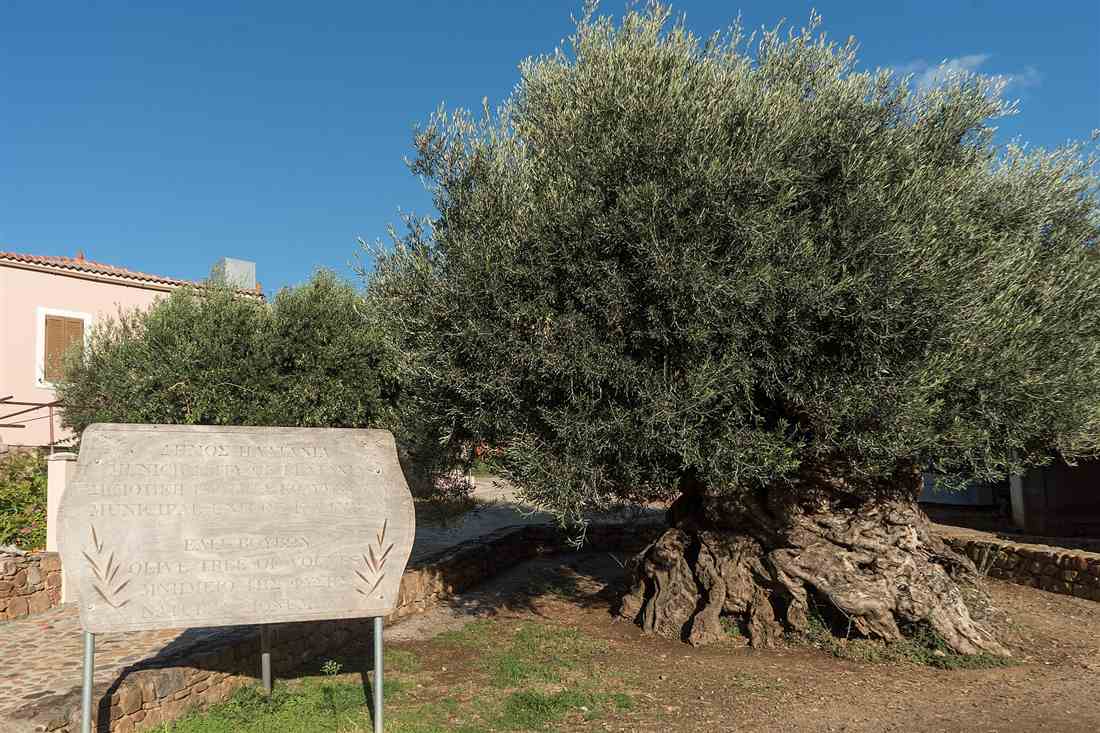
A monumental olive tree at Ano Vouves, 20 kilometres west of Chania, with a trunk 12 metres around, estimated at two to three thousand years old and still producing fruit. A small museum sits beside it.
Tree-ring dating on the trunk is impossible because the heartwood has gone, so the age is estimated from the girth. The chania olive oil tour fleet is prepared for it through the season.
Wreaths from its branches were made for Olympic marathon winners in 2004 and 2008. A chania olive oil tour is sold on that, and the listing says so plainly.
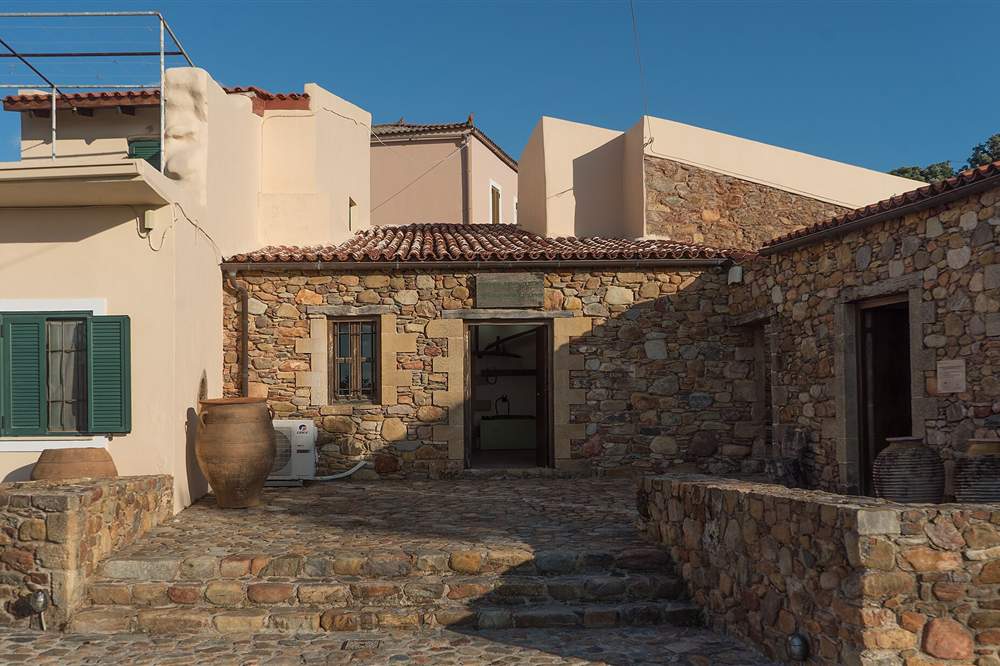
The museum covers the tools and the history of the harvest in two rooms. A chania olive oil tour operator states this at booking and prints it on the ticket.
Entry is free and a donation is expected, and the visit takes 30 minutes.
A few tours pair it with a mill and a bakery in the same morning.
What else is on the route?
A village bakery for rusks and cheese pies, a winery at Vatolakkos or Manousakis, a honey producer, a cheese maker for graviera and mizithra, and a taverna lunch of Cretan dishes cooked with the day’s oil.
Chania’s rusks are twice-baked barley bread and they are the base of dakos. A chania olive oil tour starts with this settled on the waterfront.
Graviera from the White Mountains is aged five months and is the island’s best-known cheese. This is what a chania olive oil tour delivers across the Chania plain.
Thyme honey from the Akrotiri and the Apokoronas hills is sold at the same stops. Every chania olive oil tour is planned around it before the session starts.
Raki finishes every visit whether or not it was asked for.
The wine side of the same day sits at Chania wineries.
When is the harvest?
November to January, with the early harvest in the first fortnight of November producing the greenest and most peppery oil. Mills run day and night through those weeks and visitors can watch the presses working.
Fruit picked green gives a lower yield and a higher polyphenol count, which is why early oil costs more. The chania olive oil tour route is set by it rather than by the clock.
Nets are laid under the trees and the fruit is combed down by hand and by machine. The chania olive oil tour fleet is prepared for it through the season.
Pressing happens within hours of picking on the estates that sell on quality. A chania olive oil tour is sold on that, and the listing says so plainly.
Harvest tours run from November and the summer tours show the mill idle.
The new oil is tasted straight from the tank in December and it is a different thing from a bottle in June.
How do you book a Chania olive oil tour?
Book a day or two ahead from June to September and on the day itself in the shoulder months. Groups cap at eight to sixteen, and the cooking-class versions fill first because the kitchens are small.
Hotel pickup from Chania, Platanias, Agia Marina and Kissamos is included on most products. Crews brief it on deck before a chania olive oil tour leaves the quay.
Private tours quote by the party and set their own timing. A chania olive oil tour starts with this settled on the waterfront.
Free cancellation up to 24 hours ahead is standard on the platform listings.
Mills close on Sundays outside the harvest, which the operators work around.
The island’s wider tasting picture sits at Crete olive oil tasting.
How is the oil actually made?
Fruit is washed and de-leafed, crushed to a paste with the stones in, malaxed for 20 to 40 minutes to let the droplets coalesce, then separated by centrifuge or by decantation, with nothing added and no heat above 27 degrees.
Cold extraction is the legal term for keeping the paste below 27 degrees, and it protects the aromatics. It decides which chania olive oil tour format fits the party.
Malaxation time is the variable the miller controls: longer gives more oil and less character. The chania olive oil tour route is set by it rather than by the clock.
Modern mills use a three-phase or two-phase decanter and the two-phase wastes less water.
Stone mills like the one at Astrikas crush more slowly and the producers argue it changes the result.
The pomace left behind goes to a secondary plant for lamp oil and fuel.
Watching the line run takes twenty minutes and explains the price difference between a bulk oil and an estate one.
What do the labels mean?
Extra virgin means mechanical extraction and acidity under 0.8 percent. PDO Chania is a protected origin covering the prefecture. Organic means certified cultivation. Early harvest means fruit picked green in the first weeks.
Acidity is printed on the better labels and anything under 0.3 is a serious oil. The chania olive oil tour price reflects it, stop by stop.
The harvest date matters more than the best-before, since oil is at its best in the first year. Crews brief it on deck before a chania olive oil tour leaves the quay.
Polyphenol counts above 250 milligrams a kilo carry the EU health claim and the good producers print them.
Dark glass and tins both protect from light, and clear bottles on a sunny shelf do not.
Blends of Cretan and non-Cretan oil are legal and are labelled accordingly if you read the small print.
Guides on these tours teach the label reading, which is the part that lasts beyond the holiday.
What do you taste it with?
Barley rusk, ripe tomato, sea salt and oregano for dakos, plain bread for the flight itself, boiled wild greens dressed at the table, and a spoonful of oil over fresh mizithra cheese.
Dakos is the Cretan dish that exists to show oil off and it appears on every tour. A chania olive oil tour fills first on that count in August.
Horta, the boiled wild greens, are dressed with oil and lemon and eaten warm or cold. It decides which chania olive oil tour format fits the party.
Mizithra with honey and oil is the sweet end of the same tasting.
Snails, beans and slow-cooked greens all lean on the oil rather than on butter.
Cretans consume around 25 litres a head a year, which is the highest rate anywhere.
The diet studies of the 1960s that made the Mediterranean diet famous were run on this island.
Can you buy oil to take home?
Yes, at producer prices of 8 to 20 euros a litre depending on the estate and the harvest. Tins of three and five litres are the practical format and airlines allow them in checked baggage.
Liquids over 100 millilitres cannot go in hand luggage, which catches people out at the gate. The chania olive oil tour timetable is shaped by it more than by demand.
Mills pack tins in cardboard for transport and the seams hold if the tin is upright. The chania olive oil tour price reflects it, stop by stop.
Shipping is offered by the larger estates at 15 to 40 euros a case within Europe.
Supermarket oil on the island costs half the estate price and is a different product.
Buying at the mill also buys the harvest date, which a supermarket shelf rarely gives.
Nothing on the tour obliges a purchase and the guides say so at the start.
How long does the tour take?
Three to four hours for a mill and a tasting with transfers, five to six with a cooking class or a farm lunch, and a full day when a winery and the Vouves tree are added.
Pickup runs between 08:30 and 10:00 and the return is by early afternoon on the short version. Guests on a chania olive oil tour meet it within the first hour.
Driving time from Chania to the Kolymvari and Kissamos mills is 25 to 40 minutes each way. A chania olive oil tour fills first on that count in August.
The mill visit itself takes 45 minutes and the tasting another 45.
Cooking classes run two hours and the meal is what the group has made.
Group sizes cap at eight to sixteen on the shared departures.
Private tours set their own pace and reach two estates in the time a group reaches one.
Who is this tour for?
Anyone who cooks, anyone interested in how a protected designation works in practice, families with older children, and visitors on a rainy day when the beaches and the gorge are out.
The mills are indoors and the tastings are under cover, so weather is not a factor. That is the chania olive oil tour difference against a hire car day.
Children handle the mill and the tasting better than a long archaeological site. The chania olive oil tour timetable is shaped by it more than by demand.
Wheelchair access is good at the larger estates and poor at the village mills.
Vegetarians and vegans eat everything on the table here without adjustment.
Anyone who finishes the day able to name a rancid oil has had value for money.
The cooking-class version is the one to take with a group that wants a meal rather than a lecture.
Frequently Asked Questions
What does a Chania olive oil tour cost?
From 45 to 80 euros a head for a half day at a mill with a tasting, 80 to 130 with a cooking class or a farm lunch, 25 to 40 for a mill visit without transport, and 300 to 600 for a private tour for four.
When is the harvest?
November to January, with the early harvest in the first fortnight of November giving the greenest and most peppery oil. Mills run day and night through those weeks and visitors watch the presses working.
Can you buy oil to take home?
Yes, at producer prices of 8 to 20 euros a litre. Tins of three and five litres are the practical format and travel in checked baggage, since liquids over 100 millilitres cannot go in the cabin.