
Chania scuba diving is diving off western Crete from dive centres in and around Chania, over walls, reefs and the underwater caves and caverns the coast is known for, with PADI and SSI programmes for beginners and certified divers alike. Plan the whole trip with Greece Tours.
This guide covers Chania scuba diving in full: what a session includes, the Discover Scuba programme for beginners, guided two-dive days for certified divers, the dive sites from Souda bay and the Akrotiri peninsula to Almyrida, Kolymbari and Rodopos, the caverns and what you see underwater, the courses, the season, what it costs, and how to book.
What Is Chania Scuba Diving and What Does a Session Include?
Chania scuba diving is a guided underwater experience run from dive centres along the western Crete coastline, combining a safety briefing, equipment fitting, shallow-water skills practice and a supervised open-water dive led by a certified instructor from a boat or a shore entry point near the city.
For certified divers, Chania scuba diving opens the caverns western Crete is known for. Chania scuba diving is booked ahead for a fixed, agreed price per person. A standard session starts on land with a short theory briefing: hand signals, buoyancy basics, the dive plan for the site chosen that day, and a rundown of the marine life and terrain divers meet underwater. Staff fit each diver with a wetsuit, mask, fins, buoyancy control device, regulator and tank sized to body weight and experience.
The dive sites for Chania scuba diving reach Souda bay and the Akrotiri peninsula. Instructors then walk new divers through breathing and clearing skills in water shallow enough to stand in, close to the boat or the beach, before the group moves to depth together. Certified divers with logged dives skip the skills stage and move straight to the briefing and the dive itself.
Every Chania scuba diving session starts at the centre with theory and kit. Entry points along the Chania coastline split between boat dives, which reach reef and cavern sites further from shore, and shore dives launched directly from rocky coves on the Akrotiri peninsula and the Apokoronas coast. Both formats end with a debrief covering what was seen and logged dive time for certified divers’ logbooks.
Families take Chania scuba diving for the guided shallow dives on the west coast. Groups stay small by design, an instructor paired with two or three divers, so pacing underwater matches individual comfort and air consumption rather than a fixed schedule. This is the format that makes scuba diving in Crete accessible to complete beginners and seasoned divers on the same coastline.
What Does the Discover Scuba Diving Programme Cover for Beginners?
Discover Scuba Diving is a single-day introductory programme for people with zero certification, covering a land briefing, confined shallow-water skills and one supervised open-water dive to a shallow depth, with an instructor holding a beginner’s hand or arm throughout the descent and dive.
For beginners, Chania scuba diving starts with a briefing and shallow-water skills. The land segment runs through equipment names, breathing through a regulator, equalising ear pressure on descent, and the small set of hand signals used underwater to communicate air level, direction and discomfort. No swimming test or written exam sits before this stage; the instructor gauges water comfort directly.
Booking Chania scuba diving ahead secures the date and the instructor. In the shallow confined-water stage, beginners practise clearing a flooded mask, recovering a regulator that has slipped from the mouth, and controlling buoyancy with the vest, standing or kneeling on sand in water shallow enough that a diver stands up at any point.
Chania scuba diving carries a PADI and SSI course path from Open Water upward. The open-water dive that follows stays close to the instructor, moving along a shallow reef or sandy slope where light penetrates fully and marine life sits in easy view. Sessions run in the morning when the water sits calmest, and afternoon slots fill the same programme on busy weeks.
Chania scuba diving runs from centres in and around the town of Chania. A Discover Scuba dive counts toward certification credit if a diver later enrols in a full Open Water course, so the introductory dive is not wasted time even for someone who only tries diving once on a Crete holiday.
What Do Guided Dives for Certified Divers Include?
Guided dives for certified PADI or SSI divers pair a dive master with a small group on a two-dive boat trip, matching each site to certification level and logged experience, from reef walls at moderate depth to cavern entrances reserved for advanced or deep-specialty divers.
The choice of Chania scuba diving comes down to the centre, the site and the certification. A typical day opens with a site briefing covering entry method, depth profile, current direction, expected bottom time and the marine life and rock formations to look for, followed by equipment checks in pairs before the boat sets out from the harbour or a launch point along the coast.
Chania scuba diving ends with the surface interval and the logbook entry. The first dive of the day tends toward the deeper or more exposed site while air and energy sit fresh, and the second dive moves to a shallower, more sheltered spot suited to a longer bottom time and slower pace after a surface interval on the boat.
The set price on Chania scuba diving covers the equipment, the guide and the boat. Dive masters keep the group tight and adjust the route in real time against visibility, current and diver air consumption rather than following a fixed dive plan regardless of conditions. Photographers and videographers set their own pace within the group with the dive master’s sign-off.
The price of Chania scuba diving covers the instructor, the equipment and the dives. Nitrox fills, extra weights, torches for cavern sections and rental computers sit available on request at Chania dive centres, so a certified diver arrives with only a certification card and a logbook and still dives a full technical setup that afternoon.
Where Are the Best Chania Scuba Diving Sites Located?
Chania scuba diving sites cluster along four stretches of western Crete coastline: Souda Bay with its sheltered water and cavern entrances, the Akrotiri peninsula’s rocky coves, the Almyrida and Apokoronas coast east of the city, and the Kolymbari and Rodopos peninsula toward the island’s northwestern tip.
A private Chania scuba diving session pairs one instructor with one guest. Souda Bay sits partly enclosed by land, which keeps its water calm even when open coastline further out runs choppy, making it a default choice for skills training, Discover Scuba dives and any day when wind picks up along the exposed north coast of the peninsula.
The instructor on Chania scuba diving holds contact with beginners throughout. Akrotiri’s coves face open water and drop to rocky walls and boulder fields close to shore, reachable by a short boat ride from Chania’s harbour or, at four marked entry points, straight off the rocks, which keeps travel time low between the dive centre and the first dive of the day.
Planning Chania scuba diving ahead beats the scramble for a summer date. East of the city, Almyrida and the wider Apokoronas coast add sandy-bottomed bays and a gentler slope suited to Discover Scuba sessions and Open Water training dives, while the harbour town itself offers surface support and equipment storage between the two boat dives of a full day out.
Chania scuba diving runs as a half-day session or a guided two-dive day. Kolymbari and the Rodopos peninsula extend the map west toward Gramvousa and Marathi island, a rugged stretch of coast where the water runs clearer than the sheltered bays closer to Chania, and where the drive out passes the turnoff for the lagoon at Balos before reaching the launch point.
What Underwater Caves and Caverns Is Western Crete Known For?
Western Crete is known among divers for a set of underwater caves and caverns cut into the limestone coastline on both sides of Souda Bay and along the Rodopos peninsula, offering swim-through passages, air-pocket chambers and light-filled entrance halls that stay within recreational depth and reach without full cave-diving certification.
The morning slot for Chania scuba diving fills first in high season. The caverns close to Souda Bay open wide enough at the entrance for natural light to reach the first chamber, so a guided cavern dive stays within the ambient-light zone the whole way, unlike a true cave system that runs beyond any daylight and demands specialist training and equipment.
Chania scuba diving passes walls, swim-throughs and seagrass meadows. Swim-through passages connect two openings in the rock, letting a diver enter one side of a formation and exit the other rather than turning back the way they came, a format instructors favour for adding variety to a second dive without adding real technical risk.
Chania scuba diving is booked ahead for a fixed, agreed price per person. Rock overhangs and shallow grottoes dot the Rodopos peninsula’s coastline too, sheltering schools of fish from current and sun in a way open reef does not, and giving divers a break in the dive profile between open-water swimming and the tighter cavern passages further along the same site.
The dive sites for Chania scuba diving reach Souda bay and the Akrotiri peninsula. Cavern sections sit on the second dive of a two-dive day, after divers settle into buoyancy control on an open reef first, and dive masters set a hard limit on how far into any chamber the group goes based on light and group size that day.
What Marine Life and Underwater Terrain Do Divers Encounter in Chania?
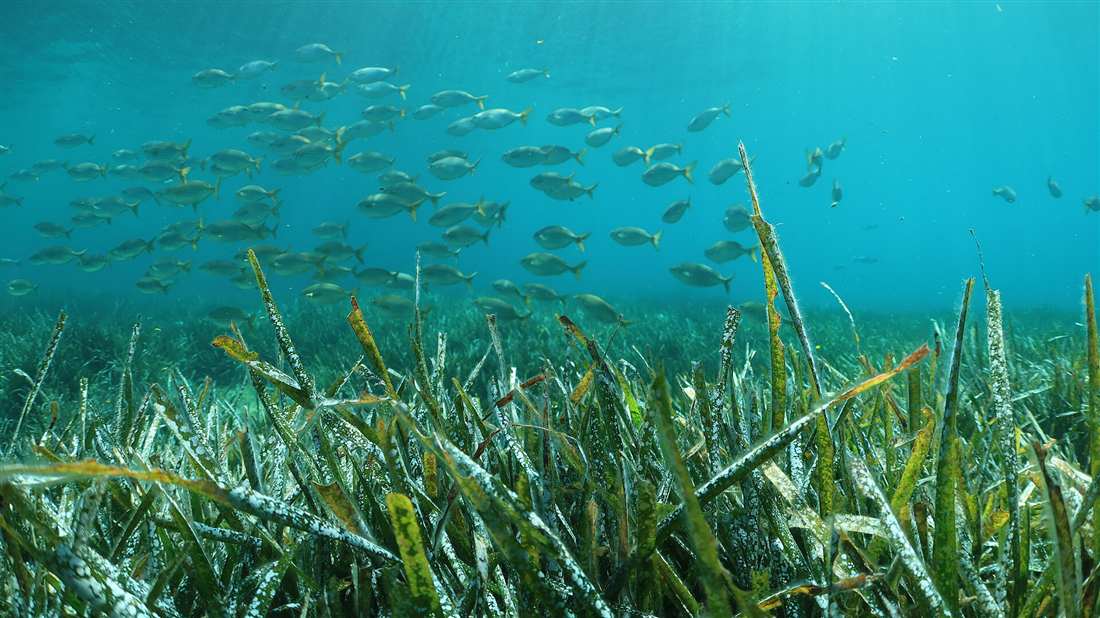
Divers off Chania encounter rock walls dropping into blue water, swim-through rock formations, dense seagrass meadows on the sandy stretches, and resident marine life including octopus, moray eels, grouper, bream and schooling smaller fish that shelter along the reef edges and cavern mouths.
Families take Chania scuba diving for the guided shallow dives on the west coast. The walls off Akrotiri and the Rodopos coast drop from a shallow reef top into deeper open water, giving divers a vertical face covered in sponges and small invertebrates to follow at a controlled depth rather than a flat seabed with no clear feature to navigate along.
For certified divers, Chania scuba diving opens the caverns western Crete is known for. Seagrass meadows spread across the sandy bays near Almyrida and inside Souda Bay, a habitat that shelters juvenile fish and seahorses among the blades and stands out as a slower, calmer stretch of a dive between the rockier formations either side of it.
For beginners, Chania scuba diving starts with a briefing and shallow-water skills. Octopus sit tucked into rock crevices by day, moray eels show their heads from cracks in the reef, and grouper hold station near overhangs, watching divers pass rather than bolting for cover, a pattern of behaviour that gives underwater photographers a stationary, close-range subject on the reef sections of a dive.
Booking Chania scuba diving ahead secures the date and the instructor. Bream and damselfish move in loose schools over the reef top, breaking apart and reforming as divers pass through, and the same reef edges attract sea urchins and starfish on the lower ledges where currents run gentler than the open water above.
How Long Does a Chania Scuba Diving Session Last, and How Deep Do Beginners Go?
A Chania scuba diving session runs a half day from check-in to return, with the underwater portion split into a shallow skills stage of about ten minutes and a guided dive of twenty to thirty minutes, and beginners on the Discover Scuba programme stay within twelve metres of depth.
Chania scuba diving runs from centres in and around the town of Chania. Counting the briefing, equipment fitting, boat transfer and debrief either side of the dive itself, a single-dive Discover Scuba booking fills a morning or an afternoon slot rather than the full day, leaving the other half of the day free for the rest of a Chania itinerary.
The medical questionnaire is completed before Chania scuba diving begins. Certified divers on a two-dive boat day commit closer to four to five hours door to door, covering two separate dives with a surface interval of at least an hour between them to clear nitrogen and reset for the second site’s different depth profile.
The choice of Chania scuba diving comes down to the centre, the site and the certification. Beginner depth stays capped at twelve metres under Discover Scuba rules regardless of how comfortable a first-time diver feels underwater, a limit set by the training standard rather than site conditions, and Open Water certification raises the working depth limit to eighteen metres once the course is complete.
Chania scuba diving ends with the surface interval and the logbook entry. Certified Advanced divers push past that on the deeper reef and wall sites off Akrotiri and Rodopos, where dive masters plan profiles to the certification level and logged experience each diver in the group presents on the day.
What Does Chania Scuba Diving Cost, and What Is Included?
Chania scuba diving pricing runs as a whole-experience package covering instructor, boat or shore transfer, full equipment rental, tank and air fills, with Discover Scuba dives priced per single dive and certified two-dive boat days priced higher and discounted for private or repeat bookings.
The price of Chania scuba diving covers the instructor, the equipment and the dives. A Discover Scuba booking bundles the land briefing, skills session and one open-water dive into a single fee that needs no prior gear or certification, which keeps the entry cost of trying diving lower than a certified diver’s day that covers two separate dives and a longer boat trip.
Chania scuba diving includes the transfer from the hotel where the centre offers it. Group rates apply on standard boat departures shared with other divers that day, while private bookings, arranged for a single diver, a couple or a small family group, sit at a higher rate that buys a dedicated instructor, a chosen departure time and a route built to that group’s pace alone.
A private Chania scuba diving session pairs one instructor with one guest. Equipment rental sits included in the base price at Chania dive centres rather than billed as an add-on, covering wetsuit, mask, fins, tank, regulator and buoyancy vest, while underwater photo and video packages, nitrox fills and extra dives on the same day price separately.
The instructor on Chania scuba diving holds contact with beginners throughout. Multi-dive packages and certification courses booked across multiple days price per package rather than per single dive, bringing the per-dive cost down for a diver committing to a full Open Water or Advanced course during a longer stay in western Crete.
What PADI and SSI Courses, Safety Steps and Season Matter Before Booking?
Chania dive centres run PADI and SSI certification from Open Water through Advanced and specialty levels, require a signed medical questionnaire and a minimum age of ten for junior programmes, and operate a diving season running from spring through autumn when water temperature and visibility peak.
Chania scuba diving runs as a half-day session or a guided two-dive day. Open Water certification is the entry-level course, run over multiple days combining classroom or e-learning theory, confined-water skills and four open-water dives, and it qualifies a new diver to dive independently with a buddy to eighteen metres anywhere in the world after passing a written exam and skills checks.
The Almyrida and Apokoronas coast adds shore entries to Chania scuba diving. Advanced Open Water and specialty courses, including deep, wreck, navigation and cavern specialties, build on that base certification with additional dives focused on a single skill set, and Chania’s mix of walls, caverns and reef sites suits the deep, navigation and cavern specialty tracks directly.
The morning slot for Chania scuba diving fills first in high season. Every diver, certified or not, completes a short medical questionnaire before the first dive, flagging conditions such as heart or lung issues, recent surgery or pregnancy that need a doctor’s clearance before diving; junior programmes accept divers from age ten with a shallower depth limit and a parent’s signed consent.
Chania scuba diving passes walls, swim-throughs and seagrass meadows. The water off Chania warms through late spring, peaks in summer and holds mild into autumn, with visibility best in the calmer, less wind-affected months; booking runs online or by phone ahead of the chosen date, confirming certification level or beginner status, group size and preferred site before the day.
Frequently Asked Questions
How much is Chania scuba diving?
Chania scuba diving is priced per person for the whole session, agreed at booking. The price covers the instructor or guide, the full equipment, the briefing and the guided dives; boat entry, photos and hotel transfers are included by the centres that offer them.
Do you need a certification for Chania scuba diving?
No. The Discover Scuba programme takes complete beginners with no certification: a briefing and theory session, shallow-water skills with the instructor, then a guided dive to about five or six metres with the instructor alongside.
Where are the Chania dive sites?
The Chania dive sites run through Souda bay and its caverns, the Akrotiri peninsula, the Almyrida and Apokoronas coast, Marathi, and Kolymbari on the Rodopos peninsula, with walls, swim-throughs and seagrass meadows within a short boat or shore entry.