
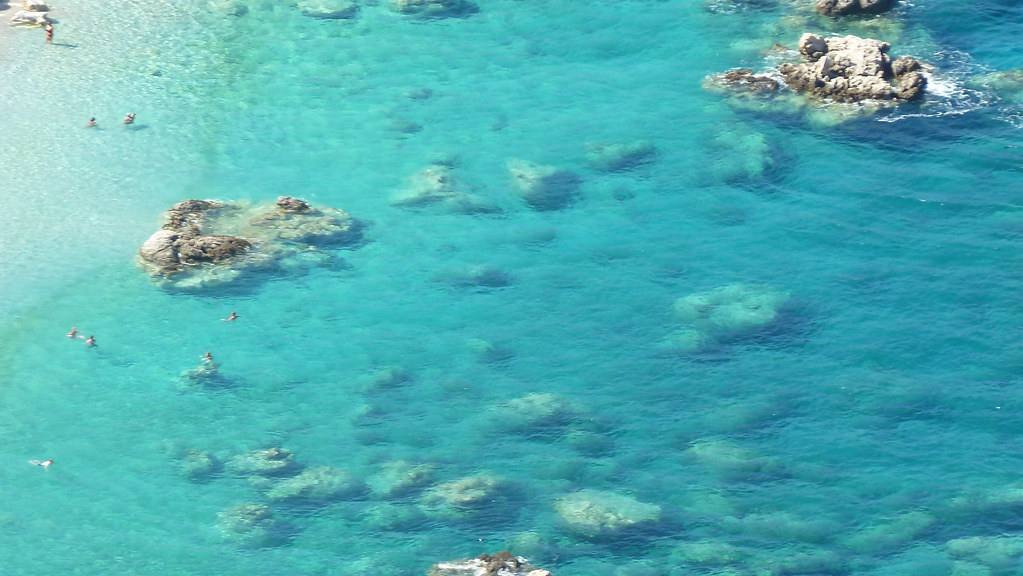
Karpathos sits in some of the clearest water in the Aegean, and that exceptional visibility makes it one of the finest diving and snorkelling destinations in Greece. Beneath the surface lie caverns and sea caves, deep walls and reefs. Shipwrecks, all in warm. Transparent water, while the rocky coves of the coast reward snorkellers straight from the shore. Plan the whole trip with Greece Tours.
This guide covers diving and snorkelling in Karpathos: why the water is so good, the diving center and the courses. The best dive sites and wrecks, where to snorkel, what you will see, and when to go. Read it beside the guide to Karpathos beaches to plan days that combine the shore and the sea.
Is Karpathos good for diving and snorkelling?
Yes. The exceptional clarity of the Aegean around Karpathos makes it one of the best diving and snorkelling spots in Greece, with sea caves, deep walls, reefs and wrecks, and clear, warm water rich in marine life.
The water around Karpathos is renowned for its clarity, and that clear, warm sea is the foundation of the island’s diving. Visibility is excellent, often stretching well beyond thirty metres, revealing caverns and sea caves, dramatic deep walls. Colourful reefs and shipwrecks, all set in an underwater landscape that ranks the island among the best dive destinations in Greece.
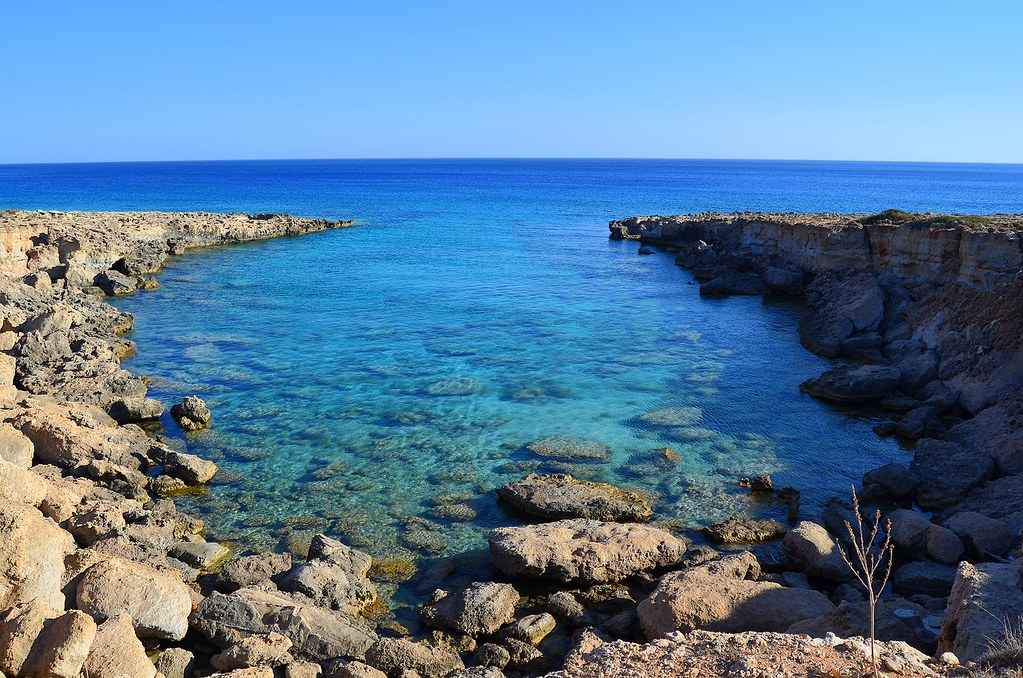
The variety is a large part of the appeal. Sites range from easy, shallow dives suitable for beginners to demanding deep walls and wrecks for experienced divers, so the island suits every level. The same clarity that draws divers makes snorkelling rewarding too, straight from the rocky edges of the coves. Where the water is clear enough to reveal fish and rock formations close to shore.
For both divers and snorkellers, Karpathos offers an unspoiled underwater world with far fewer people than the busier Greek islands. The combination of clear water, varied sites and marine life, all reached from a small, uncommercial island. Makes it a rewarding destination for anyone drawn to what lies beneath the surface of the Aegean.
Where is the diving center in Karpathos?
The island’s diving center is based in Pigadia, next to the outer port of the capital. It is a PADI-certified center running dives and courses for small groups, operating through the main season from late spring to autumn.
Diving on Karpathos is organised through the island’s diving center, based in the capital, Pigadia, next to the outer port. It is a PADI-certified operation, and its instructors hold professional qualifications and provide rental equipment in good condition, running trips for certified divers as well as introductory programmes for beginners.
The center keeps its groups small, typically up to four or five divers, which makes for a personal. Well-supervised experience and allows the dives to be tailored to the group’s level. From Pigadia the boats reach the dive sites along the coast. The team can also lead divers to the sea caves of Karpathos and to the sites around the protected islet of Saria in the north.
The diving season runs from the end of May to late September, when the water is warm and clear and the conditions most settled. Booking ahead in the peak weeks is wise given the small group sizes. The center handles everything from a first try-dive to guided dives at the more advanced sites for those already certified.
What are the best dive sites in Karpathos?
The best dive sites in Karpathos include the Achata Arch wall dive, the Labyrinth, Camel Reef, the Vronti caves, and shipwrecks such as the MS Dias and the shallow Diakoftis wreck. The sites around Saria island are also excellent.
The island’s dive sites span walls, reefs, caves and wrecks. The Achata Arch is a celebrated wall dive dropping past thirty metres. Where an impressive rock arch marks the turnaround and pelagic fish such as tuna and amberjack occasionally cruise past. Other notable sites include the Labyrinth, Camel Reef and the Vronti caves, each offering a different underwater landscape for divers of the appropriate level.
Wrecks add another dimension. The MS Dias is a well-known wreck dive off the island, while the Diakoftis wreck, an old vessel that sank in shallow water at a maximum depth of around fifteen metres. Is easily accessible and suitable for divers of all levels, making it a popular first wreck. Some of the deeper sites are reserved for advanced divers, while others welcome all levels.
To the north, the waters around the uninhabited islet of Saria hold some of the clearest and most pristine dive sites in the area. Reached on longer trips from the center. Between the walls, reefs, caves and wrecks of the main coast and the pristine sites off Saria, Karpathos offers enough variety to fill a diving holiday of days.
Can beginners dive in Karpathos?
Yes. The Karpathos diving center runs Discover Scuba sessions and full PADI courses for beginners, and shallow, accessible sites such as the Diakoftis wreck at around fifteen metres suit divers of all levels, including first-timers.
Karpathos is a good place to start diving. The diving center offers Discover Scuba Diving sessions, which let complete beginners try a supervised dive without a certification, as well as full PADI courses for those who want to qualify. The clear, calm water and the small group sizes make for a reassuring introduction to the sport.
Several of the island’s dive sites suit beginners and improving divers. Notably the shallow Diakoftis wreck at a maximum depth of around fifteen metres, which is easily accessible and open to divers of all levels. Instructors match the site to the diver’s experience, so first-timers and newly qualified divers are taken to gentle, shallow dives rather than the demanding walls.
For families and mixed-ability groups, this means beginners and certified divers can both be catered for on the same trip, and snorkellers can join the boat too. Anyone curious about diving can try it safely here, and the warm, clear water of Karpathos is an ideal setting to take a first breath underwater.
Where is the best snorkelling in Karpathos?
The best snorkelling is along the rocky east coast, at Apella, Achata and the Amoopi coves including Votsalakia, and around the islet of Saria. Snorkelling boat trips run to Apella and Saria from Pigadia.
The rocky edges of the east-coast coves offer the finest snorkelling on the island, where clear water and boulders shelter fish and make for rewarding exploring straight from the shore. Apella and Achata are among the best, while in the south the Amoopi coves, especially Votsalakia, are known as a snorkeller’s spot. The guide to Karpathos beaches covers the coves in detail.
For clearer water still, the uninhabited islet of Saria off the northern cape has some of the most pristine snorkelling in the area, its protected, undisturbed waters exceptionally clear. Reaching it means a boat trip, but the reward is snorkelling over untouched seabed far from any crowds, in the company of only the day’s boat passengers.
Beyond snorkelling from the shore, dedicated snorkelling boat trips run from Pigadia on a small speedboat to spots such as Apella and Saria. Combining the swim with a cruise along the coast. These trips open up the clearest water and the offshore sites; the guide to Karpathos boat trips covers the excursions.
What will you see underwater in Karpathos?
Underwater in Karpathos you will find clear water with reef fish, occasional pelagic species like tuna and amberjack, colourful caverns and sea caves, deep rock walls, and shipwrecks, all in exceptional visibility.
The underwater scenery of Karpathos is varied and dramatic. Divers explore colourful caverns and sea caves, follow deep rock walls that drop into the blue. Swim over reefs alive with Mediterranean fish. All in the clear, bright water that the island is known for. The wrecks add structure that shelters marine life and gives dives a focal point.
The marine life ranges from the reef fish, wrasse, bream and octopus of the shallows to the occasional pelagic visitor at the deeper sites. Where tuna and amberjack sometimes pass along the walls. The clarity of the water means you see it all in fine detail, and the health of the relatively undisturbed sites, especially around Saria, adds to the richness.
Snorkellers see a good share of this too, since the rocky cove edges and the shallow reefs hold plenty of fish and clear views close to the surface. Whether diving the walls and wrecks or snorkelling the coves, the clear, life-filled water is the great reward of taking to the sea around Karpathos.
When is the best time to dive in Karpathos?
The best time to dive in Karpathos is from late May to late September, when the sea is warm, clear and settled. The shoulder months bring calmer conditions and fewer crowds, while the meltemi is strongest in high summer.
The diving season on Karpathos runs from the end of May to late September, the months when the water is warmest. The visibility at its best and the conditions most settled for boat dives. Outside this window the diving center winds down along with the island’s tourism, so summer is firmly the season for diving here.
Within the season, the calmer shoulder weeks of late May, June and September often bring the smoothest conditions and the fewest crowds, ideal for relaxed diving and snorkelling. High summer offers guaranteed warmth but also the strongest meltemi wind, which can churn the exposed sites on windy days and occasionally affect the boat trips.
The sea is warmest late in the season, so September pairs warm, clear water with quieter sites. Whenever you dive, mornings tend to be calmest before the wind builds. Booking around a settled spell gives the best visibility for making the most of the island’s underwater world.
What you know before diving in Karpathos?
Book ahead given the small group sizes, bring your certification for guided dives, and expect to rent well-maintained gear from the center. Beginners can try Discover Scuba, and the meltemi can affect exposed sites in summer.
The main practicalities are simple. Certified divers bring their qualification card and logbook for guided dives, while beginners can join a Discover Scuba session or take a course from scratch. The center provides rental equipment in good condition, so travelling without your own kit is no obstacle, though experienced divers prefer to bring their own mask and computer.
Booking ahead is wise, particularly in the peak weeks of July and August when demand is highest. Planning your dives a little in advance also lets the center match the sites to your experience and to the conditions on the day. You get the most rewarding dives for your level.
Finally, keep the weather in mind: the meltemi can build through the day and churn the exposed sites, so calm mornings and settled spells give the clearest water. With a little planning around the wind and the season, diving in Karpathos is safe, well organised and hugely rewarding, opening up one of the clearest underwater worlds in the Aegean.
Frequently Asked Questions
Is Karpathos good for diving?
Yes. The exceptional clarity of the Aegean around Karpathos makes it one of the best diving destinations in Greece. With sea caves, deep walls, reefs and shipwrecks in clear, warm water rich in marine life. A PADI-certified diving center in Pigadia runs dives and courses for all levels, from first-time try-dives to guided dives at the advanced sites.
What are the best dive sites in Karpathos?
The best dive sites include the Achata Arch wall dive, the Labyrinth, Camel Reef. The Vronti caves. Shipwrecks such as the MS Dias and the shallow, all-levels Diakoftis wreck at around fifteen metres. The pristine, clear waters around the uninhabited islet of Saria in the north also offer excellent diving, reached on longer trips.
Can beginners learn to dive in Karpathos?
Yes. The Karpathos diving center in Pigadia runs Discover Scuba sessions for complete beginners to try a supervised dive, as well as full PADI courses for those wanting to qualify. Shallow, accessible sites such as the Diakoftis wreck suit divers of all levels, and the small group sizes make for a reassuring introduction to the sport.
When is the best time to dive in Karpathos?
The diving season runs from the end of May to late September, when the sea is warm, clear and settled. The shoulder months of late May, June and September bring the calmest conditions and fewest crowds, while high summer has the strongest meltemi wind, which can affect the exposed sites. The water is warmest late in the season.