
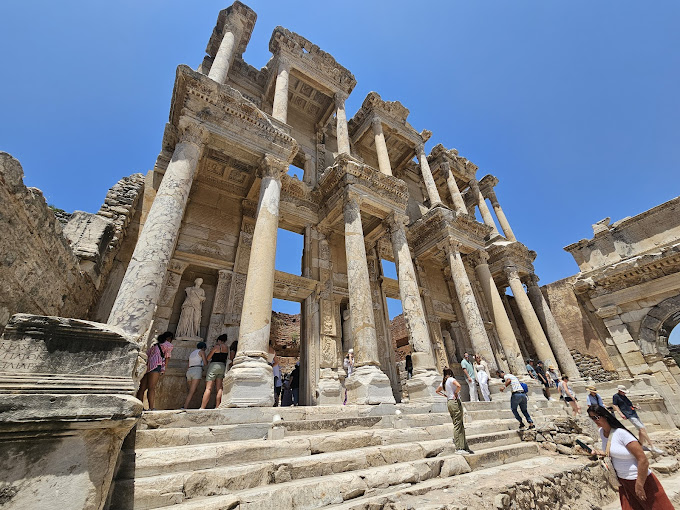
Greece is a living classroom of Western civilization: temples, theaters, fortresses, and everyday ruins that still shape modern life. Plan the whole trip with Greece Tours. For international travelers craving depth over checklist tourism, a Greece historical tour unlocks stories, context, and local access that solo travel often misses.
In this guide, we’ll walk you through why a focused historical tour in Greece is worth your time, how to plan by season and style, which sites to prioritize by region, and how to build realistic itineraries for 3, 7, and 10+ days. We’ll also share practical tips, booking advice, and how to travel responsibly so these places remain vibrant for generations to come.
Why Choose A Historical Tour In Greece
Greece’s layers of history, from Bronze Age palaces to Byzantine churches and Ottoman walls, are dense and easy to misunderstand without context. That’s where a historical tour shines. We get access to expert local guides who grew up with these landscapes, can read inscriptions, and know which corners reveal the best stories. Benefits include:
- Context that connects artifacts to everyday life: a guide can explain how a temple ritual worked, or why a theater’s acoustics mattered to citizens.
- Efficient logistics: many sites are spread across regions; tours save travel time and reduce guesswork about transport and timing.
- Behind-the-scenes access: Smaller operators like ours at Greece Tours often arrange early entry or private viewings when available.
- Deeper cultural exchange: tours led by locals bring contemporary traditions into the conversation, food, crafts, and living customs tied to ancient practices.
We should also note how a curated historical tour reduces the risk of ‘ticking boxes’ in favor of meaningful engagement: we’re not just seeing ruins, we’re interpreting them together.
Planning Your Trip: Timing, Length, And Tour Style
The right plan depends on how much time you have, how deeply you want to explore, and the pace you prefer.
Choosing Between Group, Small-Group, And Private Tours
Group tours can be budget-friendly and social, good for travelers who enjoy meeting others and favor a fixed itinerary. Small-group tours (often capped at 8–12) strike a balance: personal attention from guides, fewer crowds, and flexibility for side detours. Private tours are best when we want a tailor-made itinerary, slower pacing, or to focus on niche interests (e.g., classical archaeology, Byzantine churches, or maritime history). From our experience, couples and families who want immersive, intimate experiences prefer small-group or private options.
Best Times To Visit And How Seasonal Factors Affect Sites
Spring (mid-April to June) and fall (September to mid-October) are ideal: mild temperatures, fewer crowds, and blooming landscapes. Summer (July–August) brings long days but intense heat on exposed sites like the Acropolis in Athens and Delphi: museums provide cool respite, but lines can be long. Winter is off-season: many islands have limited ferry service, but mainland sites and museums are quieter and often open for guided tours with more flexibility. We recommend booking high-demand tours and any timed-ticket entries well in advance for peak months.
Must-See Historical Sites By Region
Greece’s history is spread across diverse regions. Below, we lay out the essentials by area so you can prioritize based on interest and time.
Mainland Classics: Athens, Delphi, And Olympia
Athens is usually our entry point. The Acropolis and its museum are indispensable for understanding classical Greece, the temples, sculptural programs, and civic life. Nearby, the Ancient Agora reveals democratic and commercial life, while the National Archaeological Museum houses material culture from across the country.
Delphi, once considered the world’s center, offers a dramatic mountain setting and the ruins of the Temple of Apollo, the theater, and the stadium. We find spending half a day to a full day here gives the site the reverence it deserves. Olympia, birthplace of the Olympic Games, is another must: the temple foundations, workshops, and the museum’s bronze and sculptural finds tell the story of ancient athletic and religious life.
The Peloponnese And Venetian Legacy: Mycenae, Epidaurus, And Nafplio
The Peloponnese is a rich, compact region for history. Mycenae’s tholos tombs and Lion Gate evoke Homeric epics. Epidaurus is famed for its acoustically perfect theater; catching a performance there is unforgettable. Nafplio, a coastal town with Venetian fortifications and charming lanes, is perfect for an evening stroll after a day of ruins.
The Islands With Ancient Roots: Crete, Rhodes, And Delos
Crete claims the Minoan palaces of Knossos and Phaistos, a pre-Greek Bronze Age culture with vivid frescoes and complex palatial layouts. Rhodes mixes medieval Knights’ castles and ancient harbors. Delos, a tiny island near Mykonos, is an archaeological park famed as Apollo’s mythical birthplace: we typically plan a half-day excursion here from nearby islands.
Less-Known Gems: Northern Greece, Thessaloniki, And Zagori
Northern Greece offers Roman and Byzantine layers. Thessaloniki has early Christian mosaics, Byzantine churches, and Ottoman influences, an underrated urban hub for history. Zagori and the Vikos Gorge present traditional stone villages and Ottoman-era bridges, pairing natural beauty with cultural landscapes less visited by mass tourism.
How To Build A Realistic Itinerary For 3, 7, Or 10+ Days
Time is the primary constraint. We build itineraries that prioritize travel efficiency and storytelling, grouping nearby sites and balancing intense sightseeing with moments to absorb the place.
Sample 3-Day, 7-Day, And 10-Day Historical Tour Plans
- 3-Day Overview: Day 1, Athens (Acropolis, Acropolis Museum, Plaka). Day 2, Day trip to Delphi (temple, museum). Day 3, Ancient Agora and National Archaeological Museum, or a half-day coastal drive to Sounion and the Temple of Poseidon. This short plan is tight but delivers core narratives.
- 7-Day Classic: Days 1–3, Athens deep dive (including a half-day for markets and neighborhoods). Day 4, Drive to Mycenae and Epidaurus: overnight in Nafplio. Day 5, Olympia (or return via the Peloponnese into the countryside). Days 6–7, Fly or ferry to Crete or Rhodes for Bronze Age or medieval contrast.
- 10+ Day Immersion: Start with Athens (2–3 days), add Delphi and Meteora (each 1–2 days), explore the Peloponnese (Mycenae, Epidaurus, Olympia), then finish with 2–3 island days (Crete, Delos, or lesser-known islands). This length lets us slow down, include local experiences, cooking classes, village visits, and schedule evening site visits when available.
Balancing Iconic Sites With Local Experiences And Hidden Gems
We always suggest pairing landmark visits with smaller, local elements: a family-run taverna after a day at a site, a museum volunteer talk, or a walk through a village cemetery to see evolving folk practices. Hidden gems, like a Byzantine church with preserved frescoes or a local archaeological depot, often require local contacts. That’s one reason we favor tours with local leaders: we can introduce travelers to places standard itineraries skip.
Practical Tips For Getting The Most From Your Historical Tour
Small decisions can make the difference between a rushed photo-op and an immersive day.
Booking Advice, Local Guides, And Tickets/Passes To Know
Book in-season sites and guided slots in advance. Look for combined or multi-site tickets where available: Athens offers combined museum/site options, and some regions offer regional passes that save time at ticket counters. Hire accredited local guides, qualified archaeologists, or historians, who can add nuance and often arrange off-hours access or museum depot visits. For small operators like Greece Tours, our local relationships help secure those added experiences.
Accessibility, Pace, And What To Pack For Site Visits
Many archaeological sites are uneven and involve walking on stone and gravel: comfortable walking shoes are essential. Bring a hat, sunscreen, and a refillable water bottle; shade can be scarce. If mobility is a concern, check accessibility with your operator in advance. Museums are generally accessible, but open-air sites vary. Keep pace realistic: plan no more than two major outdoor sites in a single day during high heat.
Staying Responsible: Preservation, Respect, And Sustainable Travel
Visiting archaeological sites responsibly protects them for future guests and supports local communities.
How To Support Local Communities And Protect Archaeological Sites
We recommend these practical habits: follow signage and paths, don’t touch fragile stone or frescoes, and avoid climbing on monuments. Support local economies by choosing neighborhood eateries, artisan shops, and locally owned accommodations. Consider donating to site conservation funds or participating in volunteer days if available. When we travel with respect, we help preserve not just buildings but the living cultural practices linked to them.
Read more about Greece Tours:
- Packing Light For Greek Island Tours: A Smart, Minimalist Guide
- Best Nature Reserves To Visit In Greece: Where To Go, What To See, And How To Plan
- How To Visit Greek Monasteries: Rules, Routes, And Respectful Travel Tips
- How To Experience Local Greek Traditions
- How To Experience Greek Easter: Traditions, Timing, And Where To Go
Conclusion
A historical tour of Greece rewards curiosity and patience: the more we lean into local knowledge, slow travel, and thoughtful planning, the richer the experience. Whether we have three days to touch the highlights, a week to vary regions, or ten days to immerse ourselves, pairing iconic monuments with neighborhood life and responsible practices makes the trip memorable and meaningful. If you’d like help turning these plans into a customized itinerary, we’re happy to design a tour that matches your interests and pace, rooted in local expertise and built for real discovery.