
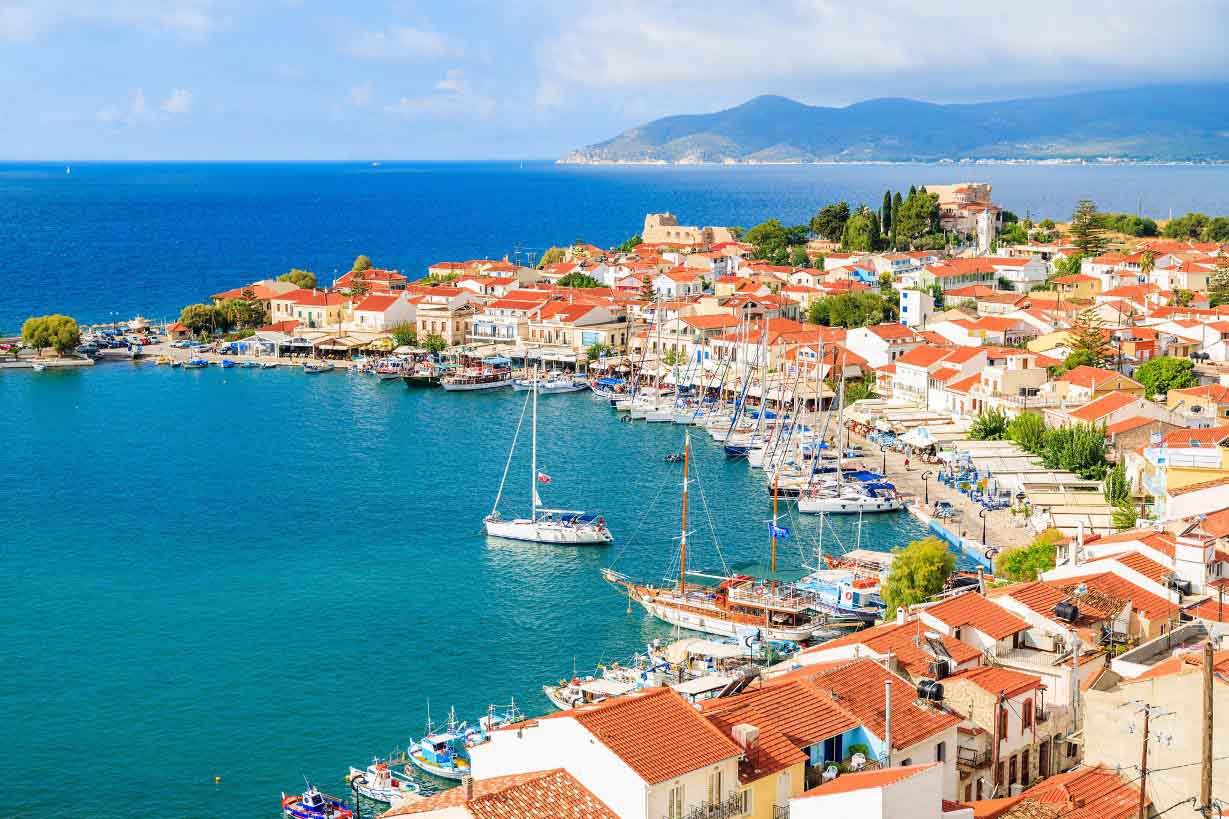
Planning island time straight from Athens is one of the smartest ways to see Greece: we start in the capital’s hub, with cheap flights from most continents, easy ferry connections, and a concentration of services, then radiate outward to sun-drenched islands with very different personalities. Plan the whole trip with Greece Tours.
This guide distills what we’ve learned running authentic, local-led tours at MyGreeceTours: practical timing and transport tips, three tested itineraries, how to pick the right tour style, and on-the-ground advice for traveling responsibly. Read on, and you’ll leave Athens with a plan that fits your pace, interests, and budget.
Why Choose Island Tours From Athens
Athens is more than a gateway; it’s a convenient staging point that saves time and complication when you want to visit multiple islands. Compared with starting on an island, launching from Athens gives us several advantages:
- Transport choice and frequency: Athens (Piraeus and Rafina ports, plus Eleftherios Venizelos Airport) connects to the Cyclades, Saronic Gulf, Dodecanese, and Crete with multiple daily ferries and flights during peak season. That means flexible routing and better prices.
- Logistics and services: We can schedule a day in Athens to handle visas, exchange money, pick up SIM cards, and buy supplies before hopping islands.
- Variety without repetition: From a single base, we can take a quick Mykonos or Santorini hop, or head to less-touristed islands (Milos, Sifnos, Syros) for a more local feel.
For travelers who want culturally immersive experiences, history fans, couples, families, or those wanting private or small-group trips, starting in Athens keeps options open while leveraging local guides who grew up in Greece. At Greece Tours, we often meet clients in Athens and then introduce them to islands where our local partners can open doors that bigger operators can’t.
Planning Basics: Timing, Routes, And Transport
Good island travel begins with realistic timing and route choices. A well-sequenced plan minimizes travel days and maximizes time ashore.
Ferries Vs. Flights
Ferries are the heart of Greek island travel: scenic, frequent, and often cheaper. High-speed catamarans (hydrofoils) cut travel time but cost more: conventional ferries are slower but let you move large luggage without surcharges and sometimes sleep aboard on night sailings. Flights make sense for long jumps (Athens–Crete or to some Dodecanese islands) or when time is tight. We recommend mixing modes: ferry hops for nearby islands and flights for long distances.
How Much Time To Allocate
Match your itinerary to travel goals. If you’re sampling highlights, 3–4 days per island is common. For deeper cultural immersion, eating in a neighbor’s taverna, spending a day with a local potter or winery, plan 5–7 days per island. Remember travel time: an island hop that looks short on a map can eat half a day if ferries are infrequent.
Booking Practicalities And Passes
Book early in summer (June–August) for ferries and hotels; we recommend reserving at least 6–8 weeks ahead during high season. Purchase seats on high-speed ferries: conventional ferries usually don’t require assigned seating. Consider a regional ferry pass only if you’re doing many short hops in the same group of islands; otherwise, point-to-point tickets are cheaper. For convenience and local advice, we often help clients book combined transport and tour legs through Greece Tours, so connections and pickup points are seamless.
Three Recommended Itineraries From Athens
Below are three practical itineraries that reflect different flavors of island travel, fast highlights, classic loops, and slower, authentic exploration.
Quick Intro: 3-Day Cyclades Sampler (Santorini Or Mykonos Focus)
Day 1: Morning ferry or short flight from Athens to your chosen island. Afternoon orientation walk and sunset viewpoint.
Day 2: Private or small-group island tour, beaches, a local winery or archaeological site, lunch off the beaten track.
Day 3: Free morning, ferry back to Athens in the afternoon.
Why it works: This is ideal when time is limited. We focus on one island for depth rather than rushing multiple islands, and we recommend Santorini for dramatic scenery or Mykonos for nightlife and beaches.
Best For First-Timers: 5–7 Day Classic Cyclades Loop
Day 1: Athens to Mykonos or Paros. Evening in a waterfront taverna.
Day 2: Explore the island, beaches, inland villages, or take a short boat trip.
Day 3: Ferry to Naxos or Paros, local cooking class or archaeology visit.
Day 4: Ferry to Santorini (sunset and Oia) or choose Milos for its unique geology.
Day 5–6: Leisure day(s), return to Athens on Day 6 or 7.
Why it works: This loop balances iconic sights and slower discovery: transport lines between these islands are frequent, minimizing wasted travel time. It’s perfect for first-timers who want a classic Greek island mosaic.
Authentic Slow Travel: 7–10 Day Lesser-Known Islands (Sifnos, Syros, Milos)
Day 1: Athens to Syros, experience a working island with neoclassical towns and local life.
Day 2–3: Syros, markets, seaside cafés, and a guided history walk.
Day 4–5: Ferry to Sifnos, pottery workshops, walking trails, and family-run tavernas.
Day 6–8: Ferry to Milos, beaches you’ll likely have to yourself, dramatic rock formations, and a fishing-village dinner.
Day 9–10: Return to Athens via ferry or an overnight boat that gives an extra day ashore.
Why it works: We recommend this for people who want to step outside postcard Greece. These islands have fewer tourists but rich culinary scenes and artisans, ideal for cultural immersion.
Choosing The Right Tour Style
Picking a tour style shapes your experience as much as the islands you choose. We’ll outline the main formats and what to expect.
Small-Group Vs. Private Tours: Pros And Cons
Small-group tours (6–12 people) offer social energy and lower cost-per-person. They’re great for meeting fellow travelers and for shared experiences like cooking classes. Private tours are pricier but give unmatched flexibility: we set the pace, focus on specific interests, and access times when a small group can get behind-the-scenes access. For couples or families who value personalization, private tours are usually worth the extra cost.
Themed Tours: History, Food, Sailing, And Photography
Themed tours let us connect your passions with the islands’ strengths. History lovers can pair Athens archaeology with island sanctuaries: food tours focus on meze, local cheeses, and family-run wineries; sailing tours combine island hopping with hands-on seamanship; photography tours schedule golden-hour shots in the most photogenic settings. Choose a theme that fits how you want to remember the trip.
Local-Guided Tours And Insider Access: What To Expect
When we work with local guides, people who grew up on the islands, you’ll get stories and access that encyclopedic guides can’t replicate: a taverna owner’s family recipes, an artisan’s studio visit, or a private chapel opening. Expect small-group dynamics, practical tips for moving between ports, and recommendations for quiet spots away from crowds.
Practical Tips For An Authentic, Sustainable Experience
Sustainable, respectful travel keeps these islands beautiful and culturally intact. Here are practical ways we help clients travel responsibly.
How To Experience Local Culture And Cuisine Respectfully
Learn a few Greek phrases, “efharistó” (thank you) and “parakaló” (please/you’re welcome) go a long way. Eat where locals eat: midday family tavernas offer authentic home cooking at fair prices. Ask before photographing people in private settings, and support local artisans by buying directly from makers.
Off-Season Travel, Crowds, And Weather Considerations
Traveling in shoulder seasons (April–early June, September–October) delivers milder weather, fewer crowds, and lower prices. Some businesses close in winter, so check in advance. Be prepared for stronger winds (the meltemi) in July–August on Aegean islands: it affects sea conditions and small-boat schedules.
Sustainable Practices And Supporting Local Communities
Choose accommodation and tour operators who hire local staff, minimize single-use plastics, and respect land- and sea-protection rules. Consider slow travel: fewer island changes means less fuel use and deeper economic benefit to the places you stay. We prioritize small, family-run hotels and locally owned restaurants in our itineraries for this reason.
Packing, Budgeting, And Safety Essentials
A little preparation makes island-hopping much smoother. Below are practical must-dos.
Recommended Packing List For Island Hopping
- Lightweight clothing and a warm layer for cooler evenings
- Comfortable walking shoes and sandals
- Swimwear, sunscreen, and a reef-safe SPF
- A daypack and a waterproof pouch for electronics
- Basic first-aid items and any prescription medicines
- Universal adapter and portable charger
We also recommend smaller, easy-to-carry luggage for frequent ferry transfers, roll-on size is ideal.
Sample Budget Ranges (Per Day) And Money Tips
Budget traveler: $60–$120/day, simple pensions, local tavernas, and conventional ferries.
Mid-range: $150–$300/day, boutique hotels, a mix of private and small-group tours, and a few guided experiences.
Luxury: $350+/day, private transfers, exclusive experiences, and high-end dining.
Carry a mix of cash and cards: many islands accept cards, but smaller tavernas and markets prefer cash. ATMs are present on larger islands but can be scarce on quieter ones. Withdraw in Athens if you’re heading remote.
Health, Safety, And Accessibility Considerations
Medical facilities vary by island; larger islands have clinics, and smaller ones may need boat transfers for serious care. Pack essential meds and travel insurance that covers evacuation. Accessibility is improving, but historic towns often have steep steps and cobblestones: check mobility details with operators in advance. Stay hydrated, use sun protection, and be cautious with sea conditions when swimming off rocky coasts.
Read more about Greece Tours:
- Safety Tips for Greece Tourists
- Popular Wine Regions in Greece
- Photography Tips for Greece Tours
- Top Greek Mythology Sites
- Solo Travel Tips for Greece: A Practical Guide
Conclusion
Greece island tours from Athens give us the best of both worlds: efficient logistics and access to islands that range from iconic to quietly authentic. Whether we have a long weekend or two weeks, planning transport carefully, choosing the tour style that matches our interests, and traveling with local, sustainable practices in mind will turn the trip into something memorable and meaningful. If you’d like help turning one of these itineraries into a tailored plan, we invite you to explore our local-led options at Greece Tours. We’re happy to craft an island route that fits your pace and passions.