
Alyki salt lake sits on the north coast of Kos, a shallow salt-pan lagoon tucked behind the beaches of Tigaki and Marmari about 10 kilometres west of Kos Town. Once worked for sea salt, the basin now serves as the island’s main birdwatching site. It fills with brackish water through winter and spring, then dries to a white crust of salt in high summer. Greater flamingos, herons, avocets, ducks and waders feed in the shallows, best watched from the flat track and cycle path that ring the water. Plan the whole trip with Greece Tours.
This guide walks through what the Alyki salt lake on Kos is and where it lies, the salt-pan history and the way the lagoon changes with the seasons. The flamingos and when they appear, the herons, avocets, ducks and waders that share the wetland. How to walk or cycle the level loop around the basin. A thin strip of sand divides the lagoon from the sea at Tigaki, so a single circuit joins birdwatching with a beach on flat, easy ground.
What is Alyki salt lake on Kos and where does it sit?
Alyki salt lake is a shallow salt-pan lagoon behind the north-coast beaches of Tigaki and Marmari, about 10 to 12 kilometres west of Kos Town, and it ranks as the island’s main birdwatching site.
Alyki, also written Alikes, occupies a flat basin on the north coast of Kos, just inland from the sea. The lagoon lies about 10 kilometres west of Kos Town along the coast road that runs toward Tigaki and Marmari. Drivers reach the eastern edge in around 15 minutes from the capital, and bus services on the Tigaki route pass close to the water. On Kos, the coast road stays flat the whole way, so cyclists cover the distance without climbs. Signposts for the salt pan and the beaches mark the turn-offs from the main road.
The basin sits behind low dunes, screened from the sea by a narrow sand bar, and the surrounding land stays open farmland and scrub the whole way in from town.
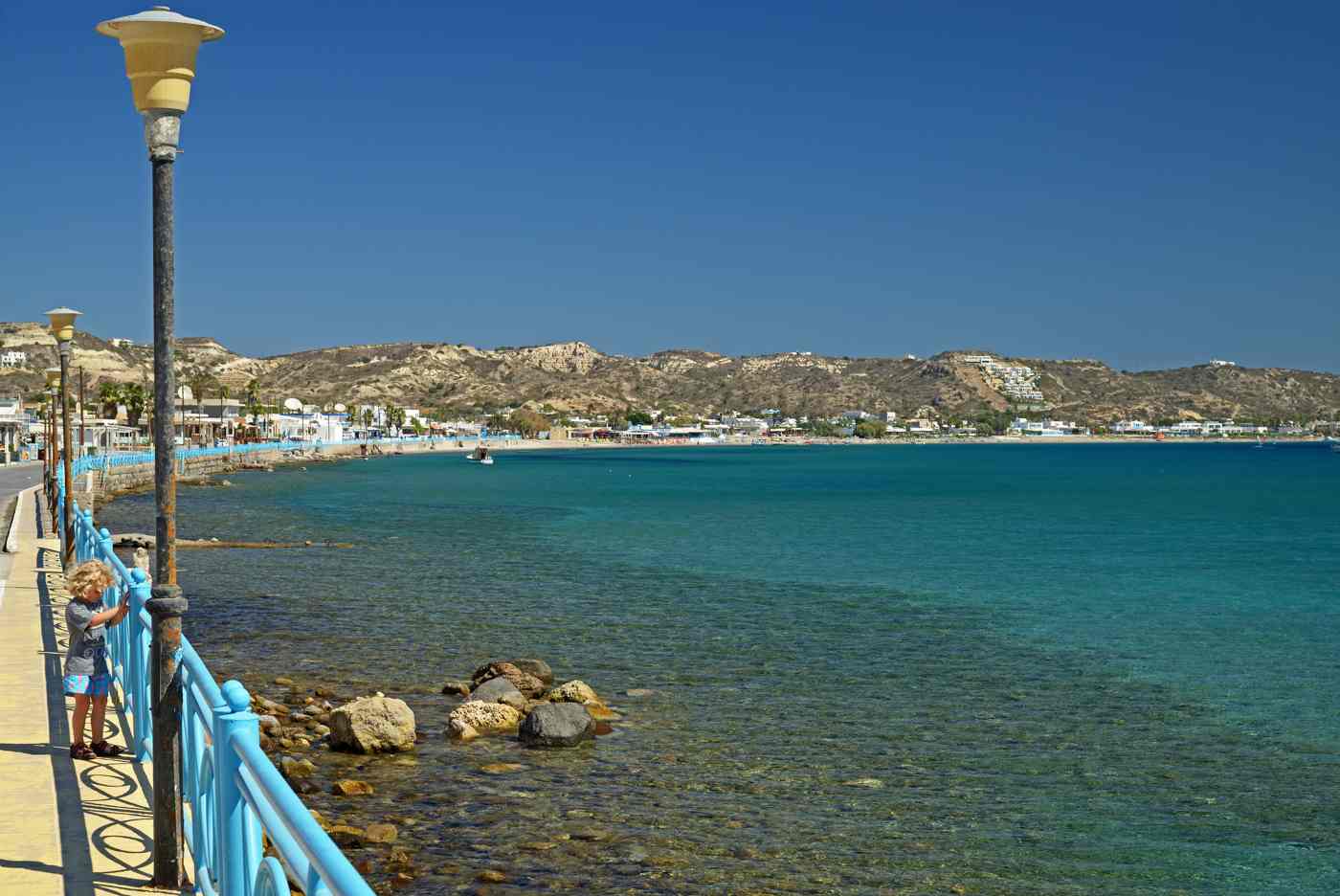
The lagoon spreads out directly behind the sand at Tigaki beach, separated from the Aegean by a sand bar roughly 200 metres wide. The water body runs long and shallow, following the line of the coast for well over a kilometre. A flat perimeter track and a cycle path ring the whole basin, so the shape reads clearly from any point on the loop. The bar carries the beach road and a scatter of tamarisk trees, while the inner shore drops gently into mud and salt crust. No steep banks block the view across the water.
From the sand strip a walker sees open sea on one side and the still lagoon on the other, both of them within about 100 metres of the level path.
Brackish water fills the basin, part sea water pushed over the bar and part winter rain draining off the plain. Depth stays low across the whole lagoon, rarely more than knee height even in the wet months. Alyki holds the largest area of standing water on Kos, which is why birds gather here rather than on the open beaches. The basin sits treeless and exposed, so wind ruffles the surface and light reflects hard off the pale bed. Salt concentrates as the water shrinks, leaving a white rim around the edge. The mix of shallow depth, open sightlines and rich shallows makes the lagoon readable from the bank.
With wading birds visible against the bright mud from the perimeter track across the whole of the open basin.
Alyki stands as the main birdwatching site on Kos, drawing walkers, cyclists and photographers to the perimeter track. The western end of the lagoon lies close to Marmari beach, so a circuit links both resorts along flat ground. Visitors reach the shore on foot from either the Tigaki side or the Marmari side, then follow the track around the water. The open basin gives long, clear views across the shallows, and the low bank keeps the birds at a workable distance. Interpretive signs near the track name the wetland and the salt-pan history. A morning or late-afternoon visit puts the sun behind the walker. The flamingos and waders show real colour rather than a flat.
Dark silhouette against the water at the far edge.
How did the salt pans at Alyki work and how does the lagoon change through the year?
Salt workers once flooded the Alyki basin with sea water and let the summer sun evaporate it, harvesting the sea-salt crust. The lagoon still fills with brackish water in winter and dries to white salt in high summer.
Alyki takes its name from the Greek word for salt, and the basin worked for generations as a coastal salt pan. Sea water was let in over the bar, then held in shallow ponds where the strong summer sun drove off the moisture. The salt that settled was raked, piled and carted off for use across the island. This shallow farming of the sea left the flat, engineered basin that survives today. Commercial harvesting has since stopped, so the pans no longer run on a working cycle. The old embankments and channels still shape the ground, and the name Alykes, meaning salt pans, keeps the memory of the trade.
The site now serves nature and recreation rather than salt production, though the layout stays visibly man-made across the whole basin.
The salt-pan method relied on sun and patience rather than fuel. Workers guided sea water through a chain of shallow basins, letting each pond concentrate the brine a little further before it passed to the next. As the water thinned under the heat, salt crystallised on the bed and along the edges. The flat ground and the reliable summer drought on Kos suited the process, which needed months of clear, dry weather. Wind helped by speeding evaporation across the open surface. The harvest came at the end of summer, when the crust lay thickest on the bed.
This same physics still plays out at Alyki without any human hand, so the modern lagoon repeats the old cycle of flooding and drying on its own each year.
Winter and spring turn Alyki into a broad, shallow sheet of water. Rain drains off the surrounding plain and collects in the basin, while storms push extra sea water over the bar. Depth stays low, yet the wet lagoon covers its full extent from about November through April. The brackish shallows carry the food that pulls in migrating and wintering birds, and the flamingos feed here mainly in this wet window. The perimeter track can hold puddles after heavy rain, though the raised path stays walkable. Green fringes of glasswort and reed edge the wetter margins of the basin.
This filled phase is the richest for wildlife, when the widest spread of water and the deepest cover of feeding ground draw the largest gathering of birds to the lagoon.
Summer reverses the picture as the sun bakes the basin dry. Through July and August the water retreats, exposing wide flats of cracked mud and a white crust of salt around the rim. The lagoon can shrink to isolated pools or dry out almost fully in the hottest weeks. Bird numbers fall as the feeding shallows vanish, so the wet-season crowds thin to a handful of hardy species. The bare bed reflects heat and light, and the salt rim marks how far the water once reached. This dry phase shows the salt-pan character most plainly, the same crust the old harvesters once collected by hand.
Cooler autumn rain refills the basin later in the year, and the cycle of flood and evaporation begins again from the start.
When do flamingos appear at Alyki salt lake on Kos?
Greater flamingos feed at Alyki mainly through autumn, winter and early spring, arriving on migration and staying through the wet months. Numbers peak when the lagoon holds water, then fall as the summer heat dries the shallows.
Greater flamingos are the tall, pink wading birds that make Alyki the best-known birdwatching stop on Kos. They stand over a metre high on long legs, with pale pink plumage, black-tipped wings that flash red in flight, and a heavy down-curved bill. Flocks feed in the shallows, sweeping their bills upside down through the water to filter out tiny shrimp and algae. That diet gives the feathers their pink tone. The birds move around the Mediterranean between salt lakes and coastal lagoons, and Alyki sits on that network of feeding grounds. On Kos the lagoon offers exactly the brackish shallows they need.
Which is why they return to Tigaki year after year rather than to the island’s sandy beaches or rocky southern coast beyond the town.
Flamingos reach Alyki mainly on migration and through the colder half of the year. Birds pass through in autumn as they move south, then a wintering group settles once the basin fills with rain and sea water. Spring brings a second passage as they head north again. The strongest showing runs from about October to April, tracking the months when the lagoon carries water. Numbers vary from a small scatter to a flock of dozens, depending on the water level and the year. By high summer, when the salt pan dries out, the flamingos leave for wetter sites.
A visit in the cooler, wetter months therefore offers the best odds, while a July or August walk around a parched basin often shows none at all along the shore.
At Alyki the flamingos feed in the open shallows, usually toward the middle or the far side of the lagoon. They wade slowly on their long legs, heads down, filtering the brackish water for brine shrimp, insect larvae and algae stirred up from the mud. The flat, shallow basin suits this feeding style, since the birds need water only ankle to knee deep. Groups spread out in a loose line and work the richest patches, moving on as the food thins. On calm mornings the pink birds and their reflections stand out against the pale bed. They stay wary of people, so they keep to the water well back from the perimeter track.
Binoculars or a long lens bring them close without pushing the flock off its feeding ground.
Viewing the flamingos works best in early morning or late afternoon, when low sun lights the plumage and the birds feed actively. The perimeter track and cycle path give clear sightlines across the water, and a slow walk around the loop usually brings the flock into view from one side or another. Keeping to the track and moving quietly stops the birds from flushing off the water. The distance across the shallows means colour and shape read well through binoculars, while the naked eye catches the pink band on the water. Photographers do best with the sun behind them, throwing light onto the birds rather than into the lens.
A flushed flock lifts in a red-and-white flash, but a settled group rewards patience with long, steady feeding close to the bank.
What other birds live at Alyki salt lake besides the flamingos?
Herons, egrets, black-and-white avocets, wintering ducks and small migrating waders all use Alyki alongside the flamingos. The mix shifts through the year, with the widest range of species passing through in spring and autumn migration.
Herons and egrets work the margins of Alyki through much of the year. Grey herons stand still in the shallows, waiting to spear fish and frogs, while little egrets, bright white and quick on their feet, chase small prey through the water. Squacco herons and other smaller kinds turn up on passage in spring. These birds favour the reedy edges and the wetter corners of the basin, where cover and food sit close together. They hunt alone or in loose groups, spaced out along the bank rather than packed together like the flamingos. On a quiet morning a walker on the perimeter track can pick out three or four heron species around the rim of the lagoon.
Each fishing its own patch of shallow water and soft mud.
Avocets rank among the most recognisable birds at Alyki, with clean black-and-white plumage and a fine bill that curves upward. They feed by sweeping that bill side to side through shallow water and soft mud, sifting out tiny invertebrates. Black-winged stilts share the same ground, standing on long pink legs far taller than their bodies. Both species like the open shallows and the muddy fringes that the salt pan provides. They gather in small groups and pass through mainly on spring and autumn migration, with a portion lingering while the basin holds water. Their bold markings show up well against the pale bed, even at a distance across the lagoon.
The perimeter track puts a patient walker within binocular range of these elegant waders without disturbing the flock on the mud.
Ducks arrive in numbers once winter fills the basin. Mallard, teal, shoveler and wigeon dabble across the flooded shallows, upending to reach food on the bottom or sieving the surface water. The wet season turns Alyki into a resting and feeding stop for these waterfowl, which sit out the cold months on the lagoon rather than on the open sea. Flocks raft together on the deeper pools and scatter to feed along the edges. Their numbers rise and fall with the water level, thinning fast once the summer drought sets in. A winter circuit of the perimeter track usually turns up a mix of dabbling ducks alongside the flamingos and waders.
Giving the cold-season lagoon a fuller cast of birds than a dry August basin ever holds.
Small waders pass through Alyki in waves during spring and autumn migration. Little stint, dunlin, wood sandpiper, ringed plover and redshank probe the mud and the shallow edges, refuelling on their long journeys between Africa and northern Europe. These birds work fast along the waterline, picking invertebrates from the surface and the soft ground. Their numbers and variety peak on passage, when the basin acts as a stopover on the migration route through the Aegean. Kingfishers, wagtails and marsh harriers also appear around the wetland at times, the harriers quartering the reeds for prey.
This changing cast is why birdwatchers rate Alyki so highly on Kos, since a single slow walk around the lagoon can turn up a long list of species right across the seasons.
Can you walk and cycle around Alyki salt lake on Kos?
A flat track and a cycle path ring the whole Alyki lagoon, linking Tigaki and Marmari over easy, level ground. Walkers and cyclists follow the loop for close, quiet views of the flamingos and waders.
A flat perimeter track and a marked cycle path run right around Alyki, following the old salt-pan embankments. The route stays level the whole way, on packed earth and gravel with no climbs or steps. On the seaward side it runs close behind the beach; on the inland side it edges farmland and scrub. Wooden signs and the occasional bench mark points along the loop, and short spurs lead down toward the water for closer views. The track ties the Tigaki end of the lagoon to the Marmari end, so a full circuit joins both beaches by land.
Walkers and cyclists keep the birds in sight almost the whole way around the basin rather than only at fixed viewpoints.
Walking the loop around Alyki suits any level of fitness, since the ground stays flat and firm underfoot. A full circuit of the lagoon runs about 5 kilometres and takes around an hour at an easy pace, longer with stops to watch birds. Walkers often start from the sand at Tigaki, follow the bar past the beach, then swing inland around the far shore. Trainers or light walking shoes handle the packed track well, and there is no scramble or steep section anywhere on the route. Shade is scarce on the open ground, so a hat and water matter in the warmer months.
The reward is a slow, quiet walk with the lagoon on one side and, in the wet season, flamingos and waders feeding within easy binocular range.
Cycling fits Alyki naturally, since Kos ranks among the most bicycle-friendly islands in Greece and Kos Town is laced with flat cycle lanes. The coast road out to Tigaki and Marmari stays level, and the perimeter cycle path carries riders right around the lagoon on hard ground. Riders hire bikes in Kos Town, Tigaki or Marmari and reach the salt pan in around 30 to 40 minutes from the capital. The flat terrain means the trip works for families and casual cyclists, not only for the fit. Linking the ride to a swim at either beach makes an easy half-day out.
A slow roll around the water lets riders stop wherever a heron or a flamingo flock comes into view, then push on around the loop at their own pace.
Timing shapes the visit more than anything else. Early morning and late afternoon bring active birds, softer light and cooler air, while midday in summer leaves the open track exposed and the basin often dry. The wet months from autumn to spring hold the most water and the largest gatherings of flamingos, ducks and waders. Quiet movement and a stay on the track keep the birds settled, since a sudden approach flushes the whole flock. Binoculars or a long lens turn distant shapes into clear pink flamingos and probing avocets. Sun cream, water and a hat handle the lack of shade on the open ground.
A circuit that starts at Tigaki, tracks the lagoon and finishes near Marmari packs beach, birdlife and an easy flat walk or ride into one outing on Kos.
How do you pair a visit to Alyki salt lake with the beaches of Tigaki and Marmari on Kos?
A thin sandbar separates Alyki lagoon from the Aegean, so a morning of birdwatching flows straight into a swim at Tigaki beach, about 11 km west of Kos Town, with Marmari sand another 3 km along the coast.
Alyki sits directly behind Tigaki beach, with only a low sandbar about 100 metres wide holding the lagoon apart from the sea. Walkers cross from the salt-pan track to the shoreline within about three minutes, then trade binoculars for a towel. Tigaki stretches around 3 km of pale sand and shallow water, sloping gently far out from shore. The blue-flag stretch near the main road holds sunbeds, tavernas and watersports rentals, while the eastern and western ends stay calmer. Kos Town lies about 11 km east, an easy drive or ride away.
This closeness lets one half-day cover both the salt lake and a proper Aegean swim without shifting the car twice, which keeps the plan simple for families and cyclists alike. Shade near the shore stays limited, so an umbrella helps.
Marmari lies about 3 km west of Tigaki along the same north coast, roughly 14 km from Kos Town. Its wide sand runs shallow and clear, and steady afternoon breezes draw windsurfers to the western end. The two beaches share the same shoreline as Alyki, so the salt lake track links them behind the dunes. Families favour Marmari for the gentle entry, while the open water suits kite and windsurf lessons offered by seasonal schools. A cluster of tavernas sits near the main access road, with sunbeds set out through the warm months. Pairing Marmari with Alyki works because the lagoon edge runs almost to the sand.
Letting a birdwatching loop end at the beach bar for lunch before the drive back east toward town.
A single loop ties the lagoon and beaches together with barely any backtracking. Park near the Tigaki salt-pan track, walk or cycle the flat circuit around Alyki, then step over the sandbar for a swim. The lagoon path runs about 5 km around, level enough for children and hybrid bikes. Placing this walk among other things to do in Kos works well, since Tigaki sits only 11 km from the Asklepion and the Casa Romana in town. Morning light favours the birds, and the beach fills later, so the order suits both. Bring water, since no shop stands on the salt-pan side, and the nearest tavernas cluster back near the Tigaki access road about 1 km east.
Sunscreen and a hat matter, because the open salt flats carry no natural shade at midday.
Facilities stay minimal right at Alyki, so planning ahead keeps the day smooth. Sunbeds, showers and tavernas line the Tigaki beachfront about 1 km from the lagoon, while Marmari holds a second cluster 3 km west. The salt-pan track itself carries no kiosks, so water, snacks and a charged phone travel in the daypack. Firm shoes suit the gravel circuit, and sandals wait for the sand crossing to the sea. Cyclists find flat ground the whole way, with the lagoon loop feeding into quiet lanes toward Marmari. Toilets stand at the organised beach sections rather than the wetland edge.
Late risers still manage both, because the beaches stay busy until sunset while the lagoon empties by mid-morning, leaving the salt flats calm for the walk back.
What makes Alyki salt lake on Kos good for photography and quiet visits?
Low light at dawn and dusk turns the shallow water into a mirror, while a long lens keeps roughly 50 metres between camera and birds. The flat 5 km loop around Alyki stays quiet outside the main beach hours.
Dawn and dusk deliver the calmest air over Alyki, when the lagoon surface holds still and mirrors the sky. The sun rises over the Tigaki hills to the east and drops behind Kefalos to the west, so both ends of the day paint the salt pans in warm tone. Flat water reflects flamingos and stilts cleanly during those low-angle hours. Midday sun sits high and hard, flattening colour and pushing heat shimmer across the salt crust. A tripod steadies long exposures at first light, since the breeze stays down before about nine in the morning.
The open horizon carries no tall buildings, so wide frames capture the sandbar, the sea beyond and Mount Dikeos rising about 846 metres inland to the south. This inland ridge anchors the wide compositions.
Distance protects the birds and the shot at the same time. A telephoto lens around 300 mm or more lets a photographer stay about 50 metres back while still filling the frame. Slow, quiet movement along the outer track keeps flamingos feeding rather than lifting off. Sudden approaches scatter a flock, wasting the moment and stressing the wildlife. The gravel path circles the whole lagoon, so patient waiting at one spot beats chasing birds around the water. Wind direction matters too, because birds face into the breeze and lift toward it, letting a photographer read the takeoff line. Overcast light softens harsh reflections off the white salt, holding detail in pale feathers.
Respecting that 50-metre buffer sits at the centre of ethical wetland photography here.
Quiet hours reward a slower visit far more than a rushed stop. Before about nine and after about six, the beach crowd thins and the lagoon returns to birdsong and wind. A slow circuit on foot takes around an hour, while cycling on Kos shortens the 5 km loop to about twenty minutes on the flat path. Benches and low mounds along the track give steady vantage points without disturbing the shallows. Sound carries over open water, so lowered voices keep the birds settled. The salt crust crunches underfoot in high summer once the water drops, changing the whole scene from mirror to white pan.
Solo walkers and small groups find room to spread out, since the track rings the entire lagoon rather than funnelling people to one shore.
Practical gear keeps a photo session comfortable on the exposed flats. A hat, sunscreen and about two litres of water matter, because the salt pan holds no shade from mid-morning on. A polarising filter cuts glare off the water and deepens the sky, while a lens cloth clears salt haze that drifts on the breeze. Sturdy shoes handle the gravel and the occasional muddy patch near the water edge. A zoom in the 100 to 400 mm range covers both flamingo portraits and wide flock shots without a lens change. Kos Town sits about 11 km east, so a camera shop for spare cards or batteries stays within a short drive.
Early departure from town beats the heat, placing a photographer at the lagoon while the light stays low and the air stays calm.
Why does the Alyki wetland near Tigaki on Kos need protection?
Alyki forms a protected coastal wetland where flamingos, avocets and herons rest and feed on the north coast of Kos. Salt pans, brackish water and the sandbar together support birds that cross the Aegean on long migrations.
Alyki ranks among the important coastal wetlands of the Dodecanese, a rest stop on the migration route across the eastern Aegean. Brackish water and salt pans breed insects and small crustaceans, the food base that draws flamingos, avocets, stilts and herons. Reed fringes and the sandbar shelter nesting and roosting birds from the open sea about 100 metres away. Wetlands like this filter runoff, hold back storm water and steady the shoreline behind Tigaki and Marmari. Loss of one link in the Aegean chain forces migrating flocks to fly further between safe stops. The lagoon sits only 11 km from Kos Town, so pressure from traffic, building and beach crowds presses close.
Protection keeps the salt pans wet enough for the winter and spring gatherings that define the site.
Dogs and noise disturb the wetland more than most visitors expect. A loose dog on the salt flats scatters feeding flamingos within seconds, and repeated flushing burns the energy birds need for migration. Leads keep dogs close along the whole 5 km track, away from the shallow feeding zones. Loud voices, drones and music carry far over flat water, pushing roosting birds off the lagoon. Quiet approach lets a flock stay put and lets every visitor watch longer. Litter harms the site too, since plastic and food scraps draw gulls and rats that raid nests. Carrying rubbish back to the Tigaki bins about 1 km east keeps the pans clean.
Staying on the marked track, rather than walking into the reeds, protects nests hidden in the low cover near the water.
Timing shapes how much a visit affects the birds through the year. Winter and spring bring the biggest gatherings, when flamingos wade the flooded pans and migration peaks across the Aegean. Those months carry the highest need for calm, since disturbed birds lose feeding time before long flights north. Nesting runs through spring into early summer, so the reed edges stay off-limits then. High summer dries the lagoon to salt crust, and the flocks move on, easing pressure on the site. A visitor who keeps to the outer track in every season protects the habitat without cutting the experience short. The circuit around Alyki still gives clear views across the 5 km loop, even at the 50-metre buffer.
Reading the season and matching quiet behaviour to it keeps this Kos wetland working year after year.
Shared care keeps Alyki intact for both birds and future visitors. Simple habits add up, such as parking at the marked track head rather than driving onto the flats. Cars on the salt pan crush nests and cut ruts that scar the ground for months. Staying on the gravel loop channels foot traffic away from the feeding shallows. Reporting injured birds or dumped waste to the Tigaki beach staff or the Kos Town authorities helps the site recover. Taking photos from the 50-metre buffer, keeping dogs leashed and voices low, and carrying litter out cover the core rules. The lagoon draws school groups and birdwatchers alongside beachgoers, so calm behaviour by each visitor protects the whole.
These habits cost nothing yet keep the salt lake ready for the next winter gathering of flamingos on Kos.


When is the best time of day and season to visit Alyki salt lake on Kos?
Winter and spring bring flamingos and full pans to Alyki, the prime window for birdwatching. Early morning and late afternoon deliver calm air and low light. Summer dries the lagoon to salt crust and pairs better with a Tigaki swim.
Winter and spring rank as the top season for Alyki, when rain and runoff flood the pans and migration crosses the Aegean. Flamingos wade the shallows through these months, joined by avocets, stilts and herons on the north coast of Kos. Water levels stay high, so the lagoon mirrors the sky for photography at dawn and dusk. Temperatures sit mild, often around 15 to 20 degrees by day, easing the 5 km walk. The beaches at Tigaki and Marmari stay quiet then, so the whole area feels calm. Spring adds wildflowers along the track and green fringes around the reeds.
A birdwatcher who wants the fullest lagoon and the largest flocks plans the trip between late autumn and mid-spring, the reliable window for wildlife on this salt lake.
Summer changes Alyki completely, turning the flooded lagoon into a dry white salt crust. Heat climbs to around 30 degrees or more by midday, and the flocks move on once the water goes. The salt pan still draws visitors, mostly as a stop on the way to a Tigaki or Marmari swim. Crossing the sandbar to the sea works best in these months, since the beaches run warm and calm. A short dawn visit still rewards a walker with quiet light over the white flats and the sea beyond. Bikes handle the flat 5 km loop early, before the heat builds after about ten.
Sunscreen, a hat and about two litres of water become essential on the shadeless track. Summer suits beach-and-lagoon days more than serious birdwatching, so the plan shifts toward the coast.
Time of day matters as much as season on the salt lake. Dawn and the hour before sunset bring the calmest air, the softest light and the busiest bird activity along the shallows. Midday sun sits hard and hot, bleaching colour and driving heat shimmer across the flats. Birds feed most at the cooler ends of the day, so early risers see more movement across the pans. The beach crowd builds from mid-morning at Tigaki, 1 km east, then thins again toward evening. A dawn arrival gives a birdwatcher the lagoon almost alone, with the sun climbing over the eastern hills. An evening loop catches the light dropping behind Kefalos to the west, painting the salt pans gold.
Both windows beat the midday heat for walking the flat 5 km circuit.
Planning around ferries and day trips fits Alyki into a wider Kos itinerary. The lagoon sits about 11 km from Kos Town and its port, where boats leave for Nisyros, Kalymnos and Pserimos. A dawn birdwatching loop finishes early, freeing the rest of the day for the Asklepion 4 km southwest of town or a drive to Zia on Mount Dikeos. Mastichari on the north coast launches ferries to Kalymnos, so a coastal morning links water and wetland. Shoulder months of April, May, September and October balance mild weather with a partly wet lagoon. That window mixes birdlife with warm swims at Tigaki, 1 km from the salt pans.
Booking a hire car or bike ahead in peak summer avoids shortages, since the north-coast resorts fill fast and the salt-lake track needs wheels from town.
How do you reach Alyki salt lake from Kos Town by car, bus or bike?
Alyki lies about 11 km west of Kos Town behind Tigaki, reached in around 15 minutes by car on the north-coast road. Buses run to Tigaki village, and the flat cycle route suits bikes over roughly 12 km.
Driving offers the simplest route from Kos Town to Alyki, about 11 km west along the north coast. The road runs through the flat coastal plain toward Tigaki, taking around 15 minutes in normal traffic. A signposted turn near Tigaki village leads to the salt-pan track and a rough parking area at the loop head. Cars stop at the marked track, since driving onto the salt flats damages the habitat and risks getting stuck. Hire agencies cluster in Kos Town and at the airport near Antimachia, about 25 km southwest. A small car handles the trip and links Alyki with Marmari 3 km on, the Asklepion and Zia in one day.
Fuel stations line the town edge, so a tank filled before the drive covers the whole north-coast loop with room to spare.
Buses connect Kos Town with Tigaki through the local KTEL service. Routes run to Tigaki village, about 11 km out, dropping passengers near the beach access roughly 1 km from the lagoon. Frequency rises in the warm months and thins in winter, so checking the timetable at the Kos Town station saves waiting. The final stretch from the bus stop to the salt-pan track goes on foot along a flat lane. A bus works for travellers without a car, though it ties the visit to fixed departure times. Return services run through the day in summer, easing an afternoon at Tigaki beach after the lagoon.
Fares stay low compared with a taxi, which costs more for the same 11 km. Pairing the bus with a beach afternoon fits the schedule best for wetland walkers.
Cycling suits Alyki well, since Kos ranks among the flattest and most bike-friendly Greek islands. A marked cycle route runs from Kos Town along the coast toward Tigaki, covering about 12 km on level ground. The flat terrain and sea breeze make the ride steady rather than steep, taking around 45 minutes at an easy pace. Rental shops in town and at Tigaki offer city and hybrid bikes by the day. The salt-pan loop itself circles the lagoon for about 5 km on a gravel and dirt track, easy on wide tyres. Riders lock up at the track head, then walk the birdwatching sections to keep the shallows calm.
An early start beats the heat and the traffic, placing a cyclist at the lagoon for the best morning light.
Practical tips smooth the trip whichever way a visitor arrives at Alyki. Firm shoes handle the gravel loop, and sandals wait in the bag for the sandbar crossing to Tigaki beach. Water and a hat matter in every season, since the salt pan carries no shade and no kiosk. Morning arrival beats the midday heat and catches the birds at their most active across the pans. Parking stays at the marked track head about 11 km from Kos Town, never on the salt flats. Binoculars or a long lens keep the 50-metre distance from the flamingos. A combined plan links Alyki with a Tigaki swim, Marmari 3 km west and the Asklepion 4 km from town.
Checking bus times before leaving, or fuelling the car in town, keeps the north-coast loop running without a hitch.
Frequently Asked Questions
Where is Alyki salt lake on Kos?
Alyki salt lake lies on the north coast of Kos, about 11 km west of Kos Town, directly behind the beaches of Tigaki and Marmari. A thin sandbar of about 100 metres separates the lagoon from the Aegean Sea, so the salt pan and the beach share one shoreline. The island of Kos sits in the Dodecanese, off the Turkish coast near Bodrum, and Alyki forms one of its main coastal wetlands. A signposted turn near Tigaki village leads to a track and a rough parking area at the loop head. The lagoon runs flat, circled by a gravel path of about 5 km that suits walking and cycling.
Mount Dikeos rises to the south, reaching around 846 metres, while Kos International Airport near Antimachia sits about 25 km southwest. This position, close to town yet backed by open water, makes Alyki an easy half-day trip that pairs birdwatching with a swim at Tigaki beach.
Can you see flamingos at Alyki on Kos?
Flamingos gather at Alyki mainly in winter and spring, when rain floods the salt pans and migration crosses the eastern Aegean. The birds wade the shallow brackish water on the north coast of Kos, feeding on insects and small crustaceans that breed in the lagoon. Avocets, black-winged stilts and herons join them through the same months. Numbers rise and fall with water levels and weather, so no fixed count holds from one visit to the next. Summer dries the lagoon to a white salt crust, and the flocks move on until the rains return.
A birdwatcher who wants the best chance plans a trip between late autumn and mid-spring, arriving at dawn or before sunset when the birds feed most. Keeping about 50 metres back and moving quietly along the outer track lets the flamingos stay put. Binoculars or a long lens bring them close without disturbing the flock across the flat 5 km loop.
How far is Alyki from Kos Town?
Alyki sits about 11 km west of Kos Town along the flat north-coast road toward Tigaki. A car covers the distance in around 15 minutes in normal traffic, turning off near Tigaki village to the salt-pan track and parking area. The local KTEL bus runs to Tigaki, dropping passengers about 1 km from the lagoon, then a short flat walk finishes the trip. Cyclists follow a marked route of about 12 km from town, taking around 45 minutes on level ground, since Kos ranks among the flattest Greek islands. The lagoon lies close to the main north-coast resorts, with Marmari beach 3 km further west and the Asklepion about 4 km southwest of Kos Town.
This short distance makes Alyki a half-day trip rather than a full-day excursion. A dawn visit leaves the rest of the day for the town sights, a Tigaki swim, or a ferry from the port to Nisyros or Kalymnos.
Is Alyki salt lake worth visiting in summer?
Alyki still draws visitors in summer, though the lagoon dries to a white salt crust and the flamingos move on. Heat climbs to around 30 degrees or more by midday, so the salt pan works best as a stop on the way to a swim. The sandbar behind the flats crosses straight to Tigaki beach, where shallow, clear water runs warm through the season. A short dawn or evening walk still rewards a visitor with quiet light over the white pans and the sea beyond. Bikes handle the flat 5 km loop early, before the heat builds after about ten. Water, a hat and sunscreen matter, since the track holds no shade and no kiosk.
Marmari, 3 km west, adds a second beach and windsurfing to the day. Summer suits a beach-and-lagoon plan more than serious birdwatching, so a traveller after flamingos aims instead for the winter and spring window when the pans fill again.
Can you swim near Alyki salt lake on Kos?
Swimming happens at Tigaki beach, right behind Alyki, where a thin sandbar of about 100 metres separates the lagoon from the Aegean Sea. The salt lake itself stays a shallow, brackish wetland for birds, not for bathing. Tigaki beach stretches around 3 km of pale sand with shallow, clear water that slopes gently far from shore, so families favour it. The blue-flag stretch near the main road holds sunbeds, tavernas and watersports rentals through the warm months. Marmari beach, 3 km west, adds a second option with steady afternoon breezes that draw windsurfers to its western end.
A birdwatching loop around the lagoon runs about 5 km on a flat track, then the sandbar crossing reaches the water within about three minutes. This pairing lets one half-day cover both the salt lake and a proper swim without moving the car twice. Kos Town, about 11 km east, offers more town beaches such as Lambi for a change of scene.
What you bring to visit Alyki on Kos?
Water, a hat and sunscreen top the list for Alyki, since the salt pan holds no shade and no kiosk from mid-morning on. Firm shoes handle the gravel loop of about 5 km, while sandals wait in the bag for the sandbar crossing to Tigaki beach. Binoculars or a camera with a lens around 300 mm bring the flamingos close from the required 50-metre distance. A charged phone, snacks and about two litres of water per person cover the walk, because the nearest tavernas cluster back near the Tigaki access road about 1 km east. A polarising filter cuts glare off the water for photography, and a lens cloth clears salt haze on the breeze.
Swimwear and a towel turn the trip into a beach day at Tigaki or Marmari 3 km west. A light windbreaker helps against the afternoon coastal breeze. Packing for both wetland and beach lets one half-day cover birdwatching and a swim on the north coast of Kos.
How long do you need at Alyki salt lake?
A visit to Alyki takes about one to two hours, enough to walk or cycle the flat 5 km loop and watch the birds. Walkers cover the gravel circuit in around an hour at an easy pace, pausing at benches and low mounds for clear views across the shallows. Cyclists ride the loop in about twenty minutes, so a bike frees time for the beach. Adding a swim at Tigaki, right over the sandbar, stretches the outing to a half-day. Birdwatchers and photographers often stay longer, waiting at one spot near the 50-metre buffer for the light and the flocks.
A dawn or late-afternoon window suits the visit best, when the air stays calm and the birds feed most. The short 11 km distance from Kos Town leaves the rest of the day for the Asklepion, Zia on Mount Dikeos, or a ferry to Nisyros. Two hours at the lagoon plus beach time fills a relaxed half-day on the north coast.