
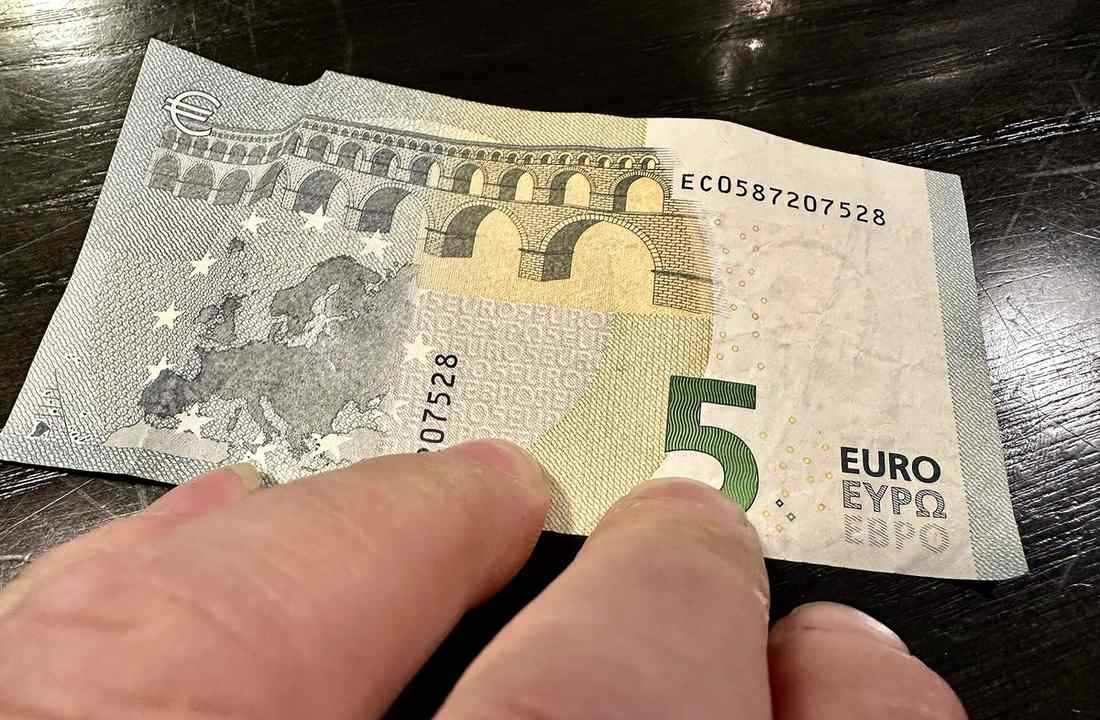
The Mykonos currency is the euro, with bank cards accepted almost everywhere but cash still handy for taxis, tips and small purchases, and ATMs widely available though most charge a fee. This guide covers the currency, cards and cash, ATMs and fees, which banks to use, avoiding Euronet, and how much money to budget. Plan the whole trip with Greece Tours.
Knowing about money is a practical part of the Mykonos travel guide, complementing the tipping guide. The sections below cover it in full.
What currency is used in Mykonos?
The money used in Mykonos is the euro (EUR), the same as the rest of Greece and the eurozone. Only euros buy everyday goods, so other currencies need exchanging. Cards work across the island, yet carrying euro cash helps for taxis, tips and kiosks.
The currency in Mykonos is the euro, the same as throughout Greece and the wider eurozone, so no separate island money exists to worry about. Everyday purchases, from restaurants and shops to taxis and beach clubs, take only euros. Arrive with another currency such as US dollars or British pounds, and you must exchange it for euros or withdraw euros from an ATM.
Mykonos is well set up for modern travellers, so card payments run across the island and you can largely get by on cards. Carrying euro cash still makes sense, because certain situations favour or require it, such as paying taxis, leaving tips, buying from kiosks and street stalls, and the occasional traditional venue. A practical mix of cards and cash is the ideal approach for a smooth trip, set out alongside the guide to Mykonos on a budget.
Can you use cards or do you need cash in Mykonos?
Cards work in Mykonos because Greek businesses must have card machines, so you pay by card almost everywhere, even at kiosks. Carry euro cash too for taxis, tips, beach vendors and emergencies. A mix of contactless cards and modest cash works best.
Mykonos is largely card-friendly, though cash keeps its place, so a balanced approach wins. Card acceptance runs high across the island: Greek businesses now must use point-of-sale card machines, and chip-and-pin and contactless payments have become the norm. You can comfortably pay by card in restaurants, hotels, shops, bars, beach clubs and most local kiosks and corner stores. That removes the need to carry large amounts of cash, which stays safer and more convenient, and credit and debit cards from major networks work fine.
Keeping euro cash on hand still helps for the situations where cash gets preferred or needed. Taxis often want cash, and tips reach staff directly when handed over in cash. Beach and street vendors, some traditional shops, and the occasional venue may take cash only, and cash makes a reliable backup when a card machine fails or an ATM sits out of reach. Holding a modest amount of euros alongside your cards covers all eventualities, set out alongside the guide to tipping.
What do euro banknotes and coins look like?
Euro banknotes come in denominations of five, ten, twenty, fifty, one hundred, two hundred and five hundred euros, while coins run from one cent up to two euros. One euro splits into one hundred cents, and the same notes and coins circulate across Mykonos.
Euro banknotes carry seven denominations, and travellers meet the lower values most often on a Mykonos trip. The five, ten, twenty and fifty euro notes cover typical spending, while larger notes such as the one hundred and two hundred prove awkward for small buys. Many kiosks and taxis dislike breaking a big note for a low-value purchase, so keeping smaller notes on hand smooths daily transactions and tips.
Euro coins run in eight values, from one, two, five, ten, twenty and fifty cents up to the one and two euro coins. One euro equals one hundred cents, so the coins handle change, small kiosk buys and gratuities. Holding a pocket of coins and small notes proves genuinely useful across the island, where taxis, beach vendors and traditional tavernas welcome exact or near-exact payment in cash.
Where are ATMs in Mykonos and what are the fees?
ATMs sit across Mykonos Town, the New Port, the airport and resort areas. Most charge around two euros plus your bank’s fee. Use Greek bank ATMs like Piraeus Bank or Alpha Bank, and avoid Euronet machines for their poor rates.
Getting cash in Mykonos stays easy, with ATMs across the island, though knowing which to use saves money. You find ATMs throughout Mykonos Town, at the New Port at Tourlos, at the airport and in the main resort and beach areas, so withdrawing euros stays convenient. Fees apply, though: most ATMs in Mykonos now charge a withdrawal fee of around two euros on top of the fees your own bank charges for foreign withdrawals, so larger, less frequent withdrawals beat repeated small ones.
Choosing your ATM wisely matters. ATMs belonging to trusted Greek banks such as Piraeus Bank and Alpha Bank generally offer better exchange rates and lower fees, so seek these out. Standalone Euronet ATMs, often brightly coloured and placed in busy tourist spots, earn a poor reputation for weak exchange rates and high withdrawal fees, so avoid them. Decline the machine’s offer to convert to your home currency, known as dynamic currency conversion, and always choose euros for a better rate. These choices keep costs down, set out alongside the guide to the New Port.
How do you exchange money in Mykonos?
The best way to get euros in Mykonos is withdrawing from Greek bank ATMs like Piraeus Bank or Alpha Bank, which give good rates and lower fees. Avoid Euronet ATMs and airport or tourist exchange bureaus. Decline dynamic currency conversion, always choosing euros.
Arriving with another currency or needing euros in Mykonos calls for the smartest exchange method, which saves you significant amounts. Withdrawing euros directly from ATMs using your debit or credit card suits most travellers, because this generally beats the rate at cash exchange bureaus. Choosing your ATM carefully drives the saving: use machines of established Greek banks such as Piraeus Bank and Alpha Bank, which offer better conversion rates and lower withdrawal fees, and skip the standalone Euronet ATMs found in tourist areas, notorious for weak rates and high charges.
Currency exchange bureaus at the airport, port and busy tourist spots deserve a wide berth too, because they typically offer unfavourable rates and steep fees. An ATM or card machine that offers to convert the charge into your home currency, known as dynamic currency conversion, always deserves a firm decline in favour of euros for a better rate. A travel-friendly debit or credit card with low foreign-transaction and ATM fees further trims costs. These choices get you euros at strong value, set out alongside the guide to Mykonos on a budget.
How much money should you budget for Mykonos?
Mykonos ranks among the most expensive Greek islands, so budget generously: meals, drinks, beach clubs and activities carry premium prices. Carry cards plus euro cash, keep cash for taxis and tips, and plan for higher peak-summer spending.
Budgeting sensibly matters in Mykonos, widely known as one of the most expensive and glamorous Greek islands, so costs add up quickly. Dining out, cocktails, beach club sunbeds and minimum spends, activities, transport and accommodation carry premium prices, especially at the chic, high-end venues and in the busy July and August peak. Set a generous budget, and expect a day to cost more than on quieter islands, so no bill surprises you.
Carry your cards for most payments and a practical amount of euro cash for taxis, tips, kiosks and cash-only spots, topping up from Greek-bank ATMs as needed. Withdraw cash in larger amounts less frequently to cut ATM fees rather than making repeated small withdrawals that each carry a charge. Keeping a small cash reserve for tips and taxis avoids being caught short, given the island’s scarce taxis and the custom of tipping in cash. Watching for high-priced tourist traps and comparing prices helps stretch your budget, set out alongside the guide to when to visit.
Is Mykonos expensive to visit?
Yes, Mykonos ranks as one of the priciest Greek islands, with high costs for dining, cocktails, beach clubs and accommodation, especially in peak summer. Careful planning, off-peak visits and Greek-bank ATM withdrawals keep spending in check.
Mykonos earns its reputation as a premium destination, so prices climb higher than on quieter Cyclades islands. Beach clubs charge for sunbeds and often set minimum spends, cocktails at fashionable bars command steep prices, and restaurants in Mykonos Town price meals at a premium. Accommodation follows the same pattern, with peak-summer rates among the highest in Greece, so an early booking and a clear budget protect your wallet.
Smart choices soften the cost without spoiling the experience. Eating at family-run tavernas away from the main harbour, visiting public beaches instead of exclusive clubs, and travelling in the shoulder months of late spring or early autumn all trim daily spending. Pairing these habits with Greek-bank ATM withdrawals and a card carrying low foreign fees keeps your money under control, so the island’s glamour stays affordable enough to enjoy.
How much cash should you bring to Mykonos?
Bring a modest reserve of euro cash for taxis, tips, kiosks and cash-only tavernas, then rely on cards for larger payments. Topping up from Greek-bank ATMs on the island beats carrying large sums, which raises the risk of loss or theft.
The right amount of cash to carry depends on your plans, though a modest reserve covers daily needs while cards handle the rest. A day of taxis, tips, kiosk snacks and the odd cash-only taverna rarely demands a large float, so a small stack of small euro notes and coins does the job. Cards cover restaurants, hotels, shops and beach clubs, which keeps the cash you carry low and your money safer.
Withdrawing euros from a Greek-bank ATM on arrival beats bringing a thick wad of cash from home, because carrying large sums raises the risk of loss or theft. Top up in larger, less frequent withdrawals to trim per-withdrawal fees, and keep a backup card stored apart from your wallet. A hotel safe holds spare cash and a second card securely, so a lost wallet never leaves you stranded on the island.
What money mistakes should you avoid in Mykonos?
Avoid Euronet ATMs, airport exchange bureaus and dynamic currency conversion, all of which cost you more. Do not carry only cash or only one card, skip telling your bank you travel, or underestimate the island’s high prices. Plan ahead and spread your risk.
Travellers lose money in Mykonos through a handful of avoidable slips. Using standalone Euronet ATMs or airport exchange bureaus hands over poor rates, and accepting dynamic currency conversion at the machine costs extra on every withdrawal. Carrying only cash risks loss or theft, while relying on a single card leaves you stranded if it gets blocked or fails, so spreading payment methods protects you.
Preparation prevents the other common errors. Forgetting to tell your bank you travel to Greece can trigger a fraud block on your card, and skipping a check of foreign-transaction and ATM fees hides real costs. Underestimating Mykonos prices catches out first-time visitors, so a generous budget and awareness of tourist-trap venues keeps your spending on track, set out alongside the guide to tipping.
What money tips help in Mykonos?
Carry cards plus euro cash, withdraw larger amounts from Greek bank ATMs to cut fees, keep cash for taxis and tips, tell your bank you travel, watch for inflated prices, and budget generously. Keep money secure and pack a backup card.
A handful of practical money habits help your finances run smoothly on a Mykonos trip. Rely on contactless cards for most purchases, which acceptance across the island supports, while keeping a modest amount of euro cash for taxis, tips, kiosks and cash-only situations. At ATMs, withdraw larger amounts less frequently from trusted Greek bank machines like Piraeus or Alpha Bank to trim per-withdrawal fees, and steer clear of Euronet.
Notify your bank or card provider that you travel to Greece before you go, so your cards escape a block for unusual activity, and check your foreign-transaction and ATM fees. Stay alert to the island’s high prices and the odd inflated tourist-trap bill, comparing prices and choosing wisely, and budget generously overall. Keep your cash, cards and valuables secure with a hotel safe, and pack a backup card stored separately in case one gets lost or fails. With a little planning and the right card-and-cash balance, managing money in Mykonos stays easy, set out alongside the guide to Mykonos on a budget.
What currency applies on the other Greek islands and Athens?
The euro applies across every Greek island and Athens, so the money that works in Mykonos works in Santorini, Paros, Naxos and the mainland. One currency covers the whole country, meaning no exchange between islands and the same cards, ATMs and cash habits throughout.
Greece uses the euro nationwide, so island-hopping never forces a currency change between stops. The euros you withdraw in Mykonos spend just the same in Santorini, Paros, Naxos or Athens, and your cards work identically across ferries, airports and town centres. That single-currency setup removes a common travel worry, because a trip spanning several islands and the mainland needs only one pot of euros and one set of cards.
Card acceptance and ATM availability stay strong across the larger islands and Athens, though smaller or remote islands carry fewer machines. Withdrawing a sensible reserve of euros before hopping to a quieter island guards against thin ATM coverage, and keeping small notes eases payment at rural tavernas and kiosks. The same Greek-bank preference applies everywhere: favour Piraeus Bank or Alpha Bank machines and skip Euronet, set out alongside the guide to when to visit.
How does tipping work with money in Mykonos?
Tipping in Mykonos stays modest and optional, with cash preferred so staff receive it directly. Rounding up a taxi fare, leaving a few euros in a taverna, and a small gratuity for hotel staff cover the custom. Keep small notes and coins on hand.
Tipping in Mykonos follows relaxed Greek norms rather than a fixed percentage, so a small gesture of appreciation does the job. Restaurants often add a service element to the bill, yet leaving extra euro coins or a small note rewards good service, and rounding up the total works well. Cafes and bars welcome loose change dropped in the tip jar, and beach servers appreciate a euro or two for table service.
Cash carries the tip most reliably, because a gratuity left on a card slip may not reach the server directly. Rounding up a taxi fare thanks the driver, a couple of euros per bag suits porters, and a few euros a day rewards housekeeping. Keeping small notes and coins ready means you never fumble for change, which is exactly why a modest cash reserve matters, explained in the guide to tipping.
How do you keep cards and cash safe in Mykonos?
Split your money between a card and a small cash float, store a backup card apart from your wallet, and use your hotel safe for spare cash. Guard your PIN at ATMs, favour busy well-lit machines, and check statements for unfamiliar charges.
Keeping your money secure in Mykonos rests on spreading risk rather than carrying everything at once. A primary card in your wallet, a small cash float for the day, and a backup card stored separately in your accommodation means a lost wallet never leaves you stranded. A hotel safe holds spare cash, a second card and travel documents, so the bulk of your funds stays protected while you explore.
Care at the machine and on the card matters too. Shield the keypad as you enter your PIN, favour ATMs attached to bank branches or in busy well-lit spots, and stay wary of standalone machines in quiet corners. Check your bank statements or app for charges you do not recognise, and keep your bank’s emergency number saved in case a card gets lost. These habits keep your money safe across the island, set out alongside the guide to Mykonos on a budget.
Frequently Asked Questions
What currency do you use in Mykonos?
The money used in Mykonos is the euro (EUR), the same as the rest of Greece and the eurozone. Only euros buy everyday goods, so other currencies need exchanging. Cards work across the island, though carrying euro cash helps for taxis, tips, kiosks and cash-only places.
Should you use cash or card in Mykonos?
You can pay by card almost everywhere in Mykonos, because Greek businesses must have card machines, even at kiosks. Carry euro cash too for taxis, tips, beach vendors, traditional shops and emergencies. A mix of contactless cards and a modest amount of cash suits a smooth trip.
Which ATMs should you use in Mykonos?
Use Greek bank ATMs like Piraeus Bank or Alpha Bank in Mykonos for better exchange rates and lower fees. Avoid the standalone Euronet ATMs, which carry poor rates and high charges, and decline any offer to convert to your home currency, always choosing euros. Most ATMs charge around two euros plus your own bank’s fee.
Can you use US dollars or British pounds in Mykonos?
No, shops, restaurants and taxis in Mykonos take only euros, so dollars or pounds need exchanging first. Withdrawing euros from a Greek-bank ATM gives a better rate than airport or tourist exchange bureaus, so skip those and get euros on the island instead.
How can you get the best euro exchange rate in Mykonos?
Withdraw euros from Greek bank ATMs such as Piraeus Bank or Alpha Bank, decline dynamic currency conversion, and always choose to be charged in euros. Skip Euronet machines and airport exchange bureaus, and use a travel card with low foreign-transaction and ATM fees for the strongest value.