
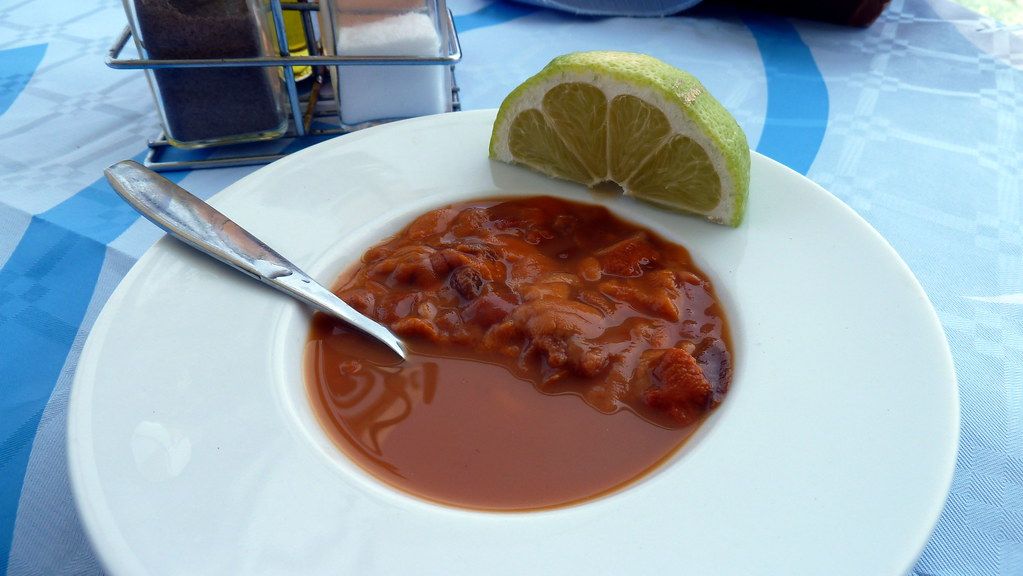
Ios sustains a rewarding food scene rooted in Cycladic tradition and the produce of its mountain farms. The island’s signature product is skotyri. A spicy soft cheese unique to Ios that appears in meze spreads and local dishes across the tavernas of the hilltop capital and the harbour below. Alongside this distinctive cheese, the island produces mizithra, honey and wine, while the tavernas serve fresh seafood landed at the port. Grilled meats and classic Cycladic preparations such as tomato fritters and stuffed vegetables. The dining scene centres on two locations: the pedestrianised marble alleys of the hilltop town and the waterfront at the port. Each offering a different atmosphere and approach to island cooking. Plan the whole trip with Greece Tours.
The tavernas in the hilltop capital range from traditional ouzeries serving meze and grilled octopus to cosmopolitan restaurants catering to the summer crowd, while the harbour tavernas specialise in seafood and harbour views. Dining on Ios balances authentic island flavours with the energy of a young, international summer population, and the food remains accessible and unpretentious. The island’s small scale means that local products reach the table quickly, and the tradition of sharing meze over ouzo remains central to the evening rhythm in both villages. Understanding where to eat and what to order unlocks the best of Ios food culture, from the spicy bite of skotyri to the simplicity of grilled fish by the water.
What is skotyri and why is it important to Ios food?
Skotyri is a spicy soft cheese made exclusively on Ios from goat and sheep milk, matured with local herbs and pepper.
The production of skotyri follows a centuries-old method practised on the mountain farms scattered across the interior of the island. Cheesemakers combine fresh goat and sheep milk with rennet, then drain the curds and mix them with sea salt, black pepper and wild herbs gathered from the hillsides. The cheese matures in cool cellars for weeks, developing its characteristic heat and tang. Each farm produces a slightly different version, but all share the creamy consistency and the warming bite that distinguishes skotyri from the milder cheeses found elsewhere in the Cyclades. The cheese does not travel well and remains rare outside Ios, making it a genuine island speciality that visitors encounter only here.
Tavernas serve skotyri as part of the meze selection, spread on warm bread or paired with tomatoes and olives. The cheese also appears in baked dishes, mixed into pies or melted over vegetables, and it features in salads alongside mizithra, another local cheese with a softer, sweeter profile. The combination of skotyri and mizithra on a single plate illustrates the range of Ios dairy production. Both cheeses benefit from the island’s tradition of small-scale farming and the quality of the grazing on the dry, herb-covered slopes. Ordering a meze platter in Ios Chora almost always includes skotyri, and tasting it provides immediate insight into the island’s food identity.
The cheese has become a point of pride for the island, and local producers sell it at small shops in the hilltop town and at the harbour. Visitors often buy skotyri to take home, though it requires refrigeration and consumption within days. The cheese pairs well with local wine, particularly the dry whites produced on the island, and it complements the strong flavours of ouzo and tsipouro. Skotyri embodies the resourcefulness of island agriculture. Turning the milk of hardy animals into a product that defines the taste of Ios and connects the modern taverna table to the farming traditions of the interior.
Where are the best places to eat in Ios?
The hilltop town and the harbour village concentrate the dining options on Ios.
The hilltop town spreads across the slopes below the church of Panagia Gremiotissa, and its narrow marble-paved lanes hide dozens of tavernas, cafes and restaurants. Traditional establishments cluster around the main square and the quieter side streets, serving grilled meats, Cycladic vegetable dishes and meze platters with local cheese. Ouzeries open in the early evening, offering small plates of octopus, sardines. Fava and cheese to accompany ouzo or tsipouro. These informal spots attract both locals and visitors looking for authentic island flavours. The cosmopolitan restaurants along the busier lanes serve a wider menu, including pasta, pizza and international dishes, reflecting the young, international crowd that fills the town during the summer months.
Dining in the hilltop capital combines food with the atmosphere of the whitewashed maze, and tavernas set tables on terraces with views over the valley and the sea beyond.
The harbour village sits about two kilometres below the hilltop town, and its waterfront tavernas specialise in seafood landed at the port each morning. Grilled fish, octopus, calamari and prawns dominate the menus, and the setting beside the water adds to the appeal. The pace at Gialos is quieter than in the hilltop capital, and the tavernas attract families and visitors seeking a more relaxed meal. The church of Agia Irini provides a picturesque backdrop, and the harbour lights reflect on the water after dark. The seafood here is straightforward, grilled or fried and served with lemon. Olive oil and simple salads.
The quality depends on the daily catch and the skill of the kitchen rather than elaborate preparation.
Both locations offer outdoor seating, and dining on Ios takes place almost entirely outside during the summer season. The hilltop town suits those who want variety, energy and the option to move between tavernas and bars, while the harbour suits those who prefer a quieter, seafood-focused meal by the water. A frequent local bus connects the two villages, running every fifteen to thirty minutes, so visitors staying in one location easily reach the other for dinner. The choice between the hilltop and the harbour often comes down to mood and appetite, and exploring things to do in Ios naturally includes sampling the food in both settings.
What seafood dishes are typical in Ios tavernas?
Ios tavernas serve fresh fish and seafood landed at the port, prepared simply to highlight the quality of the catch. Grilled whole fish, octopus, calamari, prawns and sardines appear on most menus, along with seafood salads and fried whitebait.
Grilled whole fish remains the centrepiece of seafood dining on Ios. Red mullet, sea bream, sea bass and grouper arrive at the table charred from the grill. Drizzled with olive oil and lemon. Accompanied by boiled greens or a simple tomato salad. Tavernas display the day’s catch on ice, and diners choose their fish by size and type before it goes to the kitchen. The fish is weighed, and the price is calculated per kilogram, so the cost varies with the catch and the season. Grilled octopus, often served as a meze or a main course, is tender and smoky. Dressed with olive oil, vinegar and oregano. It pairs well with ouzo or a cold beer.
The octopus is usually boiled first, then finished on the grill to develop the charred edges that add flavour and texture.
Calamari and prawns appear in fried and grilled versions. Fried calamari, dusted with flour and cooked until golden, is a staple meze, served with lemon wedges and eaten with the fingers. Grilled prawns, often marinated in garlic and olive oil, arrive on skewers or in a shallow dish, and they require peeling at the table. Sardines, when available, are grilled whole and eaten with bread, and their strong, oily flavour suits the robust island wines. Whitebait, fried crisp and eaten whole, appears as a meze in tavernas, and the tiny fish are addictive when fresh.
The seafood on Ios is not refined or inventive, but it is fresh and prepared with the confidence that comes from centuries of coastal cooking.
Seafood salads combine octopus, calamari or prawns with tomatoes, onions, capers and olive oil, offering a lighter option in the heat of summer. The salads are generous, often large enough to share, and they work well as a starter or a main course. The harbour tavernas at the port have the shortest supply chain. With fish moving from boat to kitchen in a matter of hours. This proximity to the source shows in the quality. Visitors who arrive on the ferry at Ios often eat their first meal at the harbour, and the seafood provides an immediate introduction to the island’s straightforward, flavour-focused cooking.
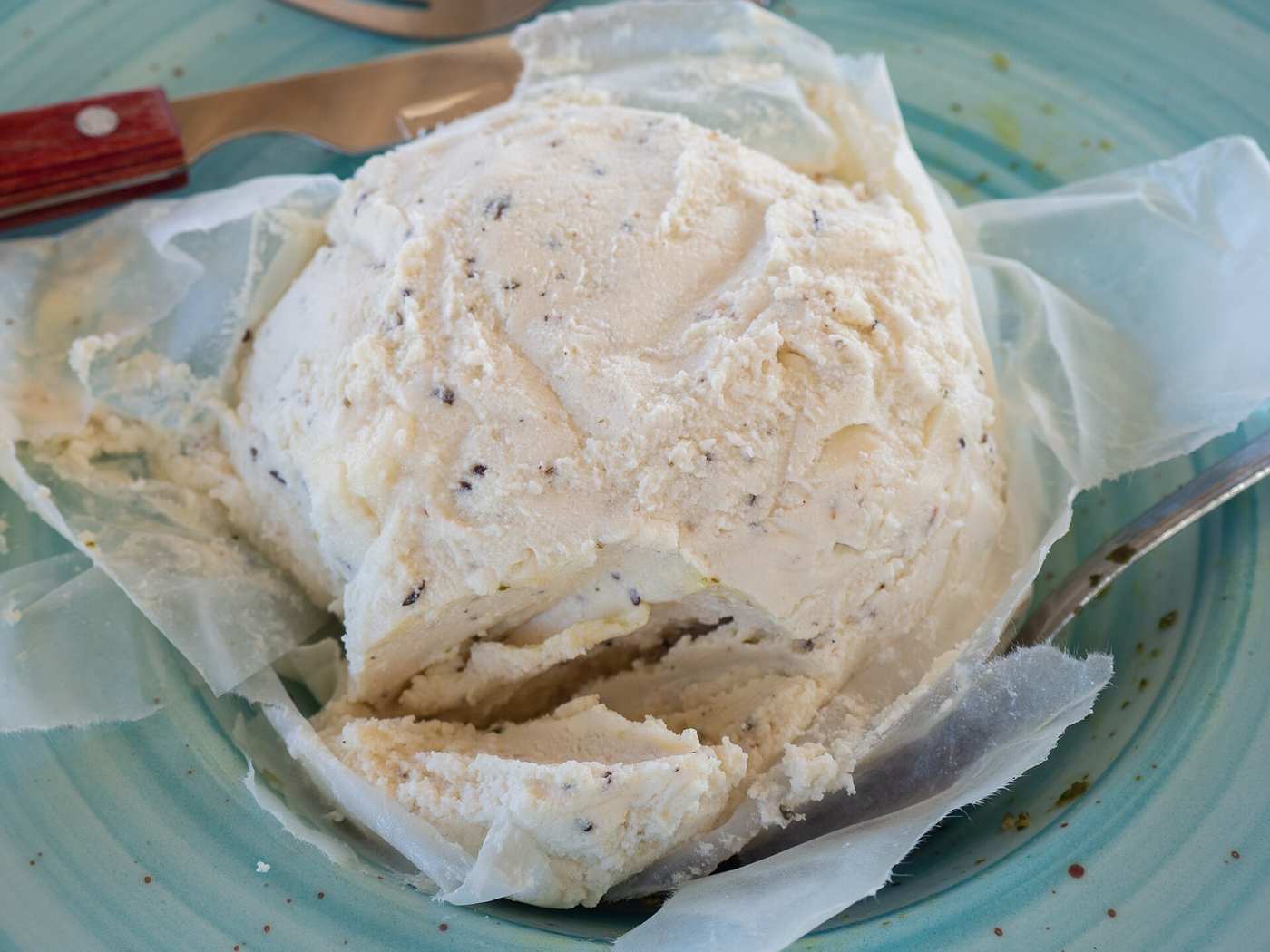
What Cycladic dishes appear on Ios menus?
Ios tavernas serve classic Cycladic and Greek dishes alongside the island’s own specialities.
Tomato fritters, known as domatokeftedes, are a Cycladic staple that appears on nearly every taverna menu on Ios. The fritters combine grated tomatoes, onions, fresh mint and flour, formed into patties and fried until crisp on the outside and soft within. The dish originated as a way to use the abundant summer tomatoes, and it remains popular as a meze or a light main course. Stuffed vegetables, including tomatoes, peppers and courgettes filled with rice, herbs and sometimes minced meat, reflect the agricultural traditions of the island and the wider Cyclades. The vegetables are baked slowly with olive oil and tomato sauce. They are served warm or at room temperature.
Making them a practical choice for tavernas that prepare dishes in advance.
Fava, a puree of split yellow peas, appears as a meze across the Greek islands. On Ios it is often topped with capers, onions and a drizzle of olive oil. The dish is creamy and earthy, and it pairs well with grilled octopus or sardines. Grilled meats, including lamb chops, pork souvlaki and chicken, are cooked over charcoal and served with fried potatoes, tzatziki and bread. The souvlaki on Ios is straightforward, with chunks of marinated pork or chicken threaded onto skewers and grilled until charred. Moussaka, the layered baked dish of aubergine, minced meat and béchamel, is a common offering, though it is not unique to the island.
Greek salad, with tomatoes, cucumbers, onions, olives and feta, is ubiquitous, and on Ios it sometimes includes skotyri or mizithra in place of the standard feta.
Local variations on these dishes incorporate the island’s own products. Pies filled with mizithra or skotyri, baked in thin pastry, appear in tavernas, and they are eaten warm as a starter or a snack. Grilled vegetables, including aubergines, courgettes and peppers, are dressed with olive oil and served as a side or a meze. The cooking on Ios does not aim for innovation, but it delivers consistent, satisfying flavours rooted in the ingredients and techniques of the Cyclades. The dishes are designed to be shared. The taverna culture encourages ordering plates and passing them around the table. A practice that suits the communal, relaxed pace of island dining.
What local products come from the farms of Ios?
The mountain farms of Ios produce cheese, honey and wine, along with vegetables and herbs grown on the dry, terraced slopes.
Cheese production dominates the agricultural output of Ios, with small farms scattered across the interior keeping goats and sheep that graze on the wild herbs and grasses covering the hillsides. The milk from these animals goes into skotyri and mizithra, and both cheeses are made in limited quantities, sold locally and consumed fresh. Skotyri requires skill and patience, and the tradition is maintained by a handful of producers who learned the craft from their families. Mizithra, a softer, unsalted cheese similar to ricotta, is eaten fresh or dried, and it appears in salads, pies and desserts.
The cheese-making season runs from late winter through spring, when the animals produce the most milk, and the cheeses are available year-round thanks to preservation and storage techniques.
Honey production on Ios benefits from the island’s abundant thyme, which blooms across the hillsides in late spring and early summer. Thyme honey is thick, aromatic and golden, with a distinctive flavour that reflects the wild landscape. Beekeepers place hives in remote areas away from the villages, and the honey is harvested in small batches. The honey is sold in jars at local shops and markets, and it is used in desserts, drizzled over yoghurt or eaten with cheese. Wine production on Ios is modest, with a few small vineyards cultivating indigenous and international grape varieties. The wines are dry and light, suited to the island’s hot, dry climate, and they are consumed locally rather than exported.
Red and white wines appear on taverna tables, and they pair well with the grilled meats and seafood that dominate the menus.
Vegetables grown on the terraced plots near the farms include tomatoes, courgettes, aubergines, peppers and onions, and these supply the tavernas during the summer months. The vegetables are smaller and more intensely flavoured than those grown in irrigated regions. They form the basis of the stuffed dishes. Salads and grilled sides that appear on Ios menus. Herbs, including oregano, thyme, rosemary and mint, grow wild and are gathered for cooking and for drying. The agricultural landscape of Ios is harsh and unforgiving, but it produces ingredients with concentrated flavours that define the island’s food. The connection between the farms and the tavernas is direct, and the produce reaches the kitchen within hours of harvest, ensuring freshness and quality.
How does meze and ouzo culture work on Ios?
Meze and ouzo culture on Ios follows the traditional Greek pattern of small shared plates accompanying anise-flavoured spirits.
The ritual of meze and ouzo begins in the late afternoon or early evening, when the heat of the day fades and the tavernas and ouzeries start to fill. Ouzo, the anise-flavoured spirit distilled across Greece, is served in small glasses with a carafe of cold water, and diners dilute the spirit to taste, turning it cloudy. Tsipouro, a stronger, often un-anised spirit, is also popular, and it is drunk in the same manner. The drinking is never rushed, and the arrival of meze plates sets the pace. The first plate often includes olives, bread and cheese, followed by grilled octopus, fried calamari, sardines or tomato fritters.
Each plate is small, designed to be shared, and the progression through dishes extends the evening and encourages conversation.
Ouzeries on Ios specialise in this style of dining, and they offer a focused menu of meze rather than full meals. The atmosphere is informal, with tables set close together and a steady hum of conversation. The meze selection varies with the season and the catch, but it always includes local cheese, and skotyri appears on nearly every table. Grilled octopus, tender and smoky, is a favourite, and it pairs perfectly with the anise notes of ouzo. Fava, the split pea puree, is creamy and satisfying, and it balances the saltier, oilier dishes. The portions are small enough that diners order plates, and the variety keeps the meal interesting.
The cost of meze dining is moderate, and the format suits groups who want to share and sample widely.
The culture of meze and ouzo is social and communal, and it reflects the broader Greek approach to eating and drinking. Meals are not hurried, and the focus is on the company and the conversation as much as the food. On Ios, this tradition thrives in the hilltop town, where the pedestrianised alleys fill with tables and the sound of clinking glasses. The ouzeries attract a mix of locals and visitors, and the informal setting makes it easy to join in. The tradition also extends to the harbour tavernas, where meze plates accompany beer or wine as well as ouzo.
Understanding this rhythm and embracing the slow, shared pace unlocks one of the most enjoyable aspects of dining on the island.
What practical tips help visitors enjoy Ios food?
Visitors enjoy Ios food by seeking out tavernas that serve local products, ordering meze to share, eating at both the hilltop town and the harbour, and asking for skotyri cheese and fresh fish.
Asking for skotyri cheese when ordering meze ensures that visitors taste the island’s signature product, and requesting the catch of the day at seafood tavernas guarantees the freshest fish. Tavernas that display fish on ice or have a visible grill are reliable indicators of quality, and choosing whole fish over fillets provides better value and flavour. Ordering multiple meze plates to share allows diners to sample a wider range of dishes, and it aligns with the Greek tradition of communal eating. Arriving early, around seven or eight in the evening, secures a table without a wait, and it allows time to enjoy the meal before the nightlife begins.
The hilltop town becomes crowded later in the evening, especially during the peak season from mid-June to mid-August, so early dining offers a more relaxed experience.
Exploring the side streets and quieter alleys in the hilltop capital reveals smaller, family-run tavernas that serve traditional dishes without the tourist-focused menus of the busier lanes. These spots often have handwritten menus, limited seating and a loyal local clientele, and they provide a more authentic taste of island cooking. At the harbour, the tavernas closest to the water offer the best views, but those set back a street or two often deliver comparable food at lower prices. Asking locals for recommendations, or observing where they eat, is a reliable strategy. The bus service between the harbour and the hilltop town runs frequently.
Visitors can easily dine in one location and return to accommodation in the other without needing a car or scooter.
Embracing the slow pace of Greek meals, where courses arrive gradually and the evening unfolds over hours, enhances the experience. Rushing through dinner or expecting quick service leads to frustration, while settling in and enjoying the atmosphere aligns with the island’s rhythm. Drinking water alongside wine or ouzo prevents dehydration in the summer heat, and ordering a Greek salad or grilled vegetables balances the richer meat and cheese dishes. Tipping is appreciated but not obligatory, and rounding up the bill or leaving euros is standard practice. Understanding these practical details and approaching meals with patience and curiosity allows visitors to enjoy the full range of Ios food culture.
From the spicy bite of skotyri to the simple pleasure of grilled fish by the harbour.
Frequently Asked Questions
What is skotyri cheese and where can I try it on Ios?
Skotyri is a spicy soft cheese made exclusively on Ios from goat and sheep milk, matured with local herbs, sea salt and black pepper. The cheese has a creamy texture and a sharp, piquant flavour that distinguishes it from the milder cheeses found elsewhere in the Cyclades. Skotyri appears on meze platters in tavernas across the island, and it is also sold in small shops in the hilltop town and at the harbour. The cheese is produced on mountain farms in the interior of Ios, and each producer creates a slightly different version, though all share the characteristic heat and tang.
Skotyri pairs well with tomatoes, olives and warm bread, and it is often served alongside mizithra, another local cheese with a softer, sweeter profile. Ordering a meze selection in the hilltop capital or at the harbour tavernas almost always includes skotyri, and tasting it provides immediate insight into the island’s food identity. The cheese does not travel well and remains rare outside Ios, making it a genuine island speciality that visitors encounter only here.
Where are the best tavernas in Ios for fresh seafood?
The harbour village at the port holds the best tavernas for fresh seafood on Ios, with waterfront establishments serving fish and octopus landed at the harbour each morning. The tavernas display the day’s catch on ice, and diners choose their fish by size and type before it is grilled or fried. Grilled whole fish, octopus, calamari, prawns and sardines dominate the menus. The cooking is straightforward, relying on olive oil, lemon and sea salt to highlight the quality of the seafood. The setting beside the water, with views of the church of Agia Irini and the harbour lights reflecting after dark, adds to the appeal.
The pace at the harbour is quieter than in the hilltop town, and the tavernas attract families and visitors seeking a relaxed, seafood-focused meal. The proximity to the port means the supply chain is short, and the fish moves from boat to kitchen within hours, ensuring freshness. The hilltop capital also has tavernas serving seafood, but the harbour offers the most direct connection to the catch and the most authentic coastal dining experience on the island.
What local products are made on Ios farms?
The mountain farms of Ios produce cheese, honey, wine and seasonal vegetables, with skotyri and mizithra cheese being the most celebrated products. Skotyri is a spicy soft cheese made from goat and sheep milk, matured with local herbs and pepper, while mizithra is a softer, unsalted cheese similar to ricotta. Both cheeses are made in limited quantities and sold locally. Thyme honey is another important product, harvested in late spring and early summer when the wild thyme blooms across the hillsides. The honey is thick, aromatic and golden, with a distinctive flavour that reflects the island’s landscape.
Small vineyards on Ios cultivate indigenous and international grape varieties, producing dry red and white wines that are consumed locally rather than exported. The wines are light and suited to the hot, dry climate, and they pair well with the grilled meats and seafood served in tavernas. Vegetables, including tomatoes, courgettes, aubergines and peppers, are grown on terraced plots and supply the tavernas during the summer months. Herbs such as oregano, thyme and mint grow wild and are gathered for cooking, adding concentrated flavours to the island’s dishes.
How does dining in Ios Chora differ from dining at Gialos?
Dining in the hilltop town offers the widest choice and the most cosmopolitan atmosphere, with traditional tavernas, ouzeries and international restaurants spread across the pedestrianised marble alleys. The hilltop capital serves grilled meats, Cycladic vegetable dishes, meze platters with local cheese, and a range of international options including pasta and pizza. The setting combines food with the atmosphere of the whitewashed maze, and tavernas have terraces with views over the valley and the sea. The energy in the hilltop town is higher, especially during the summer months, and the dining scene connects to the nightlife that fills the alleys after dark.
Dining at the harbour village focuses on seafood, with waterfront tavernas serving grilled fish, octopus, calamari and prawns landed at the port each morning. The pace at the harbour is quieter and more relaxed, and the setting beside the water, with views of the church of Agia Irini, provides a more tranquil experience. The harbour suits families and visitors seeking a straightforward, seafood-focused meal, while the hilltop town suits those who want variety, energy and the option to move between tavernas and bars. A frequent local bus connects the two villages, so visitors can easily experience both dining environments during their stay.