
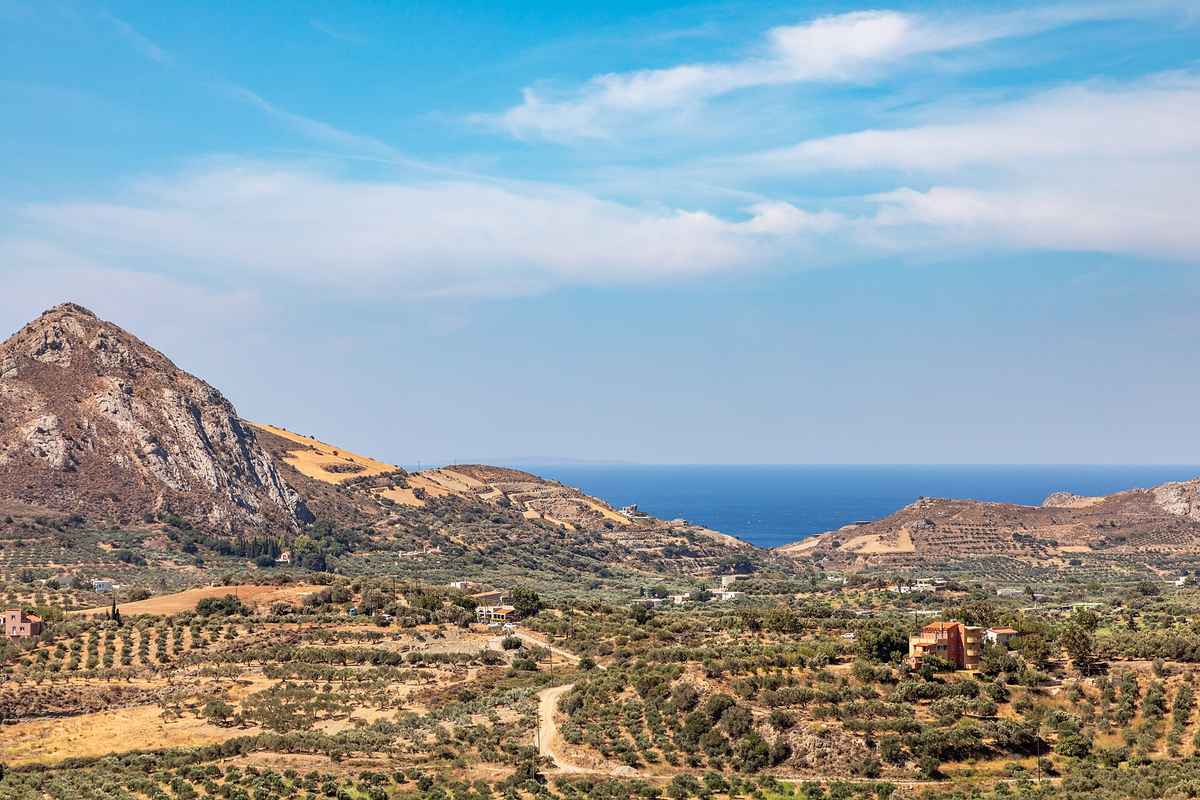
Ikaria in winter shows a different face from its summer self. The beaches empty, the crowds vanish, and the island returns to its own residents. Rain feeds the hills, turning the rugged interior deep green after the autumn showers. Daytime highs sit cool but mild by Mediterranean standards, and the sea keeps the air from turning bitter. Villages carry on their year-round rhythm, tavernas serve local food, and the radon thermal springs at Therma stay warm through the cold months. This season rewards slow travel, walking and honest local life rather than swimming and nightlife. Plan an off-season trip with My Greece Tours.
Winter travel to Ikaria asks for realistic expectations and a little flexibility. Ferry and flight schedules thin out, weather shifts fast, and certain seasonal businesses shut until spring. The payoff is a quiet, authentic island that limited outsiders ever witness. Our full Ikaria travel guide covers the island across every season, and this page focuses on the cold months alone. The sections below cover what winter really feels like, what stays open and what closes, the thermal springs and walking, transport off-season, and who this kind of trip actually suits, with practical tips throughout.
What is Ikaria like in winter?
Ikaria in winter feels mild, wet and green. Daytime highs often reach around twelve to fifteen degrees Celsius. Rain arrives in spells, the hills turn lush, and the island stays calm, quiet and lived-in rather than closed and empty.
Winter on Ikaria trades summer heat for cool, changeable air. Daytime temperatures often land around twelve to fifteen degrees Celsius, with colder nights and rain arriving in waves. The surrounding sea moderates the climate, so hard frost stays rare near the coast. Higher villages feel noticeably cooler and can catch wind and cloud. Rain feeds the streams, and the interior turns a deep green that summer visitors never see. Learning the Ikaria weather patterns helps you pack and plan, because bright, calm days and grey, wet ones can follow each other closely. Bring layers, a waterproof shell and shoes that grip damp stone paths.
Rain and wind can arrive fast off the open Aegean, so a flexible daily plan beats a rigid schedule. Warm indoor spaces, from kafeneia to thermal pools, matter far more this season than shade.
The scenery becomes the main event once the beach season ends. Slopes that looked dry and dusty in August grow soft and vivid, and springs run full across the hills. Stone villages sit quiet under low cloud, smoke rising from chimneys in the cooler settlements. The light stays low and warm, good for photography across the terraces and gorges. Sea days give way to walks, thermal soaks and long meals indoors. Checking the best time to visit Ikaria makes the trade-offs clear, since winter offers solitude and green landscapes rather than swimming, sunbathing and the famous summer festivals that draw crowds to the island in August. The quiet lets the island’s character show through without the summer bustle.
Terraces, chapels and old paths stand out against the green, and every viewpoint feels private rather than shared with a crowd.
What stays open and what closes on Ikaria in winter?
Beach tourism largely shuts down in winter. Seasonal hotels, coastal bars and summer tavernas close. The island keeps working, though: tavernas, kafeneia, bakeries and shops stay open in Agios Kirykos, Evdilos and the larger villages, serving residents year-round.
Ikaria runs on a real, year-round community rather than tourism alone, so the island never fully closes. Agios Kirykos, the capital, keeps its shops, pharmacies, bakeries and kafeneia running through winter. Evdilos, the northern port, stays active too, along with larger inland villages like Christos Raches and Agios Dimitrios. Local tavernas serve hearty seasonal cooking, and the famous late-night village rhythm continues in a quieter form. A variety of purely seasonal businesses do shut: beachfront bars, summer-only rooms and certain coastal restaurants close until spring. Confirming opening hours ahead matters, since winter timetables shift and certain places open only on certain days.
Residents enjoy ample daily life beyond the beaches once summer ends, and visitors can share it by adjusting expectations and slowing the pace to match the island’s quieter winter mood.
Accommodation thins out but does not vanish. Family-run guesthouses and a handful of year-round hotels stay open, mostly around Agios Kirykos, Therma and Evdilos. Booking direct and messaging owners in advance is the safest approach, because listings can look closed online even when the host will happily host a winter guest. Groceries, fuel and basic services remain available in the main towns, so self-catering works well. Rural hamlets grow very quiet, and certain mountain roads see little traffic. Planning meals around the towns and villages that stay busy prevents the frustration of arriving at a shuttered kitchen.
Winter visitors who ask locally, stay flexible and keep to the populated centres find a warm, functioning island rather than a ghost town waiting for the summer season to return.
Can you use the Ikaria hot springs and walk in winter?
Yes. The radon thermal springs at Therma are a year-round highlight and feel especially restorative in the cold months. The green interior suits walking, with old stone paths, gorges and mountain villages accessible on milder, drier days.
The thermal springs are the winter star of the island. Therma, just east of Agios Kirykos, holds naturally warm, radon-rich waters used since antiquity. Soaking in a hot spring while cool sea air surrounds you defines the off-season experience. The Ikaria hot springs operate through winter, and certain seaside pools and bathhouses stay accessible in the cold months, though hours reduce and a handful of facilities pause. Checking ahead avoids a wasted trip. The warmth of the water pairs perfectly with a raw, grey day, and locals treat the springs as part of ordinary winter life rather than a summer novelty aimed only at tourists.
The therapeutic tradition here runs deep, and the quiet season lets you enjoy the water without the summer queues. A slow soak after a wet morning walk feels like the heart of an off-season visit.
Walking replaces swimming as the main outdoor activity. Ikaria carries a network of old footpaths, kalderimia and hiking routes that link villages, springs and gorges across the green interior. Cooler air makes uphill walking comfortable, and the rain-fed landscape looks its best. Trails turn slick after storms, so grippy footwear and a forecast check matter. The wider list of things to do in Ikaria shifts toward walking, thermal soaks, village kafeneia, local food and quiet exploration by car. Short daylight hours mean early starts pay off. Combining a morning walk with an afternoon soak at Therma makes a satisfying, unhurried winter day on the island.
Village kafeneia offer warm refuge between activities, and a long lunch of local food rounds out the rhythm. This blend of movement, warmth and rest defines a good cold-season day here.
How do ferries, flights and getting around work off-season?
Schedules thin out in winter. Ferries run less often and cancel in rough seas, while flights to the small airport reduce to fewer weekly services. Renting a car is the practical way to explore, since local buses run sparsely off-season.
Reaching Ikaria off-season needs more planning than a summer hop. Ferries connect the island to Piraeus and neighbouring north Aegean islands, but winter timetables drop to fewer sailings, and rough seas can delay or cancel a crossing at short notice. Building a buffer day into your plans protects against a missed connection. The small airport near Agios Kirykos handles domestic flights, and winter frequency falls to a limited weekly schedule. Booking early secures the fewer available seats. Weather drives everything in this season, so watching the forecast and staying flexible with dates keeps a trip on track.
Travellers who treat the return journey with the same care as the outbound one avoid the classic off-season trap of being stranded by a storm at the port or airport.
Getting around the island itself works best with your own vehicle. Renting a car gives freedom to reach thermal springs, villages and trailheads on your own timetable. Public buses run, but the winter schedule is sparse and geared to local needs rather than sightseeing. The main roads link Agios Kirykos, Therma and Evdilos, though mountain routes twist steeply and can flood or ice at height after storms. Driving carefully on wet, winding roads matters, and fuel is available in the main towns. Ferry cancellations and reduced flights make winter transport the single biggest thing to plan around.
Confirming rental availability in advance is wise, since fewer agencies operate off-season and stock is limited compared with the busy summer months on this part of the island.
Who is a winter visit to Ikaria for, and what should you know?
A winter visit suits independent travellers who want quiet, authentic island life over beaches and nightlife. Expect thermal soaks, walking, local food and slow days. Come flexible, book direct, watch the weather, and rent a car.
Winter Ikaria rewards a particular kind of traveller. It suits people drawn to solitude, green landscapes, thermal water and genuine local culture rather than sunbathing, beach bars and summer festivals. Walkers, photographers, wellness seekers and anyone curious about real year-round island life find an abundance here. The pace slows right down, and the reward is space, quiet and honest hospitality. Families with young children who need beaches and predictable weather may find the season limiting. Flexibility is the key trait for a good trip: a willingness to change plans around a storm, eat where the kitchens are open, and enjoy a grey day as considerable as a bright one.
Travellers who arrive expecting a summer island in miniature will feel let down by the closed beaches and quiet nights.
Practical preparation makes the difference between a great winter trip and a frustrating one. Pack layers, waterproofs and sturdy shoes, and bring a book for the wettest afternoons. Book accommodation direct and confirm it is open, message tavernas about winter hours, and keep cash for smaller villages. Rent a car early, watch ferry and flight forecasts, and leave a buffer day around your departure. Base yourself near Agios Kirykos, Therma or Evdilos to stay close to the businesses that keep running. Balance ambition with the short daylight and changeable weather, and treat the thermal springs, walks and long village meals as the core of the trip.
Plan around transport first, and the rest of a winter visit falls comfortably into place on this quiet corner of the Aegean.
Frequently Asked Questions
Is Ikaria worth visiting in winter?
Ikaria is worth visiting in winter for the right traveller. The island trades beaches and crowds for green hills, quiet villages, thermal springs and authentic year-round life. Winter suits walkers, photographers, wellness travellers and anyone who values solitude and local culture over sunbathing and nightlife. The radon springs at Therma stay warm and restorative through the cold months, and the rain-fed interior looks its best. Daytime highs sit mild but cool, and rain arrives in spells, so grey and bright days alternate. Beach tourism closes, and transport thins out, which asks for flexibility and planning. Travellers who accept those trade-offs find a peaceful, functioning island with warm hospitality and almost no other visitors.
People who need reliable sunshine, swimming and a lively summer scene will feel the season is too quiet. The verdict rests entirely on what you want from an island trip in the first place. Travellers seeking a slow, restorative break with thermal water, walks and real local food tend to leave delighted.
What is open on Ikaria in winter?
The main towns and larger villages keep working through winter, so essential services stay open. Agios Kirykos, the capital, runs shops, bakeries, pharmacies, kafeneia and tavernas year-round, and Evdilos and bigger inland villages like Christos Raches stay active too. Local tavernas serve hearty seasonal cooking, and the famous late-night village culture continues in a calmer form. The thermal springs at Therma operate through the cold months, with reduced hours at certain facilities. Family-run guesthouses and a handful of year-round hotels stay open, mostly around Agios Kirykos, Therma and Evdilos. Groceries, fuel and basic services remain available in the main towns. Purely seasonal businesses close: beachfront bars, summer-only rooms and certain coastal restaurants shut until spring.
Confirming opening hours ahead matters, since winter timetables shift and certain places open only certain days. Basing yourself near a busy town keeps you close to the kitchens and shops that stay running. Messaging owners and tavernas directly is the surest way to confirm what is genuinely open before you arrive.
How cold does Ikaria get in winter?
Ikaria stays mild but cool in winter by Mediterranean standards. Daytime highs often reach around twelve to fifteen degrees Celsius near the coast, with colder nights and cooler conditions up in the mountain villages. The surrounding sea moderates the climate, so hard frost is rare at low altitude, though higher ground catches more wind, cloud and occasional cold snaps. Rain is the defining feature rather than deep cold, arriving in spells and feeding the green hills. Bright, calm days and grey, wet ones can follow each other closely, so conditions change fast. Snow can dust the highest peaks but rarely troubles the coast. Packing layers, a waterproof shell and sturdy shoes handles the changeable weather comfortably.
Wind and rain make certain days feel colder than the thermometer suggests, especially on exposed ridges. Checking the forecast before ferries, flights and mountain drives keeps a winter trip safe and on schedule across the island.