
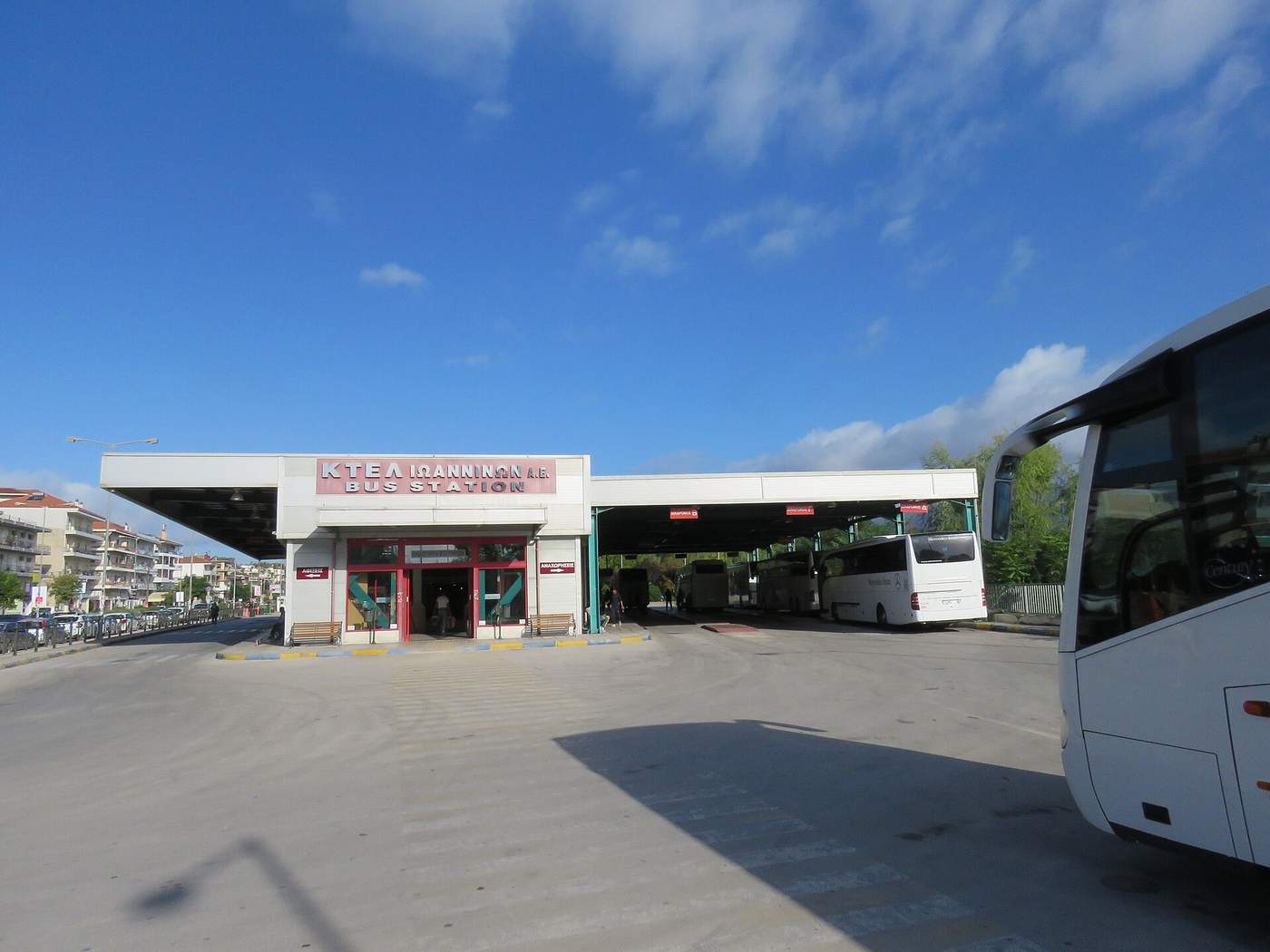
The Thassos bus is the island’s public transport system, run by the regional KTEL company from the main station at the port of Limenas. Green-and-white minibuses and small coaches radiate from the capital around a single coastal ring road that circles the island. Passengers reach resorts, fishing villages, mountain settlements, and the best-known beaches for a low fare. The network connects with the mainland ferries at Keramoti and Kavala, so a car-free arrival can travel on entirely by public transport. Timetables shift with the season and the day of the week, rewarding travellers who plan around the schedule. Fares stay cheap, tickets are simple to buy, and the scenery along the coast turns a plain transfer into a sightseeing ride.
The bus rewards visitors who want an affordable, scenic way to explore the island without a hire car. The sections below explain what the Thassos bus is and who runs it, how the coastal routes work, which villages and beaches the lines serve, how buses connect with the mainland ferries, how timetables change through the season, what tickets cost and where to buy them, and when the bus beats a car. Regular Thassos tours pair public transport with organised trips and boat departures across the island. Each section answers one clear question and points to what matters on the ground for a bus-based holiday.
What is the Thassos bus and who runs it?
The Thassos bus is the island’s public transport network, operated by the regional KTEL company. Buses run from the main station at the port of Limenas, the island capital, and reach villages and beaches around the coast.
KTEL runs the public bus service on Thassos as part of the national network of regional operators found across Greece. The company keeps its main station at the port of Limenas, also called Thassos Town, the island capital on the north coast. Ticket kiosks, printed timetables, and the departure bays cluster around this hub beside the ferry quay. Passengers arriving on the mainland boat step off and reach the buses within a two-minute walk. Green-and-white minibuses and small coaches form the fleet that serves the whole island. Drivers know the coastal road well and handle its tight village turns with practised ease. A single company therefore ties the island together for every traveller without a hire car.
Limenas anchors the network as the busiest node, where nearly every line begins or ends its run. The station sits a short stroll from the old harbour, the main square, and the town beach. Boards at the station list departures by destination, and staff at the kiosk answer route questions in season. Buses pull in and out through the day, filling with beachgoers in the morning and returning them by evening. The Limenas waterfront gives waiting passengers cafes, bakeries, and shade before a departure. Luggage racks and low steps make the minibuses easy for families with bags and children. Its central position turns the capital into the natural starting point for exploring the island by bus.
Vehicles in the fleet lean toward minibuses and small coaches rather than the large intercity buses seen on the mainland. Compact bodies suit the narrow, winding coastal road and the tight village streets they must reach. Seats fill quickly on popular summer runs, so early boarding secures a place with a sea view. Air conditioning cools most vehicles through the hottest months, a welcome feature on the longer loops. Fares stay low, and the conductor or driver issues tickets on board when a kiosk is closed. Windows frame olive groves, pine slopes, and the open Aegean along much of the route. Comfort stays modest but adequate for the short hops that make up most island journeys.
Travellers use the bus as the backbone of a car-free holiday on Thassos. The network links the capital with resorts, fishing villages, mountain settlements, and the best-known beaches. A modest fare replaces the cost of fuel, parking, and a hire-car deposit for budget-minded visitors. Families, backpackers, and older couples all lean on the service through the summer season. Routes cover the busy coast well, though remote coves and late evenings need more planning. A cheap ticket, bought at the kiosk or on board, covers most hops around the ring. The service rewards travellers who plan around the timetable rather than expecting turn-up-and-go frequency. Public transport thus opens the island to anyone willing to match its rhythm.
How do the Thassos bus routes work?
Thassos bus routes radiate from the Limenas station along a single coastal ring road that circles the island. Lines run clockwise and anti-clockwise, so a full loop of about one hundred kilometres is possible in either direction.
The ring road defines how every bus route works on Thassos. One coastal road, roughly one hundred kilometres long, circles the entire island in a continuous loop. Buses leave Limenas and follow this ring either clockwise down the east coast or anti-clockwise down the west. Each direction strings together a different sequence of villages, ports, and beaches along the shore. The loop means a determined traveller can circle the whole island using connecting services in a day. Junctions at the larger towns let passengers change between lines heading inland or onward. Distances stay short, so most single rides last well under an hour. Its simple ring layout makes the network easy to picture even for a first-time visitor.
Radiating lines fan out from Limenas to serve each stretch of the coast in turn. Eastern services run down past Panagia, Potamia, and Skala Potamia toward the resorts of the south. Western services head along the coast through Skala Prinos, Skala Rachoni, and the ports of the quieter side. Southern towns such as Limenaria and Potos anchor the far end of both branches. Some buses run the full length to the south, while others turn back at intermediate villages. Passengers heading right around the island often change buses at Limenaria or Potos. Timetable boards mark which service covers which arm of the coast on any given day. This branching pattern keeps the busy northern capital connected to every corner of the shore.
Limenas works as the pivot where nearly all routes meet and reset. Buses terminate and start again at the port station, so most journeys pass through the capital. Travellers crossing from the east coast to the west usually return to Limenas to change. The hub layout keeps timetables simple but adds a little backtracking for cross-island trips. A drive would cut some corners the bus cannot, which is where a hire car fills the gap. Direct village-to-village links away from the capital stay limited outside the main summer months. Planning a route therefore means checking how each leg connects through the central station. The pivot model trades a little extra time for a clear, memorable network.
Scenery on the coastal road delivers some of the finest views on any Greek island bus. Pine forest sweeps down to the sea along much of the eastern and southern shore. Marble cliffs, olive terraces, and turquoise bays slide past the windows on the loop. Photographers pick seats on the seaward side for the open Aegean panoramas. The road climbs and dips around headlands, revealing a fresh cove at almost every bend. Short tunnels of plane trees shade the route where it passes inland villages. Sunset runs along the west coast catch the light dropping over the mainland mountains. Views like these turn a simple bus transfer into a sightseeing trip in its own right.
Which villages and beaches does the Thassos bus serve?
Thassos buses serve Limenaria, Potos, Theologos, the Skala ports, Panagia, Potamia, and Skala Potamia beside Golden Beach. Lines reach most coastal resorts and the main inland villages, linking the island’s busiest beaches to the capital at Limenas.
Weekday services from Limenas reach a long list of villages around the coast. Southbound lines call at Limenaria, Potos, Theologos, and the string of Skala ports along the way. Skala Prinos, Skala Kallirachi, Skala Sotiros, and Skala Rachoni each sit on the western run. Pachis, Panagia, and Potamia add inland and northern stops to the network. Skala Potamia, beside the sweep of Golden Beach, draws crowds of bathers each summer morning. Most stops sit in the village centre or beside the main beach for easy access. Timetable boards at Limenas list every destination and the departure time of each run. This coverage puts the bulk of the island’s settlements within reach of a single fare.
Limenaria stands out as the largest town after the capital and a major bus hub in its own right. Limenaria draws visitors with its harbour, its beach, and the old mining offices above the shore. Buses from Limenas end their southern run here before returning north along the coast. Passengers change at the town for onward services to Potos and the far southern beaches. Tavernas, shops, and a long promenade give waiting travellers plenty to do near the stop. The town’s central position makes it a practical second base for bus-based holidays. Frequent summer runs connect it with the capital through the day and into the evening. This southern hub balances the network so travellers need not always return to Limenas.
Golden Beach ranks among the most popular destinations on the whole bus network. The Golden Beach service drops bathers a short walk from the long sandy shore at Skala Potamia. Morning buses fill with families, towels, and cool boxes heading for the sand. The beach stretches along a wide bay backed by pine and low hills. Sunbeds, tavernas, and water sports line the front for a full day out. Return buses in the late afternoon carry sun-tired passengers back toward the capital. Skala Potamia and nearby Potamia share the stops that serve this eastern bay. This direct link makes one of the island’s best beaches reachable without a car.
Inland villages such as Theologos and Panagia give the network a cultural dimension beyond the beaches. Theologos, the old island capital, sits in the hills above the south coast on a dedicated run. Panagia and Potamia cling to the slopes below Mount Ypsario on the eastern side. Stone houses, plane-shaded squares, and hillside churches reward passengers who ride inland. Buses climb from the coast to these villages on a lighter timetable than the beach runs. Local tavernas serve goat, honey, and island wine to visitors arriving by bus. Views from the upper villages stretch across the olive groves to the sea below. These inland stops let bus travellers pair beach days with a taste of traditional Thassos.
How does the Thassos bus connect with the mainland ferries?
Thassos buses coordinate with the ferries at Keramoti and Kavala, the island’s two mainland links. Services meet boats at Limenas and Skala Prinos, and the KTEL ties into the Kavala bus station for onward mainland travel.
Ferries tie Thassos to the mainland at two ports, and the buses feed both crossings. The short crossing runs between Keramoti and Limenas, the busiest and quickest ferry link. A longer crossing connects the city of Kavala with the west-coast port of Skala Prinos. Island buses meet these boats so foot passengers can continue their journey without a car. Guides on how to get to Thassos set out the ferry routes, ports, and timings in full. Arrivals at Limenas step off the boat and find the bus station a short walk away. The link works in both directions for travellers leaving the island as well. This coordination lets a car-free visitor reach the island and travel on entirely by public transport.
Keramoti sits closest to Thassos and handles the frequent, short ferry hop to Limenas. The crossing takes around thirty to forty minutes across a narrow, sheltered channel. Buses on the mainland side link Keramoti with Kavala and its airport for onward travel. Foot passengers landing at Limenas find island buses waiting near the quay in season. The short route runs many times a day through the summer months. Drivers and backpackers alike favour this quick, cheap link to the north coast. Timetables for boat and bus broadly line up, though a short wait can occur. This gateway makes Limenas the main arrival point for most bus-based visitors.
Kavala serves as the larger mainland gateway, a proper city with a bus station of its own. The KTEL network on Thassos coordinates with the Kavala bus station for through journeys. Passengers can chain an island bus, a ferry, and a mainland bus into one trip. The Kavala crossing lands at Skala Prinos on the quieter west coast of the island. City buses at Kavala reach the wider region, the airport, and long-distance coach routes. Travellers heading toward Thessaloniki or beyond often route through Kavala by bus and boat. Ticket staff at both ends help align the ferry and the connecting bus times. This city link widens the reach of the island network far onto the mainland.
Coordination between bus and boat rewards travellers who check both timetables before setting out. Ferry schedules shift with the season, and the island buses adjust their runs to match. A missed connection can mean a longer wait, especially on the quieter west-coast route. Foot passengers benefit most, since they rely fully on the meeting of bus and boat. Drivers with a hire car skip the transfer but still use the same two ferry ports. Kiosk staff at Limenas and Skala Prinos confirm the day’s boat and bus pairings. Early planning avoids the stress of a tight change at either harbour. This joined-up system makes a car-free trip to Thassos entirely realistic.
How do Thassos bus timetables and seasons work?
Thassos bus timetables change with the season and the day of the week. Services run more often from Monday to Saturday than on Sunday, and the summer schedule is revised several times, so checking the current times locally is essential.
Timetables on Thassos follow the tourist season closely rather than a fixed year-round pattern. Summer brings the fullest schedule, with frequent runs to the busiest beaches and resorts. Spring and autumn thin the service as visitor numbers fall away. Winter drops to a skeleton timetable aimed mainly at residents rather than tourists. Departures also differ between weekdays and weekends across the whole network. Monday to Saturday carries more runs than the reduced Sunday and holiday schedule. The KTEL revises the summer timetable several times as demand rises and eases. This seasonal rhythm means an old printed schedule offers only a rough guide to the current times.
Peak-season runs cluster around the beach day, with morning departures outward and afternoon returns. Buses to Golden Beach and the southern resorts fill early on hot summer mornings. Late-afternoon services carry bathers back to the capital before the evening. Frequencies drop sharply in the shoulder months of spring and autumn. Remote villages and quieter beaches see only a couple of buses a day even in summer. Evening services stay limited, so nights out often need a taxi or a car instead. The gap between the last bus and the dinner hour catches out many first-time visitors. This uneven spread makes checking the day’s specific times more important than assuming a pattern.
Sunday and public-holiday timetables run lighter than the weekday schedule across the island. Fewer buses depart, and some minor routes pause entirely for the day. Travellers planning a Sunday trip to a remote beach need to check the return time with care. The reduced service can leave a long gap between the outward and homeward bus. Popular routes to Golden Beach and Limenaria usually keep some Sunday runs in summer. Quieter western and inland lines feel the cut most on weekends and holidays. Kiosk staff and printed boards flag which services still operate on any given Sunday. This weekly dip rewards travellers who plan the return leg as carefully as the outbound one.
Confirmation of the current timetable is best done on the ground rather than trusted from an old note. Boards at the Limenas station show the up-to-date departures for every route. Kiosk staff answer questions and hand out the latest printed schedules in season. Hotel receptions and tourist offices also keep copies of the current times. A quick check on arrival saves a wasted wait at a rural stop later. Timetables can change mid-season, so a schedule from early summer may already be out of date. Photographing the board at the station gives a handy reference for the days ahead. This simple habit keeps a bus-based holiday running smoothly around the shifting schedule.
How much do Thassos bus tickets cost and where do you buy them?
Thassos bus fares stay low, starting from a minimum single-digit-euro ticket for short hops between neighbouring villages. Passengers buy tickets at the kiosks near the stations or directly from the driver or conductor on board the bus.
Fares on the Thassos bus rank among the cheapest ways to travel around the island. Short hops between neighbouring villages start from a low single-digit-euro ticket. Longer runs from Limenas to the far southern resorts cost a little more but stay modest. A day of beach-hopping by bus still comes in well below the price of a hire car. Prices scale broadly with distance, so a full loop costs more than a single leg. Children often travel at a reduced fare on the island services. The low cost makes the bus attractive to families, backpackers, and long-stay visitors alike. Affordability like this is one of the strongest reasons to leave the car behind.
Kiosks near the main stations sell tickets before boarding on the busier routes. The Limenas station keeps a ticket window where staff issue fares and answer route questions. Passengers boarding at a village stop without a kiosk pay the driver or conductor instead. Cash remains the norm, so small notes and coins smooth the transaction on board. A conductor often works the busier summer runs, moving through the bus to sell tickets. Keeping the printed ticket matters, as staff may check it during the journey. Buying at the kiosk saves time when a crowd gathers for a popular beach run. This simple system keeps boarding quick even on the fullest summer services.
Buying on board suits the many small stops that have no ticket kiosk nearby. Drivers and conductors carry a float and issue tickets as passengers step aboard. Cash payment stays essential, since card machines are rare on the island fleet. Exact change or small notes speed the queue on a busy morning departure. The fare depends on the distance travelled, quoted by the driver at boarding. Passengers tell the driver their destination so the correct ticket is issued. A printed stub serves as proof of payment for any inspection en route. This flexibility means a missing kiosk never prevents a traveller from catching the bus.
Budget travellers find the bus fare leaves plenty of room for the rest of a holiday. A week of beach trips by bus costs a fraction of a car hire and its fuel. The low fares suit day-trippers arriving by ferry for a single beach visit. Families with several children still keep transport costs down across a long stay. Savings on parking and fuel add to the appeal for cost-conscious visitors. The trade-off is the timetable, which asks for patience and a little planning. A small fare buys a scenic, unhurried ride around a beautiful coast. This value keeps the island bus popular through every summer season.
When is the Thassos bus enough, and when should you hire a car?
Thassos buses suit travellers based near the coast who plan around the timetable and stick to popular beaches. A hire car wins for remote coves, evenings out, and flexible touring, so the choice depends on your itinerary.
The bus works best for visitors staying in the main towns along the coastal road. Limenas, Limenaria, and Potos all sit on frequent routes with many daily departures. Beach days to Golden Beach and the popular southern resorts fit the timetable well. Budget travellers and solo visitors gain the most from the low fares and simple network. A relaxed itinerary that tolerates waiting suits the bus far better than a packed schedule. Passengers enjoy the scenery and skip the stress of driving the winding coastal road. Car-free arrivals by ferry can reach much of the island on public transport alone. This style of trip makes the bus a genuinely practical choice.
A hire car earns its cost for travellers who want to reach the island’s hidden corners. Remote coves, mountain monasteries, and quiet western beaches sit off the bus routes. Thassos car rental opens the whole ring road and the inland tracks at any hour. Evenings out, late dinners, and sunset drives all become easy with your own vehicle. Families with young children value the door-to-door convenience over the timetable. A car reaches several beaches in a single day that buses would spread across many. Freedom to stop for photos, food, or a swim shapes the whole trip. Independence like this suits travellers who value flexibility above a rock-bottom fare.
The timetable is the real deciding factor between the bus and a hire car. Frequent summer runs cover the popular coast, but gaps appear in the evenings and on Sundays. Remote beaches and inland villages see only a couple of buses a day. Travellers who need to be somewhere at a fixed time feel the constraint most. A car removes that worry but adds the task of driving the twisting coastal road. Parking in the busy resorts can be tight at the height of summer. Many visitors mix the two, using buses for beach days and a car for a touring day. This blend captures the savings of the bus and the reach of the car.
The right choice comes down to where you stay and how you like to travel. Coast-based visitors on a budget lean naturally toward the cheap, scenic bus. Explorers chasing hidden coves and hill villages gain more from a hire car. A short beach holiday in one resort rarely needs a car at all. A touring trip around the whole island rewards the freedom of driving. Families weigh the convenience of a car against the low fares of the bus. Ferry day-trippers manage well on the bus for a single beach visit. Decisions like this, matched to your plans, shape how you experience the whole island.
Frequently Asked Questions
Where is the Thassos bus station?
The main Thassos bus station stands at the port of Limenas, also called Thassos Town, on the north coast. The station sits a short walk from the ferry quay, the old harbour, and the main square. Nearly every KTEL route on the island begins or ends its run at this central hub.
Can you loop the whole island of Thassos by bus?
A full loop of Thassos by bus is possible, since one coastal ring road circles the island. Buses run clockwise and anti-clockwise from Limenas, so travellers can piece together a circuit using connecting services. Most cross-island journeys change at the capital or at Limenaria, and the roughly one-hundred-kilometre ring fits into a long day.
How often do Thassos buses run?
Frequency on the Thassos bus depends on the season, the route, and the day. Popular summer routes to Golden Beach and the southern resorts run several times a day, while remote villages see only a couple. Sunday and off-season services drop sharply, so checking the current timetable at the Limenas station is essential.
How do you pay for a Thassos bus ticket?
Payment on the Thassos bus is made in cash at a station kiosk or directly to the driver or conductor. Kiosks near the main stations sell tickets before boarding, while village stops without a kiosk let you pay on the bus. Small notes and coins help, as card machines are rare on the island fleet.
Is the Thassos bus good for reaching beaches?
The Thassos bus reaches many of the island’s best-known beaches, including Golden Beach at Skala Potamia. Morning services carry bathers out and afternoon buses bring them back on the popular coastal routes. Remote coves off the ring road stay hard to reach by bus, so those spots may need a car.
Should you take the bus or hire a car on Thassos?
The choice between the bus and a hire car depends on your base and your plans. Coast-based, budget-minded travellers who stick to popular beaches do well on the cheap, scenic bus. A hire car suits remote coves, evening outings, and flexible touring, and many visitors mix the two across a stay.