
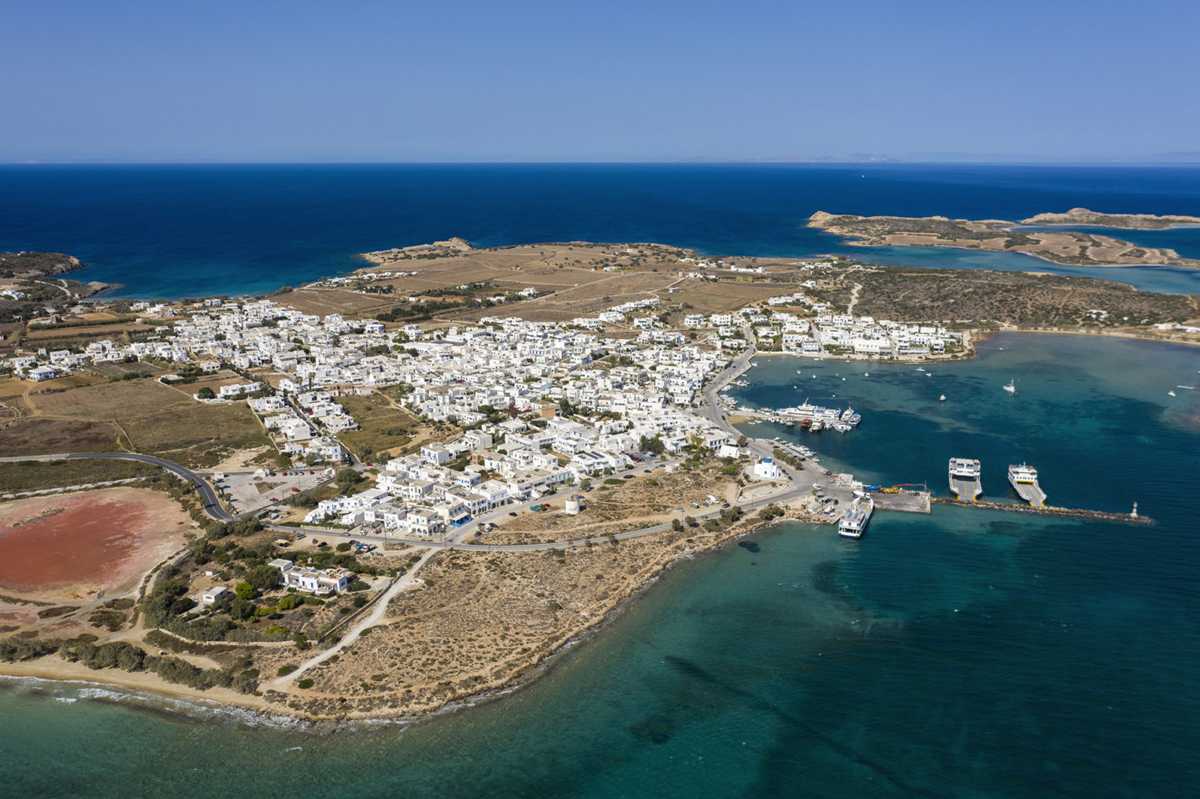
The best time to visit Antiparos is the warm half of the year, from late spring to early autumn. Summer brings hot, dry, sunny days, a warm sea and the island at its liveliest. Late spring and early autumn trade a little of that heat for thinner crowds, lower prices and a gentler pace. Winter is quiet and wet, with most of the island closed. The season you choose shapes the whole feel of the trip, from the buzz of the beaches to the calm of the shoulder months. Time your visit to this quiet Cycladic island with My Greece Tours.
Deciding when to come means weighing heat, sea temperature, crowds and price against the pace you want. Summer suits beach days and nightlife, while spring and autumn suit exploring in comfort. The sections below cover the best overall time, what summer is like, the appeal of spring and autumn, the weather month by month, and the months to avoid. Set the timing in context with our Antiparos travel guide.
When is the best time to visit Antiparos?
The best time to visit Antiparos is late spring to early autumn. Summer is hottest and liveliest. Late May, and September into early October, are the sweet spots, with warm days, a warm sea, thinner crowds and lower prices.
The warm months from late spring to early autumn are the prime season on the island, and each part of that stretch has its own character. High summer delivers the hottest weather, the warmest sea and the busiest, most sociable island. The shoulder months on either side, in late spring and early autumn, keep the warmth while shedding the crowds and the higher prices. For most visitors, the choice sits between these two moods rather than between good and bad weather. The island rewards a trip at any point across this long season, so the decision rests on the balance of heat, buzz and calm that suits you best.
For most travellers, the finest windows fall in late May and in September, reaching into early October. The sea has warmed enough for easy swimming, the days are long and sunny, and the fierce peak of the heat has passed. The island is busy enough to feel alive, yet far calmer than at the height of summer. Prices for rooms and hire sit below their August peak, and tables and beaches come easier. These shoulder weeks capture the island near its best, blending warm-weather pleasures with a relaxed, unhurried pace. They suit couples, families and anyone who prefers comfort and space over the full summer crowd.
Choosing the best time also depends on what you want to do. Beach days, swimming and a lively evening scene point firmly to summer, when the sea is warmest and the island fullest. Walking, exploring, comfortable sightseeing and quiet beaches point to spring or autumn, when the heat eases and the crowds thin. The weather stays reliably dry and sunny right across the warm season, so rain rarely enters the plan. Matching the month to your priorities is the real key, and it pairs naturally with the wider list of things to do in Antiparos across a stay on the island.
What is summer like on the island?
Summer, from June to August, is hot, dry and sunny, with a warm sea and the island at its busiest. July and August are the peak, with the most visitors and the liveliest evenings. The short ferry from Paros can get crowded.
Summer on the island runs hot, dry and reliably sunny, in the classic Cycladic pattern. Daytime highs climb into the high twenties and low thirties in Celsius, and rain is rare from June through August. The sea warms steadily and stays inviting well into the season, ideal for long days of swimming and lounging on the sand. Every taverna, beach bar and shop is open, and the cave and boat trips run at full tilt. This is the island at its fullest and most sociable, when the beaches fill by day and the town buzzes by night. For sun, sea and a lively holiday, summer delivers in full.
The peak of the season falls in July and August, when visitor numbers are highest. The island, small and popular, feels far busier then, and the short car ferry from Paros can get crowded at peak times. Rooms and vehicles book up, prices reach their highest, and the best tables need booking ahead. The evenings are at their liveliest, and the whole island hums with holiday energy. This suits those who enjoy a full, buzzing scene, though it asks for a little more planning. The clear water of the Antiparos beaches is the reward, drawing crowds to the sand through the long, hot days.
One feature of the Cycladic summer shapes island life: the meltemi wind. This dry northerly can blow strongly for days at a stretch, cooling the air and stirring up the sea on exposed shores. The island is small, low and open, so the wind is felt, yet its shape means one coast is usually sheltered when another is rough. Moving to the calmer side keeps a beach day pleasant even on a windy afternoon. The wind also tempers the heat, making the high temperatures easier to bear. Summer nights stay warm and balmy, perfect for late dinners and drinks out under the stars along the main street.
Is spring or autumn a good time for Antiparos?
Spring and autumn are excellent times for Antiparos. Both bring warm, sunny days, thinner crowds and lower prices. September has a warm sea and superb swimming. Spring brings wildflowers and green hills, ideal for walking and exploring in comfort.
Spring on the island, through May, is a gentle and rewarding season. The days are warm and sunny without the fierce heat of summer, and the landscape is at its greenest, dotted with wildflowers after the winter rains. The crowds are thin, prices are lower, and the pace is calm and unhurried. The sea is warming, and by late spring it is pleasant for a swim, though cooler than in high summer. This is a fine time for walking the low hills and coast, exploring the town at leisure, and enjoying quiet beaches. Spring suits those who value comfort, space and scenery over the full heat and buzz of the peak.
Autumn, through September and into early October, is for most the very best window of all. The sea holds the warmth of the whole summer, so swimming is superb, often better than in June. The days stay warm and sunny, the light turns soft and golden, and the punishing peak of the heat has passed. Crowds ease after the August rush, prices fall, and the island relaxes into a calmer rhythm while the island stays open. This blend of warm sea, fine weather and space makes early autumn ideal for beaches, dining and gentle exploring alike. It rewards anyone who can travel outside the school-holiday peak.
The shoulder seasons also change the shape of a day and an evening. With fewer visitors, tables come easier, beaches feel roomier, and the town keeps a relaxed air even at dinner. The nightlife runs quieter than in August, yet the bars and tavernas of the main street still draw a pleasant crowd on warm evenings. This calmer mood suits couples, families outside term time, and independent travellers. It also eases the practical side of a trip, from booking a room to finding a table. Those weighing where to stay in Antiparos often find the shoulder months give the widest, easiest choice of all.
What is the weather like month by month?
Spring warms from cool to pleasant, dry and green. June to August are hot, dry and sunny, peaking in late July. September stays warm with a warm sea. October cools gently. Winter is cool, wet and quiet, with the tourist side shut.
The warm season builds gradually from spring. April is mild and green, with cooler days and a sea still too cool for most swimmers, though the island is lovely and quiet. May warms steadily, the days grow long and sunny, and by its end the sea is pleasant enough for a dip. June brings full summer weather, hot and dry, with warm water and long sunny days, yet without the very peak of the crowds. This early stretch offers the most balanced conditions of the year, pairing reliable warmth with space and calm. It suits walkers, explorers and early beachgoers who want summer weather without the August rush.
The height of summer sits in July and August, the hottest and driest months. Daytime highs reach the high twenties and low thirties in Celsius, the sun is relentless, and rain is almost unheard of. The sea is at its warmest, the beaches at their busiest, and the meltemi wind may blow for spells to cool the air. This is peak holiday weather, glorious for the beach but demanding good sun protection and ample water. The island is at its liveliest and its fullest. Late July often marks the warmest point of the whole year, so shade and an early or late beach visit help on the hottest days.
The season winds down gently through autumn into winter. September stays warm and sunny, with a sea still holding its summer heat, making it superb for swimming. October cools slowly, with shorter days and the first chance of rain, though early autumn remains fine and pleasant. From November onward the island turns cool, wet and quiet, and winter is mild by northern standards but unsettled, with rain and the odd windy spell. Most of the tourist side of the island closes over winter. The clear returns of the warm season make late spring through early autumn the reliable window, with dry, sunny days from June to September the surest bet.
When should you avoid visiting Antiparos?
Avoid Antiparos in winter, from about November to March, when it is cool, wet and quiet, with much of the island closed. Those who dislike crowds and heat may also skip the busy, hot peak of late July and August.
Winter is the season to skip for a classic island holiday. From about November to March, the island turns cool, wet and windy, and the warm, dry weather that draws visitors is gone. More important, most of the tourist side of the island shuts down over winter, with tavernas, shops, rooms and services closed, and the ferry timetable thinned out. The island is far quieter, a small local community rather than a holiday destination. This appeals only to those seeking deep solitude and an off-season glimpse of island life. For beaches, swimming, dining out and a lively atmosphere, the winter months simply do not deliver.
The peak weeks of high summer are worth avoiding for a different reason. Late July and August bring the hottest weather, the largest crowds and the highest prices, and the small island can feel busy at its heart. The short ferry from Paros gets crowded, rooms and vehicles fill, and the popular tavernas need booking ahead. None of this spoils a summer trip, but it asks for planning and a tolerance for company. Travellers who dislike heat or crowds will find the shoulder months far more comfortable. The buzz of the nightlife peaks in these weeks, which draws certain visitors and deters others.
For most people, the aim is to catch the warm season while dodging its two extremes. The cold, closed quiet of winter sits at one end, and the hot, crowded peak of August at the other. Between them lies a long, reliable stretch of fine weather, from June through September, with late spring and early autumn as the calmest, best-value windows. Planning around the crowds, the heat and the ferry schedules pays off, and it starts with getting to Antiparos at a time that matches the pace you want. The right timing shapes a smoother, more rewarding stay on the island.
Frequently Asked Questions
What months are best for swimming on Antiparos?
The best months for swimming on Antiparos run from around June to early October, when the sea is at its warmest and most inviting. The water warms up gradually through spring, and by late May it is usually pleasant enough for a dip, though still on the cool side. June brings genuinely warm water and long, hot, sunny days, marking the start of the prime swimming season. July and August offer the warmest sea of all, along with the hottest weather and the biggest crowds, so the beaches are busy but the water is glorious. Regular visitors often rate September as the single best month for swimming.
The sea has absorbed the heat of the whole summer and stays warm well into the month, while the crowds have thinned and the peak of the air temperature has eased. Early October can still offer pleasant swimming before the season winds down. The island is small, low and open, so the meltemi wind can churn up exposed beaches in summer. There is usually a calm, sheltered bay on the opposite coast for an easy swim.
Is Antiparos crowded in summer?
Antiparos does get noticeably busier in summer, especially in the peak weeks of July and August, though it never reaches the scale of the largest and most famous Greek islands. The island is small and has become fashionable, drawing a stylish, cosmopolitan crowd, so in high summer the town, the popular beaches and the tavernas all fill up, and the short car ferry across from Paros can get crowded at peak times. Rooms, hire cars and the best restaurant tables book up, and prices reach their highest point of the year.
The atmosphere is lively and sociable rather than overwhelming, and the island keeps its relaxed, low-key character even at its busiest, with no large resorts or mass development. Still, those who prefer peace and space will feel the difference. The simplest way to enjoy warm weather without the crowds is to travel in the shoulder months of late spring or early autumn, particularly late May, June or September, when the island is calmer, cheaper and just as beautiful, yet still warm and largely open for a full holiday.
What is the weather like on Antiparos in October?
October on Antiparos is a month of gentle transition, starting warm and summery and slowly cooling towards autumn. In early October the island often still enjoys fine, warm, sunny days, and the sea, having held the heat of the whole summer, remains pleasant for swimming, so the first part of the month can feel like a calm extension of the season. As the weeks pass, the days grow a little shorter and cooler, and the first real chance of rain returns after the dry summer, though settled sunny spells are still common.
It is a quiet, relaxed time on the island, with far fewer visitors than in summer, lower prices, and a soft, golden light, making it pleasant for walking, exploring the town and enjoying uncrowded beaches, especially early in the month. By late October the season is clearly winding down, tourist businesses begin to close, and the ferry timetable starts to thin out. Anyone visiting in October should pack a light layer for cooler evenings and the small chance of a shower, but early in the month it can still be a lovely, warm and peaceful time to enjoy the island.
Is Antiparos worth visiting in the off-season?
Antiparos in the off-season is a very different proposition, and whether it suits you depends on what you seek. The quiet winter months offer a completely different experience from the summer. From roughly November to March, the island is cool, often wet and windy, and most of its tourist side closes down, with tavernas, shops, rooms and services shut and the ferry service reduced, so it is not the time for a classic beach-and-swimming holiday. What remains is a small, authentic island community going about its daily life, peaceful and unhurried, with dramatic skies and green, rain-freshened landscapes.
For travellers seeking deep quiet, solitude and a genuine glimpse of local island life away from tourism, this can be rewarding, particularly combined with the larger, better-served neighbour of Paros across the channel, which stays more active year-round. Spring and autumn, on the edges of the season, offer a happier middle ground, with warm, pleasant weather, thin crowds and most of the island still open. For most visitors, though, the warm months from late spring to early autumn remain the time when the island truly comes into its own and is at its most rewarding.