
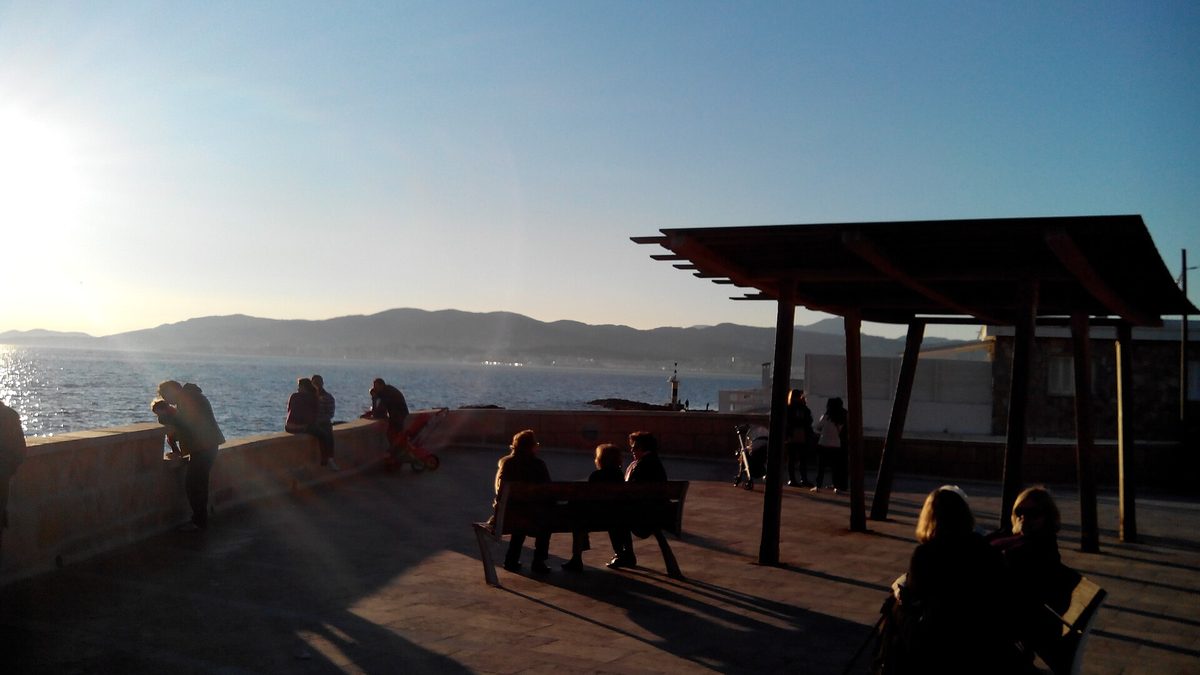
Ikaria and Samos sit side by side in the eastern Aegean, close enough to combine on a single trip yet different in character. Ikaria is wild, mountainous and thinly developed, a Blue Zone known for exceptional longevity and all-night village festivals. Samos is larger, greener and far more built up, with fuller tourist infrastructure and famous ancient sites. Travellers choosing between them weigh authenticity against variety, quiet against convenience, rugged coves against organised resorts. This guide compares the two islands across scenery, culture, tourism and pace, then shows how to pick the right base or link both. Plan the details, and enjoy the eastern Aegean with My Greece Tours.
The two islands reward very different travellers, and the choice shapes the whole holiday. Ikaria attracts people seeking slow living, thermal springs and an anti-tourist rhythm. Samos draws visitors who want monuments, wine, greenery and easier logistics. A short crossing links them, so a combined route is realistic within one week. Read the full Ikaria travel guide for deeper detail on the wilder of the pair. The sections below cover how the islands differ overall, their beaches and scenery, their culture and history, their tourism and pace, and a practical method for choosing between them or visiting both.
How do Ikaria and Samos differ overall?
Ikaria is wild, mountainous and lightly developed, prized for authenticity and longevity. Samos is larger, greener and more touristic, rich in ancient sites and wine. The contrast is scale, pace and the balance between raw nature and organised comfort.
Ikaria stretches along a rugged mountain spine that drops steeply to the sea, and roads twist through slate villages far from any resort strip. The island earns its Blue Zone fame from residents who reach great age, a reputation tied to diet, mountain walking and a relaxed daily rhythm. Development stays modest, and a variety of beaches sit at the end of dirt tracks. Samos feels different from arrival. The land is greener, cloaked in pine and vineyard, and the towns carry a fuller commercial life. Ferries connect both islands to Athens and the wider Aegean, and travellers weighing how to get to Ikaria quickly notice the quieter, more remote feel of the smaller island.
Samos rewards visitors who want depth of sights alongside beach time. The island holds two major archaeological draws and a wine tradition that shapes its identity. Roads are easier, distances shorter to reach services, and the tourist season runs with more structure. Ikaria trades that structure for space and silence. The panigiria, long communal feasts with music and dancing, define its summer character far more than clubs or crowds. Both islands share a north Aegean setting and a strong sense of place, yet the daily experience diverges. One rewards planning and monument-hunting. The other rewards surrender to a looser schedule. Understanding that split is the first step toward a confident choice between the pair.
Which island has better beaches and scenery?
Ikaria offers rugged, dramatic coves reached by winding roads and steep paths. Samos offers greener landscapes and more accessible, organised beaches. The better choice depends on whether you value raw wilderness or easy comfort and lush scenery.
Ikaria delivers scenery that feels untamed. Cliffs plunge into deep blue water, and small pebble coves hide below serpentine roads that demand patient driving. Beaches such as Seychelles and Nas draw admirers for their wild beauty rather than sunbed rows. Wind can whip the exposed north coast, so sheltered southern bays often suit swimmers better. Travellers exploring the coast on a tight budget find ample free, undeveloped shoreline, and the Ikaria on a budget approach fits the island naturally, since fewer resorts mean fewer costs. The mountainous interior adds another layer, with forests, gorges and villages perched high above the water for walkers seeking quiet trails.
Samos presents softer, greener country. Pine forest, vineyards and river valleys give the island a lush look uncommon in the Aegean. Beaches range from long organised stretches with tavernas and loungers to smaller pebble bays under wooded slopes. Access is generally easier, and families often prefer the gentler logistics. The proximity to the Turkish coast frames certain eastern beaches with striking views across a narrow strait. A short hop opens even more coastline, since the nearby Fourni islands shelter secluded coves within reach of the wider archipelago. Both islands reward beach lovers, yet the mood differs sharply. Ikaria feels elemental and demanding. Samos feels verdant and welcoming, with comfort closer to hand.
What can you see in Ikaria and Samos for culture and history?
Samos holds major ancient sites, including the Pythagoreion and the Heraion of Hera, plus links to Pythagoras and a wine legacy. Ikaria offers living folk culture, thermal springs and its famous village festivals rather than grand monuments.
Samos carries a heavy cultural weight for an Aegean island. The Pythagoreion, an ancient town honouring the mathematician Pythagoras, and the Heraion, the great sanctuary of the goddess Hera, together earn a UNESCO listing. Visitors walk among column bases, harbour works and temple ruins that speak to the island’s classical importance. The wine tradition adds another cultural thread, with sweet Samos varieties known well beyond Greece. Museums and old towns fill out a rich itinerary. History-minded travellers find far more built heritage here than on its neighbour, and touring the sights structures an array of Samos holidays around named landmarks rather than open landscape.
Ikaria expresses culture through living practice rather than ruins. The panigiria remain the island’s beating heart, communal festivals where whole villages share food, wine and dancing until dawn. Radon-rich thermal springs draw visitors seeking the warm, mineral waters along the southern coast. The Blue Zone identity is itself cultural, rooted in habits of eating, walking and community. Travellers pairing the two islands by the Ikaria to Samos ferry feel the shift immediately, from monument-driven sightseeing to a slower, participatory experience. Ikaria offers fewer marked attractions and more atmosphere. The reward is immersion in a way of life that has drawn researchers and curious travellers alike to its mountain villages.
How do tourism, nightlife and pace compare on the two islands?
Samos has fuller tourist infrastructure, more resorts and livelier nightlife. Ikaria keeps a slow, anti-tourist pace with festivals rather than clubs. Samos suits easier tourism, while Ikaria rewards travellers who embrace quiet and spontaneity.
Samos runs a more conventional tourism machine. Resort towns line parts of the coast, hotels span a mix of categories, and evening entertainment includes bars and clubs alongside tavernas. Organised excursions, rental networks and clear transport links ease the practical side of a holiday. The island absorbs a steady seasonal flow without losing its character, and services stay open reliably through the summer months. Visitors who value predictability and choice appreciate the fuller offering. Restaurants, shops and boat trips give structure to each day, and travellers rarely struggle to fill an itinerary. The pace feels relaxed by mainland standards, yet brisk and social compared with the deep calm found across the strait on Ikaria.
Ikaria resists the standard tourism model, and locals often take pride in that. Businesses may keep loose hours, and the island’s summer social life centres on the panigiria rather than nightclubs. The rhythm slows visibly, and rushing feels out of place. Travellers arriving from busier islands describe a genuine shift in tempo. Fewer package resorts and more family-run rooms shape the accommodation scene. The mountain roads discourage haste, and plans tend to bend around weather and mood. This anti-tourist pace is the island’s defining draw for a spread of. Ikaria asks for patience and offers authenticity in return, a bargain that suits certain travellers perfectly and frustrates those craving constant activity and bright, busy nights.
How should you choose between Ikaria and Samos, or combine both?
Choose Ikaria for authenticity, quiet and festivals; choose Samos for sights, greenery and easier tourism. A short ferry links them, so combining both in one week gives contrast without long travel or complicated logistics.
Matching the island to your travel style makes the decision simple. Ikaria fits seekers of slow living, wild beaches, thermal springs and immersive village festivals who accept modest infrastructure. Samos fits travellers who want monuments, wine, lush scenery and dependable services with more nightlife. Budget shapes the call too, and the free coves and family-run rooms behind the Ikaria on a budget mindset make the smaller island light on cost. Families and first-time Greece visitors often lean toward Samos for its ease, while return travellers chasing something rawer choose Ikaria. Neither choice is wrong. The islands simply serve different priorities, so a clear sense of what you want narrows the field fast.
Combining both islands works well within a single trip. The Ikaria to Samos ferry makes a short crossing that turns two islands into one loop, and adding the nearby Fourni islands extends the route with minimal extra travel. A sensible plan gives a handful of days to each, matching Samos sightseeing with Ikaria downtime. Sorting arrivals and departures early smooths the logistics, and understanding how to get to Ikaria from Athens or nearby islands anchors the itinerary. A combined visit captures the contrast at the core of this comparison, pairing monuments and greenery with wilderness and slow, memorable island life.
Frequently Asked Questions
Is Ikaria or Samos better for a holiday?
Neither island is objectively better; the right pick depends on your travel style. Samos suits visitors who want ancient sights, greener scenery, more resorts and livelier nightlife, with easier logistics and reliable services throughout the season. The Pythagoreion, the Heraion and the wine tradition give Samos a structured itinerary of named attractions. Ikaria suits travellers seeking authenticity, quiet and immersion in local life. The island’s Blue Zone reputation, thermal springs, rugged beaches and all-night panigiria festivals define a slower, less commercial experience. Families and first-time Greece visitors often prefer Samos for comfort and variety. Return travellers and those craving raw nature frequently choose Ikaria.
Budget matters as well, since Ikaria’s undeveloped coves and family-run rooms tend to cost less. Deciding what you value most, monuments and convenience or wilderness and calm, points clearly toward one island. Both deliver a strong north Aegean holiday for the traveller they fit.
Can you visit both Ikaria and Samos in one trip?
Visiting both islands in one trip is realistic and popular. The two sit close together in the eastern Aegean, and a ferry links them with a short crossing, so a combined route works within a single week. A practical plan gives a handful of days to each island, pairing Samos sightseeing and wine with Ikaria’s slower pace and thermal springs. The nearby Fourni islands add a further stop with minimal extra travel, extending the loop for those with time. Sorting ferry timetables and your arrival and departure points early keeps the logistics smooth, since sailings vary by season. Basing the itinerary on clear entry and exit islands prevents backtracking.
A combined visit captures the sharp contrast between the two, monuments and greenery on one side, wilderness and quiet on the other. Travellers who cannot decide between the pair often find that seeing both, rather than choosing one, gives the most rewarding eastern Aegean holiday.
Which island is quieter, Ikaria or Samos?
Ikaria is the quieter of the two islands by a clear margin. Thin development, limited large resorts and an anti-tourist pace keep the atmosphere calm and unhurried across most of the island. Businesses may keep loose hours, mountain roads discourage rushing, and the summer social scene centres on communal panigiria festivals rather than clubs or busy nightlife strips. The Blue Zone rhythm of slow living runs through daily life, and a cluster of beaches sit at the end of rough tracks far from crowds. Samos is livelier and more developed, with resort towns, fuller infrastructure, organised excursions and evening entertainment that includes bars and clubs.
Samos still feels relaxed by mainland standards, yet it moves at a busier, more social tempo than its neighbour. Travellers seeking deep quiet, wild coastline and a genuine escape from tourism gravitate toward Ikaria. Those wanting a calmer holiday that keeps convenience and variety usually find Samos strikes the right balance.