
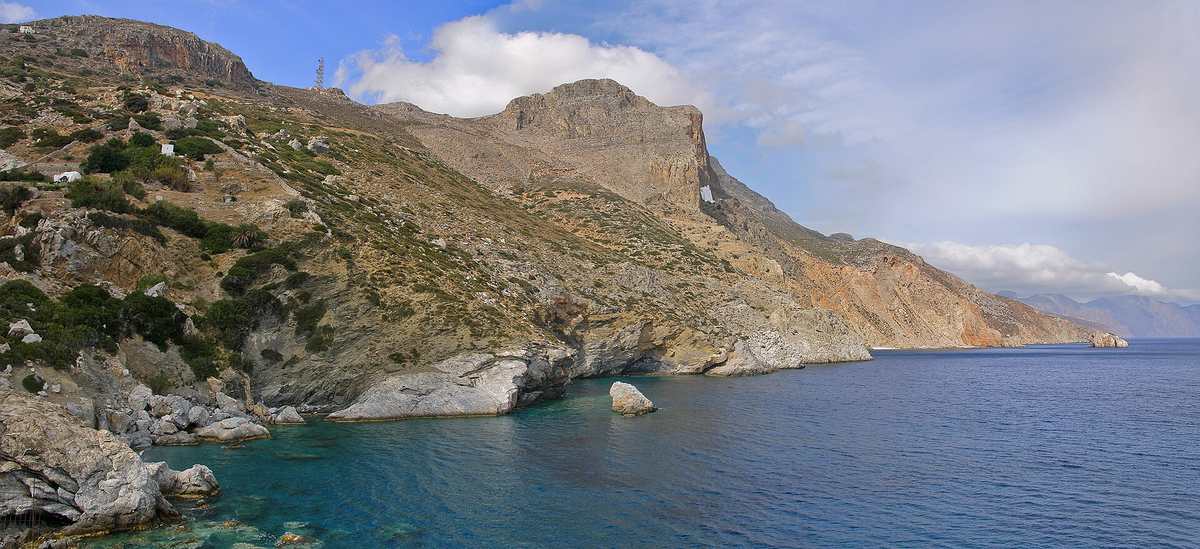
Naxos and Amorgos sit in the same Cyclades chain yet feel like two different worlds. Naxos is the largest island in the group, broad and green, with fertile plains, long sandy beaches and mountain villages linked by real roads. Amorgos is narrow and steep, a dramatic ridge of rock dropping straight into deep blue water. Both reward travelers who want authentic Greek island life away from the party crowds. This comparison stays fair to each island and helps you match the right one to your trip. Plan the details and book your island days with My Greece Tours.
Naxos works as a comfortable base with easy logistics, while Amorgos rewards those chasing wild scenery and long hikes. Our Naxos travel guide covers the larger island in full, and this page sets it beside its rugged eastern neighbor. The sections below cover the core difference between the two, their beaches, landscape and hiking, culture and vibe, who each island suits best, and the practical way to combine both on one Cyclades trip by ferry.
What is the core difference between Naxos and Amorgos?
Naxos is large, green and easy, built for varied family holidays with sandy beaches and short drives. Amorgos is narrow, steep and dramatic, built for hikers and travelers who want raw scenery and quiet.
Naxos measures roughly 430 square kilometers and holds the highest peak in the Cyclades, Mount Zas at 1004 meters. Its interior spreads into farmland, olive groves and citrus orchards that keep the island green late into summer. Roads connect the port town to inland villages and west-coast beaches within thirty minutes. This scale gives families and first-time visitors room to spread out across distinct regions. The villages of Naxos range from marble-quarry settlements to fortified hilltops. You can fill a week without repeating a day, mixing beach mornings with mountain afternoons. Naxos also produces its own cheese, potatoes and wine, so the food scene draws on local farms rather than imports.
That self-sufficiency shapes a relaxed, lived-in atmosphere across the whole island.
Amorgos covers around 121 square kilometers but stretches long and thin, about 30 kilometers end to end. The terrain rises in sharp ridges, and the main road clings to slopes high above the sea. Two ports, Katapola and Aegiali, anchor the island at opposite ends. The famous Hozoviotissa monastery presses white against a sheer cliff, reached by a steep stair climb. Amorgos gained fame as a filming location for the Luc Besson film The Big Blue, and divers still visit its clear coves. The pace here stays slow and the crowds thin, even in peak season. Travelers trade wide sandy stretches for solitude, drama and a strong sense of place.
This contrast defines the choice between the two islands.
How do the beaches on Naxos and Amorgos compare?
Naxos owns long, wide sandy beaches with shallow water, ideal for families and windsurfers. Amorgos offers smaller rocky and pebble coves in dramatic settings, better for swimmers and snorkelers than sandcastle builders.
Naxos runs a famous chain of golden sand down its west coast. Agios Prokopios, Agia Anna and the vast Plaka beach flow into one another over several kilometers. The sand is soft, the water shallow and clear, and organized sections offer sunbeds, tavernas and water sports. Further south, Mikri Vigla draws kitesurfers with reliable wind, while Aliko hides cedar-backed dunes and quiet corners. The beaches of Naxos suit every type of swimmer, from toddlers to serious wind chasers. Sunset walks along Plaka feel endless because the strand runs so far. Access is easy, with paved roads and bus links from the main town.
This breadth of sandy coastline is one of the strongest reasons visitors pick Naxos for a beach holiday.
Amorgos trades width for drama. Its coves are smaller, often backed by cliffs, and the shoreline mixes pebbles with patches of coarse sand. Agia Anna beach below the monastery is tiny but iconic, framed by white rock and deep blue water. Mouros on the south coast rewards snorkelers with clear depths and interesting rock formations. Levrossos and Psili Ammos near Aegiali give the island its softest sand, reached by short walks or boat. The water clarity here is exceptional, a legacy of the deep channels around the island. These beaches favor swimmers, divers and photographers over families seeking shallow play areas.
The reward is a swim in a setting that feels untouched, with few sunbeds and a raw, natural frame around every cove.
Which island wins for landscape and hiking?
Amorgos leads for hiking, with a marked trail network along dramatic ridges and coastlines. Naxos offers gentler but greener walks through farmland, villages and up Mount Zas, plus far more variety of terrain.
Amorgos is a walker’s island. A restored network of old mule paths links Chora, the two ports and remote chapels, forming a signed long-distance route across the ridge. The path from Aegiali to Chora passes ancient terraces and offers constant sea views hundreds of meters below. The climb to Hozoviotissa monastery is short but steep and unforgettable. Trails are well marked, and the cooler months of spring and autumn suit them best. The dramatic vertical terrain makes even short walks feel earned. Hikers rate Amorgos among the finest walking islands in the Cyclades. The lack of heavy development keeps the paths quiet and the views wild.
This is the island’s defining strength, and it draws a loyal crowd of returning trekkers each season.
Naxos answers with variety rather than drama. Mount Zas gives a proper summit hike, starting near the Aria spring and climbing to the highest point in the Cyclades. The interior offers gentler routes through the Tragaea valley, past Byzantine chapels and marble villages like Chalki and Apeiranthos. Green farmland, running streams and shade make Naxos walks kinder in summer heat than the exposed ridges of its neighbor. The scenery shifts from coast to mountain to farmland within a single day. Compared with drier islands like those in our Naxos vs Ios guide, Naxos feels notably lush. Walkers who want comfort and range choose Naxos, while those chasing raw vertical drama choose Amorgos.
Both reward time spent on foot away from the beaches.
How do culture and vibe differ between the two?
Naxos blends a lively port town, Venetian history and busy village life with an easygoing family feel. Amorgos stays quieter, wilder and more spiritual, shaped by its monastery, hiking culture and slow rhythm.
Naxos Town, or Chora, wraps around a Venetian castle and the marble Portara gateway that greets every arriving ferry. The waterfront buzzes with tavernas, shops and bars, yet the mood stays relaxed rather than frantic. Inland, Apeiranthos preserves a marble-paved character with small museums, while Halki centers on old distilleries and citron liqueur. The island carries deep history, from ancient temples to Venetian towers scattered across the countryside. Families, couples and independent travelers all find a comfortable fit. For a livelier contrast, our Naxos vs Santorini guide sets it against the caldera crowds.
Naxos strikes a balance between things to do and room to breathe, which explains its steady popularity with repeat visitors who return to a place that feels genuinely inhabited.
Amorgos moves to a slower, more contemplative beat. The Hozoviotissa monastery, founded in the eleventh century, defines the island’s spiritual identity and remains an active religious site. Chora sits high inland, a maze of whitewashed lanes crowned by a Venetian tower and a scatter of tiny churches. Evenings revolve around quiet tavernas, local wine and conversation rather than nightlife. The island draws hikers, artists and travelers seeking disconnection over entertainment. Fewer visitors mean a stronger bond with residents and a sense of stepping back in time. The vibe rewards those who slow down and let the landscape set the pace.
This authentic, unhurried character is exactly what keeps Amorgos devotees coming back, and it stands in clear contrast to the busier energy of larger Naxos.
How can you combine Naxos and Amorgos on one trip?
Pair them easily by ferry, basing first on Naxos for beaches and logistics, then hopping east to Amorgos for hiking and drama. The two islands complement each other on a single Cyclades itinerary.
The islands connect through frequent seasonal ferries, making a combined trip straightforward. Naxos acts as the natural hub, with the busiest port in the central Cyclades and links to Athens, other islands and the airport network. From there, boats run east to Amorgos through the smaller islets between them. Our Naxos to Amorgos ferry guide covers schedules, crossing times and which port to book. You can also break the journey among the Small Cyclades from Naxos, stopping at Koufonisia or Schinoussa on the way. A week gives comfortable time for both, with four nights on Naxos and three on Amorgos. This order lets you ease in with beaches before the steeper terrain.
Base first on Naxos to settle in, enjoy the long beaches and explore the green interior at a gentle pace. Then cross to Amorgos for hiking, the monastery and the quiet coves that reward the extra effort of getting there. The contrast makes each island feel sharper by comparison, and the ferry ride itself becomes part of the adventure. Aegiali suits walkers who want trailheads on the doorstep, while Katapola sits closer to Chora and the monastery road. Book ferries early in high season, since the crossings fill fast and schedules thin outside summer. Together the two islands deliver both comfort and wild beauty in one balanced route.
Plan your visit and tours through our Naxos travel guide.
Frequently Asked Questions
Is Naxos or Amorgos better for a first visit to the Cyclades?
Naxos suits a first Cyclades visit better for most travelers. It offers easy logistics, a large ferry port, an airport and a wide choice of beaches, restaurants and accommodation. First-timers value the flexibility of a big island where a single base covers beaches, mountains and history within short drives. The long sandy west coast gives reliable, family-friendly swimming, and bus links reduce the need for a rental car. Amorgos rewards a second or third trip, once you know you love quiet islands and hiking. Its steep terrain, smaller coves and limited connections demand more planning and a slower mindset. Travelers who already understand Cyclades rhythms often fall hard for its drama and calm.
A strong strategy pairs both on one route, starting with Naxos to ease in before the wilder eastern island. That combination gives newcomers comfort first and adventure second.
How many days do you need for Naxos and Amorgos together?
Plan seven to eight days to enjoy both islands without rushing. A sensible split gives four nights on Naxos and three on Amorgos, with a ferry day between them. On Naxos, that time covers the main beaches, Naxos Town, the marble villages of the interior and a walk up Mount Zas. On Amorgos, three nights allow a visit to the Hozoviotissa monastery, two solid hikes and a swim at Agia Anna or Mouros. Adding a stop in the Small Cyclades stretches the trip toward ten days and rewards travelers who want extra quiet islands. Ferry schedules shape the plan, so confirm crossings before locking hotels.
Shorter trips of four or five days work better focused on one island rather than split across both. The islands sit close on the map yet feel far apart in character, so give each enough time to reveal itself properly.
Which island is quieter and less crowded, Naxos or Amorgos?
Amorgos is the quieter and less crowded of the two islands. Its steep terrain, longer ferry access and lack of an airport keep visitor numbers lower, even at the height of summer. Travelers there find empty trails, uncrowded coves and tavernas full of locals rather than tour groups. The island attracts hikers and repeat visitors who value calm over convenience. Naxos draws larger crowds because of its size, airport and famous beaches, yet it absorbs them well thanks to its scale. Its west-coast strands can feel busy in August, while the green interior and mountain villages stay peaceful year-round. Travelers seeking solitude on Naxos simply head inland or south to quieter shores.
For deep quiet and a wild, off-grid feel, Amorgos wins clearly. For a lively but never overwhelming island with room to escape the crowds, Naxos strikes a comfortable middle ground between buzz and calm.