
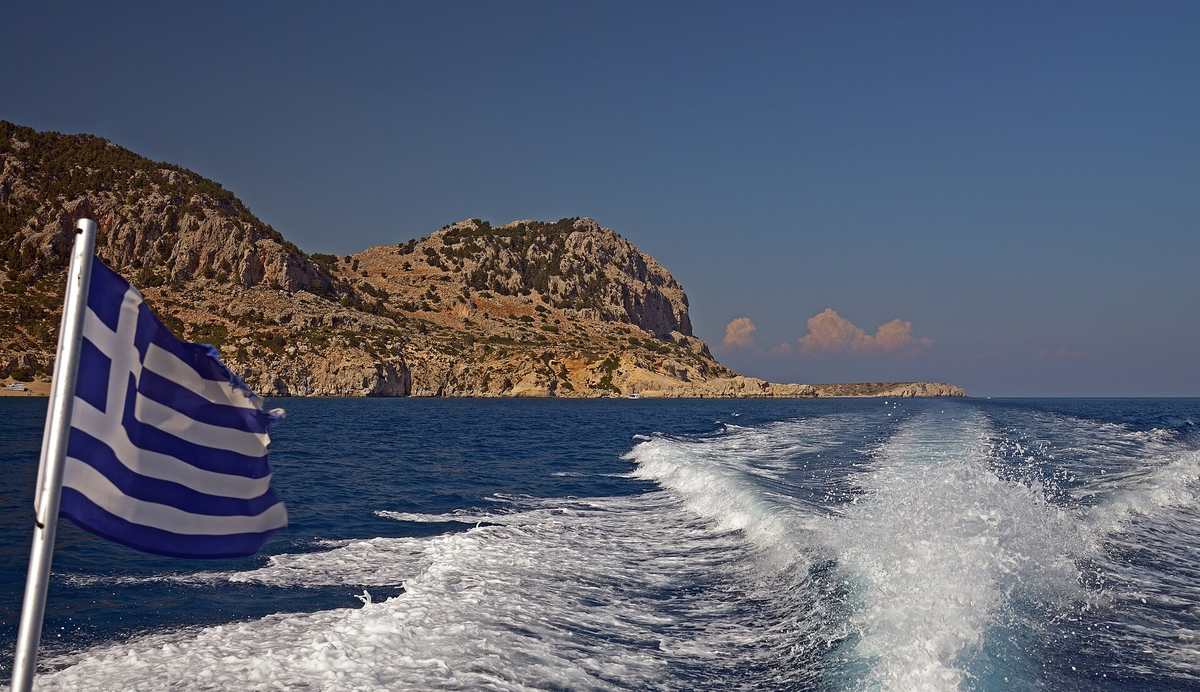
The best time to visit Rhodes is the question of which season matches your trip, balancing weather, sea temperature, prices and crowds across one of the sunniest islands in Greece. Rhodes enjoys a long, warm season, so there is no single right answer: summer suits beach-and-resort holidays, spring and autumn favour sightseeing and value, and winter is quiet and mild. Your ideal window depends on whether you prioritise hot reliable sun, a warm sea, low crowds or the best prices. Plan tickets and tours through My Greece Tours.
For a full overview of the island, see our Rhodes travel guide. The sections below cover when the best time to visit Rhodes is, what the weather is like through the seasons, when peak, shoulder and low season fall, what the meltemi wind is and how it affects a visit, and the best timing for beaches, sightseeing and avoiding crowds.
When is the best time to visit Rhodes?
The best time to visit Rhodes for most travellers is late spring and early autumn, the shoulder seasons. These months bring warm, sunny weather, a swimmable sea, thinner crowds and better value than peak summer, while still keeping most resorts, hotels and services open and lively.
Choosing the best time depends on what you want from the island. If hot, dry, reliably sunny days and the warmest sea are your priority, high summer from June to August delivers, along with the busiest resorts and the liveliest nightlife. If you would rather walk the Old Town, explore archaeological sites and enjoy a green, flowering landscape in comfortable temperatures, spring is hard to beat. Autumn keeps the sea warm enough to swim well after the summer peak has faded, pairing gentle heat with quieter beaches and softer light for sightseeing.
Budget and atmosphere matter too. Peak summer is the most expensive and the most crowded time, with flights and hotels at their dearest, whereas the shoulder months offer a far better balance of price, weather and space. Winter is the cheapest and calmest period, but many seasonal businesses close, so it suits travellers seeking a quiet, off-season feel rather than a full resort experience. Our guide to things to do in Rhodes covers activities across every season, and the next section covers what the weather is like through the seasons in Rhodes.
What is the weather like through the seasons in Rhodes?
Rhodes has a warm Mediterranean climate with hot, dry summers and mild, slightly wetter winters. It is one of the sunniest Greek islands, so spring and autumn stay pleasant, summer is consistently hot and rain-free, and winter is gentle but the wettest and quietest stretch of the year.
Summer, roughly June to August, is hot, dry and dependably sunny, with long bright days and very little rain, which is why it draws the most visitors. Spring, from April into June, is mild and green, the countryside thick with wildflowers and comfortable for being active outdoors. Autumn, across September and October, holds onto summer’s warmth at first and cools gradually, while the sea stays warm from months of heating, making it one of the most rewarding times to swim without the crowds.
Winter is mild by northern European standards but is the wettest part of the year, with cooler, shorter days and occasional spells of rain. Many resorts, hotels and tourist services close or run reduced hours through these months, so the island feels calm and local rather than busy. Across the whole year, Rhodes lives up to its sunny reputation, which is part of why its season stretches so much longer than many cooler destinations. Our guide to Rhodes beaches covers where to swim through the warm months, and the next section covers when peak, shoulder and low season fall.
When is peak, shoulder and low season in Rhodes?
Peak season is high summer, roughly June to August, when crowds, prices and demand are highest. Shoulder season covers late spring and early autumn, offering warm weather with fewer people. Low season is winter, when the island is quiet, cheap and partly closed for tourism.
Peak season aligns with school holidays and the hottest, sunniest weather, so resorts are at their busiest, the sea is at its warmest and the atmosphere is at its liveliest. It is also the priciest time, with flights, hotels and popular tours filling up well in advance, so booking early is wise if you are set on travelling then. Expect full beaches, buzzing tavernas and a strong holiday energy across the main resort areas.
Shoulder season, in late spring and early autumn, is the sweet spot for many visitors: the weather is still warm and sunny, the sea is swimmable, and crowds and prices ease noticeably. Low season covers the winter months, when the island is at its quietest and cheapest, though many seasonal hotels, restaurants and services shut or scale back. Our guide on how to get to Rhodes covers flights and ferries, which vary by season, and the next section covers the meltemi wind and how it affects a visit.
What is the meltemi wind and how does it affect a visit to Rhodes?
The meltemi is a strong, dry north wind that blows across the Aegean in summer. On Rhodes it cools the heat and clears the skies, but it can churn up the exposed west coast and occasionally disrupt ferries, while the sheltered east coast usually stays calmer and better for swimming.
When the meltemi is blowing, the difference between the two coasts of Rhodes becomes very clear. The west coast, which faces into the wind, tends to be breezy with choppier water, conditions that windsurfers and kitesurfers actively seek out but that can make ordinary swimming and sunbathing less comfortable. The east coast, sheltered from the northerlies, generally stays calmer and warmer, which is why so many of the family resorts and gentler beaches line that side of the island.
For most visitors the meltemi is a welcome counterweight to summer heat rather than a problem, taking the edge off the hottest afternoons and keeping the air fresh and clear. Its main practical impact is occasional disruption to ferry schedules and a windier feel on west-facing shores, so it is worth keeping an eye on conditions if your plans depend on boat travel. Our guide to the Valley of the Butterflies covers a sheltered inland site that the wind barely touches, and the next section covers the best timing for beaches, sightseeing and avoiding crowds.
When is best for beaches, sightseeing and avoiding crowds in Rhodes?
For beaches and the warmest sea, aim for summer into early autumn. For sightseeing and walking in comfort, choose spring or autumn. To avoid crowds while keeping good weather, target the shoulder months of late spring and early autumn, which balance warmth, value and space best.
Beach lovers get the most from June through to October, when the sea is warmest and the resorts are in full swing; September and early October are especially appealing because the water stays warm while the high-summer crowds thin out. Sightseers and walkers, by contrast, do best in spring, when mild temperatures and a green, flowering landscape make exploring the Old Town, archaeological sites and the countryside genuinely pleasant rather than tiring under the summer sun. Later in spring, the Jersey tiger moths begin gathering in the Valley of the Butterflies, adding a seasonal natural draw to the comfortable sightseeing weather.
If avoiding crowds is your main aim, steer clear of high summer and the school-holiday peak, and travel in the shoulder months instead, when you get warm, sunny days without the crush and at noticeably lower prices. Winter is quietest of all, but with many businesses closed it suits a slow, local-feeling break rather than a typical island holiday. Plan your visit and tours through our Rhodes travel guide.
Frequently Asked Questions
What is the cheapest time to visit Rhodes?
Winter is the cheapest time to visit Rhodes, with the lowest prices for the flights and hotels that remain available. Because demand collapses outside the warm season, accommodation rates fall sharply and you can find genuine bargains. The trade-off is that many seasonal hotels, restaurants and tourist services close or run reduced hours, so the choice is narrower and the resort atmosphere is largely absent. For travellers who want low prices but still expect warm weather and most businesses open, the shoulder months of late spring and early autumn are the better value: they undercut the peak-summer premium on flights and hotels while keeping the island lively and swimmable. Peak summer, from June to August, is the most expensive period of all, as school holidays and the hottest, sunniest weather push demand and prices to their highest. Booking early helps if you must travel then.
Is Rhodes worth visiting in winter?
Rhodes can be worth visiting in winter if you want a quiet, mild and inexpensive break rather than a beach-and-resort holiday. The climate stays gentle compared with northern Europe, and the Old Town and main sights remain atmospheric with very few other visitors around, so you experience a more local, unhurried side of the island. However, winter is the wettest part of the year, with cooler, shorter days and occasional rain, and crucially many seasonal resorts, hotels, restaurants and tourist services close or operate on reduced hours. That means a narrower choice of places to stay, eat and visit, and little in the way of beach time or nightlife. Winter suits travellers drawn to culture, walking, photography and calm, or those simply seeking the lowest prices and smallest crowds. If you want full resort facilities and reliable swimming weather, the warm and shoulder seasons are a far better fit.
When is the sea warmest for swimming in Rhodes?
The sea around Rhodes is warmest in late summer and early autumn, after months of sunshine have gradually heated the water. While high summer from June to August offers hot air and a warm sea, the water often peaks slightly later, which is why September and into October remain excellent for swimming even as the air begins to cool and the crowds thin. This makes early autumn a favourite window for beach holidays that combine comfortable warmth with more space and better value than peak season. In spring the sea is cooler, since it takes time to warm up after winter, so April and early May can feel brisk for swimming even when the air is pleasant for sightseeing. For the most comfortable swimming, the sheltered east coast generally stays calmer and warmer than the west coast, especially when the summer meltemi wind is blowing from the north.