
This guide to public holidays in Athens covers the national holiday dates, the movable Orthodox Easter holidays, what closes and how they affect your trip. Plan around them alongside skip-the-line sightseeing tickets and tours from My Greece Tours.
Knowing the holidays helps you use the Athens travel guide smoothly. The sections below cover the national holidays, the Orthodox Easter dates, what closes and opens, the biggest celebrations, and how to plan around them.
What are the public holidays in Greece?
Greece observes several official public holidays, most on fixed dates: New Year’s Day on 1 January, Epiphany on 6 January, Independence Day (25 March), Labour Day (1 May), the Dormition of the Virgin (15 August), Oxi Day (28 October), and Christmas (25 and 26 December). Several more are movable, tied to the Orthodox Easter calendar: Clean Monday, Good Friday, Easter Monday and Whit Monday. Every Sunday is also officially a holiday. On these days banks, offices and many shops close, though tourist services largely continue.
Greece has a set of official public holidays that punctuate the year, and they fall into two groups: fixed-date holidays and movable ones tied to the Orthodox church calendar. The fixed national holidays begin with New Year’s Day on the first of January and Epiphany, or Theophany, on the sixth of the month, Independence Day on the twenty-fifth of March, Labour Day on the first of May, the Dormition or Assumption of the Virgin on the fifteenth of August, Oxi Day on the twenty-eighth of October, and Christmas on the twenty-fifth and twenty-sixth of December.
Alongside these come the movable holidays linked to Orthodox Easter, which shifts each year: Clean Monday, the start of Lent, falls forty-eight days before Easter; then Good Friday, Easter Monday and, later, Whit Monday or Pentecost Monday. In addition, every Sunday throughout the year is legally designated a public holiday, which is why so much of the city slows down on Sundays. On all these days, banks, government offices and many shops and supermarkets close their doors, though the businesses that serve visitors, restaurants, cafés, hotels and most attractions, generally keep operating, so the impact on a tourist is real but manageable. The questions below cover what visitors ask most.
When is Orthodox Easter and why does it matter?
Orthodox Easter is the most important holiday in Greece and usually falls on a different date from Western Easter, often one or several weeks later, calculated by the Orthodox church calendar. It anchors a cluster of holidays, Clean Monday, Good Friday, Easter Sunday and Easter Monday, spread over the spring. It matters because the celebrations are spectacular but also because many Greeks travel to their home villages, so Athens can feel quieter, while some shops close. Always check the year’s Orthodox Easter dates when planning a spring trip.
The single most important date in the Greek calendar is Orthodox Easter, and it is essential for visitors to understand because it rarely coincides with the Easter of Western Europe. Greece follows the Orthodox church calendar, so Easter is calculated differently and usually falls later than the Catholic and Protestant Easter, sometimes by a week and sometimes by several, occasionally aligning but often not, so you must check the specific dates for the year of your trip.
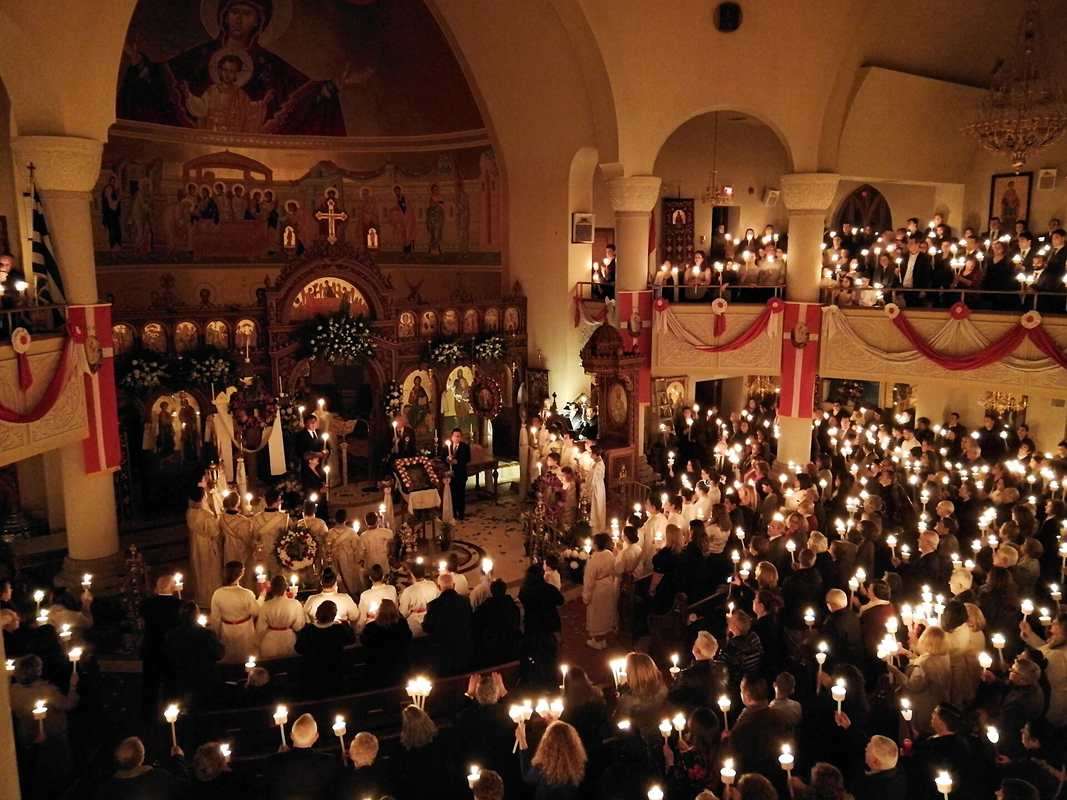
Orthodox Easter is not a single day but the heart of a season of holidays: Clean Monday opens Lent some seven weeks earlier, then Holy Week builds to Good Friday, Easter Sunday and Easter Monday, all public holidays. It matters to travellers in two ways. First, the celebrations are deeply moving and spectacular, from candlelit midnight services to fireworks and feasts, making it a remarkable time to witness Greek culture. Second, it is the great family holiday when many Athenians leave the city for their ancestral villages, so the capital can feel unusually quiet over the Easter weekend, with some shops, businesses and even restaurants closing as owners travel. Knowing the dates lets you either embrace the experience or plan around the closures. The questions below cover what visitors ask most.
What closes and what stays open on holidays?
On Greek public holidays, banks, government offices, post offices and most shops and supermarkets close, and public transport often runs a reduced Sunday schedule. However, restaurants, cafés, bars and hotels usually stay open, and most major attractions and museums operate, though some close on the biggest holidays like Easter Sunday and 15 August or keep reduced hours. Pharmacies operate a rota for emergencies. The practical effect is that sightseeing and dining continue, but shopping, banking and errands should be done before or after the holiday.
Understanding what actually closes helps you plan around a holiday without disruption. The clear closures are the everyday services: banks, government and municipal offices, post offices, and the great majority of shops and supermarkets shut for the day, and public transport typically drops to a reduced Sunday-style timetable, so journeys may be less frequent.
The good news for visitors is that the hospitality and tourism sector largely carries on: restaurants, cafés, bars and hotels generally stay open and may even be busier, and most of the major archaeological sites and museums continue to operate on normal public holidays, so your sightseeing need not stop. The exceptions are the very biggest holidays, chiefly Orthodox Easter Sunday and the Dormition on the fifteenth of August, plus Christmas Day and New Year’s Day, when some attractions close entirely or run shortened hours, and the city is at its quietest, so it is wise to check the opening times of anything you particularly want to see on those specific dates. Pharmacies run a duty rota so that some remain open for emergencies, posted on each pharmacy door. In short, holidays in Athens pause shopping, banking and bureaucracy, but rarely prevent you from sightseeing and eating out, provided you check the key dates. The questions below cover what visitors ask most.
What are the biggest celebrations to experience?
The biggest Greek celebrations worth experiencing are Orthodox Easter, with its candlelit Holy Saturday midnight service, fireworks and feasting on roast lamb; Independence Day on 25 March, marked by a military parade in Athens; Oxi Day on 28 October, with another parade; Clean Monday, when families fly kites and picnic; and Epiphany on 6 January, with the blessing of the waters. These holidays bring processions, music, food and a vivid sense of Greek tradition, turning a public holiday into a cultural highlight of a visit.
Far from being mere closures, several Greek holidays are spectacular cultural events that can become the highlight of a trip if your visit coincides. The greatest is Orthodox Easter, when on Holy Saturday night huge crowds gather in churches for the midnight resurrection service, the lights are extinguished and then a single flame passes from candle to candle through the congregation, followed by fireworks, and the next day families feast on spit-roasted lamb, an unforgettable experience of Greek faith and family life.
The patriotic holidays bring grand parades through Athens: Independence Day on the twenty-fifth of March, commemorating the start of the 1821 revolution, features a large military parade in the capital, and Oxi Day on the twenty-eighth of October, marking Greece’s wartime defiance, brings student and armed-forces parades. Other holidays have charming customs: on Clean Monday, the start of Lent, families head outdoors to fly kites and picnic on Lenten foods, and on Epiphany, the sixth of January, priests bless the waters and young men dive to retrieve a cross thrown into the sea or harbour. Experiencing any of these gives a vivid, joyful window into Greek tradition, music and food, so it is worth checking whether your dates align with one of these celebrations and joining in. The questions below cover what visitors ask most.
How do you plan a trip around Greek holidays?
To plan around Greek holidays, check the year’s dates, especially the movable Orthodox Easter, before booking. Do shopping, banking and any errands before a holiday, as shops and banks close. Confirm the opening hours of attractions on major holidays like Easter Sunday and 15 August, when some close. Expect reduced public transport and quieter streets on holidays and Sundays. Book restaurants and accommodation early around Easter and August, and embrace any celebrations as a cultural bonus rather than an inconvenience.
A smooth trip simply requires a little advance awareness of the holiday calendar. The first step is to check the specific dates for the year you are travelling, paying particular attention to the movable Orthodox Easter cluster, since it shifts annually and can fall anywhere across a wide spring window, and noting the fixed national holidays that may land during your stay.
With the dates in hand, plan your practical needs accordingly: do any shopping, banking, currency exchange or errands before a public holiday, because shops, supermarkets and banks will be shut on the day itself, and stock up on essentials if a holiday falls during your visit. Confirm in advance the opening hours of any attraction you intend to see on a major holiday, as the biggest ones, Easter Sunday, the fifteenth of August, Christmas and New Year, may bring closures or reduced hours, and allow for thinner public transport and quieter streets on holidays and Sundays.
Around the busiest holiday periods, especially Easter and mid-August, book your restaurants and accommodation early, as Athenians and other travellers are on the move. Above all, treat any celebration your trip happens to catch not as a hindrance but as a rare cultural bonus, a chance to witness Greek tradition at its most vivid. With these simple steps, public holidays become a feature of your trip rather than an obstacle. The questions below cover what visitors ask most.
Frequently Asked Questions
What are the main public holidays in Greece?
The main Greek public holidays are New Year’s Day on 1 January, Epiphany on 6 January, Independence Day (25 March), Labour Day (1 May), the Dormition of the Virgin (15 August), Oxi Day (28 October) and Christmas (25 and 26 December). Several movable holidays follow the Orthodox Easter calendar: Clean Monday, Good Friday, Easter Monday and Whit Monday. Every Sunday is also officially a holiday, which is why many shops and services close on Sundays.
Is anything open on public holidays in Athens?
Yes, much stays open. While banks, offices and most shops and supermarkets close on Greek public holidays, restaurants, cafés, bars and hotels generally remain open, and most major attractions and museums operate on ordinary holidays. The exceptions are the biggest holidays, such as Orthodox Easter Sunday, 15 August, Christmas Day and New Year’s Day, when some sights close or keep reduced hours. Public transport runs a reduced Sunday-style schedule on holidays.
When is Greek Orthodox Easter?
Greek Orthodox Easter is calculated by the Orthodox church calendar and usually falls on a different date from Western Easter, often one or several weeks later, occasionally coinciding. Because it is movable, you should check the specific dates for your year of travel. It anchors a cluster of spring holidays, Clean Monday, Good Friday, Easter Sunday and Easter Monday. It is the most important holiday in Greece, when many Athenians leave for their home villages.