
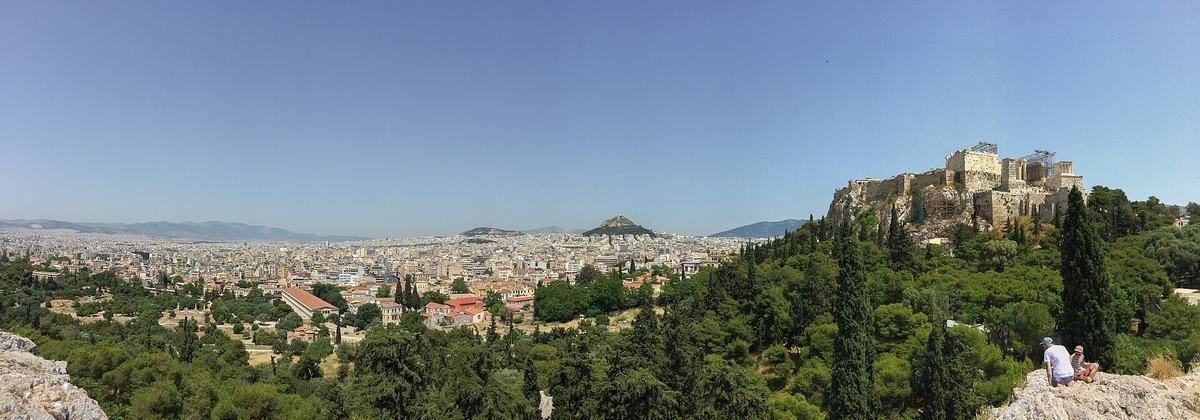
Athens has a Mediterranean climate with hot, dry summers and mild, rainy winters, making spring and autumn the sweet spots for a visit. Plan your timing alongside skip-the-line sightseeing tickets and tours from My Greece Tours.
Weather shapes every trip in the Athens travel guide. The sections below cover the climate overview, the seasons in detail, the temperatures and rainfall, the best time to visit, and what to pack.
What is the climate like in Athens?
The capital has a Mediterranean climate, with hot, dry, sunny summers and mild, moderately rainy winters. Temperatures range from the low teens Celsius in midwinter to the high twenties in midsummer, and sunshine is abundant year-round.
Rainfall is low, concentrated in the winter months, while summers are almost completely dry. This means reliably warm, dry weather for most of the year and only short, mild winters to plan around.
Athens enjoys a classic Mediterranean climate, the same that gives the region its reputation for sunshine, defined by hot, dry summers and mild, relatively wet winters. The contrast between the seasons is real but gentle: this is a city of long, warm days and short, soft winters rather than harsh extremes.
Average temperatures climb from around ten degrees Celsius in the depths of January to roughly twenty-eight degrees in the height of July and August, though summer daytime highs frequently push to thirty-five degrees or beyond during heatwaves. Rainfall is modest by northern European standards, totalling around three hundred and sixty-five millimetres across the year and falling almost entirely between late autumn and early spring, while the summer months are essentially dry. Throughout the year the city basks in plentiful sunshine, even in winter. The upshot for visitors is reassuring: Athens offers reliably warm, dry and sunny weather for the great majority of the year, with only a brief, mild winter to plan around, which is part of what makes it such an appealing year-round destination.
What are the seasons like in Athens?
Athens has four distinct but mild seasons. Summer is hot, dry and sunny; autumn cools gradually with rising showers; winter is mild and the rainiest period; and spring warms steadily. The shoulder seasons are the most comfortable for sightseeing.
Summer runs June to August in the low to mid thirties Celsius, occasionally touching forty degrees in heatwaves. Autumn stays pleasant into October, winter hovers near the low teens, and spring greens the countryside from cool to pleasantly warm.
Each Athens season has its own character, though none is extreme. Summer, from June through August, is hot, dry and brilliantly sunny, with temperatures commonly in the low to mid thirties and, during heatwaves, climbing as high as forty degrees; rainfall all but disappears, so days are reliably clear, but the midday heat can be intense for sightseeing.
Autumn, from September to November, brings a welcome, gradual cooling, with September and much of October still warm and pleasant and ideal for travel, before the rains slowly increase toward November. Winter, from December to February, is the mildest of seasons by Greek standards yet the rainiest, with average temperatures around the low teens, December the wettest month, and a mix of grey, showery spells and crisp, sunny days; snow is rare in the city.
Spring, from March to May, sees the temperature climb steadily from cool early-spring days to pleasantly warm weather by late spring, with the Attica countryside green and in bloom, making it one of the loveliest times to be in Athens. Across all four seasons, the weather is moderate enough that the city is enjoyable to visit year-round. The questions below cover what visitors ask most.
What are the temperatures and rainfall by month?
Athens is coldest in January, averaging the low teens Celsius, and hottest in July and August, in the high twenties with highs above the mid thirties. Rainfall peaks from November to February and is almost nil in midsummer.
Spring warms from the low teens in March to around twenty degrees in May; autumn cools from the mid twenties in September to the mid teens in November. December is the wettest month, while the driest, hottest months are midsummer and the wettest, coolest are midwinter.
Looking at the year month by month makes Athens easy to plan for. The cold point comes in January, when the average temperature sits around ten degrees, with February similar, before spring warming sets in: March averages roughly twelve degrees, April climbs into the mid teens, and May reaches around twenty degrees, warm and comfortable.
The heat builds through June into the peak of July and August, when averages reach the high twenties and daytime highs regularly exceed the mid thirties, the hottest and driest part of the year. September stays warm in the mid twenties and is a superb month to visit, after which October and November cool steadily toward the mid teens.
Rainfall follows the opposite pattern, concentrated in the cooler half of the year: the wettest stretch runs from November through February, with December the single wettest month over roughly ten rainy days, while July and August are almost completely dry, receiving only a trace. In short, midsummer is hot and rainless, midwinter is mild and damp, and the months in between offer a comfortable balance, which is the key to choosing when to come. The questions below cover what visitors ask most.
When is the best time to visit Athens?
The best time to visit Athens is spring and autumn, especially mid-April to late May and mid-September to early October, when the weather is warm but not scorching, the skies are clear and the crowds are thinner than in peak summer.
May, June and September are particularly good, offering long, sunny days ideal for sightseeing. Summer is hot and busy but great for combining the city with the beaches and islands, while winter is quiet, mild and cheap, with fewer crowds at the sights.
For most visitors, the ideal time to come to Athens is the shoulder seasons of spring and autumn, when the climate is at its most agreeable for exploring. The sweet spots are roughly late April into May and again from mid-September into early October, when temperatures are warm and pleasant rather than scorching, the skies are clear, the days are long, and the crowds are thinner than at the height of summer.
The months of May, June and September stand out as especially fine, offering reliably sunny, comfortable weather perfect for walking the ancient sites and the neighbourhoods without the exhausting midsummer heat. Peak summer, July and August, is hot and busy, and it is the natural time to pair the city with the beaches of the Riviera and trips to the islands, where the heat is balanced by the sea.
Winter, from December to February, is the quietest and cheapest season, mild but the rainiest, with short days yet far fewer crowds at the major sights and a more local feel to the city. Whenever you choose, Athens rewards a visit, but for the best balance of weather and comfort, spring and autumn are hard to beat. The questions below cover what visitors ask most.
The weather also shapes how you plan each day, not just what you wear. In the summer heat the wise rhythm is to sightsee early, rest or head to the coast in the hot afternoon, and come out again in the cooler evening, mirroring how Athenians live through the season. In the shoulder months and winter you have far more flexibility to be out all day, and a flexible eye on the forecast helps you dodge the occasional shower and make the most of the many clear, sunny spells.
What should you pack for the Athens weather?
Pack for the Athens weather by season: light, breathable clothes plus sun protection for summer, layers and a light jacket for spring and autumn, and warm layers with rain protection for winter. Comfortable walking shoes with grip matter all year.
A refillable water bottle earns its place through the hot months, a compact umbrella covers the occasional shoulder-season shower, and a proper coat handles the wetter winter. The marble paths of the ancient sites turn slippery when wet, so grip is essential.
What you pack for Athens depends on when you visit, but a few essentials apply across the seasons. In summer the priority is coping with the heat and sun, so bring light, breathable clothing in natural fabrics, a wide-brimmed hat, sunglasses and a high-factor sunscreen, and carry a refillable water bottle, as staying hydrated while walking the sites in thirty-five-degree heat is vital.
For the shoulder seasons of spring and autumn, the trick is layering, and mornings and evenings can be cool while afternoons turn warm, so pack a mix of light clothes with a sweater or light jacket, and add a compact umbrella or rain jacket for the occasional shower, more likely toward late autumn. Winter calls for warmer layers, a proper coat and reliable rain protection, as this is the wettest season, though it rarely turns truly cold.
One item matters all year round: comfortable walking shoes with good grip, because the ancient sites and many old streets are paved in marble and stone that become slippery, especially when wet, and you will be on your feet for hours. Pack with the season in mind and the right footwear always, and the Athens weather will be no obstacle to enjoying the city. The questions below cover what visitors ask most.
How many hours of sunshine does Athens get?
Athens is one of the sunniest capitals in Europe, with long, bright days for most of the year. Summer delivers the most sun, with clear skies from morning to evening, while even the darker winter months bring frequent sunny spells between the rain.
The abundance of sunshine defines the Athenian day as much as the temperature does. Through the height of summer the sky stays cloudless for weeks at a stretch, giving the longest, brightest days of the year and light that lingers well into the evening. This is the season of the long dinner outdoors and the late stroll, and it is the reason the city empties toward the coast in the fierce midday hours.
Sunshine drops in the cooler half of the year, yet Athens keeps its reputation even then. Winter days are shorter and interrupted by showery spells, but clear, crisp mornings are common, and the sun feels welcome and warming rather than harsh. Spring and autumn sit between the two extremes, pairing long daylight with comfortable warmth, which is exactly why the shoulder seasons suit walking the city so well.
How warm is the sea for swimming in Athens?
The sea off the Athens coast is warmest from midsummer into early autumn, comfortable for swimming from roughly June through October. Midsummer brings the warmest water; by late autumn and winter the sea turns cold, and few visitors swim until spring warmth returns.
The Athens Riviera and the beaches within easy reach of the city give the capital a coastal side that the weather rewards for much of the warm season. The sea heats up slowly after winter, so early summer water still feels fresh, while by the height of summer it reaches its most inviting warmth and stays that way as the land begins to cool.
One of the quiet advantages of an autumn visit is that the sea holds its summer warmth into September and October, long after the air has eased from its peak. That lag makes early autumn a fine time to combine sightseeing with a swim, pairing the cooler, calmer city with water that is still pleasant. By deep winter the sea is cold and swimming is rare, waiting for the spring to warm it again.
How hot are Athens heatwaves in summer?
Athens summers bring periodic heatwaves when temperatures climb into the high thirties and reach forty degrees Celsius or more. These hot spells last several days, with warm nights and intense midday heat, and are the main weather challenge for summer sightseeing.
Heatwaves are a defining feature of the Athenian summer rather than a rare event. During these spells the daytime heat becomes intense in the city centre, where stone and marble radiate warmth, and the nights stay warm enough that sleep and outdoor dining feel heavy. The dry air makes the heat more bearable than humid climates, but the sheer numbers demand respect.
Managing the heat is straightforward with a sensible rhythm. Locals and seasoned visitors tackle the ancient sites early, retreat to shade, air-conditioning or the coast through the hottest afternoon hours, and re-emerge in the cooler evening. Plenty of water, light clothing and sun protection turn a demanding day into a comfortable one, and the reward is the reliably clear, rain-free skies that only midsummer guarantees.
How mild is winter in Athens?
Winter in Athens is mild by European standards, with daytime temperatures usually in the low teens Celsius and only occasional cold snaps. It is the rainiest season, but snow in the city is rare, and sunny days are common between the showers.
The Athenian winter surprises visitors expecting harsh cold. Days are short and the season carries most of the year’s rain, yet the temperature rarely dips to freezing in the city, and frost and snow stay largely on the mountains ringing Attica. A winter afternoon often brings clear skies and gentle warmth in the sun, well suited to unhurried sightseeing without the summer crowds.
This mildness makes winter an underrated time to visit. The major sites stand quiet and inexpensive, the cafes and tavernas take on a cosy, local mood, and a warm layer plus rain protection handles the occasional wet, grey spell. The trade-off is fewer daylight hours and a real chance of rain, balanced by the space and calm that the peak seasons cannot offer.
Why are spring and autumn the best weather in Athens?
Spring and autumn give Athens its most comfortable weather: warm but not scorching days, clear skies, long daylight and low rainfall. These shoulder seasons avoid both the harsh midsummer heat and the wetter depths of winter, making them ideal for walking the city.
The appeal of the shoulder seasons is balance. Spring builds from cool early days to genuinely warm weather by its end, with the Attica countryside green and flowering, while autumn eases down from summer heat into pleasant, settled conditions that hold well into October. Both stretches deliver the long, bright days that sightseeing rewards, without the exhausting midday heat of July and August.
Comfort on foot is the real prize. Exploring the ancient sites, the markets and the neighbourhoods means hours of walking, and moderate temperatures make that a pleasure rather than an endurance test. Thinner crowds, warm sea for a late swim in early autumn, and reliable sunshine complete the case, which is why these months top most recommendations for a first visit.
How does Athens weather compare with northern Europe?
Athens is far warmer, drier and sunnier than northern Europe for most of the year. Its summers are hotter and rainless, its winters milder and much shorter, and its annual sunshine far greater, giving a longer, more reliable warm-weather season.
The contrast is clearest in the numbers travellers feel. Where northern European summers can be cool and changeable, Athens delivers dependable heat and clear skies, and where the north endures long, dark, cold winters, the Greek capital offers a brief, mild one with frequent sun. The city’s rain is concentrated into the cooler months and stays modest overall, rather than spreading through the year.
For a visitor this means a wider window of good sightseeing weather and a much greater chance of clear skies on any given day. The flip side is the midsummer heat, which northern travellers can find intense, so many time their trip for the softer spring and autumn conditions that feel warm and generous without tipping into the extremes of high summer.
Frequently Asked Questions
Which month is best for visiting Athens?
The finest months for Athens are May, June, September and early October, in the spring and autumn shoulder seasons. The weather is warm and sunny but not scorching, the skies are clear, the days are long, and the crowds are thinner than in peak summer. These months are ideal for walking the ancient sites and neighbourhoods comfortably. April and late October are also good, while July and August are hot and busy.
How hot does Athens get in summer?
Athens gets very hot in summer, with July and August averaging around 28°C and daytime highs regularly exceeding 35°C. During heatwaves, temperatures can reach 40°C or more. Summers are also extremely dry, with almost no rain. The intense midday heat can be tiring for sightseeing, so it is best to visit the major sites early in the morning, carry water and sun protection, and rest or head to the coast in the afternoon.
Does it rain in Athens?
Yes, but Athens has fairly low rainfall, around 365 mm a year, concentrated in the cooler months from late autumn to early spring. December is the wettest month, with around 64 mm over roughly ten rainy days, while July and August are almost completely dry. Winters bring a mix of showery spells and sunny days rather than constant rain, so even in the wettest season there are plenty of clear, pleasant days for sightseeing.
When can you swim in the sea in Athens?
The swimming season on the Athens coast runs from roughly early summer into mid-autumn, with the sea most comfortable from June through October. Midsummer brings the warmest water, and the sea holds its warmth well into September and October, so early autumn is a fine time to combine sightseeing with a beach day on the Riviera. By late autumn and winter the water turns cold and few people swim until spring warmth returns.
Is winter a good time to visit Athens?
Winter is a good time to visit Athens for travellers who prefer calm over warmth. The weather is mild for Europe, usually in the low teens by day, with sunny spells between the showers and only rare snow. The major sites are quiet and inexpensive and the city feels local, though the days are short and this is the rainiest season, so pack warm layers and rain protection.