
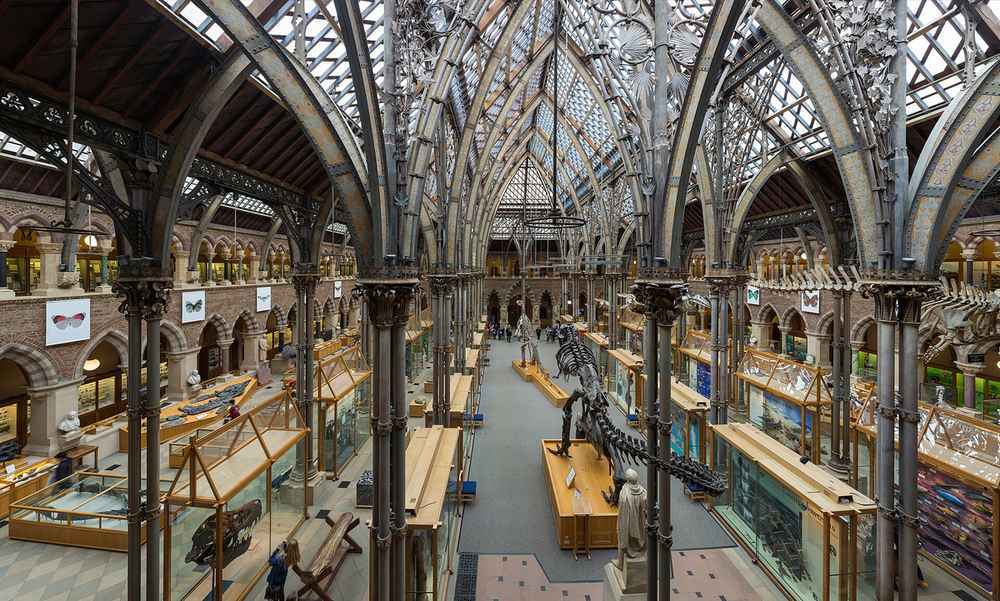
The Goulandris Natural History Museum in leafy Kifissia is Greece’s leading natural history museum, with vast collections of plants, animals, rocks and fossils, plus the spectacular Gaia Centre telling the story of planet Earth. Discover this family favourite alongside skip-the-line sightseeing tickets and tours from My Greece Tours.
This nature museum is a family-friendly corner of the Athens travel guide. The sections below cover what the museum is, the natural history collections, the Gaia Centre and its geosphere, who it suits, the setting in Kifissia, and how to visit.
What is the Goulandris Natural History Museum?
The Goulandris Natural History Museum is Greece’s foremost natural history museum, founded and located in the leafy northern suburb of Kifissia. Housed in a neoclassical building, it holds vast collections of plants, insects, birds, mammals, reptiles, shells, fossils, rocks and minerals, focusing on the wildlife of Greece. It is paired with the spectacular Gaia Centre on the story of planet Earth. Educational, family-friendly and set in a pleasant garden, it is a rewarding day out from the city.
For families, nature lovers and the curious, the Goulandris Natural History Museum is a wonderful and rewarding destination, holding the distinction of being the foremost natural history museum in Greece. Founded by the Goulandris family and located in the pleasant, leafy and affluent northern suburb of Kifissia, the museum is housed in a well-maintained neoclassical building in a quiet, green setting, a world away from the bustle of the centre. Its mission is to study, preserve and present the natural world, with a particular focus on the rich and varied flora, fauna and geology of Greece, and to this end it holds vast and important collections spanning the botanical, zoological and geological realms, from plants and insects to birds, mammals, reptiles, shells, fossils, rocks and minerals.
Adjoining and complementing the traditional museum is its spectacular modern extension, the Gaia Centre, devoted to the story of planet Earth itself. Educational, engaging and especially appealing to families with children, yet set in a tranquil garden with cafés, the museum makes a rewarding and refreshing day out from the city centre. Its collections bring nature to life. They span the whole living world.
What are the natural history collections?
The museum’s galleries are divided into three areas: botanical, zoological, and geological and palaeontological. They display large collections of plants, insects, birds, mammals, reptiles, shells, fossils, rocks and minerals, drawn especially from the wildlife of Greece. The botanical collections alone number over 200,000 plant specimens, including many newly discovered species. Through specimens, dioramas and displays, the museum showcases the remarkable natural diversity of Greece and the wider world, educating and delighting visitors of all ages.
The heart of the Goulandris museum is its rich and extensive natural history collections, thoughtfully organised into three main areas that together cover the whole sweep of the natural world. The botanical galleries celebrate the plant kingdom, and the museum’s herbarium and botanical collections are enormous, numbering over two hundred thousand plant specimens gathered from across Greece and beyond, including a significant number of species newly discovered and described by the museum’s own researchers, reflecting Greece’s extraordinary botanical richness. The zoological galleries display the animal kingdom in all its variety, with large collections of insects, mammals, birds, reptiles, fish, amphibians and shells, many representing the diverse wildlife native to the Greek mountains, forests, wetlands and seas, presented through mounted specimens and dioramas.
The geological and palaeontological galleries cover the earth sciences, exhibiting a fine array of rocks, minerals, crystals and fossils that tell the deep story of the land. Throughout, the displays are designed to educate as well as to delight, illustrating the remarkable natural diversity and heritage of Greece and the wider world in an accessible, engaging way that appeals to children and adults alike. The collections are genuinely impressive. The museum’s modern centrepiece, however, is a marvel of its own.
What is the Gaia Centre?
The Gaia Centre is the museum’s spectacular modern wing, a building of six levels covering some 12,000 square metres, much of it underground, devoted to the story of planet Earth. Its centrepiece is the geosphere, a giant hemispherical dome that presents the rotating planet through hundreds of thousands of high-resolution images, illustrating Earth’s geological evolution over 4.6 billion years and how it functions today, including human impact. Interactive and immersive, it is a fascinating, world-class environmental and earth-science experience.
The crowning glory of the Goulandris museum, and a genuinely world-class attraction, is the Gaia Centre, a spectacular modern wing housed in its own building that connects to the traditional museum and dramatically expands the experience. The Gaia Centre is impressively large, stretching over six levels and covering a total area of around twelve thousand square metres, much of it ingeniously built underground, and it is devoted entirely to telling the great story of planet Earth, its formation, its workings and its place in the universe. The undisputed highlight and centrepiece is the geosphere, a giant hemispherical dome onto which the rotating planet Earth is projected using a vast array of around two hundred thousand high-resolution images, an awe-inspiring and immersive sight.
Around it, the centre’s exhibitions explain in clear and engaging terms how the Earth has functioned over millions of years, tracing the planet’s geological evolution from its creation some four and a half billion years ago right up to the present day, and crucially examining how the planet works today and how it is being affected by the interventions of modern humans. Interactive, immersive and thought-provoking, the Gaia Centre offers a fascinating environmental and earth-science experience that complements the natural history collections perfectly. It is the museum’s must-see. It appeals especially to families.
Who is the museum for, and what is the setting like?
The museum is especially good for families with children, who love the animals, dinosaurs, dioramas and the immersive Gaia geosphere, but it equally rewards adults and nature lovers. It sits in leafy, upscale Kifissia, a green and pleasant suburb worth exploring in its own right, with a garden and cafés on site. The combination of education, engaging displays and a tranquil setting makes it a relaxing, enriching change from the city’s ancient sites, ideal for a half-day outing.
The Goulandris Natural History Museum and its Gaia Centre appeal to a broad range of visitors, but they are particularly well suited to families with children, for whom the museum is a real treat: youngsters delight in the displays of animals, the fossils and any dinosaur exhibits, the colourful dioramas of wildlife, and above all the immersive, high-tech experience of the Gaia geosphere and its rotating planet, all of which make learning about nature fun and memorable. That said, the museum equally rewards adults, students and nature lovers of all ages with its rich collections and its serious, world-class earth-science content. Adding to the appeal is the museum’s setting in Kifissia, one of the most pleasant, leafy, green and upscale suburbs of northern Athens, a district of elegant villas, parks and smart shops that is enjoyable to explore in its own right and offers a refreshing, cooler escape from the dense, hot centre.
On the museum’s own grounds you will find a pleasant garden and café-restaurants where you can relax over a coffee or a meal, including with children. This combination of engaging, educational displays and a tranquil, attractive setting makes the museum a relaxing and enriching change of pace from the ancient sites, ideal for a half-day outing. Reaching it is easy by metro. The questions below cover the points visitors ask most.
How do you visit the Goulandris Natural History Museum?
The museum is in Kifissia, a northern suburb of Athens, easily reached on the metro line 1, the green line, to the Kifissia terminus, around 30 minutes from the centre, then a short walk or taxi. It is open most days with an admission ticket covering the museum and Gaia Centre; check current hours. Allow around two hours to enjoy both, more with children, and combine it with a stroll around pleasant Kifissia. It makes a rewarding, family-friendly half-day from the city.
Visiting the Goulandris Natural History Museum is straightforward and well worth the short journey out to the suburbs. The museum is located in Kifissia, the green northern suburb of Athens, and the easiest way to get there from the centre is by metro: line 1, the green line, the city’s oldest line, runs all the way out to its northern terminus at Kifissia in around thirty minutes from the central stations, from where the museum is a short walk or a brief taxi ride away. The museum is generally open on most days of the week and requires an admission ticket, which typically covers both the traditional natural history museum and the Gaia Centre, so it is worth checking the current opening hours and ticket details before you go, as days and times can vary.
Allowing around two hours lets you explore both the collections and the Gaia Centre comfortably, and rather more if you are visiting with children who will want to linger over the interactive displays and the geosphere. To round out the day, combine your visit with a stroll around the pleasant, leafy streets and parks of Kifissia, perhaps with a coffee or lunch in the suburb. For families and nature lovers, it makes a rewarding, enriching and refreshing half-day escape from the city’s ancient sites. The transport network is explained in the Athens metro guide. The questions below cover the points visitors ask most.
Frequently Asked Questions
What is the Goulandris Natural History Museum?
The Goulandris Natural History Museum is Greece’s foremost natural history museum, in the northern suburb of Kifissia, founded. It holds vast collections of plants, insects, mammals, birds, reptiles, shells, rocks and fossils, focusing on the wildlife of Greece, and is paired with the spectacular Gaia Centre on the story of planet Earth, with its giant geosphere dome. It is educational and especially family-friendly.
What is the Gaia Centre in Athens?
The Gaia Centre is the spectacular modern wing of the Goulandris Natural History Museum in Kifissia, devoted to the story of planet Earth across six levels and some 12,000 square metres. Its centrepiece is the geosphere, a giant dome presenting the rotating planet through around 200,000 high-resolution images, illustrating Earth’s geological evolution and how it functions today. It is an immersive, world-class earth-science experience.
How do you get to the Goulandris Natural History Museum?
The Goulandris Natural History Museum is in Kifissia, a northern suburb of Athens, easily reached on the metro line 1, the green line, to the Kifissia terminus, around 30 minutes from the centre, then a short walk or taxi. It is open most days with an admission ticket covering the museum and Gaia Centre. Allow around two hours, more with children, and combine it with a stroll around leafy Kifissia.