
This charming little house-museum, the Vouros-Eutaxias Foundation, occupies the city’s first royal residence, where King Otto and Queen Amalia lived, preserving elegant 19th-century interiors, paintings and the story of how modern Athens was born. Discover this hidden gem alongside skip-the-line sightseeing tickets and tours from My Greece Tours.
This atmospheric house-museum is a refined corner of the Athens travel guide. The sections below cover what the museum is, its history as the first royal palace, the royal couple’s rooms, the collection and paintings, the story of modern Athens, and how to visit.
What is the Museum of the City of Athens?
Dedicated to the story of modern Athens, the City of Athens Museum, also called the Vouros-Eutaxias Foundation, occupies two of the city’s oldest surviving buildings near Syntagma. One served as the first royal palace of King Otto and Queen Amalia in the 1830s. Founded and opened, it preserves elegant 19th-century neoclassical interiors, furniture, paintings, antiquities and memorabilia, offering an intimate glimpse of Athens as it became the capital of modern Greece.
Tucked away near Syntagma Square yet often overlooked, the Museum of the City of Athens is a charming and atmospheric house-museum that tells the story of how Athens was reborn as the capital of the modern Greek state, a tale quite separate from its ancient glories. Also known by the name of its founding body, the Vouros-Eutaxias Foundation, the museum is housed in two of the oldest surviving buildings in the city, handsome neoclassical mansions dating from the very birth of modern Athens in the 1830s. The older of the two has a remarkable distinction: it served as the first royal residence, the palace of the young King Otto and Queen Amalia, the first monarchs of modern Greece, in the years immediately after Athens became the capital.
Founded by the politician and collector Lambros Eftaxias and opened to the public, the museum preserves beautifully furnished nineteenth-century interiors along with paintings, antiquities, furniture, prints and memorabilia, offering an intimate and evocative window onto the life of the city and its rulers as the new nation took shape. It is a hidden gem of history and elegance. Its royal past gives it special significance.
What is its history as the first royal palace?
The older building, on Paparrigopoulou Street, was a grand neoclassical mansion built around 1833 for the wealthy banker Stamatios Dekozis-Vouros. When Athens became the capital of the new Greek kingdom, it served as the temporary palace of King Otto and Queen Amalia from about 1836 to 1843, while their permanent palace, now the Parliament, was being built. It was here that the young Bavarian-born king and queen first held court, making the building a cradle of modern Greek royal and political history.
The most historically significant of the museum’s two buildings is the older mansion, which carries a fascinating royal story bound up with the very founding of modern Athens. Built around 1833, in the earliest years of the new Greek capital, the elegant neoclassical house belonged to the wealthy banker Stamatios Dekozis-Vouros originally from the island of Chios, and it was one of the grandest private residences in the fledgling city. When Athens was chosen as the capital of the newly independent Kingdom of Greece, the young King Otto, a Bavarian prince installed as Greece’s first modern monarch, and his queen, Amalia, needed a suitable residence, and so this fine mansion served as their temporary royal palace from around 1836 to 1843, while the permanent royal palace, the building that today houses the Greek Parliament on Syntagma Square, was under construction.
For these years, then, the house was the seat of the Greek crown, where the young royal couple lived and held court at the dawn of the modern state. This gives the building a unique place in the nation’s royal and political history, a place the museum brings vividly to life. The royal rooms are a highlight of any visit.
What royal rooms and interiors can you see?
The museum recreates the elegant interiors of the royal couple and the 19th-century Athenian aristocracy. Highlights include King Otto’s throne room, Queen Amalia’s drawing room with her writing desk and piano, the room displaying the Constitution of 1844, and a dining room with a marble fireplace. The rooms are furnished with period pieces, portraits and decorative arts, vividly evoking the refined domestic world of the early Greek monarchy and the elegant society of the new capital.
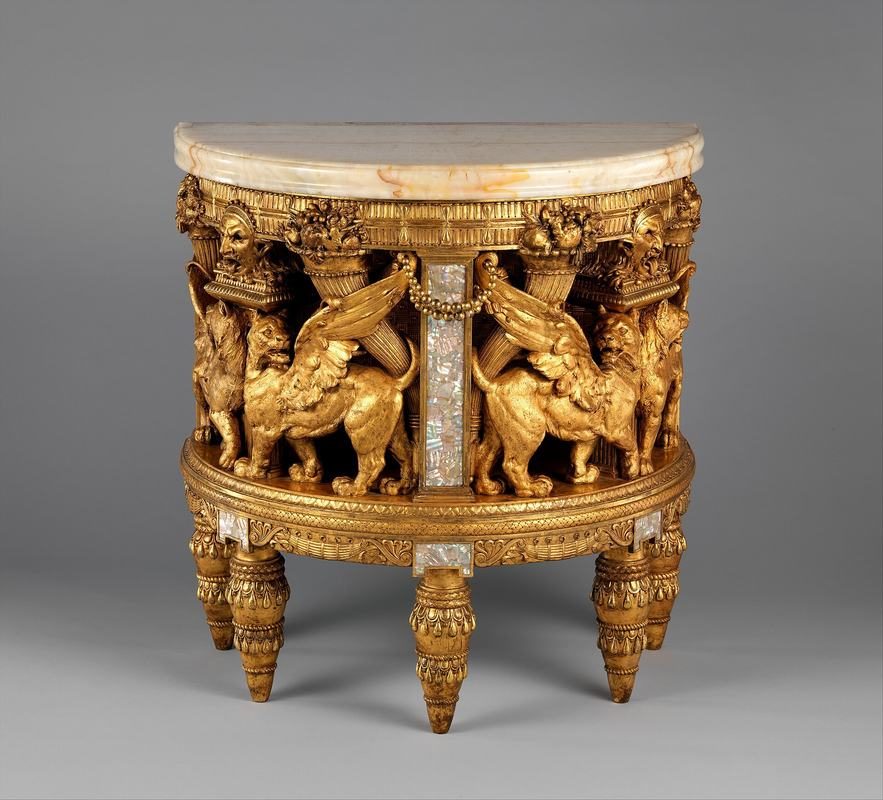
The chief delight of the Museum of the City of Athens is the chance to walk through its beautifully recreated nineteenth-century interiors, which conjure the elegant domestic world of the early Greek monarchy and the aristocratic society of the young capital. The rooms are furnished in period style with antique furniture, portraits, decorative objects and personal items, so that the visitor moves through a series of atmospheric, lived-in spaces rather than sterile galleries. Among the highlights associated with the royal couple are the throne room of King Otto, evoking the formal ceremonial life of the early court, and the gracious drawing room of Queen Amalia, complete with her elegant writing desk and a piano, offering a glimpse of the queen’s refined private world.
Another room displays the Constitution of 1844, a pivotal document in the political history of modern Greece, recalling the building’s role at the heart of national affairs. Elsewhere you can see a handsome dining room with a marble fireplace, a sitting room with a backgammon table, and other rooms arranged as the typical drawing rooms of the wealthy Athenian families of the era. These intimate, elegant interiors are the museum’s great charm. The collection extends well beyond the royal rooms.
What is in the collection?
Beyond the period rooms, the museum’s collection spans antiquities, Byzantine art, sculptures, paintings, drawings, photographs, furniture and works in metal, glass and textile, much of it gathered by the founder. A famous highlight is the large painting “The Carnival of Greece” by Nikiforos Lytras and Nikolaos Gyzis. The art and objects together illustrate the development of Athens and Greek life and society from the early modern period, complementing the historic interiors with rich cultural and artistic treasures.
While the recreated royal and aristocratic rooms are the heart of the experience, the Museum of the City of Athens also holds a rich and varied collection of art and objects, much of it assembled by its founder and benefactor, that broadens and deepens the visit. The collection spans a wide range, including antiquities and Byzantine art, sculptures, a notable body of paintings and drawings, historic photographs and engravings of old Athens, fine furniture, and decorative works in metal, glass, porcelain and textile, together forming a treasure house of nineteenth-century Greek culture and craftsmanship. A particularly celebrated highlight is a large and important painting depicting the Carnival of Greece, the joint work of the great Greek painters Nikiforos Lytras and Nikolaos Gyzis, a vivid and much-admired canvas.
Many of the paintings and prints offer fascinating depictions of Athens as it was in the early decades of the modern era, when it was transforming from a small Ottoman town into a European capital, allowing you to see how the city looked and lived. Together, these artworks and objects complement the historic interiors beautifully, enriching the story of the city. They reward unhurried browsing. The museum’s deeper purpose is to tell the story of modern Athens.
How does it tell the story of modern Athens, and how do you visit?
The museum charts the development of Athens from a small town into the capital of modern Greece in the 19th century, through its rooms, paintings, prints and objects. It stands on Paparrigopoulou Street by Klafthmonos Square, central Athens, a short walk from Syntagma and the Panepistimio or Syntagma metro stations. It is open most days, often closed Tuesday, with an admission ticket; check current hours. Allow around an hour, and combine it with the central neoclassical sights.
The deeper purpose and charm of the Museum of the City of Athens is to tell the story of the development of Athens in modern times, charting its remarkable transformation during the nineteenth century from a modest, dusty Ottoman-era town of a few thousand people into the bustling neoclassical capital of an independent European nation. Through its atmospheric royal and aristocratic rooms, its evocative paintings and prints of the early city, and its rich collection of objects, the museum brings this pivotal era of urban and national rebirth vividly to life, complementing the ancient story told by the city’s archaeological sites. Visiting is easy and central: the museum stands on Paparrigopoulou Street, beside the leafy Klafthmonos Square, in the heart of Athens, only a short walk from Syntagma Square and close to the Panepistimio and Syntagma metro stations.
It is generally open on most days of the week, often closing on Tuesdays, and requires a modest admission ticket, so it is worth checking the current opening hours before visiting. Allowing around an hour lets you enjoy the rooms and collection at a relaxed pace, and the central location means it combines naturally with the nearby neoclassical landmarks, the cathedral, and the central sights. For anyone curious about how the small Ottoman town became the elegant capital of a new nation, and for lovers of period interiors and royal history, the museum is a quietly rewarding and atmospheric stop. Its intimate scale and central location make it easy to slot into a day exploring the heart of the city. It is a delightful and uncrowded historical detour. The questions below cover the points visitors ask most.
Frequently Asked Questions
What is the Museum of the City of Athens?
This institution near Syntagma, the Vouros-Eutaxias Foundation, is a museum dedicated to the story of modern Athens, housed in two of the city’s oldest buildings. One was the first royal palace of King Otto and Queen Amalia in the 1830s. It preserves elegant 19th-century interiors, including the throne room and royal drawing rooms, plus paintings, antiquities and the famous “Carnival of Greece”.
Was the Museum of the City of Athens a royal palace?
Yes, the older of the museum’s two buildings served as the first royal residence of King Otto and Queen Amalia, the first monarchs of modern Greece, from about 1836 to 1843. The young royal couple lived and held court here while their permanent palace, now the Greek Parliament, was being built, making the building a cradle of modern Greek royal and political history.
Where is the City of Athens Museum located?
The museum is on Paparrigopoulou Street beside Klafthmonos Square in central Athens, a short walk from Syntagma Square and close to the Panepistimio and Syntagma metro stations. It is open most days, often closed on Tuesdays, with a modest admission ticket, so check the current hours. Allow around an hour to enjoy the historic rooms and collection.