
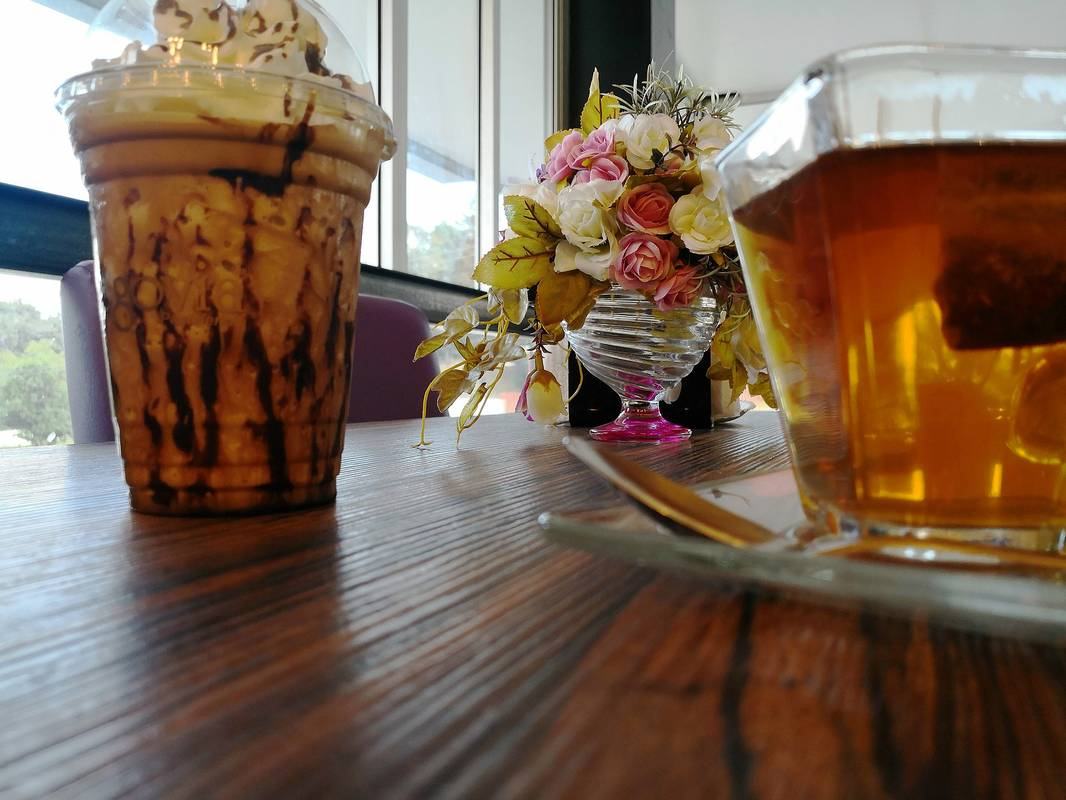
Athens coffee culture is a way of life, from the iconic iced freddo espresso and frothy frappe to traditional Greek coffee brewed in a briki and the unhurried social ritual of the kafeneio. Soak it up between skip-the-line Acropolis tickets and tours from My Greece Tours with a coffee in hand.
This caffeinated slice of local life is a flavourful part of the Athens travel guide. The sections below cover why coffee matters in Athens, the freddo and frappe, traditional Greek coffee, how to order, the kafeneio and café scene, and tips for enjoying coffee like a local.
Why does coffee matter so much in Athens?
In Athens, coffee is far more than a caffeine fix; it is a cherished social ritual that shapes the rhythm of daily life. Greeks meet over coffee to talk, debate, relax and watch the world go by, often lingering for hours over a single cup, embodying the philosophy of siga siga, slowly, slowly. Cafés fill the squares and streets at all hours, making coffee-drinking one of the most enjoyable ways to experience authentic Athenian life.
To understand Athens, you have to understand its coffee culture, for in the Greek capital coffee is woven into the very fabric of daily life in a way that goes far beyond the simple need for a caffeine boost. Here, ordering a coffee is above all a social act, an excuse to pause, to meet friends, to talk, argue, flirt, do business and simply watch the passing scene, and Greeks famously think nothing of nursing a single cup for two or three hours as the conversation flows. This unhurried approach embodies the cherished local philosophy of siga siga, meaning slowly, slowly, a relaxed attitude to time that prizes enjoyment and connection over haste.
The result is a city where cafés spill out onto every square, pavement and street corner, buzzing from morning until late at night with people of all ages settled at little tables over their drinks. For the visitor, joining in this ritual, finding a café, ordering a coffee and lingering to soak up the atmosphere, is one of the most authentic and pleasurable ways to experience Athenian life. Coffee is the social glue of the city. Two iced creations rule the modern scene.
What are freddo espresso and frappe?
The two icons of modern Greek coffee are the freddo and the frappe, both served cold. The freddo espresso is a shot or two of espresso shaken with ice until frothy and poured over ice; the freddo cappuccino adds a thick layer of cold, airy frothed milk on top. The frappe is an older classic, made from instant coffee, sugar and water whipped to a foam, then served over ice with water and milk. Both are perfect for the warm Athenian climate.
The undisputed stars of the contemporary Athenian coffee scene, especially in the warm months, are two iced drinks that Greeks have made their own: the freddo and the frappe. The freddo is the modern favourite and comes in two forms. The freddo espresso is made by taking one or two shots of freshly pulled espresso and shaking or blending them vigorously with ice until the coffee turns smooth and frothy, then pouring it over a glass of ice cubes, producing a strong, refreshing and beautifully cold coffee. Its sibling, the freddo cappuccino, is made the same way but is crowned with a thick, generous layer of cold, airy frothed milk, the afrogala, which is whipped to a light, creamy foam and floated on top, balancing the espresso’s intensity.
The frappe, by contrast, is the older Greek classic, famously invented by accident in Thessaloniki in the 1950s; it is made by vigorously blending instant coffee, sugar and a little water until a thick, pale foam forms, which is then poured over ice and topped up with water and, if you like, milk. Both drinks are perfectly suited to the hot Athenian climate. They define how the city drinks. The traditional brew, however, runs deeper still.
What is traditional Greek coffee?
Traditional Greek coffee is a strong, aromatic brew made from very finely ground coffee simmered with water and optional sugar in a small long-handled pot called a briki, then poured, grounds and all, into a small demitasse cup. It is served hot and sipped slowly, leaving the thick grounds at the bottom. You order it by sweetness: sketo (no sugar), metrio (medium) or glyko (sweet). It is the oldest and most ceremonial of the city’s coffees.
Beneath the modern iced drinks lies the oldest and most traditional brew of all, Greek coffee, a strong, intense and deeply aromatic coffee with a long history and a special place in the culture. It is made from coffee beans, usually arabica, roasted and then ground to an extremely fine, almost powdery consistency, which is combined with cold water and, if desired, sugar in a small, long-handled copper or brass pot called a briki, then heated slowly over a low flame. The skill lies in the timing: as the coffee rises and forms its prized frothy crema, the kaimaki, the briki is whisked off the heat just before it boils over, then the coffee is poured, grounds and all, into a small demitasse cup.
It is served hot and meant to be sipped slowly and savoured, never gulped, with the thick sediment of grounds left undisturbed at the bottom of the cup, sometimes even read for fortune-telling. Crucially, you order it by its sweetness rather than adding sugar yourself: sketo for no sugar, metrio for medium and glyko for sweet. Ceremonial and unhurried, Greek coffee is the heart of the tradition. Knowing how to order is the next skill. The vocabulary is easy to master.
How do you order coffee in Athens?
To order coffee in Athens, name the drink and, for Greek coffee, its sweetness: sketo (unsweetened), metrio (medium-sweet) or glyko (sweet). For a freddo, specify espresso or cappuccino, and say how sweet you want it. You can order coffee zesto (hot) or kryo (cold). Most cafés serve the full range from espresso and cappuccino to freddo and frappe. A simple please, parakalo, and thank you, efcharisto, go a long way with the friendly staff.
Ordering coffee in Athens is easy once you know a few key words, and getting it right lets you drink like a local rather than defaulting to a generic order. The basic principle is to name the type of coffee you want and then, where relevant, specify how it should be prepared. For traditional Greek coffee, the most important thing is to state the level of sweetness, since the sugar is brewed in: ask for sketo if you want it without any sugar, metrio for a medium, balanced sweetness, or glyko if you have a sweet tooth. For the popular freddo, simply specify whether you want a freddo espresso or a freddo cappuccino, and again indicate your preferred sweetness, as the syrup or sugar is added during preparation.
You can also state the temperature, asking for a drink zesto if you want it hot or kryo if cold, useful since drinks like cappuccino come in both forms. The good news is that virtually every café serves the full modern range, from espresso, cappuccino and filter coffee to the freddo and the frappe, so you can always find your favourite. Adding a polite parakalo, please, and efcharisto, thank you, is always appreciated. With this simple vocabulary, ordering is a pleasure. The setting matters as much as the drink. The kafeneio and the modern café define the scene.
What is the kafeneio and café scene like?
Athens has two great coffee settings: the traditional kafeneio, an old-style coffee house, historically a community hub, where elderly locals sip Greek coffee, play backgammon and chat for hours; and the modern café, a stylish, lively spot serving the full range of coffees to a young, fashionable crowd. From the timeless kafeneia of Plaka to the hip cafés of Koukaki, Exarcheia and Kolonaki, the city’s coffee venues are at the centre of social life.
The Athenian coffee experience is shaped by its venues, and the city offers two wonderful and contrasting kinds of coffee setting that together capture its social soul. The first is the traditional kafeneio, the old-fashioned Greek coffee house that has for generations served as the beating heart of community life, particularly in the older neighbourhoods and villages; here, amid simple wooden chairs and marble tables, you will find mostly older locals, traditionally men, sipping their Greek coffee, playing backgammon or cards, reading the newspaper and putting the world to rights over long, leisurely conversations, the atmosphere unchanged for decades.
The second is the modern café, or kafeteria, a stylish, buzzing and contemporary space serving the full repertoire of espresso-based and iced coffees to a young, fashionable and sociable crowd, often spilling onto pavement terraces and squares. Athens has these in abundance, from the timeless, atmospheric kafeneia tucked into Plaka and the old quarters to the cool, design-conscious cafés of trendy districts like Koukaki, Pangrati, Exarcheia and chic Kolonaki. Whichever you choose, the café is the stage of Athenian social life. Both settings reward lingering. A few tips help you enjoy it like a local.
What tips help you enjoy coffee like a local?
To enjoy coffee like an Athenian, slow down: settle in, sip unhurriedly and treat your coffee as an experience, not a takeaway. Order a freddo in summer or a Greek coffee for tradition, and pair it with a glass of water, which always comes alongside. Sit outside to people-watch, don’t expect to rush the bill, and embrace the siga siga pace. A café visit is a chance to relax and absorb the rhythm of the city.
To get the most from Athenian coffee culture and blend in with the locals, the key is simply to slow down and embrace the relaxed spirit of the city, treating coffee as a leisurely pleasure rather than a hurried necessity. Resist the instinct to grab a takeaway cup and rush off; instead, settle into a chair at a café or kafeneio, order your drink, and allow yourself to linger and sip slowly, savouring the moment in true siga siga style, for here a coffee is an invitation to relax for an hour or more. In the warm months, do as Athenians do and order a refreshing freddo espresso or cappuccino, while for a taste of tradition a Greek coffee in a quiet kafeneio is a wonderful experience; note that a glass of cold water is almost always served alongside your coffee, free of charge, to cleanse the palate.
Choosing a table outside is ideal for the beloved Greek pastime of people-watching, and you should not expect the bill to be rushed to you, as staff leave you in peace until you ask. By surrendering to the unhurried rhythm, you turn a simple coffee into a genuine taste of Athenian life. It is relaxation as a way of being. The questions below cover the points visitors ask most.
Frequently Asked Questions
What coffee do they drink in Athens?
Athenians drink a range of coffees, but the most iconic are the cold freddo espresso and freddo cappuccino, espresso shaken with ice and, for the cappuccino, topped with frothed milk, especially popular in the warm months. The older frappe, made from whipped instant coffee over ice, is also classic, while traditional Greek coffee, brewed in a briki, remains beloved.
What is a freddo coffee?
A freddo is a cold Greek coffee made from espresso. A freddo espresso is one or two shots of espresso shaken with ice until frothy and poured over ice, while a freddo cappuccino adds a thick layer of cold, airy frothed milk on top. Strong, smooth and refreshing, the freddo is the signature coffee of modern Athens, perfect for the warm Mediterranean climate.
How do you order Greek coffee?
You order Greek coffee by stating its sweetness, since the sugar is brewed in with the coffee in the briki pot. Ask for sketo for no sugar, metrio for medium-sweet, or glyko for sweet. It is served hot in a small demitasse cup with the fine grounds settled at the bottom, and is meant to be sipped slowly, never gulped down to the sediment.