
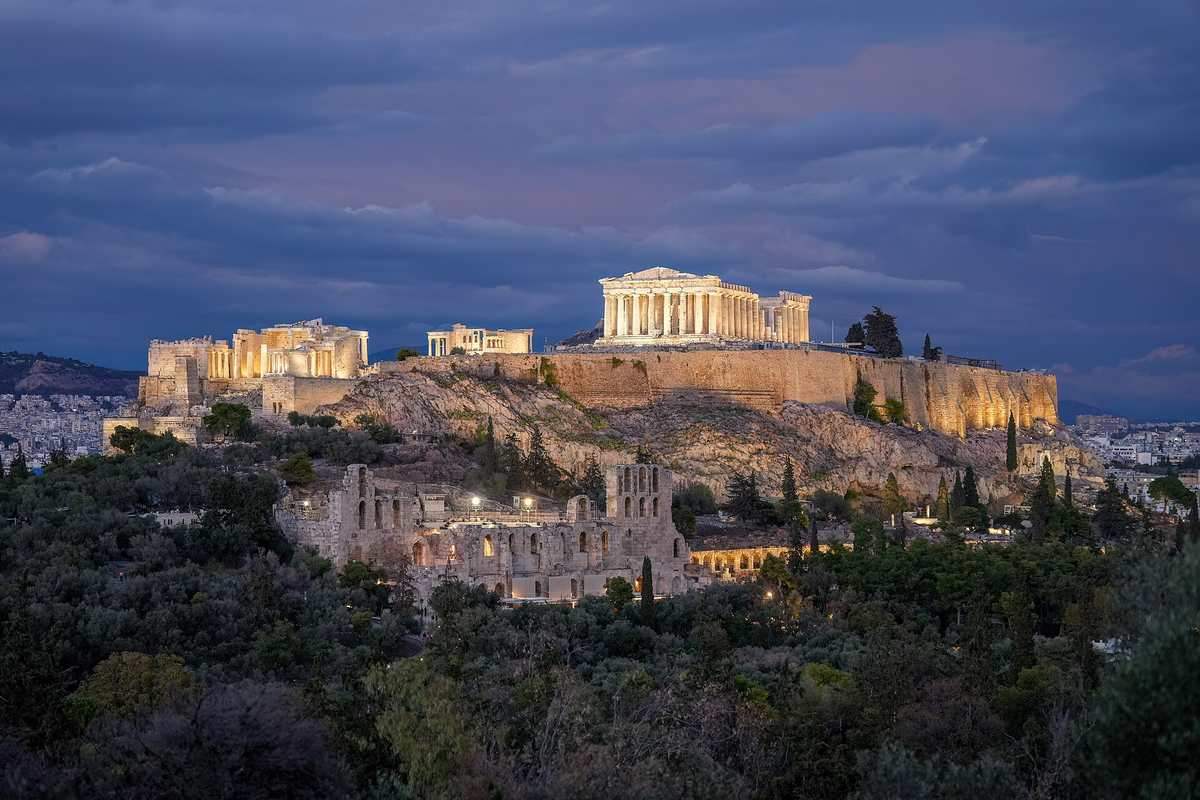
Athens in autumn is a delight: mild golden weather, thinning summer crowds, the wine and olive harvest, and a lively cultural season make September to November one of the best times to visit. Explore the comfortable weather and shorter queues with skip-the-line Acropolis tickets and tours from My Greece Tours.
This rewarding shoulder season is fully covered in the Athens travel guide. The sections below cover the autumn weather month by month, the fewer crowds, the harvest and food, the festivals and culture, sightseeing and the coast, and whether autumn suits you.
What is the weather like in Athens in autumn?
Autumn in Athens, from September to November, brings mild, golden weather. September stays warm and summery, October is mild and comfortable, and November turns cooler with the first rains. The fierce summer heat fades and the soft light makes sightseeing a pleasure.
Autumn is one of the most pleasant and underrated times to visit Athens, offering a gradual and gentle transition from the heat of summer to the mildness of late year, with weather that is ideal for exploring the city. September is essentially an extension of summer, warm and sunny with daytime temperatures often around twenty-five to thirty degrees Celsius and a sea still warm enough for swimming, but without the most extreme heat of July and August. October is perhaps the loveliest autumn month, mild and golden with comfortable highs of roughly eighteen to twenty-three degrees, clear skies, soft light and only occasional showers, perfect for walking the ancient sites and hills.
By November the season turns cooler and more changeable, with average highs of around fourteen to eighteen degrees and the first proper rains of the year arriving, though it remains far milder than much of northern Europe. Across the season the punishing summer heat steadily fades, the air freshens and the famous Attic light grows soft and beautiful, making conditions for sightseeing genuinely delightful. The weather alone is a strong reason to choose autumn. Just as appealing are the thinning crowds.
Why are the crowds fewer in autumn?
Crowds in Athens thin noticeably in autumn as the summer peak passes. Big tour groups depart from mid-September, so by October you explore the Acropolis, the museums and Plaka with shorter queues. Flights and hotels also cost less.
One of the greatest pleasures of visiting Athens in autumn is the welcome thinning of the crowds, as the intense summer tourist season winds down and the city returns to a calmer, more authentic rhythm. The peak crush of July and August, and the big organised tour groups, begin to ease from the middle of September, and by October and especially November the difference is striking: the queues at the Acropolis are far shorter, the great museums and the lanes of Plaka are markedly less packed, and popular tavernas and viewpoints regain a relaxed, breathable feel. This makes sightseeing far more enjoyable, allowing you to linger before the Parthenon or a museum treasure without the press of summer crowds, and to enjoy the city more as locals do.
The lower demand also brings practical savings, with flights to Athens and hotel rates generally cheaper in the autumn shoulder season than at the height of summer, so your trip stretches further. Combined with the mild, golden weather, the result is a visit that offers the best of the city with fewer of the downsides of peak season. It is comfort and value together. The season also brings the bounty of the harvest.
What is the harvest and food like in autumn?
Autumn is harvest time around Athens. September brings the grape harvest and new wine, and the olive harvest and fresh green olive oil follow later, along with chestnuts and figs. Markets and tavernas fill with new-harvest Attica wines and hearty seasonal dishes.
Autumn is a season of plenty in and around Athens, as the countryside of Attica and the wider region yields its harvests, making it a prime time for food and wine lovers to visit. September brings the grape harvest, the vendemmia, when the vineyards of Attica and beyond are picked and the new wine is made, and the season is ideal for tasting the fresh local vintages, with the historic wine region of Attica and nearby areas producing some lovely bottles; autumn wine experiences and tastings abound. As the season advances, attention turns to the great olive harvest, when the trees are stripped of their fruit and the first peppery, vivid-green new olive oil of the year is pressed, a Greek staple celebrated at its freshest.
The markets and tavernas fill with other autumn bounty too, from chestnuts roasted on street corners and sweet figs to pomegranates, quinces and the heartier, warming dishes that return as the weather cools, such as slow-cooked stews and pulses. Guided food tours of the markets and neighbourhoods are especially rewarding now, showcasing seasonal produce and comfort cooking. For travellers who love to eat and drink, autumn is arguably the tastiest season in Athens. The harvest is a feast for the senses. The cultural calendar also springs to life.
What festivals and culture happen in autumn?
Autumn revives the cultural life of Athens as the city refills after summer. Highlights include the Athens International Film Festival, art exhibitions and gallery openings, and classical concerts and theatre as the indoor season begins. Ochi Day on the twenty-eighth of October brings parades.
Autumn sees the cultural and social life of the capital spring back into full swing once the summer holidays end and Athenians return to the city. The arts calendar revives on several fronts. The Athens International Film Festival draws cinema lovers in the autumn. A wave of new art exhibitions and gallery openings runs across the city’s contemporary art scene. The indoor concert, opera and theatre season also begins, as performances move from the open-air summer venues into the city’s halls. Returning students and locals fill the cafés, bars and squares. This gives the city a buzzing, authentic atmosphere quite different from the holiday feel of high summer.
The national holiday of the twenty-eighth of October, known as Ochi Day, is marked by patriotic parades through the city. Autumn is also a fine time for the kind of activities that suit cooler weather, from walking tours and food experiences to hiking the green trails of the mountains ringing Athens, such as Parnitha, which come alive after the summer. This rich mix of culture and city life makes autumn engaging and rewarding. The season suits active sightseeing perfectly. The mild weather is ideal for the sights and the coast.
How is sightseeing and the coast in autumn?
Autumn is excellent for sightseeing, with mild temperatures, soft light and shorter queues at the Acropolis and museums. Early autumn keeps the sea warm enough to swim at the Riviera beaches. Day trips to Delphi, Sounion and the islands stay scenic and uncrowded.
Autumn ranks among the best seasons of all for active sightseeing in Athens, marrying comfortable weather with the relaxed atmosphere of the post-summer lull. The mild temperatures and soft, golden light make exploring the exposed archaeological sites a pleasure rather than the sweaty endurance of high summer. You can wander the Acropolis, the Ancient Agora and the hills at an easy pace. The thinner crowds mean shorter queues and a calmer experience at the major monuments and museums.
Early autumn brings a further bonus, because the sea remains warm. Through September and often into early October the waters of the Saronic Gulf stay inviting. You can still combine your sightseeing with a swim and some sun at the Athens Riviera beaches around Glyfada and Vouliagmeni, reachable by the coastal tram.
The season is also superb for day trips, with the cooler weather and clear skies making excursions to Delphi, the Temple of Poseidon at Cape Sounion and the Saronic islands scenic and far less crowded than in summer. This combination of comfort, beauty and calm makes autumn close to ideal for a varied, active Athens trip. It rewards explorers handsomely. Whether autumn suits you is easy to weigh.
Is autumn a good time to visit Athens?
Yes, autumn is one of the best times to visit Athens. The mild weather suits sightseeing, the summer crowds thin, prices fall, and the harvest brings fresh food and wine. The main trade-off is cooler, wetter weather by November.
Weighing it all up, autumn stands out as one of the very best times of year to visit Athens, combining a host of advantages that make it ideal for most kinds of traveller. The weather is a great draw, mild, golden and comfortable, perfect for exploring the ancient sites and hills on foot without the exhausting heat of summer, while the thinning of the summer crowds brings shorter queues, a more relaxed atmosphere and lower prices for flights and hotels, offering excellent value. The season’s harvest fills the markets and tavernas with superb food and new-vintage wine, the cultural calendar revives with film, art and concerts, and in early autumn the sea is still warm enough for a swim, so you can pair the city with the beach.
The only real trade-offs are that the weather grows cooler and wetter as the season progresses, with the first rains and shorter days arriving in November, and the sea becomes too chilly for swimming by late autumn, making it less suited to a beach-focused holiday late in the season. For a trip centred on culture, history, walking, food and atmosphere, however, autumn in Athens is close to perfect. It rewards almost every visitor. The cooler months are explored in the best time to visit Athens guide. The questions below cover the points visitors ask most.
What should you pack for Athens in autumn?
Pack layers for Athens in autumn. Bring light clothing for warm early-autumn days, a light jacket for cooler evenings, and comfortable walking shoes. Add a light rain layer for later in the season, plus sun protection for the strong sun.
Autumn calls for a flexible, layered wardrobe, because conditions shift both across the season and within a single day. Early autumn stays warm, so pack light shirts, shorts and summer wear for September and comfortable daytime touring. Evenings turn cooler, so a light jacket, cardigan or long-sleeved top keeps you comfortable after sunset. Comfortable, sturdy walking shoes matter most of all, since the marble paths of the Acropolis and the surrounding hills grow slippery and demand a good grip.
Later autumn shifts the balance towards warmer, water-ready gear. Bring a compact umbrella or a light waterproof for the occasional showers that arrive in October and November. Warmer layers help on cooler November days, though heavy winter coats are rarely needed. Sun protection still counts, because the early-autumn sun stays strong, so pack sunglasses, a hat and sunscreen. Early-autumn visitors who plan a swim should add a swimsuit and a beach towel for the Riviera. A small daypack helps carry these layers as the temperature rises and falls through the day.
Is autumn a good time to visit the Greek islands from Athens?
Early autumn suits island day trips from Athens. September and early October stay warm enough to swim, and the Saronic islands like Aegina and Hydra see fewer crowds. Ferry schedules thin later in the season, so late autumn favours city sightseeing.
Early autumn extends the island season on a calmer, more comfortable footing. The nearby Saronic islands of Aegina, Hydra and Poros make easy day trips from the port of Piraeus, and in September and early October they stay warm enough for swimming and relaxed harbour lunches. The summer crush eases, so the beaches and waterfronts feel far more spacious than at the height of the season. The mild weather and gentle seas make these short crossings a pleasant complement to the city.
Later autumn narrows the options as the tourist season winds down. Ferry frequencies to the more distant islands drop from late October, and some seasonal hotels and tavernas begin to close for the winter. The sea also cools, so swimming grows less appealing by November. For a trip focused mainly on the islands, early autumn is the stronger choice, while later autumn suits a city-based visit with the occasional nearby island excursion.
The Saronic islands remain the easiest option throughout the season, thanks to their short crossings from Piraeus. Aegina lies closest and combines beaches, pistachio groves and the temple of Aphaia in a single day. Hydra bans cars and offers a calm, stone-built harbour town made for walking. Poros sits near the mainland and suits a gentle, low-key excursion. Fast ferries and conventional boats both serve these routes, so a morning departure leaves ample time to explore before returning to Athens the same evening. Early autumn is the window to enjoy them at their quietest and warmest.
Frequently Asked Questions
Is autumn a good time to visit Athens?
Yes, autumn is one of the best times to visit Athens. From September to November the weather is mild and golden, ideal for sightseeing, the summer crowds thin out, prices fall, and the wine and olive harvest brings fresh seasonal food. Early autumn still allows beach swimming. The main downside is cooler, wetter weather and a chillier sea by November.
Can you swim in Athens in autumn?
Yes, you can swim in Athens in early autumn. In September and often into early October the sea at the Athens Riviera beaches, such as Glyfada and Vouliagmeni, stays warm and inviting after the long summer, so you can combine sightseeing with a dip. By late October and November the water cools and the weather turns, making swimming less appealing.
What is the weather like in Athens in October?
October in Athens is mild and golden, with comfortable daytime highs of around 18 to 23°C, clear skies, soft light and only occasional showers, making it one of the loveliest months for sightseeing. The fierce summer heat has faded and the crowds have thinned, while early in the month the sea can still be warm enough for a swim at the coast.
What should you pack for Athens in autumn?
Pack layers for Athens in autumn. Bring light clothing for warm early-autumn days, a light jacket or jumper for cooler evenings, and comfortable walking shoes for the marble paths of the ancient sites. Add a compact umbrella or light waterproof for the occasional showers later in the season, along with sunglasses, a hat and sunscreen for the strong early-autumn sun.