
The Goulandris Museum, the Basil and Elise Goulandris Foundation in Pangrati, is the finest modern art museum in Athens, displaying masterpieces by Van Gogh, Cezanne, Picasso, Monet and the greatest Greek artists. Pair its galleries with skip-the-line sightseeing tickets and tours from My Greece Tours for a cultured day.
This world-class gallery is a cultural jewel of the Athens travel guide. The sections below cover what it is, the dazzling collection, the Greek art, the building, the practical visit, the café and shop, and how to get there.
What is the Goulandris Museum?
The Goulandris Museum, named after the Basil and Elise Goulandris Foundation, is a modern and contemporary art museum in the Pangrati district of Athens. Opened, it displays the private collection of shipowner Basil Goulandris and his wife Elise, one of the world’s most valuable, with Impressionist, modern and Greek masterpieces across five floors of a beautifully designed mansion and extension.
One of the most exciting cultural additions to Athens in recent years, and an essential stop for art lovers, is the foundation’s namesake gallery, usually known simply as the Goulandris Museum, a superb gallery of modern and contemporary art in the elegant residential district of Pangrati, near the National Garden and the Panathenaic Stadium. The museum opened its doors in October, finally bringing into public view the extraordinary private art collection assembled over decades by the Greek shipowner Basil Goulandris and his wife Elise, passionate and discerning collectors who befriended many leading artists of their time. Their collection is regarded as one of the most important and valuable private art holdings in the world, estimated to be worth around three billion dollars, and it spans the great movements of modern Western art alongside a rich selection of modern Greek masters.
Displayed across five floors of a thoughtfully restored mansion and its dramatic new extension, the works offer a journey through Impressionism, modernism and post-war art of a quality rarely seen outside the great museums of Paris, London or New York. For anyone interested in painting and sculpture, it is a revelation. The roll-call of artists is breathtaking. The collection alone is worth the visit.
What masterpieces are in the collection?
The Goulandris collection includes rare masterpieces by the giants of modern Western art. Visitors can see works by Vincent van Gogh, Paul Cezanne, Claude Monet, Pierre-Auguste Renoir, Edgar Degas, Pablo Picasso, Marc Chagall, Joan Miro, Paul Gauguin, Vincent van Gogh, Jackson Pollock and more. The galleries trace Impressionism through Cubism and Surrealism to abstract and post-war art, an exceptional survey of modern painting.
The heart of the museum, and the reason for its international renown, is its dazzling collection of Western modern art, which reads like a survey of the most celebrated names in the history of painting and sculpture. The galleries hold genuine masterpieces by the founders and giants of modern art, allowing visitors in Athens to stand before original works by Vincent van Gogh, Paul Cezanne and Claude Monet, by the Impressionists Pierre-Auguste Renoir and Edgar Degas, and by the towering twentieth-century innovators Pablo Picasso, Marc Chagall, Joan Miro and Paul Gauguin. The collection continues through the post-war era with pieces by artists such as the American Jackson Pollock, tracing the development of modern art from the revolutionary brushwork of Impressionism in the nineteenth century, through the fractured forms of Cubism and the dreamlike images of Surrealism, to the bold gestures of mid-century abstraction.
Sculpture is well represented too, including works by masters of the form. The intimacy of the museum means you can examine these famous paintings up close and uncrowded, a markedly different experience from the great crowded galleries of other capitals. For lovers of modern art, the line-up is simply astonishing. Yet the museum is more than its foreign masters. Its Greek collection is equally distinguished.
What Greek art does the museum show?
Alongside its Western masterpieces, the Goulandris Museum holds a distinguished collection of modern Greek art spanning the last hundred years, displayed on two dedicated floors. It includes major works by leading Greek artists such as Nikos Hadjikyriakos-Ghikas, Yannis Tsarouchis, Yannis Moralis, Theophilos and Alekos Fassianos. This rich Greek collection lets visitors discover the country’s own vibrant modern artistic tradition alongside the international names.
One of the museum’s great virtues, and something that sets it apart from a purely international gallery, is the prominence it gives to modern Greek art, presenting the nation’s own artistic achievements on an equal footing with the famous Western masters. Two of the museum’s floors are devoted to Greek art of the past hundred years or so, offering visitors, including those from abroad who may be unfamiliar with it, a wonderful introduction to a rich and distinctive national tradition. The displays feature major works by the leading figures of modern Greek painting, among them Nikos Hadjikyriakos-Ghikas, one of the most important Greek artists of the twentieth century and a personal friend of the Goulandris couple, the much-loved Yannis Tsarouchis, famed for his depictions of Greek life and figures, Yannis Moralis, the naive painter Theophilos, and the popular Alekos Fassianos.
Through these and other artists, the collection traces how Greek painters absorbed and reinterpreted the currents of European modernism while expressing a particular Greek sensibility, light and subject matter. Seeing these Greek masterpieces in dialogue with the Cezannes and Picassos in the same museum is illuminating and rewarding. It deepens the appreciation of both. The setting that houses all this art is itself remarkable.
What is the museum building like?
The museum occupies a restored 1920s neoclassical mansion fused with a striking modern extension of ten levels, five of them below ground, giving around 7,250 square metres of space. The galleries spread over five floors, blending historic and contemporary architecture with natural light. The building also houses a library of some 4,500 art books, a café-restaurant and a shop, making it a beautiful and comfortable place to spend time.
The architecture of the museum is itself a highlight, an elegant marriage of old and new that creates a serene and luminous setting for the art. The building centres on a handsome neoclassical mansion dating from the 1920s, which has been carefully restored and then dramatically expanded with a bold modern extension rising and burrowing around it, an ingenious structure of ten levels, five of which lie cleverly below ground to keep the building in scale with its residential neighbourhood while providing generous gallery space totalling some seven thousand two hundred and fifty square metres. The exhibition areas unfold over five floors connected by stairs and lifts, designed so that visitors move logically through the collection, with the lower floors devoted to the nineteenth and twentieth-century Western masters and the upper floors to modern Greek art.
Throughout, the spaces are calm, well lit and beautifully finished, allowing the paintings to shine. Beyond the galleries, the building houses a specialist art library of around four thousand five hundred books, drawn in part from the founders’ own collection, together with a pleasant café-restaurant and a museum shop. The whole place is a model of how to combine historic and contemporary architecture. It is a joy to explore. Planning your visit is simple.
How do you visit, and what about the café and shop?
The Goulandris Museum is open most days except Tuesday, with an admission ticket for the permanent collection and temporary exhibitions; reduced rates apply for students and seniors. Guided tours in English, French and Greek run on selected dates. The café-restaurant and shop can be visited free without a museum ticket. Allow two to three hours to enjoy the collection fully. Booking online in advance is recommended.
Visiting the Goulandris Museum is comfortable and well organised, and a little planning ensures you make the most of it. The museum is open on most days of the week, typically closing on Tuesdays, and an admission ticket grants access to both the permanent collection and the changing temporary exhibitions it regularly hosts; reduced-price tickets are available for students, seniors and other categories, and it is sensible to book online in advance, especially during busy periods, to guarantee entry at your preferred time. For those who wish to deepen their understanding, the museum offers guided tours led by its specialist guides on selected dates and times in English, French and Greek, a worthwhile option given the richness of the collection.
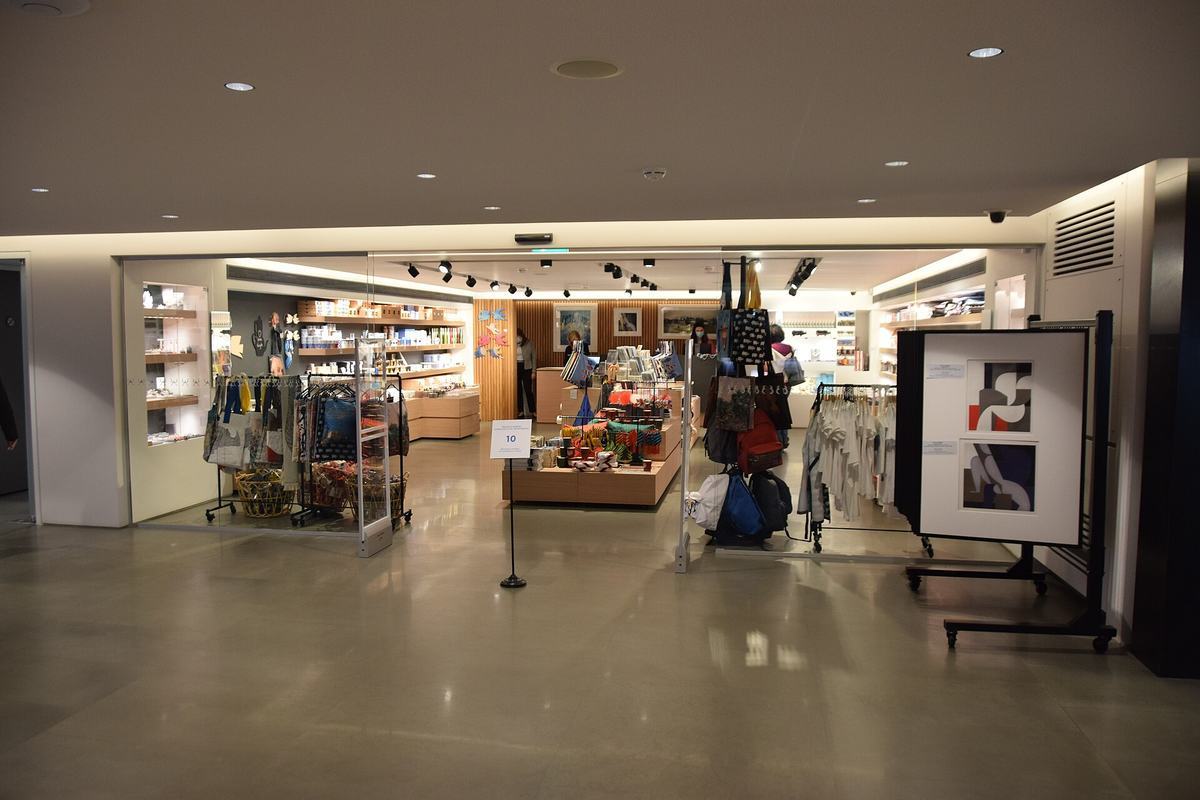
A pleasant feature is that the stylish café-restaurant and the museum shop, which sells art books, prints and gifts, can both be enjoyed without a museum ticket, making the building a welcoming spot to pause even for non-visitors. To savour the five floors of masterpieces properly, allow yourself around two to three hours, perhaps rounding off with a coffee in the café. This relaxed, manageable scale is part of the museum’s appeal. The museum sits in an appealing neighbourhood near other sights detailed in the Pangrati guide. Reaching it is easy.
How do you get to the Goulandris Museum?
The Goulandris Museum is at 13 Eratosthenous Street in Pangrati, central Athens, near the Panathenaic Stadium and the National Garden. It is a pleasant 15-to-20-minute walk from Syntagma Square or the Acropolis area. The nearest metro stations are Syntagma and Evangelismos on line 2 and 3, each about a 15-minute walk, and several city buses serve the Pangrati area nearby.
The museum enjoys a convenient and pleasant location in central Athens, making it easy to reach on foot or by public transport as part of a day’s sightseeing. It stands at number 13 Eratosthenous Street in the desirable Pangrati district, just behind and a short distance from the great marble Panathenaic Stadium, and close to the green expanse of the National Garden, placing it within comfortable walking distance of the main tourist core. From Syntagma Square, the heart of the city, it is a pleasant stroll of around fifteen to twenty minutes through the National Garden or the elegant streets around the stadium, and it is similarly walkable from the Acropolis area.
For those using the metro, the nearest stations are Syntagma, served by lines 2 and 3, and Evangelismos on line 3, each roughly a fifteen-minute walk from the museum, while several city bus routes also serve the Pangrati neighbourhood and stop nearby. Because it lies a little away from the busiest tourist streets, the surrounding area is calm and characterful, well worth exploring before or after your visit. Combining the museum with the Panathenaic Stadium makes a rewarding pairing. The transport network is explained in the Athens metro guide. The questions below cover the points visitors ask most.
Frequently Asked Questions
What can you see at the Goulandris Museum in Athens?
At the Goulandris Museum you can see masterpieces of modern Western art by Van Gogh, Cezanne, Monet, Renoir, Degas, Picasso, Chagall, Miro and Gauguin, alongside a distinguished collection of modern Greek art by painters such as Ghikas, Tsarouchis and Moralis. The works span five floors of an elegant mansion and extension in the Pangrati district.
Is the Goulandris Museum worth visiting?
Yes, the Goulandris Museum is well worth visiting and is considered the finest modern art museum in Athens. Its world-class private collection of Impressionist and modern masterpieces, shown in an intimate, uncrowded setting, lets you stand close to works by Van Gogh, Picasso and Monet, plus major Greek artists, making it a highlight for any art lover.
How long do you need at the Goulandris Museum?
Allow around two to three hours to enjoy the Goulandris Museum fully, exploring its five floors of Western and Greek modern art at a relaxed pace. Art enthusiasts may wish to linger longer, and you can also visit the café-restaurant and museum shop, which are open without a ticket, to round off the visit.