
The Jewish Museum of Greece in Athens traces 2,300 years of Greek Jewish life across six floors, from synagogue artefacts and traditional costumes to the tragedy of the Holocaust, just off Syntagma. See it alongside the city’s headline sights with skip-the-line tickets and tours from My Greece Tours for a deeper understanding of Greece. Plan the whole trip with Greece Tours.
This moving, lesser-known museum is a rewarding stop in the Athens travel guide. The sections below cover what it is, its history, the collections, the Holocaust section, the costumes and daily life, practical details and how to get there.
What is the Jewish Museum of Greece?
Athens’s Jewish Museum of Greece is dedicated to the history, culture and traditions of the Jewish communities of Greece over some 2,300 years. Founded, it holds over 10,000 objects, from synagogue artefacts and ritual textiles to costumes, photographs and Holocaust testimony, displayed across several floors near Syntagma Square, telling a rich but little-known story.
One of the more moving and illuminating museums in central Athens, the Jewish Museum of Greece tells the long and remarkable story of the Jewish presence in Greece, a history that stretches back over two millennia yet is often overlooked. Founded with the mission of collecting, preserving, researching and displaying the material evidence of Jewish life in Greece across some 2,300 years, the museum gathers a rich and varied collection of more than ten thousand objects that document the religion, history, culture and daily life of the country’s Jewish communities. Located in a townhouse just off Syntagma Square in the heart of the city, it presents its collection across several floors, each devoted to a particular theme, from synagogue artefacts and the celebration of Jewish holidays to traditional costumes, everyday life and, most poignantly, the devastation of the Holocaust.
The Jewish communities of Greece, including the ancient Greek-speaking Romaniote Jews and the later Ladino-speaking Sephardim of Thessaloniki, formed a vital part of the nation’s fabric, and the museum honours and explains this heritage. For a fuller understanding of Greece’s diverse past, it is deeply rewarding. It complements the broader cultural story of the Benaki Museum guide. Its origins lie in preservation. The museum grew from a rescue effort.
What is the history of the museum?
Founded, the museum set out to collect and preserve the heritage of Greece’s Jewish communities, much of it devastated by the Holocaust, which destroyed around 87 percent of Greek Jewry. Gathering surviving religious objects, documents, photographs and testimonies, it became a vital record of a 2,300-year-old presence. It moved to its current building near Syntagma to display its growing collection.
The creation of the Jewish Museum of Greece was an act of rescue and remembrance, born of the need to preserve a heritage that had been catastrophically diminished. The Jewish communities of Greece, present in the land since antiquity and numbering tens of thousands before the Second World War, were almost annihilated in the Holocaust, when the Nazi occupation of Greece led to the deportation and murder of the overwhelming majority of Greek Jews, an estimated eighty-seven percent of the pre-war population, with the great community of Thessaloniki, once one of the largest Jewish cities in the world, almost entirely destroyed. In the decades that followed, as the small surviving community sought to safeguard what remained of its rich material culture, the museum was founded to gather, protect and study the surviving religious objects, documents, photographs, costumes and personal testimonies of Greek Jewry.
Over the years the collection grew, and the museum eventually moved into its present home, a townhouse near Syntagma Square, where the artefacts could be properly displayed and the long story told. The museum thus stands not only as a record of a vibrant heritage but as a memorial to a community that was nearly lost. Its very existence is significant. The collections span every aspect of Jewish life. The displays are rich and varied.
What collections does the museum hold?
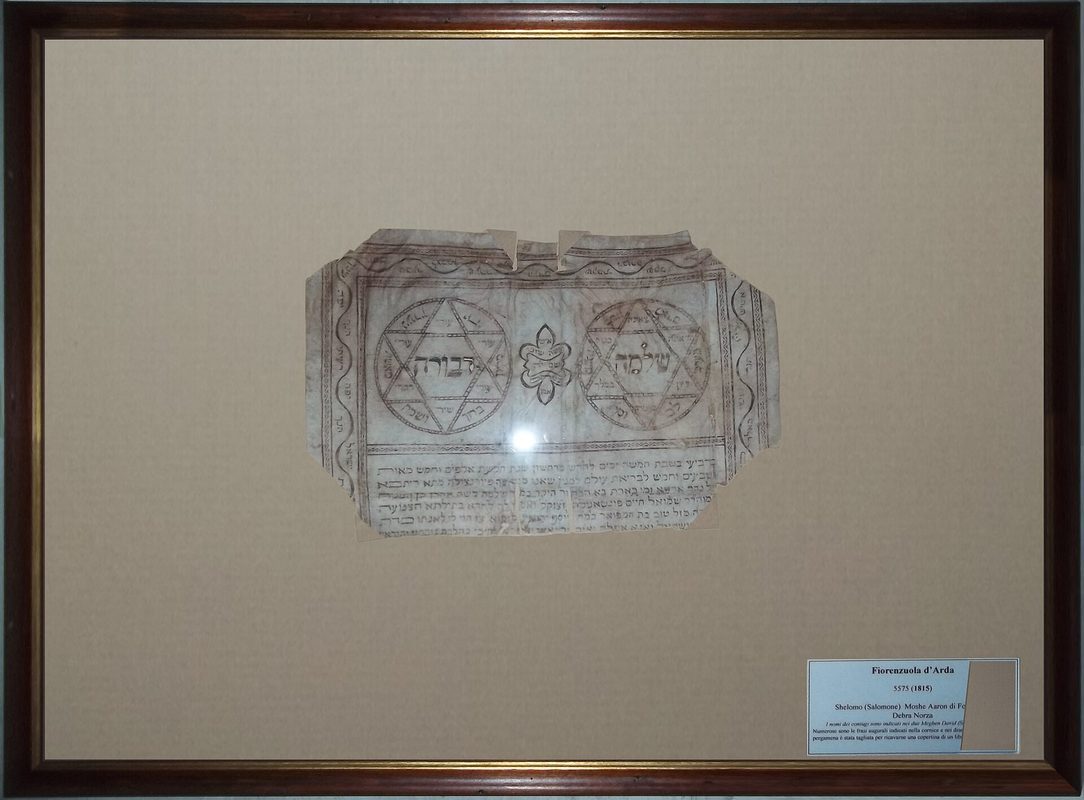
The museum holds over 10,000 objects, with the oldest dating to the 16th century, arranged thematically over several floors: synagogue artefacts and ritual textiles, the Jewish holidays and festivals, the history of Greek Jews, the Holocaust, traditional costumes, and everyday life and the cycle of life. A rich photographic archive documents Jewish communities and traditions across Greece.
The Jewish Museum of Greece presents its more than ten thousand objects through a thoughtful, thematic arrangement spread across the floors of its building, guiding visitors through every dimension of Greek Jewish life. One section is devoted to synagogal artefacts and ritual textiles, displaying the sacred objects of worship, Torah scrolls and their ornaments, embroidered curtains and vestments, and even reconstructed synagogue interiors that convey the beauty of Jewish religious life. Another floor explores the Jewish holidays and festivals, with the objects and customs associated with the celebration of the religious year. A historical section traces the long history of the Greek Jews, from antiquity through the Byzantine, Ottoman and modern periods, distinguishing the ancient Greek-speaking Romaniote communities from the Sephardic Jews who arrived after their expulsion from Spain.
Further floors display traditional costumes, richly embroidered and varying by region and community, and the objects of everyday life and the cycle of life from birth to death. Underpinning it all is a rich photographic archive that captures the faces, places and traditions of Jewish communities across Greece. Together these collections paint a vivid, intimate portrait of a culture. They reward careful attention. The most affecting section concerns the Holocaust. The Shoah floor is profoundly moving.
What is the Holocaust section?
One floor of the museum is dedicated to the Holocaust (Shoah) in Greece, which destroyed around 87 percent of the country’s Jews. Through documents, photographs, personal belongings and survivor testimonies, it tells the story of the deportations and the near-annihilation of communities like Thessaloniki, while also honouring acts of rescue and resistance. It is the museum’s most powerful and moving section.
The most solemn and affecting part of the Jewish Museum of Greece is the floor devoted to the Holocaust, known in Hebrew as the Shoah, which confronts visitors with the tragedy that befell Greek Jewry during the Second World War. Here the museum tells, with restraint and dignity, the story of how the Nazi occupation of Greece led to the systematic deportation of the Jewish communities to the death camps, resulting in the murder of around eighty-seven percent of the country’s Jews and the virtual extinction of historic communities, above all the great Sephardic community of Thessaloniki, which had flourished for centuries. Through documents, identity papers, photographs, the personal belongings of victims and, most movingly, the recorded testimonies of survivors, the section gives a human face to the catastrophe and ensures that the individuals and communities lost are remembered.
Importantly, the display also honours the lighter threads within the darkness, recording acts of courage, the efforts of Greek Christians and resistance fighters who hid and saved their Jewish neighbours, and the survival and rebuilding of the small community afterward. Quiet, powerful and deeply human, this section is the emotional heart of the museum and a vital act of remembrance. It leaves a lasting impression. The museum also celebrates living culture. Beyond the tragedy, life and tradition endure.
What are the costumes and everyday life displays?
The museum’s costume collection displays beautiful traditional Jewish garments, including richly embroidered bridal and festival dresses that vary by region and community. The everyday-life section illustrates the cycle of life from birth and marriage to death, with objects, jewellery and customs. Together they celebrate the vibrant, living culture and traditions of Greece’s Jewish communities, balancing the sombre Holocaust section.
Alongside its religious and historical displays, and balancing the sombre Holocaust section, the Jewish Museum of Greece devotes space to the colourful, living culture and traditions of the Greek Jewish communities, celebrating the richness of their everyday life. The costume collection is a particular delight, showcasing beautiful traditional garments worn by Greek Jews over the centuries, from sumptuously embroidered bridal gowns and festival dresses adorned with gold thread and ornaments to everyday clothing, with styles that varied notably from one region and community to another, reflecting both Jewish tradition and local Greek influences. The section on everyday life and the cycle of life takes visitors through the customs, objects and rituals that marked the key stages of a person’s existence, from birth and childhood through marriage and family life to old age and death, illustrated with domestic objects, jewellery, ceremonial items and photographs.
These displays convey the warmth, beauty and continuity of Jewish family and community life in Greece, reminding visitors that this was a vibrant, flourishing culture, not merely a story of loss. They offer a hopeful, human counterpoint to the museum’s darker chapters. Together they complete a rounded portrait. Planning a visit is simple. Getting there is easy.
How do you visit the Jewish Museum of Greece?
This museum is at 39 Nikis Street, a short walk from Syntagma metro station. It generally opens Monday to Friday and Sunday, closing on Saturdays (Shabbat) and Jewish holidays, with modest admission. Allow around one to one and a half hours, and combine it with Syntagma, Plaka and the central sights nearby. Guided tours are available with advance booking.
A visit to the Jewish Museum of Greece is easy to arrange and fits neatly into a day exploring central Athens. The museum is located at 39 Nikis Street, a quiet street just off Syntagma Square in the heart of the city, and it is highly accessible: the nearest metro station is Syntagma, on lines 2 and 3 and the airport line, only about a six-minute walk away, close to Plaka and the main sights. Reflecting its subject, the museum follows opening hours shaped by the Jewish calendar: it is generally open Monday to Friday and on Sundays, but is closed on Saturdays, the Jewish Sabbath (Shabbat), as well as on major Jewish holidays, so it is essential to check the current days and times before visiting.
Admission is modest, and guided tours in English and Greek can be arranged for groups with advance booking. To take in the several thematic floors at a thoughtful, respectful pace, allow around one to one and a half hours. Because of its very central location, the museum combines easily with Syntagma Square, the old-town lanes of Plaka, and the other central attractions and museums. For a moving and enlightening encounter with a vital part of Greece’s heritage, it is well worth seeking out. The wider routes appear in the getting around Athens guide. The questions below cover the points visitors ask most.
Frequently Asked Questions
What is the Jewish Museum of Greece known for?
This museum is known for telling the 2,300-year story of Greece’s Jewish communities through over 10,000 objects, from synagogue artefacts and traditional costumes to a powerful Holocaust section. Founded, it preserves the heritage of the Romaniote and Sephardic Jews and stands as a moving memorial to a community nearly destroyed in the Shoah.
Where is the Jewish Museum of Greece in Athens?
The museum is at 39 Nikis Street in central Athens, just off Syntagma Square. It is about a six-minute walk from Syntagma metro station on lines 2 and 3 and the airport line, close to Plaka and the main central sights, making it easy to combine with city sightseeing.
When is the Jewish Museum of Greece open?
This museum is generally open Monday to Friday and on Sundays, but closes on Saturdays for the Jewish Sabbath (Shabbat) and on major Jewish holidays. Hours vary, so check before visiting. Admission is modest, and guided tours in English and Greek can be arranged for groups with advance booking.