
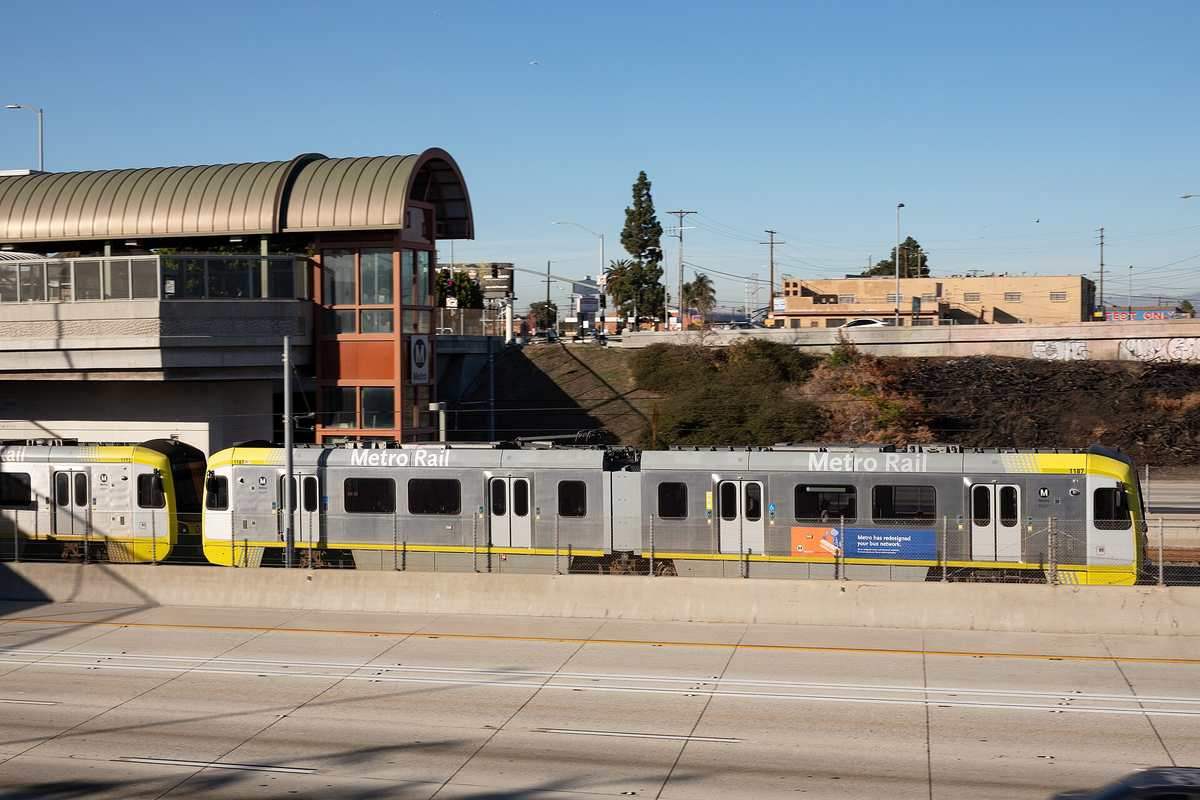
This Athens metro guide covers the three lines, ticket prices and passes, validation, hours and the airport connection, so you can get around the city easily and cheaply. Pair stress-free metro travel with skip-the-line sightseeing tickets and tours from My Greece Tours for a smooth Athens trip. Plan the whole trip with Greece Tours.
The metro is the backbone of getting around in the Athens travel guide. The sections below cover the lines, tickets and passes, how to buy and validate, hours and frequency, the airport link, useful tips and key stations.
What are the Athens metro lines?
The Athens metro runs three lines by colour: Line 1 (Green), Line 2 (Red) and Line 3 (Blue). Together they serve 66 stations from Kifissia to Piraeus and from Nikaia to the airport, interchanging at Syntagma, Omonia and Monastiraki.
The Athens metro is a clean, modern and efficient system that forms the backbone of public transport in the city, and understanding its three lines is the key to using it with confidence. Each line is identified by both a number and a colour. Line 1, the Green line, is the oldest, running north to south from the leafy suburb of Kifissia down through the centre, including Monastiraki and Thissio, to Piraeus on the southern coast. Line 2, the Red line, crosses the city from the western district of Anthoupoli and Nikaia through the centre out to the south-eastern suburbs, calling at key stations such as Syntagma, Akropoli and Omonia.
Line 3, the Blue line, runs from the western suburbs through the heart of the city and all the way east to Athens International Airport. Together the three lines link 66 stations across the greater metropolitan area. They interchange at a handful of central hubs, most importantly Syntagma (lines 2 and 3), Omonia (lines 1 and 2) and Monastiraki (lines 1 and 3), where you can switch lines easily. This compact, well-connected network reaches almost all the major sights. The wider network is set out in the getting around Athens guide. Buying the right ticket is the next step.
How much do Athens metro tickets cost?
A single ticket costs €1.20 and lasts 90 minutes across the whole network except the airport, with unlimited transfers between metro, bus, trolley and tram. A day pass costs €4.10, a three-day tourist ticket €20, and a single airport fare €9.
The Athens metro is excellent value, and choosing the right ticket for your needs keeps costs low. The basic fare is a single integrated ticket costing €1.20. It stays valid for 90 minutes from the moment you validate it. Within that window it allows unlimited transfers across the whole urban network, the metro, buses, trolleybuses and the tram, so a short hop and a connecting journey both count as one fare. This standard ticket does not cover travel to or from the airport. For visitors travelling often in a day, a 24-hour day pass offers unlimited travel for around €4.10, again excluding the airport.
Tourists staying longer benefit from the 3-day tourist ticket, priced at about €20, which gives unlimited travel across the network for three days and conveniently includes one round trip to and from Athens International Airport. The airport itself requires a separate higher fare, around €9 for a single journey, reflecting the longer distance. Reduced fares are available for children, students and seniors. Matching the ticket to your plans, whether a single pass or a multi-day option, ensures you never overpay. The budget angle is covered in the Athens on a budget guide. Knowing how to buy and validate tickets matters just as much.
How do you buy and validate metro tickets?
Buy tickets from machines with an English option or staffed windows at every station, by cash or card. Validate before travelling: tap your Athena Ticket card or scan a paper ticket at the gates. Skipping validation risks a €60 fine.
Using the Athens metro correctly means knowing how to buy and, vitally, how to validate your ticket, since the system relies on validation rather than constant barriers. Tickets are easy to purchase at every station from the automatic vending machines, which offer an English-language interface and accept both cash and cards, or from the staffed ticket windows at the larger stations.
The city has largely moved to a reloadable smart-card system, the Athena Ticket, a paper or plastic card onto which you load your chosen fare or pass, though paper tickets are still used. The single most important rule for visitors is to validate your ticket at the start of every journey. Tap your Athena Ticket card on the reader at the entry gates, or scan or insert a paper ticket, before you proceed to the platform.
The 90-minute validity begins from this moment. Skipping validation, even with a valid ticket in your pocket, is treated as fare evasion. It can result in an on-the-spot fine of around €60 if inspectors check. Always validate as you enter and keep your ticket until you exit. Following this simple step keeps your journey trouble-free. The process is quick and intuitive once you know it. The metro runs to a reliable timetable.
What are the metro opening hours and frequency?
The Athens metro runs daily from around 5am to midnight, with lines 2 and 3 extending to 2am on Friday and Saturday nights. Trains arrive every 5 to 6 minutes at peak and about every 10 off-peak.
The Athens metro keeps convenient and reliable hours that suit most visitors’ needs, though it is worth knowing the timetable, especially for late nights and the airport. The system generally operates daily from around 5am until midnight, covering the full sweep of the day for sightseeing, commuting and evening outings. On Friday and Saturday nights, the two newer lines, Line 2 (Red) and Line 3 (Blue), extend their service until about 2am, a useful convenience for the city’s nightlife. The older Line 1 (Green) generally still stops around midnight. Trains are frequent and punctual: during the busy peak hours they arrive every five to six minutes, and even off-peak the wait is usually only around ten minutes, so you rarely linger long on a platform.
One important exception concerns the airport. The section of Line 3 serving Athens International Airport runs less frequently than the rest of the network, with trains roughly every thirty minutes. Check the schedule and allow extra time when travelling to catch a flight. Outside these hours, night buses and taxis fill the gap. With this in mind, planning journeys is simple. The airport connection deserves a closer look. The airport link is a key route for visitors.
How does the airport metro connection work?
Line 3, the Blue line, runs direct from the airport to Syntagma in about 40 minutes and on to Piraeus, with no change. Airport trains run every 30 minutes. The fare is €9 single, or free within the €20 three-day ticket.
One of the great conveniences of the Athens metro for visitors is its direct connection to Athens International Airport, which makes arriving and departing simple and affordable. The airport is served by Line 3, the Blue line, whose trains run from the airport station, linked to the terminal by a short walkway, straight into the heart of the city. They reach Syntagma Square in around forty minutes and continue to Monastiraki and the port of Piraeus, all without any need to change lines.
This single-seat ride is ideal for travellers heading to a central hotel or onward to an island ferry. Airport trains operate at a reduced frequency compared with the rest of the network, roughly every thirty minutes, running from about 6.30am until 11.30pm, so it pays to check the timetable and allow a margin when catching a flight.
The fare for the airport journey is charged separately and is higher than the standard ticket, at around €9 for a single trip. It is included in the excellent-value €20 three-day tourist ticket, which also covers unlimited city travel. For arrivals and departures, the metro is the cheapest and one of the easiest options. The wider airport picture appears in the Athens airport guide. A few final tips smooth your journeys.
What tips help for using the Athens metro?
Always validate your ticket and keep it until you exit. Watch for pickpockets on busy central trains, change lines at Syntagma, Monastiraki and Omonia, allow extra time for airport trains, and download a metro map for easy navigation.
A handful of practical pointers will make using the Athens metro smooth and stress-free. The golden rule, worth repeating, is to always validate your ticket as you enter and keep it with you until you leave, as inspectors do check and the fine for an unvalidated ticket is steep. Stay alert to pickpockets, who can operate on crowded central trains and at busy tourist stations and interchanges, by keeping your bag in front of you and your valuables secure. Take a moment to enjoy a unique feature of the Athens metro: several stations, notably Syntagma, Acropoli and Monastiraki, double as mini-museums, displaying genuine ancient artefacts unearthed during the metro’s construction in elegant in-station exhibitions.
For changing lines, remember the key interchange hubs of Syntagma, Monastiraki and Omonia. When travelling to the airport, allow extra time because those trains run only every thirty minutes. Finally, picking up a printed metro map, available free at stations, or using a transport app on your phone makes navigating the network effortless, as the lines and interchanges are simple to follow. With these habits, the metro becomes your easiest way around Athens. It is faster and cheaper than taxis in traffic. The questions below cover the points visitors ask most.
Which stations matter most for tourists?
Syntagma, Monastiraki, Acropoli, Thissio and Evangelismos put you within a short walk of the main sights. Syntagma and Monastiraki are the busiest interchanges, Acropoli serves the Acropolis, and Piraeus on Line 1 links to the island ferries.
A handful of central stations unlock almost everything a first-time visitor wants to see. Syntagma, on lines 2 and 3, sits beside the Greek Parliament and the start of the Plaka district, and it doubles as the busiest interchange in the network. Monastiraki, on lines 1 and 3, opens onto the flea market, the Ancient Agora and a clear view up to the Acropolis. Acropoli station on Line 2 is the closest stop to the Acropolis entrance and the Acropolis Museum, a short uphill stroll away.
Thissio on Line 1 gives a pedestrian approach to the Agora and the pleasant cafe strip below the rock, while Evangelismos on Line 3 serves the Byzantine Museum, the War Museum and the National Gallery. For arrivals and departures by sea, Piraeus is the southern terminus of Line 1 and the gateway to the Saronic Gulf and Cycladic ferries. Knowing these five or six names turns the map into a simple set of landmarks.
How does the metro link to day trips and ferries?
Line 1 ends at Piraeus for ferries to Aegina, Hydra and the Cyclades. Central stations connect to the tram for the Athens Riviera and to KTEL coach terminals for Delphi and the mainland, so the metro forms the first leg of most day trips.
The metro is the natural starting point for a day beyond the city. Line 1 runs straight to Piraeus, where the ferry gates for the Saronic islands and the wider Aegean sit a short walk from the station, making an early island hop to Aegina or Hydra straightforward. From the centre, the tram network branches south from the Syntagma area down to the coast, linking the metro to the beaches and marinas of the Athens Riviera at Glyfada and Voula.
For inland trips, central metro stops connect by bus to the KTEL coach terminals that serve Delphi, the Peloponnese and the route toward Meteora. This handoff between metro, tram, ferry and coach means one integrated ticket often covers the city legs of a longer outing. Day-trip options across the region are set out in the day trips from Athens guide.
What are the alternatives to the metro?
Buses, trolleybuses and the tram fill gaps the metro misses, sharing the same €1.20 ticket. Taxis and ride apps suit late nights and luggage, while central Athens is compact enough that many sights sit within an easy walk of each other.
The metro covers the main corridors, yet a few destinations sit off the rail network, and other modes bridge them on the same fare. Buses and electric trolleybuses reach neighbourhoods and hills the trains do not, including the funicular up Lycabettus, and they run on the same €1.20 integrated ticket. The tram is the scenic option for the coast, tracing the shoreline from the centre down to the southern suburbs at a gentle pace.
For late arrivals, heavy bags or a group splitting the cost, licensed taxis and the Uber and Bolt apps give a door-to-door alternative once the metro winds down near midnight. Central Athens rewards walking too: the historic core from Syntagma through Plaka to Monastiraki and the Acropolis is compact and largely pedestrianised, so the metro carries you between districts while your feet handle the sights within each one.
Frequently Asked Questions
What does an Athens metro ticket cost?
A standard single metro ticket in Athens is priced at €1.20 and lasts 90 minutes across the whole network except the airport, with unlimited transfers to buses, trolleys and the tram. A day pass costs about €4.10, a three-day tourist ticket €20 (including an airport round trip), and a single airport fare around €9.
How many metro lines does Athens have?
Athens has three metro lines: Line 1 (Green) from Kifissia to Piraeus, Line 2 (Red) crossing the city east to west, and Line 3 (Blue) running to the airport. Together they serve 66 stations, interchanging at central hubs such as Syntagma, Omonia and Monastiraki.
Do you need to validate metro tickets in Athens?
Yes, you must validate your ticket before travelling on the Athens metro, by tapping your Athena Ticket card or scanning a paper ticket at the gates or yellow machines on entry. The 90-minute validity starts then. Failing to validate, even with a valid ticket, risks an on-the-spot fine of around €60.
Does the Athens metro reach the port for island ferries?
Yes. Line 1, the Green line, ends at Piraeus, the main port for ferries to the Saronic Gulf and the Cyclades. The station sits a short walk from the ferry gates, so you can travel by metro from a central hotel and board an island boat without a taxi. Allow extra time in the busy summer season.
Can you use one metro ticket on buses and the tram?
Yes. The €1.20 integrated ticket covers the metro, buses, trolleybuses and the tram for 90 minutes from validation, with unlimited transfers between them within that window. The airport is the exception and needs a separate fare. This shared ticket makes combining the metro with a bus or tram leg simple and cheap.