
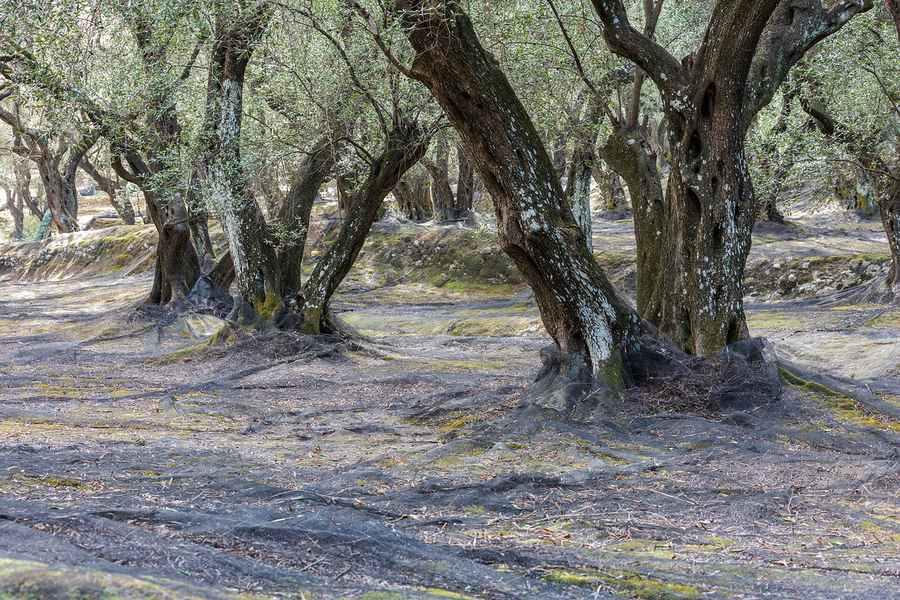
Corfu olive oil is one of the island’s defining products, pressed from millions of ancient trees planted under Venetian rule and dominated by the local Lianolia variety. This guide covers the history of olive growing on Corfu, the famous groves, what makes the oil special, and the olive tours and tastings you can enjoy.
The olive shapes the island’s landscape and table, a flavourful thread in the wider Corfu tours and travel guide. Groves cloak much of the island. The sections below cover the oil.
Why is Corfu famous for olive oil?
Corfu is famous for olive oil because of its millions of olive trees, many planted under Venetian rule when the rulers paid islanders to plant them. The groves cloak much of the island, and the oil, mainly from the local Lianolia variety, is central to Corfiot cooking and identity.
The olive is woven into the very landscape of Corfu. The island’s millions of olive trees, their silvery groves covering hillsides and valleys, were largely planted during the centuries of Venetian rule, when Venice, hungry for oil, paid Corfiot farmers a bounty for every tree they planted. The result is one of the greenest, most olive-rich of all the Greek islands, with many trees now centuries old and gnarled into spectacular shapes. The oil they produce is fundamental to the island’s cuisine and culture, used generously in every dish and prized as a fine product, set within the wider Corfu food and wine. The local varieties give the oil its character.
What varieties and oil does Corfu produce?
Corfu’s most important olive variety is the Lianolia, alongside the Koroneiki, producing high-quality extra virgin olive oil. The ancient groves and traditional methods yield a distinctive oil, and award-winning local producers have raised Corfiot olive oil’s reputation in recent years.
Corfu’s oil owes its quality to its trees and traditions. The two most important varieties grown on the island are the local Lianolia, well suited to the climate and giving a characterful oil, and the widely planted Koroneiki, prized for high-quality extra virgin oil. The combination of ancient trees, the island’s mild, rainy climate and careful harvesting produces a distinctive, flavoursome oil. In recent years, ambitious local producers have invested in modern milling and marketing, winning international awards and turning Corfiot extra virgin olive oil into a sought-after gourmet product, a far cry from its humble farming past, set out alongside the guide to things to do in Corfu. Visitors can experience this firsthand.
What are the olive tours like?
Olive tours take you through ancient groves and traditional or modern presses, where producers explain the history and craft of olive oil. Many show old tools and equipment, some feature a thousand-year-old olive tree, and tours often let you make your own olive-oil soap.
Guided olive tours bring the island’s liquid gold to life. Several family-run operators lead visitors through ancient olive groves and working or historic mills, where fifth-generation producers share the deep-rooted story of olive oil on Corfu, explaining cultivation, harvesting and how the island’s climate and terrain shape the flavour. Many tours display old tools and traditional equipment that show how central the olive has been to island life, and some take in a venerable thousand-year-old olive tree. A favourite hands-on touch is making your own olive-oil soap, a memorable souvenir, while the Corfu Olive Oil Museum offers a fixed exhibition on the craft, set out alongside the guide to a Corfu cooking class. Tastings are the delicious climax.
What happens at an olive oil tasting?
At an olive oil tasting, a guide teaches you to identify the aromas, texture and quality grades of the oil through a guided sensory experience. Tastings usually include local specialities such as tomatoes, feta, handmade crackers and local wine, turning the visit into a flavourful introduction.
The tasting is where the experience comes alive. Led by a knowledgeable guide, you learn to assess extra virgin olive oil much as you would wine, swirling, smelling and tasting to identify the fruity aromas, the texture and the peppery finish that signal quality, and to tell the grades apart. These guided tastings genuinely change how many people perceive premium oil. They are usually accompanied by a spread of local specialities, ripe tomatoes, feta cheese, handmade crackers, bread and a glass of local wine, so the session becomes a relaxed, delicious introduction to Corfiot flavours as well as an education in olive oil, set out alongside the guide to Corfu food and wine. Such tours are easy to arrange.
How do you book an olive experience?
You book an olive tour or tasting online or through local operators, choosing from group or private experiences, often near Corfu Town or in the countryside. Many combine an olive-grove walk, a mill visit and a tasting with mezze, and a hire car or transfer makes reaching rural groves easy.
Arranging an olive experience is simple and rewarding. A range of operators offer everything from short group tours to private, in-depth visits, many based in the countryside or within easy reach of Corfu Town and the resorts, and several can be booked online in advance. A typical experience combines a walk through the olive groves, a tour of a traditional or modern mill, the story of the family behind it and a tasting with mezze, lasting a few relaxed hours. Some include hotel pick-up, while a hire car or private transfer makes reaching the rural groves and presses easy. It is a perfect half-day for food lovers, set out alongside the guides to Corfu car rental and a Corfu itinerary. The questions below cover the points travellers ask most.
Frequently Asked Questions
Why does Corfu have so many olive trees?
Corfu has millions of olive trees because many were planted under Venetian rule, when Venice paid islanders a bounty for every olive tree they planted to supply its demand for oil. The result is one of the greenest, most olive-rich Greek islands, with many ancient trees.
What olive oil does Corfu produce?
Corfu produces high-quality extra virgin olive oil, mainly from the local Lianolia variety alongside the Koroneiki. The ancient groves and traditional methods give a distinctive, flavoursome oil, and award-winning local producers have raised its reputation in recent years.
Can you do an olive oil tour in Corfu?
You can do olive oil tours in Corfu, walking through ancient groves and visiting traditional or modern mills, where producers explain the craft and history. Tours often include a tasting with local mezze and wine, and some let you make your own olive-oil soap.