
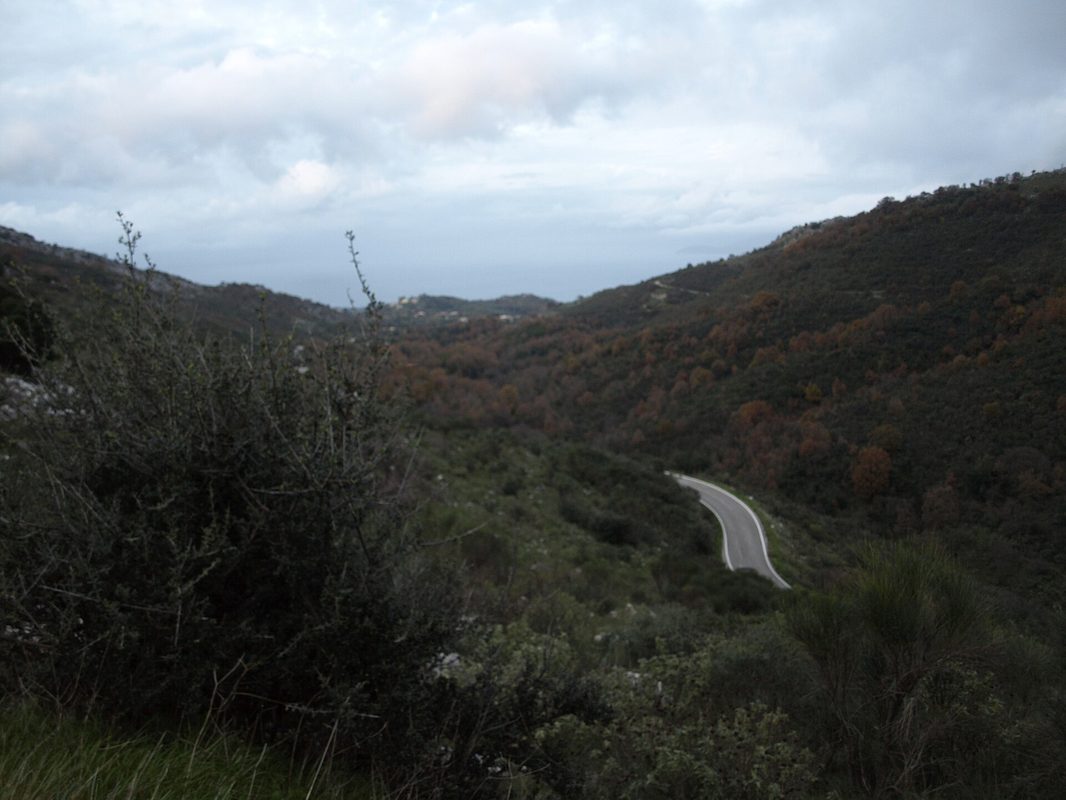
Driving in Corfu is the key to the real island, but its roads are narrow, winding and steep in the hills, so caution matters. You drive on the right, speed limits run from 50 km/h in towns to 90 on rural roads, and there are no tolls. This guide covers road conditions, the rules, parking and the safety tips that keep the trip stress-free. Plan the whole trip with Greece Tours.
Confidence behind the wheel transforms a Corfu holiday, a practical part of the wider Corfu tours and travel guide. The island’s terrain is greener and hillier than the Cyclades. The sections below cover the driving.
What are Corfu’s roads like?
Corfu’s roads range from well-surfaced main routes to narrow, twisting, steep mountain lanes, especially in the hills and the west coast. The surface is mostly good, but sharp bends, blind corners and the odd pothole demand a slow, careful pace.
The island’s roads reward patience over speed. The main routes linking Corfu Town, the airport and the larger resorts are well surfaced and easy to follow. Venture into the hills or toward the west-coast beaches and the lanes narrow sharply, twisting up steep gradients with blind bends and little room to pass.
Surfaces are generally sound, though you will meet potholes, gravel on corners and animals near villages. A short hop that looks quick on the map can take longer once bends, tractors and photo stops are factored in. Driving slowly and expecting the unexpected is the rule, which is why a small car from a corfu airport rent a car agency helps, set out alongside the Corfu car rental guide. The traffic rules come next.
What are the traffic rules?
Greek rules apply across Corfu: drive on the right, wear seat belts, no phone in hand, and a strict 0.5 g/l limit. Speed limits are 50 km/h in towns and about 90 on rural roads, with child seats under 12.
Greek rules apply across Corfu and are simple to follow. You drive on the right and overtake on the left, seat belts are mandatory for everyone, and using a handheld phone draws a fine, so calls must be hands-free. The drink-drive limit is low at 0.5 grams per litre, meaning it is wise not to drink at all when driving.
Speed limits are 50 km/h in built-up areas, up to about 90 on the open rural roads and higher only on the few fast stretches near the town. Children under 12 need an appropriate seat. Greek law also requires a warning triangle, first-aid kit and fire extinguisher in the car, usually supplied by the rental agency, set out alongside the Corfu airport car rental guide. Parking is the next thing to master.
Where do you park in Corfu?
You park free at most villages and beaches, where street parking is open unless marked. Corfu Town is the challenge: avoid yellow lines, use the paid car parks near the New Port or Saroko Square, and prefer white-line free spaces.
Parking is easy outside the capital and trickier within it. In the villages, at the beaches and across most of the island, street parking is free unless a sign or a yellow line says otherwise, so a kerb space is rarely far. Corfu Town is the exception, with narrow one-way lanes, heavy summer traffic and scarce spaces.
The simplest approach is to leave the car in a paid car park on the edge of the centre, such as the lots near the New Port or the underground park at Saroko Square, and walk in. On the street, blue lines mean paid parking and white lines free, while a yellow line forbids stopping. Parking outside and exploring the Old Town on foot saves frustration, set out alongside the guide to Corfu Town. Fuel and tolls are quickly covered.
What about fuel, tolls and refuelling?
Corfu has no toll roads and no vignette to buy, so driving is straightforward. Petrol stations are plentiful near towns but sparse in the remote hills and far south, so fill up before long detours; most rentals run full-to-full.
Running costs on Corfu are simple but worth planning. The island has no toll roads and needs no toll sticker, unlike parts of mainland Europe, so you simply pay for fuel. Petrol is dearer than in northern Europe, and while stations cluster around Corfu Town, the airport and the main resorts, they thin out in the mountain villages and the far south around Lefkimmi, so top up before heading into remote country.
Many smaller stations close on Sundays and in the evening, and some take cash only. Rental cars are almost always handed over full and must be returned full, so refuel near the airport before drop-off to avoid steep agency refilling charges, set out alongside the Corfu road trip guide. Safety ties it all together.
Do you need a car in Corfu?
You do not strictly need a car in Corfu, since green public buses link the main resorts to Corfu Town. A hire car unlocks the remote west-coast beaches and hill villages that buses skip; scooters suit short hops.
Public transport covers the busy parts of Corfu well. The blue urban buses and the green KTEL buses connect Corfu Town with the airport, the larger resorts and the main beaches, so a car-free stay works for travellers who base themselves in one lively resort. Fares are cheap and routes are frequent in high summer.
A car earns its keep the moment you want to roam. The quiet coves near Paleokastritsa, the mountain villages around Mount Pantokrator and the olive-grove backroads sit far from any bus stop, and reaching them on your own schedule is where a hire car pays off. For short village hops, a scooter or quad is a nimble alternative, though the same terrain caution applies. The documents you need come next.
What documents do you need to drive in Corfu?
You need a full, valid driving licence to drive in Corfu, plus an International Driving Permit if you hold a non-EU licence. Hire agencies also ask for your passport and a credit card in the main driver’s name at pickup.
The paperwork is light but non-negotiable. EU and UK licence holders drive on their home licence, while visitors from many non-EU countries should carry an International Driving Permit alongside it, obtained in their home country before travel. Keep the licence on you whenever you drive, as police checks do happen.
Hire companies add their own requirements at the desk. Expect to show a passport for identity, a credit card in the lead driver’s name for the deposit, and to meet a minimum age and licence-held period. Reading the rental terms on excess, mileage and cross-island rules avoids surprises, set out alongside the Corfu itinerary. The safety tips follow.
Is driving in Corfu safe, and what are the top tips?
Driving in Corfu is safe for careful drivers, though more demanding than effortless. Drive slowly on bends, sound the horn at blind corners, avoid night drives on unlit mountain roads, watch for scooters, and never drink and drive.
Corfu is safe to drive with the right caution. The hazards are the terrain rather than aggressive traffic: steep, narrow, twisting roads with blind bends, loose gravel, and scooters or animals appearing suddenly. Take corners slowly, give a light tap of the horn at blind bends on mountain lanes, and keep well back from the edge on cliff roads.
Night driving on the unlit hill roads is best avoided, since the bends and drops are hard to judge, and never drink and drive given the low limit. Carry water, keep the fuel topped up and let the locals overtake rather than rushing. With a compact car and an unhurried pace, the island’s roads become a pleasure, set out alongside the Corfu car rental guide. The questions below cover the points travellers ask most.
Frequently Asked Questions
Is it hard to drive in Corfu?
Driving in Corfu is not hard but is more demanding than easy, mainly because of narrow, winding and steep mountain roads with blind bends. On the main routes it is straightforward, and a small car driven slowly and carefully handles the island comfortably.
What side of the road do you drive on in Corfu?
In Corfu you keep to the right, as throughout Greece, and overtake on the left. Seat belts are mandatory, handheld phones are banned, and the drink-drive limit is a strict 0.5 grams per litre, so it is wise not to drink at all.
Is parking free in Corfu?
Parking is free at most villages and beaches, where street parking is open unless signed. Corfu Town is the exception, with paid car parks and blue-line paid bays; the easiest option is to park on the edge of the centre and walk in.
Can you drive around the whole island of Corfu?
You can drive around the whole of Corfu, and a full loop is a rewarding day out. The distances are modest, but the winding hill roads slow the pace, so allow plenty of time and break the circuit with beach and village stops.