
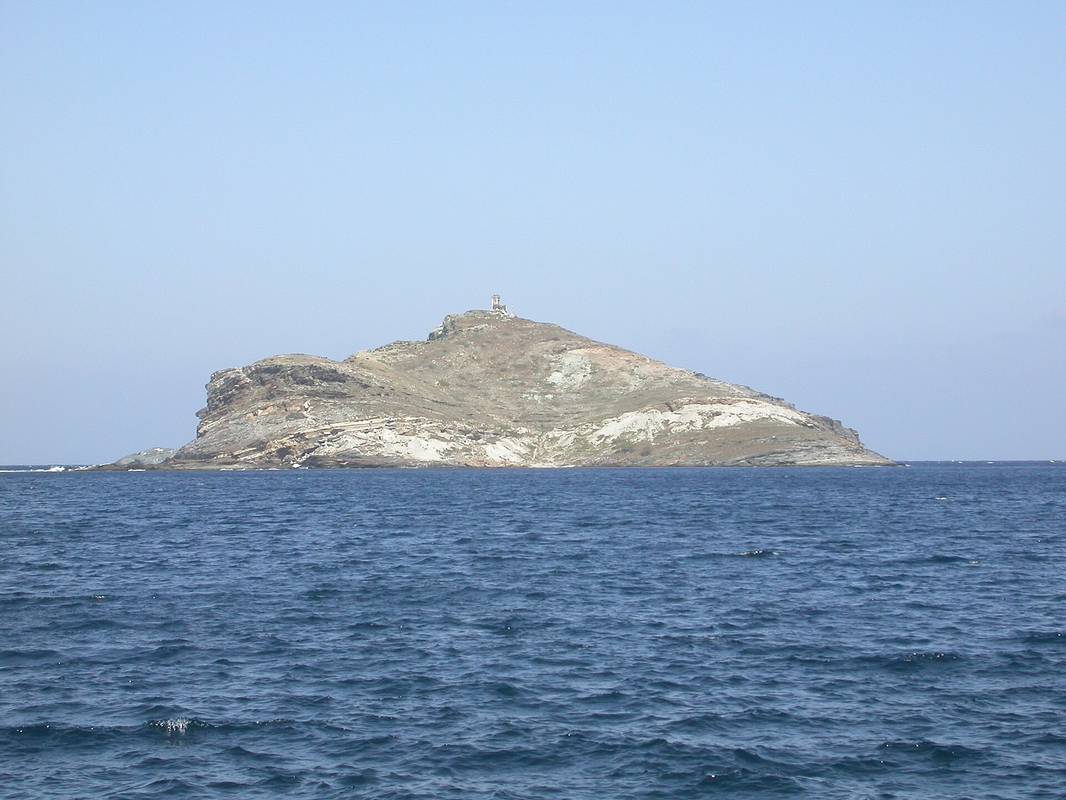
A Tinos to Delos cruise crosses to the UNESCO archaeological island of Delos in about an hour, for a guided walk through the temples, mosaics and ruins of the mythological birthplace of Apollo. Many cruises continue to nearby Mykonos, turning the day into a tour of three islands. This guide covers the cruise to Delos from Tinos, what you see and how to book. Plan the whole trip with Greece Tours.
The trip is among the most rewarding of the island’s Tinos boat tours and island-hopping day trips, adding classical history to a Cycladic holiday. Delos sits a short sail south of Tinos, between it and Mykonos. The sections below cover the cruise, the site and the practicalities.
Can you cruise from Tinos to Delos?
Yes, you cruise from Tinos to Delos in about an hour by private or group boat. Delos is open to visitors as an archaeological site, and a typical trip allows about two hours ashore with a guide before returning or continuing to Mykonos.
The cruise is a straightforward and scenic way to reach the sacred island. Private and group boats sail from Tinos Town and Panormos, crossing to Delos in roughly an hour. Because Delos has no hotels or town and closes to visitors in the evening, the trip is always a day excursion. A guide leads a walk through the ruins, after which the boat returns to Tinos or carries on to Mykonos. The short crossing and the rich history make it a highlight of a Cyclades holiday. Boats range from traditional wooden vessels to fast catamarans, and group trips share the cost while private charters set their own schedule. The sea between the islands is usually calm in the morning, the best time to sail before the meltemi wind builds. Because the site has strict opening hours and no facilities beyond a small café and museum, a guide who knows the timing makes the most of the limited hours ashore. The destination is unlike anywhere else in the islands.
What is Delos?
Delos is a small uninhabited island near Tinos and Mykonos, a UNESCO World Heritage Site and among the richest ancient sanctuaries in Greece. In mythology it is the birthplace of the gods Apollo and Artemis, and it served as a sacred and commercial centre in antiquity.
Delos is an open-air museum of the ancient world. Considered the birthplace of Apollo and Artemis in Greek myth, it became a major religious sanctuary and a thriving trading port, its ruins now spread across the small island. No one lives there today, and it is protected as a UNESCO World Heritage Site. Visitors walk among temples, houses, markets and statues, with a small museum displaying finds. The island’s sanctity and scale make it one of the richest archaeological sites in the Cyclades. A guided walk brings the ruins to life.
What do you see on Delos?
On Delos you see the Terrace of the Lions, the sanctuary and temples of Apollo, ancient houses with mosaics, the theatre, the market squares and a museum of sculpture. A climb to Mount Kynthos gives a view over the ruins and the sea.
The site rewards a guided two-hour walk. Highlights include the famous Terrace of the Lions, the marble guardians of the sanctuary, the temples and treasuries of Apollo, and the elegant houses of the Theatre Quarter with their preserved floor mosaics. The ancient theatre, the agora market squares and the cisterns show the scale of the once-bustling town. A short but steep climb up Mount Kynthos offers a sweeping panorama over the whole island and across the sea to Mykonos and Tinos. The museum displays statues and finds from the excavations, including the originals of sculptures now replaced by copies on the site. Wandering the marble streets, past house thresholds and shop counters worn by ancient feet, gives a vivid sense of a city frozen in time. The light, the ruins and the sea around them make Delos one of the most atmospheric sites in Greece, well worth the crossing. The island’s history connects to the wider story in the guide to the history of Tinos. Many trips pair Delos with Mykonos.
Is the Delos cruise combined with Mykonos?
Yes, cruises combine Delos with Mykonos, since the two islands sit side by side. After touring Delos, the boat continues to Mykonos for a few hours ashore, passing the Little Venice waterfront before returning to Tinos.
Combining the two islands makes a full and varied day. Because Delos lies just off Mykonos, cruises frequently pair the archaeological site with a stop in cosmopolitan Mykonos Town, a striking contrast of ancient ruins and modern glamour. The boat passes the famous Little Venice waterfront and the windmills for photographs. This three-island loop, taking in Tinos, Delos and Mykonos, packs history, scenery and a lively town into one trip. Travellers based on Tinos thus reach two neighbouring islands in a day. Those who prefer history alone skip the Mykonos stop for a shorter trip, returning to Tinos by early afternoon, while others make a full day of all three islands. Knowing the cost helps with planning.
How much does a Delos cruise cost?
A Tinos to Delos cruise costs from about €60 to €150 per person on a group trip, with private charters priced higher. The Delos archaeological site charges a separate entrance fee of around €20, and a licensed guide costs extra.
Price depends on the boat and the inclusions. Group cruises run €60 to €150 per person, covering the crossing and sometimes a guide, while a private charter prices the whole boat for a tailored day. The Delos site charges its own entrance fee of around €20, paid separately, and a licensed guide for the ruins adds to the cost or comes included. Booking confirms the timing, the guide and any Mykonos stop. The combination of a boat trip and a world-class site makes the day good value for history lovers. Booking ahead secures the best trips.
How do you book and what do you bring?
You book a Tinos to Delos cruise online or with a local operator, a few days ahead in summer, and bring sun protection, water, comfortable shoes and a hat. Delos is exposed and shadeless, so the walk needs preparation.
A little planning makes the day smooth. Cruises sell through operators and platforms, and My Greece Tours arranges private and group trips, reachable on +30 697 236 4387, sometimes combined with Mykonos. On Delos itself, the ruins are open and shadeless under the strong sun, so a hat, sunscreen, water and comfortable walking shoes are essential, along with a camera for the site. The crossing is breezy, so a light layer helps. The site closes in the early evening and on certain days, so checking ahead is wise. With these in mind, the cruise is an unforgettable addition to a Tinos trip. The questions below cover the points travellers ask most.
Frequently Asked Questions
How long is the cruise from Tinos to Delos?
The cruise from Tinos to Delos takes about an hour each way, with around two hours ashore to tour the ruins with a guide. Many trips then continue to Mykonos for a few hours ashore before returning to Tinos, making a full and varied day.
What is Delos famous for?
Delos is famous as a UNESCO World Heritage Site and, in mythology, the birthplace of Apollo and Artemis. The uninhabited island holds the Terrace of the Lions, the temples of Apollo, ancient houses with mosaics and a museum, set among the ruins of what was once a major sacred sanctuary and trading port of the ancient Aegean.
How much does the Delos cruise cost?
A Tinos to Delos cruise costs from about €60 to €150 per person on a group trip, with private charters higher. The Delos site charges a separate entrance fee of around €20, and a licensed guide costs extra.
Can you combine Delos with Mykonos from Tinos?
You combine Delos with Mykonos on a cruise from Tinos, since the islands sit side by side. After touring Delos, the boat continues to Mykonos for a few hours ashore before returning to Tinos.
How long is the boat trip from Tinos to Delos?
The crossing from Tinos Town to Delos runs 45 to 60 minutes each way, covering roughly 20 nautical miles across the strait past Rhenia. A full cruise day lasts five to seven hours, splitting sailing time, a guided site walk, and a swim stop.
The boat leaves the harbour of Tinos Town and heads south-west across open Cycladic water. Delos sits on the far side of the small island of Rhenia, and the vessel threads the channel between the two before docking at the ancient commercial harbour on the western shore of Delos. Sea conditions set the exact pace: a calm morning delivers a fast, smooth run, while a rising north wind lengthens the return leg. Book a Delos day from the wider Greece Tours network and the operator times the departure to the flat morning water.
The day follows a fixed shape built around the archaeological site’s opening hours and the afternoon wind. A standard schedule breaks down into clear blocks:
- Boarding and departure from Tinos port, mid-morning.
- The 45-to-60-minute crossing to the Delos jetty.
- A 90-minute to two-hour guided walk through the ruins.
- Free time on the paths and at the museum.
- A swim stop off Rhenia on the return, water depth permitting.
- The sail back into Tinos harbour by early afternoon.
Delos permits no overnight stay, so every visitor returns on the same boat. The last departure from the island is enforced by the site guards, who clear the ruins before closing. Passengers who linger on the far paths of Mount Kynthos leave time to walk back to the jetty, because the boat holds only for the posted departure. The tight window rewards an early start, which places the group on the marble streets before the midday sun strips the site of shade.
Why is Delos a sacred island and UNESCO World Heritage Site?
Delos is the mythological birthplace of Apollo and Artemis, the site of a Panhellenic sanctuary that drew pilgrims from across the Greek world. Antiquity forbade birth and death on its soil, and UNESCO inscribed the entire island on the World Heritage List in the twentieth century.
Greek myth names Delos as the floating rock where the goddess Leto gave birth to the twin deities Apollo and Artemis, anchored to the seabed to receive her. That origin made the island the spiritual centre of the Cyclades, whose very name describes the ring of islands circling Delos. The Sanctuary of Apollo grew into a Panhellenic cult site, a place where city-states across the Aegean sent offerings, treasuries, and delegations to shared festivals. Read the full sacred history on the dedicated Delos guide.
The ancient authorities enforced the island’s purity through a series of ritual laws. Two acts of purification cleared Delos of all graves, and thereafter no person entered the world or left it on the island itself:
- Every burial was exhumed and moved to neighbouring Rhenia.
- Expectant mothers crossed the water to give birth off the sacred ground.
- The dying were carried across the strait so that no death touched the island.
- Pilgrims arrived, worshipped, and departed within daylight.
Delos also served as the treasury and meeting place of the Delian League, the maritime alliance led by Athens in the fifth century BC. That political weight layered a trading and administrative role over the religious one, and the island swelled into a cosmopolitan port. UNESCO recognised this concentration of sanctuary, mythology, and preserved townscape as exceptional, listing the whole island for the density and completeness of its ancient remains. The inscription protects an entire uninhabited archaeological island rather than a single monument, which sets Delos apart from most heritage sites in Greece.
What are the highlights of the Delos archaeological site?
The Delos highlights are the Terrace of the Lions, the Sanctuary of Apollo, the Sacred Lake, the mosaic-floored House of the Masks and House of Dionysos, the summit of Mount Kynthos, and the ancient theatre carved into the western slope above the residential quarter.
The Terrace of the Lions stands as the emblem of Delos: a row of marble beasts sculpted in the Archaic period, dedicated by the people of Naxos, crouched to guard the processional way toward the Sacred Lake. The lake itself, now a dry oval ringed by a stone wall and marked by a single palm, is the mythical spot where Leto laboured. Around it spread the foundations of the Sanctuary of Apollo, with its temples, altars, and treasuries laid out in the flat heart of the island.
The residential quarter to the south preserves the domestic wealth of the trading city. Its grand houses centre on colonnaded courtyards paved with intricate mosaics:
- The House of the Masks, named for its floor scene of theatrical masks and a mosaic of Dionysos riding a panther.
- The House of Dionysos, with its winged god astride a great cat.
- The House of the Dolphins, edged by leaping sea creatures.
- The House of the Trident, marked by its nautical emblem.
Above the houses, the ancient theatre climbs the hillside in a curve of stone seating that once held thousands, backed by a vast cistern that stored the town’s water. From there the path rises to the peak of Mount Kynthos, the island’s high point, crowned by the Sanctuary of Zeus and Athena. The climb rewards the effort with a full panorama across the ruins to Rhenia and the ring of Cycladic islands beyond, the same horizon the ancient pilgrims scanned as they approached by sea.
What is the Delos Archaeological Museum?
The Delos Archaeological Museum sits on the island beside the ruins and holds the finds excavated there: the original marble Lions of the terrace, Archaic and Classical statues, funerary and votive sculpture, and detached floor mosaics moved indoors to protect them from wind and salt.
The museum guards the fragile originals while weathered copies stand in the open air. The Lions on the outdoor terrace are casts; the surviving ancient beasts rest inside, shielded from the meltemi that scours the exposed island. The galleries trace the whole span of Delian sculpture, from stiff Archaic figures through the fluid drapery of the Hellenistic port at its commercial height.
The collection groups its treasures by material and function:
- The original Archaic marble Lions dedicated by Naxos.
- Kouroi and kore statues from the sanctuary’s early offerings.
- Hellenistic portrait heads and full figures from the merchant houses.
- Detached mosaic panels lifted from the residential floors.
- Everyday objects, inscriptions, and ceramics from the trading town.
A short walk from the jetty places the museum inside the standard visit, and the guided tour threads through it before or after the open-air ruins. The building offers the day’s only reliable shade and its displays make sense of the foundations outside, connecting a bare stone footprint to the statue or mosaic it once held. Together the museum and the site read as one archive, the finds explaining the ruins and the ruins framing the finds, which is why the island keeps its most important sculpture on Delos rather than shipping it to Athens.
Can you combine Delos with Rhenia island on a Tinos cruise?
Yes. Rhenia lies a few hundred metres west of Delos, and a combined cruise pairs the guided archaeological walk with a swim stop off Rhenia’s uninhabited bays. The Delos-Rhenia format devotes the morning to the ruins and the return leg to clear-water bathing.
Rhenia is the larger, empty island that served as the burial ground and birthing station for sacred Delos in antiquity. Today it holds no permanent residents, no roads, and no development, which leaves its coastline as raw as the Cyclades come. The boat anchors in a sheltered cove and passengers swim from the deck into water that runs from pale turquoise over sand to deep blue over rock.
The paired itinerary balances culture and coast in a single ticket:
- A guided tour of the Delos ruins and museum in the cool of the morning.
- A crossing to Rhenia’s protected bays for the swim stop.
- Time to snorkel and bathe off the anchored boat.
- An onboard meal or refreshments on the standard cruise formats.
- The sail back to Tinos in the afternoon.
The two islands sit so close that the transfer between them takes minutes, which makes the combination efficient rather than rushed. Rhenia supplies the beach day that Delos forbids, since the sacred island bans swimming along its own shore. Bathers land on none of Rhenia’s beaches without a boat, so the anchored swim stop is the sole route to its water, and the empty coves stay quiet even at the height of the season. The pairing turns a pure archaeology outing into a full day on the water, which suits travellers who want both the sanctuary and the sea.
What is the best time to take the Tinos to Delos cruise?
The cruise season runs from April to October, and a morning departure is the sharpest choice. An early start clears the shadeless ruins before the midday heat peaks, and it beats the afternoon meltemi, the strong north wind that roughens the Cycladic strait after noon.
Delos closes over winter and the boats stop, so the window opens in spring and shuts in mid-autumn. The shoulder months at each end of that span deliver mild air, thinner crowds, and wildflowers across the ruins, while high summer brings intense sun to an island with almost no tree cover. The site offers no continuous shade beyond the museum, which makes the timing of the visit a matter of comfort as much as scheduling.
Three factors steer the choice of departure:
- Heat: the marble streets radiate the midday sun, so the morning slot keeps the walk bearable.
- Wind: the meltemi builds through the afternoon, roughening the return crossing.
- Light: early sun rakes across the ruins at a low angle, sharpening the stone for photographs.
The meltemi defines a Cycladic summer. It blows hard and dry from the north through July and August, flattening in the early hours and strengthening as the day warms. A morning cruise crosses on the calmer water and returns before the swell peaks, while a late start risks a bumpy passage home. Sun protection is not optional on Delos: a hat, water, and sturdy shoes carry the visitor across an open, rocky site where the only cover is the museum roof. The early boat solves heat, wind, and light in one decision.
How do you get to Tinos to start the cruise?
Tinos is reached by ferry to the port of Tinos Town. Boats run from Rafina, the Athens-area harbour, from neighbouring Mykonos in well under half an hour, and from Andros, Syros, and the wider Cyclades. Tinos Town’s central quay is the departure point for the Delos cruise.
Rafina is the mainland gateway, a port east of Athens closer to the airport than Piraeus and served by fast catamarans that reach Tinos in roughly two to four hours depending on the vessel. Travellers flying into Athens transfer to Rafina by road and step onto a Cyclades ferry the same day. The high-speed boats carry foot passengers and vehicles alike, and Tinos is an early stop on the route out to Mykonos.
The island connects tightly to its neighbours, which makes it easy to fold into a Cycladic hop:
- From Rafina on the Athens side, by fast ferry across the Aegean.
- From Mykonos next door, a crossing of well under 30 minutes.
- From Andros to the north, a short first leg from Rafina’s line.
- From Syros, the Cycladic capital, a brief hop west.
- From Piraeus in central Athens on longer conventional sailings.
Tinos Town wraps around its harbour, and the ferry berths steps from the cruise quay where the Delos boats load. The town’s waterfront holds tavernas, ticket offices, and the base of the marble street that climbs to the great pilgrimage church above the port. Because Mykonos lies so close, travellers pair the two islands and cross to Tinos for the day, or base themselves on Tinos and treat Delos as the headline excursion. The compact port keeps every transfer within walking distance, so arrival by ferry and boarding the cruise fold into a single smooth morning.
Is the Tinos to Delos cruise worth it?
Yes. The Tinos to Delos cruise delivers a UNESCO-listed sacred island, the birthplace of Apollo, in a half-day round trip with a swim stop. It suits history travellers, mythology enthusiasts, and anyone basing a Cyclades trip on Tinos who wants the region’s greatest archaeological site.
The value lies in reach and rarity. Delos is an entire uninhabited island frozen as an ancient sanctuary and trading town, a scale of preservation matched nowhere else in the Aegean, and Tinos offers a direct, uncrowded route to it. A single morning carries the visitor from a Cycladic harbour to the marble streets where pilgrims once walked, past the Lions, the Sacred Lake, and the mosaic houses, and back with a swim off Rhenia folded in.
The cruise fits a range of travellers cleanly:
- History and mythology enthusiasts who want the birthplace of Apollo and Artemis.
- Photographers drawn to ruins under low morning light.
- Families combining a guided walk with a Rhenia swim.
- Island-hoppers using Tinos as a quiet base near Mykonos.
The excursion pairs naturally with the rest of a Tinos stay. The island’s own draws, its hilltop marble villages, the great pilgrimage church above the port, and the craft workshops of the interior, fill the days around the cruise, so Delos becomes the cultural centrepiece of a broader visit rather than a standalone trip. The verdict is straightforward: for the chance to walk a sacred island of antiquity and swim in Cycladic water on the same afternoon, the Tinos to Delos cruise earns its place at the top of the island’s excursion list.