
A Naxos food tour is a guided tasting walk through the alleys of the medieval Kastro and the market of the Chora, stopping for the island graviera and arseniko cheeses, the potatoes, the honey and the citron liqueur. Plan the whole trip with Greece Tours.
This guide covers the Naxos food tour in full: where the walk goes, the market stop, the cheeses and what else you taste, the citron liqueur, the version that ends in a cooking class, the wine pairings, how long it takes, what it costs, the dietary options, and how to book.
What is a Naxos food tour and what does it include?
A Naxos food tour is a guided walk through the Chora that stops at a market, a dairy counter, a citron distillery and a run of family shops, pairing tastings of cheese, honey and kitro with the guide’s account of each producer.
The evening slot on a Naxos food tour fills first in high season. A Naxos food tour is booked ahead for a fixed, agreed price per person. The format centres on foot traffic through the old town rather than a bus. A local guide leads a small group from stop to stop, introducing the shopkeeper, cheesemaker or baker at each address before the group tastes what that stop is known for.
A Naxos food tour includes the meal on the versions that carry one. Inclusions centre on the guide’s fee, every tasting sampled along the route, and water for the walk. Extended formats add a cooking class in a working kitchen or a seated dinner with wine.
Booking a Naxos food tour ahead secures the date and the place on the walk. A traveller who wants context with the food gets it here: why the graviera tastes the way it does, why the potatoes carry a name of their own, why a citron liqueur exists at all. The guide answers those questions stop by stop.
Where does a food walk through the Naxos Chora go?
A Naxos food tour walks the maze of alleys inside the medieval Kastro, past Venetian doorways carved with family coats of arms, down to the market street and the waterfront, with the Portara gate visible from the route at an unhurried pace.
Families take a Naxos food tour for the short walk and the seated stops. For a first day on the island, a Naxos food tour sets the ground for the rest of the trip. The Kastro sits at the top of Naxos town, a walled quarter built by the Venetian Sanoudos family, and its lanes narrow to a width built for foot traffic, never cars. Marble doorframes carry carved crests above the lintels.
The island graviera is the set piece of a Naxos food tour. From the Kastro the route drops through the lower town, past the market street and its shopfronts, toward the harbour. The waterfront promenade opens onto the bay, and the small islet carrying the Portara, the marble gate of an unfinished Temple of Apollo, stays in view across the water.
A Naxos food tour ends with the sweets and a glass of the citron liqueur. The route covers a walking distance measured in a small number of kilometres, broken constantly by stops, so the pace stays slow. Cobbled surfaces and shallow steps run through the Kastro section, leaving time to taste and ask questions. Naxos rewards this slower pace.
What is the market stop on this walk?
The market stop takes the group through the produce street of the Chora, past greengrocers and a fishmonger, where the guide names what is in season and explains how island households cook with it.
A Naxos food tour runs through the Chora and the alleys of the Kastro. The choice of Naxos food tour comes down to the route, the hour and the format. Naxos grows enough on its own plain to fill a market stall without shipping much in from other islands. Tomatoes, courgettes, aubergines and citrus stack the greengrocer’s crates depending on the month. Loose bunches of thyme and oregano cut from the hillsides fill out the same stall.
Every Naxos food tour starts with the meeting point and the plan for the walk. The fishmonger’s counter carries the morning catch, a mix that shifts with the weather and the season, and the guide reads the counter the way a local shopper reads it, pointing out which fish is at its best that week. A handful of market tours build a small bite in here too.
The guide on a Naxos food tour introduces the cheesemakers and the shopkeepers. What separates this stop from a supermarket visit is the guide’s running commentary: which crop just came in, which is near the end of its run, and which dish a Naxiot household builds around it. The market stop is the foundation for the cheese, the meat and the sweets tasted later.
What cheeses do you taste on a Naxos food tour?
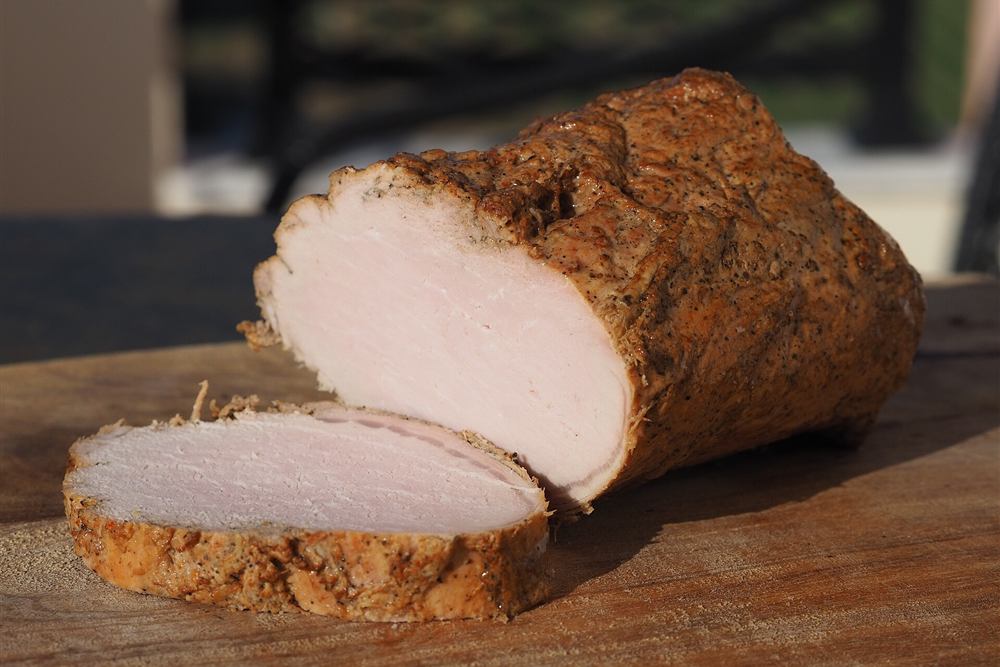
This tasting stop moves through graviera Naxou, the firm yellow cheese the island is best known for, arseniko, a harder aged wheel, and xinomizithra, a soft, tangy whey cheese, in that order from mild to sharp.
The price of a Naxos food tour covers the guide, the tastings and the drinks. A private Naxos food tour keeps the walk to one party. Graviera Naxou carries protected status tied to the island’s own milk supply, made largely from cow’s milk from herds grazing the fertile plain around Tragaia. Its texture sits firm but not brittle, with a nutty, slightly sweet finish that separates it from graviera made on Crete. The island’s own dairy cooperative ages the wheels on site.
A Naxos food tour carries water and shade stops through the summer months. Arseniko takes its name from the Greek word for hard or sharp and describes an older, drier wheel with a stronger bite than graviera. It ages longer, loses moisture, and develops a saltier, more concentrated flavour. Xinomizithra closes the sequence at the other end of the texture scale: a spreadable, tangy whey cheese eaten fresh, closer to a soft ricotta than a table cheese.
A Naxos food tour crosses the market lanes, the waterfront and the Kastro gate. The tasting order is rarely accidental. Guides place graviera first, arseniko second and xinomizithra last, setting the soft cheese between the two firmer wheels as a palate cleanser at select stops. Bread, honey or a spoon of preserve rides alongside the cheese plate to balance the salt.
What else do you taste on the walk?
Beyond cheese, the walk tastes the island’s famous potatoes, cured pork, thyme honey, olives and olive oil, and a run of local sweets, giving the route a spread that covers savoury and dessert stops alike.
A Naxos food tour runs three hours or a half day with the cooking class. The evening slot on a Naxos food tour fills first in high season. Naxos potatoes carry a reputation well past the island, grown on the same fertile, well-watered plain that feeds the dairy herds. A tasting stop presents them roasted, fried or boiled with nothing more than salt and olive oil. Local charcuterie follows a similar path: cured pork, sausage seasoned with orange peel, and cold cuts served with bread.
The set price on a Naxos food tour covers the guide, the food and the drinks. Honey gathered from thyme-covered hillsides sits alongside the cheese and the bread at a number of stops, its flavour shifting with the month of harvest. Olives and cold-pressed olive oil round out the savoury side, tasted straight from a spoon or drizzled over bread. Read more on Naxos food and wine for the wider pairing culture behind these ingredients.
For cooks, a Naxos food tour pairs the market shop with a kitchen session. The sweet end of the route lands near the last stops: almond-based pastries, a citrus spoon sweet made from the same fruit behind the island’s liqueur, and a small pour of the citron drink itself to close the walk.
What is the citron liqueur and why is it on the tour?
Kitro is a citron liqueur distilled from the leaves and fruit of a citrus tree grown almost nowhere else in Greece, made at a single working distillery in the mountain village of Halki, and it sits on the tour as the island’s signature drink.
The stops on a Naxos food tour take in the market, a dairy and a distillery. Families take a Naxos food tour for the short walk and the seated stops. The citron tree produces a thick-skinned, largely inedible fruit, and Naxos distillers built a drink around its leaves rather than the flesh, a method that dates back generations. The Halki distillery still runs on original copper stills, and this stop watches the process explained on site rather than reading it off a label.
Planning a Naxos food tour ahead beats the scramble for a summer date. Kitro comes in three grades, separated by colour and sugar content. The colourless version carries the highest alcohol and no added sugar, closest to the raw distillate. The green grade sits in the middle, fruit-forward and less sweet. The yellow grade, creamy and lower in alcohol, reads as the dessert version and is the one new tasters find easiest to drink.
The dietary requirements are declared before a Naxos food tour is confirmed. The tasting at this stop runs through all three grades side by side, letting the group compare the dry, colourless pour against the sweeter yellow one, tied to a citron grove that survived on Naxos after disappearing from most of the rest of the Aegean.
What is the food walking tour combined with a cooking class?
A combined format pairs the market walk with a hands-on session in a working kitchen, where the group shops for a handful of ingredients, learns to prepare a set of appetisers, and sits down to eat the meal it cooked.
Booking a Naxos food tour ahead secures the date and the place on the walk. A Naxos food tour runs through the Chora and the alleys of the Kastro. The shopping portion runs first and mirrors the standard market stop: fresh produce, cheese and herbs picked up with the guide’s input before the group moves to the kitchen. An instructor then walks the group through a small set of dishes, starting with dips and pastries before a main course built around what the market yielded that day. A Naxos cooking class built this way keeps the recipes tied to what was bought minutes earlier.
A Naxos food tour is booked ahead for a fixed, agreed price per person. Appetisers taught in this format lean on the same core ingredients tasted on the walking route: cheese pies, a dip built from xinomizithra, marinated vegetables and bread baked or reheated on site. The main dish shifts with the season and the kitchen but stays anchored to island staples such as potatoes, local meat or fresh vegetables from the market.
A Naxos food tour includes the meal on the versions that carry one. The session closes with the group seated at a shared table eating what it prepared, wine or a soft drink poured alongside. This combined Naxos food tour format runs longer than the pure walking tour, and leaves guests with a full stomach and a set of recipes to repeat at home.
What is the food tour with tastings and wine?
This format keeps the guided walk and its tastings but pairs each stop with a pour of local wine, drawn from grapes grown on the island’s terraced vineyards, and finishes with a seated dinner that guests rate as the strongest value of the day.
A Naxos food tour ends with the sweets and a glass of the citron liqueur. The price of a Naxos food tour covers the guide, the tastings and the drinks. Naxos grows its own grape varieties on hillside terraces inland from the Chora, and a wine-paired walk introduces these alongside the cheese and charcuterie stops rather than as a separate excursion. A glass poured next to a wedge of graviera changes how both the food and the wine read.
For a first day on the island, a Naxos food tour sets the ground for the rest of the trip. Local reds and whites made from island grapes carry a character shaped by the mineral-rich soil of the Cyclades, distinct from wines grown on nearby islands with different terrain. A stop built around Naxos wine tasting lets guests compare two or three pours side by side before the walk continues to its next food stop.
The island graviera is the set piece of a Naxos food tour. The dinner that closes this format sits guests down at a table set with the same island ingredients tasted on the walk, now built into full plates rather than small bites. Guests who book this version over the shorter walking-only tour describe the dinner as the part that turns this Naxos food tour into a full evening out.
How long does a Naxos food tour take?
The core walking format runs close to three hours on foot through the Chora, while the half-day version that adds a cooking class or a dinner extends past four hours, covering a similar number of stops at a slower overall pace.
The guide on a Naxos food tour introduces the cheesemakers and the shopkeepers. A Naxos food tour runs three hours or a half day with the cooking class. Three hours covers the market, the Kastro alleys, the waterfront and five to seven tasting stops without feeling rushed. Guides build in pauses for questions and photographs at each address, breaking the walk into stops rather than continuous movement.
The choice of Naxos food tour comes down to the route, the hour and the format. The half-day format that folds in a cooking class or a wine dinner extends the day into four or five hours once the kitchen session or the seated meal is added. The walking and tasting portion stays close to the shorter format’s structure; the extra time sits entirely in the kitchen or at the dinner table.
Every Naxos food tour starts with the meeting point and the plan for the walk. Booking pages list the exact stop count and duration for each version, and the two formats rarely overlap in scheduling. Choosing between them comes down to whether the traveller wants a tasting walk alone or a walk that ends in a full meal.
How big are the groups on this walk?
Groups stay capped at a small number of guests, with a private option available for a party that wants the guide’s full attention, since a crowded group struggles to fit around a dairy counter or a distillery still.
A Naxos food tour crosses the market lanes, the waterfront and the Kastro gate. The stops on a Naxos food tour take in the market, a dairy and a distillery. A cheese stop inside a working dairy or a distillery visit built around a single copper still has physical limits on the number of people who can stand close enough to see and hear the person explaining the process. Operators cap group size so every guest reaches the counter and hears the explanation.
A private Naxos food tour keeps the walk to one party. The small-group format also changes the pace of the walk itself. A dozen or fewer guests move through narrow Kastro alleys without blocking the lane for other pedestrians, and the guide answers individual questions along the route rather than raising his voice over a large party.
A Naxos food tour carries water and shade stops through the summer months. A private version of the same route removes the group entirely, running the walk for one household or a single travelling party. This option suits guests with dietary needs that require close coordination with each shopkeeper, or a family that wants the guide’s pace set around its own children or grandparents.


Who guides a Naxos food tour?
A local guide leads the walk, introducing the cheesemakers, distillers and shopkeepers met along the route, weaving the history of the Kastro into the walk between tastings, with tours run in English and a small set of other languages.
Booking a Naxos food tour ahead secures the date and the place on the walk. The guide’s role runs past narration. At the dairy stop, the person behind the counter is a member of the family that runs the business, and the guide translates and expands on what that producer says about the batch on the counter that day. The same holds at the citron distillery, where a distiller explains the still and the grading of the kitro.
The evening slot on a Naxos food tour fills first in high season. History threads through the same walk rather than sitting apart from the food. As the group passes a carved doorway or climbs toward the Kastro’s highest point, the guide covers who built the quarter, which Venetian family held which mansion, and how the town’s layout still reflects a defensive wall built centuries ago.
The set price on a Naxos food tour covers the guide, the food and the drinks. Language coverage runs in English as standard, with a handful of operators offering French, German or other languages on request or on set dates. Guests booking in a language other than English are best served checking the listing or contacting the operator ahead of the date.
What does a Naxos food tour cost and what is included?
Pricing is set per person at the point of booking and covers the guide, every tasting along the route, and the drinks served at each stop, with meals included on the formats that carry a cooking class or a dinner.
A Naxos food tour ends with the sweets and a glass of the citron liqueur. The per-person rate is confirmed on the booking page for the specific date and format chosen, since the walking-only tour, the cooking-class version and the wine-and-dinner format each carry their own separate rate. Checking the listing before booking is the reliable way to see the current rate.
Families take a Naxos food tour for the short walk and the seated stops. What is bundled into that rate stays consistent across formats: the guide’s fee, every tasting sampled at every stop, and water for the walk. The wine-paired and dinner formats fold the cost of the pours and the seated meal into the same rate, and the cooking-class format folds in the ingredients bought during the market portion.
Planning a Naxos food tour ahead beats the scramble for a summer date. What sits outside the standard rate is personal shopping, since guests are free to buy extra cheese, honey or a full bottle of kitro to take home. A private booking for a single party carries its own separate rate, higher than the shared small-group format, reflecting the guide’s exclusive time.
Does a Naxos food tour cater for dietary requirements?
A Naxos food tour accommodates vegetarian and vegan guests with substitute stops, flags gluten and nut content at the shops and kitchen visited, and offers an alcohol-free path through the citron tasting, provided the operator has notice ahead of the date.
The guide on a Naxos food tour introduces the cheesemakers and the shopkeepers. Vegetarian guests move through nearly the entire route without adjustment; the charcuterie stop is the one point that needs a swap, replaced with an extra cheese or vegetable tasting. Vegan guests need more substitution, since the cheese and honey stops sit at the centre of the walk.
A Naxos food tour runs through the Chora and the alleys of the Kastro. Gluten appears in the bread served alongside cheese and in a number of the pastries tasted near the end of the route, and nuts show up in the almond-based sweets. Declaring these restrictions at booking, not on the day, gives the operator time to check with each shop and the kitchen for the cooking-class format.
A Naxos food tour is booked ahead for a fixed, agreed price per person. The citron stop carries an easy workaround for guests avoiding alcohol: the guide substitutes a taste of the citron spoon sweet or the fresh fruit itself in place of the liqueur pours. Kitchens and shops on Naxos are used to these requests, but the notice needs to reach the operator before the date, not at the meeting point.
Is this food tour suitable for children and for people with limited mobility?
Children join most departures from a young age at a reduced rate, while guests with limited mobility face real obstacles inside the Kastro, where steps and uneven cobbles run through a walking distance that has no vehicle shortcut.
A Naxos food tour crosses the market lanes, the waterfront and the Kastro gate. Family-friendly departures set a minimum age low enough for most school-age children, with a reduced child rate applied at booking. Children respond well to the market stop and the sweeter tastings near the end of the route, less to the sharper aged cheeses or the stronger grade of kitro.
The price of a Naxos food tour covers the guide, the tastings and the drinks. Mobility is the harder constraint. The Kastro’s alleys were built for foot traffic centuries before wheelchairs or walking frames existed, and shallow steps, cobbled surfaces and narrow doorways run through a stretch of the route with no smooth, flat alternative. Guests with mobility limits are best served asking the operator directly whether that day’s route can bypass the steepest sections.
For a first day on the island, a Naxos food tour sets the ground for the rest of the trip. Shade and seating vary by stop: a portion of the shops and the dairy offer a chair and cover from the sun, while the open stretches along the waterfront carry no shade at all. The walking distance itself stays modest across the whole route, broken by stops rather than continuous walking.
When is the best time and season for a Naxos food tour, and what do you wear?
Naxos food tours run from April through November, with morning departures suited to the market’s freshest produce and evening departures cooler for walking the Kastro; comfortable closed shoes for the cobbles, a hat and water are the essentials to bring.
For cooks, a Naxos food tour pairs the market shop with a kitchen session. Morning departures time the market stop to the freshest arrivals: the fishmonger’s counter and the greengrocer’s crates are at their fullest early, before the day’s heat sets in and before the best produce sells out. Evening departures trade that freshness for cooler walking conditions through the Kastro and a waterfront view lit by the setting sun.
A Naxos food tour runs three hours or a half day with the cooking class. Harvest timing shapes what shows up on the tasting table across the season. Citrus, olives and specific vegetables peak at different points between spring and autumn, so the exact produce tasted on the walk shifts month to month even though the stops themselves stay fixed. The shoulder months at each end of the window carry smaller crowds and a quieter market.
The choice of Naxos food tour comes down to the route, the hour and the format. Footwear matters more on this walk than on most sightseeing routes: the Kastro’s cobbles and shallow steps punish open sandals, so closed, comfortable walking shoes are the standard recommendation. A hat and sun protection cover the exposed stretches along the waterfront, and carrying water keeps pace steady between tastings.
How do you book a Naxos food tour and where does it fit in a trip?
Booking ahead of the date secures a place before evening slots sell out in high season, and the same booking step is where dietary requirements get flagged and the meeting point inside the Chora gets confirmed.
The dietary requirements are declared before a Naxos food tour is confirmed. Evening departures fill first during the busiest months, since the cooler temperature and the sunset views over the waterfront draw more bookings than the earlier morning slot. Booking a specific date and time as early as the itinerary allows leaves a far better chance of getting the preferred slot.
The stops on a Naxos food tour take in the market, a dairy and a distillery. Dietary requirements, group size and any mobility concerns are best declared at the point of booking rather than on arrival, since a number of stops depend on the shop or kitchen preparing for the group in advance. The confirmation states the exact meeting point inside the Chora, a fixed landmark near the market or the harbour rather than a hotel pickup.
A private Naxos food tour keeps the walk to one party. A three-hour morning walk fits neatly ahead of a beach afternoon, while the half-day cooking-class or dinner format works better as an evening booking that closes out the day. Either way, a Naxos food tour leaves the rest of the day free for the beaches, the Portara or a drive inland to the villages.
Frequently Asked Questions
How long is a Naxos food tour?
The walking tour runs three hours through the Chora and the Kastro. The version that adds a cooking class runs a half day, with the market shop first and the meal eaten at the end.
What is included in a Naxos food tour?
The guide, every tasting on the route and the drinks that go with them. The cooking-class version adds the ingredients, the kitchen and the meal. The wine tour adds the pairings and dinner.
What do you taste on a Naxos food tour?
The island graviera, arseniko and xinomizithra cheeses, the Naxos potatoes, local charcuterie, thyme honey, olives and olive oil, the citron liqueur, and the sweets at the end.