
How to experience local Greek traditions: join panigyria, savor coffee culture, follow Easter etiquette, and embrace philoxenia with simple phrases and manners.
If we want to experience local Greek traditions (not just “see Greece“), we have to stop treating the country like a checklist of beaches and ruins and start treating it like a living place, where the best moments often happen unplanned, at a café table, in a village square, or outside a church on a feast day.
We’ve spent years doing exactly that: every summer, at least a month island-hopping or road-tripping through Greece, Lefkada, Corfu, Knossos and Crete, Laconia and Mystras, Messinia, Skiathos, and plenty more. And as locals (I’m Yannis Divramis, born and raised on Milos and Santorini, in Athens constantly), we can tell you something simple: traditions here aren’t staged. They’re practiced. Quietly, daily, and then, suddenly, loudly, when the music starts.
Below is a practical, insider-friendly way to step into Greek culture with confidence, good manners, and just enough curiosity to let locals pull us into the parea (the group).
Key Takeaways
- To learn how to experience local Greek traditions, show up with philoxenia, kefi, and parea in mind—prioritize relationships over checklists and let the table be your doorway in.
- Time your trip around panigyria, Easter, Carnival, and patron-saint feasts, then ask locals what’s coming up because word-of-mouth beats generic event calendars.
- Eat and drink the traditional way by lingering over coffee, ordering shared meze, pacing the meal slowly, and toasting with “Yamás” while staying present with the group.
- Choose villages, lived-in neighborhoods, and family-run stays over resort zones to naturally encounter platia life, morning rituals, and everyday hospitality.
- Participate respectfully in music, dancing, and hands-on workshops (like cooking, pottery, weaving, or olive harvests) by watching first, joining humbly, and keeping your steps simple.
- Use basic etiquette—modest dress in churches, ask before photographing people, accept small offerings with “Efharistó,” and reciprocate softly—to turn tourist moments into genuine local connections.
Start With The Greek Mindset: Philoxenia, Kefi, And Parea
Before we talk about festivals, food, or where to stay, we need the three invisible “rules” that power Greek social life:
- Philoxenia (φιλοξενία): literally “friend of the stranger,” Greece’s deep hospitality code.
- Kefi (κέφι): that contagious, lift-your-spirits energy, joy with a bit of swagger.
- Parea (παρέα): the company you keep: the table, the group, the circle.
If we land in Greece expecting service, we’ll get a vacation. If we land expecting a relationship, we’ll get tradition.
Philoxenia isn’t a marketing slogan. It’s rooted in ancient xenia, the host-guest bond protected by Zeus Xenios, where a stranger was treated with generosity and safety. In modern Greece, it shows up in everyday ways: the extra fruit placed in our hands, the “sit, sit” gesture from the café owner, the neighbor who insists we try “just a little” homemade spoon sweet.
And kefi + parea are the engine. Traditions don’t live in museums here; they live in groups. A Greek night isn’t a performance: it’s a participation sport.
What Philoxenia Looks Like In Everyday Life
Here’s what we commonly see (especially outside big-city tourist zones):
- The “coffee first” invitation. We ask for directions, and suddenly we’re offered a coffee. Not always, not everywhere, but often enough that it’s a pattern.
- The “take this” gift. Tomatoes from a garden, figs from a tree, a small dessert “on the house.” In villages, this can feel almost shocking if we’re used to transactional interactions.
- The no-rush table. In Greece, it’s normal to sit. Talk. Stay. The table is where friendship happens.
- Help without fuss. Does someone see us struggling with bags or a stroller? Don’t be surprised if hands appear.
The key is understanding the unspoken logic: hospitality isn’t “free stuff.” It’s a kind gesture, an opening.
How To Join In Without Feeling Like A Tourist
We don’t need to force anything. In fact, the fastest way to feel like a tourist is to “perform” local culture. Instead, we do three simple things:
- Observe first, then mirror the pace. If locals are lingering, we linger. If a café is quiet and conversational, we keep our volume down.
- Accept small offerings gracefully. A sincere “Efharistó” (thank you) and a smile go far. If we refuse too quickly, it can feel like rejection.
- Reciprocate softly, not competitively. Philoxenia includes reciprocity. We can offer a small treat, pay for one round, or simply share stories and appreciation. Not a big “gift exchange,” just a human response.
A little secret: when we stop trying to “get authenticity” and start trying to be a good company, Greece opens up. That’s parea, and it’s where traditions actually live.
Time Your Trip Around Local Festivals And Religious Celebrations
If we had to pick one “shortcut” to experiencing local Greek traditions, it would be this: take our trip around Greek celebrations.
Greece is packed with events that aren’t designed for visitors, meaning they’re exactly what we’re looking for. In summer, especially, islands and villages light up with patron saint feasts, panigyria, and late-night dancing. In spring, Easter reshapes the entire country. In winter, Carnival turns towns into playful chaos.
A practical tip: once we know where we’ll be staying, we ask locally, hotel owner, taverna host, taxi driver, “Is there a panigyri or feast soon?” It’s often more accurate than generic travel calendars.
Panigyria (Village Festivals) And What To Expect
A panigyri (πανηγύρι) is typically a village festival tied to a church feast day. Think: long communal tables, live music, local food, dancing that starts “later” and ends… whenever the sun says so.
What we can expect:
- A religious core + a social explosion. Often there’s a service or procession first, then the celebration.
- Local music. Depending on the region, we might hear violin and lute in the islands, clarinet in mainland villages, or Cretan lyra in Crete.
- Food and drink that keeps coming. Meze, grilled meat, local cheese, sweets, and plenty of wine or spirits.
- Dancing in lines or circles. The syrtos and kalamatianos show up everywhere, but each place adds its own flavor.
How do we join without awkwardness?
- We wait and watch for a minute.
- We join the dance at the end of the line unless invited otherwise.
- We keep it simple: small steps, follow the person in front, smile when we mess up (we will).
Easter In Greece: Etiquette, Food, And Processions
Greek Easter isn’t just a holiday, it’s a national mood. Even if we’re not religious, witnessing it respectfully is one of the most powerful ways to experience Greek tradition.
Key moments:
- Holy Week (Megáli Evdomáda). Churches are active all week with services, chanting, and community gatherings.
- Good Friday (Megáli Paraskeví). The epitaphios procession: flowers, candles, a slow walk through town. It’s moving even if we don’t understand every word.
- Holy Saturday midnight (Anástasi). Crowds gather with candles. At midnight: “Christós Anésti.” (Christ is risen). Fireworks in many places. People bring the flame home carefully.
- Easter Sunday. Roasting lamb, family tables, music, and that relaxed, full-belly happiness.
Food traditions to know:
- Magiritsa soup after midnight service (not everyone loves it, but it’s part of the ritual).
- Red-dyed eggs cracked with the game: “tsougrísma.” We say “Christós Anésti” / “Alithós Anésti.”
- Tsoureki (sweet braided bread).
Etiquette that matters:
- Dress modestly if attending services (covered shoulders, respectful length).
- Keep phones away and don’t weave through people filming.
- If offered food or a candle, accept politely; even a small participation is appreciated.
Carnival (Apokries), Name Days, And Patron Saint Feasts
Not every tradition is solemn. Apokries (Carnival season) is loud, silly, and proudly local, especially in places like Patras, but many towns do their own version.
During Carnival, we’ll see:
- Parades, costumes, street parties
- Satire and playful teasing (it’s part of the culture)
- Big communal eating before Lent
Then there are name days, a major Greek social tradition that surprises a lot of visitors. Many Greeks celebrate their name day even more than their birthday.
What we do if invited:
- Bring a small gift (sweets from a bakery, wine, flowers).
- Expect an open-house vibe: people dropping in, coffee offered, conversation rolling.
Finally, patron saint feasts are where religion, community identity, and hospitality all intersect. If we want real Greece, we don’t need a ticket; we need good timing and good manners.
Eat And Drink The Traditional Way, From Kafeneio To Taverna
To experience local Greek traditions, we have to eat like locals, not just what they eat, but how they eat.
Greek food culture is built on time, sharing, and conversation. Meals aren’t fuel: they’re a social structure. And the settings matter:
- Kafeneio (traditional coffeehouse): daytime talk, backgammon, politics, quiet observation.
- Taverna: long lunches, family dinners, shared plates, and the art of staying put.
Coffee Culture: Ordering, Lingering, And Conversation Norms
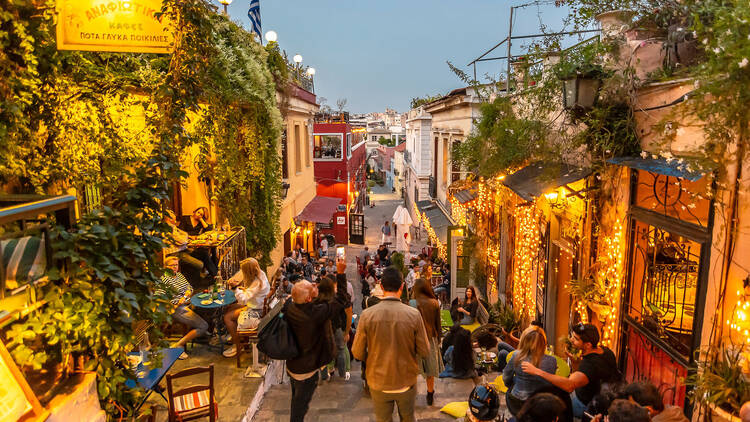
Coffee in Greece is rarely a grab-and-go event. It’s a permission slip to slow down.
What we’ll see people ordering:
- Ellinikós kafés (Greek coffee): small, strong, served with grounds (tell them sketos no sugar, metrios medium, glykos sweet).
- Freddo espresso / freddo cappuccino: modern staples, especially in cities.
- Frappé: the classic instant-foam iced coffee (still loved, especially in summer).
The “norms” that help us blend in:
- We don’t rush the cup. A coffee can last an hour. Nobody’s judging.
- We don’t expect constant check-ins. Service is often hands-off: we ask when we need something.
- We join the conversation lightly. Even a simple comment about the weather or the village is enough to start.
And yes, the kafeneio vibe can lean older and more local, especially in villages. That’s not a reason to avoid it. It’s a reason to enter respectfully, order simply, and appreciate that we’re stepping into a real social space.
Meze, Shared Plates, And How To Pace A Greek Meal
Greek meals often revolve around meze, small dishes meant for sharing. If we order like we’re building a table instead of a single plate, the whole experience changes.
How to do it well:
- Start with 3–5 shared dishes for two people (more if we’re a group).
- Add a salad and one “main” protein to anchor the table.
- Let the meal unfold. We can always order more.
Common meze that show up across Greece:
- Tzatziki, melitzanosalata (eggplant), tyrokafteri (spicy cheese)
- Dolmadakia, giant beans, fried zucchini
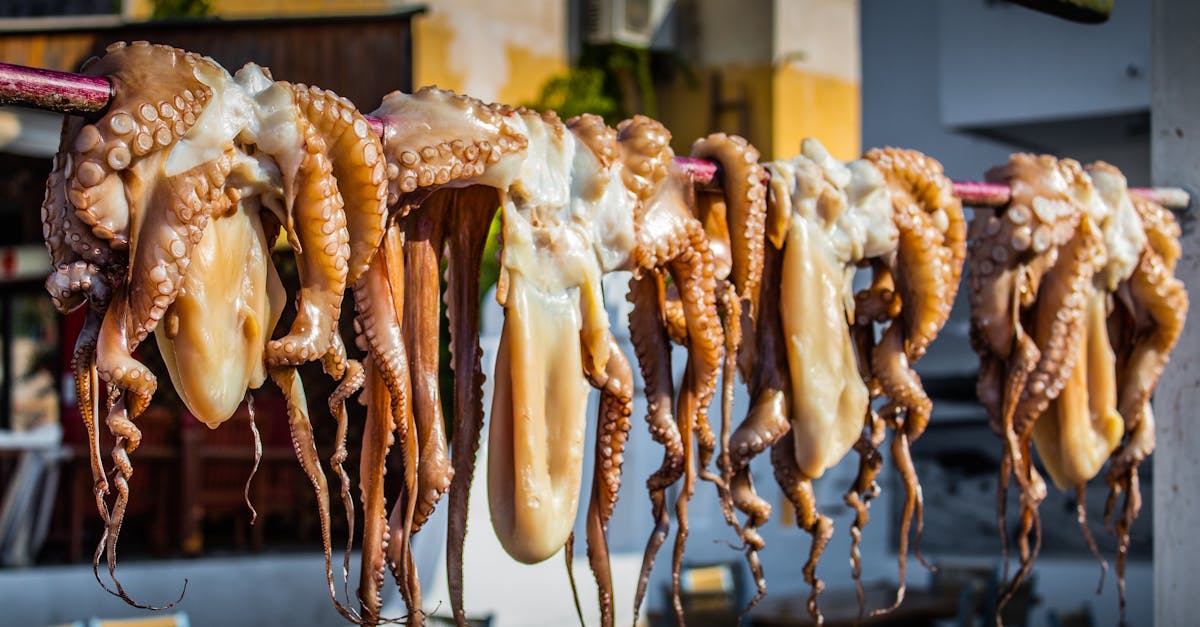
- Grilled octopus, sardines, calamari (especially coastal)
- Saganaki (fried cheese) because… of course
Pacing is the tradition:
- We eat slowly.
- We talk between bites.
- We share.
And here’s the social detail many visitors miss: the table is collective. Even if we’re not hungry, we stay present. That’s parea.
Wine, Ouzo, Tsipouro, And Toasting Customs
Greek drinking culture is typically paired with food and with company. It’s less about “going hard” and more about stretching the evening.
What we’ll encounter:
- House wine (often very good in tavernas: ask for krasi chima).
- Ouzo: anise-flavored spirit, traditionally with seafood and meze.
- Tsipouro/raki: grape spirit: In Crete, raki is practically a love language.
Toasting customs:
- We make eye contact and say “Yamás.” (“To our health.”).
- We don’t sip before the toast if others are waiting.
- We keep it friendly. Toasts can be frequent, but they don’t need to be dramatic.
One of the most local moments we can experience is the end-of-meal gesture: the owner brings a small dessert or fruit “on the house”, sometimes with a shot of raki or tsipouro. The right move is simple: accept, thank them, and don’t turn it into a negotiation.
If we want to experience local Greek traditions, we don’t just chase “the best restaurant.” We chase the places where the owner has time to sit for 30 seconds and ask where we’re from, and actually listen.
Choose Places Where Traditions Live: Neighborhoods, Villages, And Islands
Where we sleep shapes what we absorb. If we base ourselves only in resort zones designed around visitors, we’ll still have a great trip, but traditions will feel like something we watch from a distance.
To get closer, we choose places where daily life still runs the show: a lived-in neighborhood, a small town, a village, or an island with a strong local rhythm.
Staying In A Village Vs A Resort: What Changes
A resort is convenient. A village is connected.
In a village, we’re more likely to:
- Be recognized by day two (the bakery owner remembers our order)
- Hear church bells marking the day
- See neighbors talking in the “platia” (main square)
- Get pulled into small moments: an invitation for coffee, a tip about a nearby feast, a “try this” from someone’s garden
In resorts, interactions can be friendly but often stay within a service frame. In villages, philoxenia tends to show up more naturally, especially with family-run guesthouses and small hotels.
A balanced approach works well: we can do a few nights in a resort for rest, then move to a village base for depth.
Markets, Platia Life, And Morning Rituals
If we want traditions without planning our whole schedule around them, we build a simple routine:
- Go to the bakery early. Koulouri, spanakopita, tyropita, fresh, is a different universe.
- Visit the laiki (farmers’ market) if we’re in a town or city on market day. The shouting, the seasonal produce, the small bargaining, this is living culture.
- Spend time in the “platia”. Even 20 minutes. Watch grandparents with worry beads, kids playing, friends greeting each other with effortless familiarity.
Morning rituals are a quiet doorway into Greek life. We don’t need a guided tour to feel it: we just need to be present at the hours locals are actually out.
Island-Specific Traditions Worth Seeking Out
Every island has its own personality and its own micro-traditions. If we’re island-hopping, we can pick one or two “cultural anchors” per stop.
A few worth seeking out:
- Crete: raki offered after meals, local music nights, and a great pride in regional dishes and dances. In villages, the hospitality can be intense, in the best way.
- Cyclades (like Milos, Santorini, Naxos): patron saint feasts that feel like the whole island shows up: simple whitewashed chapels that become community centers on feast days.
- Ionian islands (like Corfu, Lefkada): distinct musical influences and local celebrations that don’t look the same as the Aegean.
And one practical note: ask about local saints’ days as soon as we arrive. Islanders often know what’s coming up next weekend, and that’s usually where the real tradition is hiding, in plain sight.
Learn By Doing: Music, Dance, Crafts, And Everyday Skills
Watching traditions is fine. Doing them, carefully, respectfully, is what makes them stick.
Greece is one of those places where participation is welcomed when it’s humble. We don’t need to be talented. We just need to be willing.
Greek Music Nights And How To Participate Respectfully
Live music is one of the fastest ways to feel Greek culture in our bones.
What we might hear:
- Bouzouki (often linked to urban folk styles)
- Cretan lyra and laouto
- Clarinet-led bands in mainland regions
How we participate without turning it into a spectacle:
- We listen first. If locals clap on a certain rhythm, we follow.
- We avoid shouting requests like it’s a karaoke bar.
- If someone gets up to dance solo, we give them space. In some settings, a solo dance is personal, not a “join in.” moment.
Sometimes the most respectful thing we can do is simply stay present, enjoy the music, and let the night unfold.
Dance Basics: Syrtos, Kalamatianos, And When To Join The Line
Greek dancing looks intimidating until we realize a secret: many traditional dances are designed for groups. The line carries us.
Two dances we’ll see constantly:
- Syrtos: smooth, flowing steps: common across Greece.
- Kalamatianos: often in a 7/8 rhythm: still line-based and learnable.
When to join:
- If we’re invited with a hand gesture or a smile, yes, join.
- If the line is clearly a family/group moment, we wait.
- We usually join at the end of the line.
How to survive our first line dance:
- Keep our steps small.
- Watch the shoulders of the person in front.
- Don’t try to lead.
And if we mess up? Perfect. Laugh, keep going. Greeks typically love the attempt more than the execution.
Hands-On Workshops: Cooking, Pottery, Weaving, And Olive Harvests
If we want a tradition we can take home, we choose one hands-on experience that’s rooted in everyday Greek life.
Great options:
- Cooking lessons focused on regional dishes (not just “Greek salad and tzatziki,” but things like stuffed vegetables, pies, local legumes, or island sweets).
- Pottery workshops in places with craft heritage.
- Weaving or textile demonstrations in smaller communities.
- Olive harvest experiences (typically autumn to early winter, depending on region and year). Even a half-day in an olive grove teaches us more than a hundred photos.
The best workshops feel like this: fewer people, more conversation, and a local host who’s not in a hurry. We leave with skills, yes, but also with stories, which is the real souvenir.
Practice Etiquette And Cultural Respect In Daily Interactions
A lot of people worry about “doing something wrong” in Greece. We get it. But the truth is: Greeks are generally forgiving when we’re polite.
Still, a few etiquette basics help us move from visitor to welcome guest, especially in traditional settings.
Greetings, Personal Space, And Small-Talk Norms
Greek interactions can feel warmer and closer than what many of us are used to.
- Greetings: “Yia sou” (informal) or “Yia sas” (more formal/plural) works almost everywhere.
- Personal space: often smaller, people stand closer during conversation.
- Small talk: common and genuine, where we’re from, how we like Greece, and where we’re going next. It’s not “fake friendly”: it’s social glue.
A tip from experience: if someone asks where we’re from, we answer, and then we ask them something back. That little loop turns a quick chat into a connection.
Dress And Behavior For Churches, Monasteries, And Memorials
Religious spaces are still active community spaces in Greece, not just tourist sites.
What we do:
- Dress modestly: covered shoulders and knees are the safest rule.
- Speak softly, especially during services.
- Avoid blocking people who are praying.
In monasteries, guidelines can be stricter. We follow the posted rules without debate. It’s not about agreeing, it’s about respect.
Photography, Invitations, And Gift-Giving Guidelines
Photos are fine in many places, but context matters.
- Ask before photographing people, especially older locals, clergy, or children.
- In churches, avoid flash and don’t photograph private moments (confession, prayer, mourning).
Invitations:
- If we’re invited for coffee or a home meal, we treat it seriously. Being late is sometimes culturally flexible, but as guests we aim to be on time.
- We bring a small gift: pastries, sweets, wine, or something from our home country.
And we don’t overdo it. Greek hospitality isn’t a contest. A simple, thoughtful gesture is perfect.
The best rule we’ve found is this: act like we’re visiting someone’s grandmother, because in Greece, sometimes we are, metaphorically or literally.
Make Genuine Local Connections Without Forcing It
We can’t schedule friendship. But we can create conditions where it happens naturally.
If we’re trying to experience local Greek traditions, local connections are the multiplier. One conversation can lead to a festival tip, a family-run taverna, a beach we’d never find online, or an invitation that changes the whole trip.
Where To Meet People Naturally: Cafés, Associations, And Community Events
Some places make connection easy without feeling intrusive:
- Cafés and kafeneia: Go at the same time, two days in a row. Familiarity builds fast.
- Small local tavernas: Especially the ones where the owner is present and not rushing.
- Cultural associations and community centers: Many towns have dance groups, music clubs, or local societies that host events.
- Open community events: panigyria, name-day gatherings, local sports matches, town concerts.
A small behavior that helps: we become “regulars” for a few days instead of chasing a new spot every meal. Greece rewards consistency.
Simple Greek Phrases That Open Doors
We don’t need perfect Greek. We need effort.
A few phrases that consistently warm people up:
- Kaliméra (good morning)
- Kalispéra (good evening)
- Efharistó (thank you)
- Parakaló (please/you’re welcome)
- Yamás (cheers)
- Ti kanéte? (How are you? – plural/polite)
Pronunciation doesn’t need to be flawless. The attempt signals respect, and it often flips the vibe from “customer” to “guest.”
How To Recognize And Accept Hospitality Graciously
Philoxenia can feel intense if we’re not used to it. Someone insists we eat more. Someone offers a ride. Someone refuses to let us pay for coffee.
How we handle it gracefully:
- We accept small things (a dessert, a coffee) with thanks.
- We don’t argue aggressively about paying. One gentle offer is polite: a back-and-forth battle can get awkward.
- We look for a chance to reciprocate later: buy the next round, bring sweets the next day, leave a generous tip where appropriate, or simply return and say thank you again.
And if we’re invited into someone’s home, we treat the moment with care. We dress neatly. We bring something small. We compliment the food honestly. We stay present.
That’s how local Greek traditions stop being “culture” and start being a relationship, the thing Greece does better than almost anywhere.
Conclusion
If we want to know how to experience local Greek traditions, we don’t need to chase some secret, hidden Greece. We just need to show up in the right places, at the right times, with the right attitude.
We start with the mindset, philoxenia, kefi, parea, because that’s the social language everything else is written in. Then we time our trip around festivals, learn the slow rhythm of Greek food and coffee culture, choose villages and lived-in neighborhoods, and say yes to the small invitations that don’t look like “tourism” at all.
The best part? This isn’t about being “more local than locals.” It’s about being good guests, curious, respectful, and present. Do that, and Greece tends to meet us halfway… often with a chair pulled up to the table and a quiet, unstoppable insistence: “Come, sit. Eat.”
Frequently Asked Questions About Experiencing Local Greek Traditions
How to experience local Greek traditions without feeling like a tourist?
To experience local Greek traditions naturally, start with the local rhythm: observe first, mirror the pace, and don’t “perform” culture. Accept small offerings with a sincere “Efharistó,” linger at the table, and focus on being good company (parea). That’s when locals pull you in.
What do philoxenia, kefi, and parea mean in Greek culture?
Philoxenia is Greece’s hospitality code—warmth toward strangers rooted in ancient xenia. Kefi is the contagious joy and energy that fuels nights of music and laughter. Parea is the group around the table. Together, they explain why the best traditions happen through relationships, not schedules.
What is a panigyri, and how do I join in respectfully?
A panigyri is a village festival usually tied to a church feast day: service or procession first, then food, live music, and late-night line dancing. To join in, watch for a minute, step in at the end of the line, keep steps small, and follow the person ahead—smiling matters more than perfection.
How can I experience local Greek traditions during Easter in Greece?
Greek Easter is a major tradition even for non-religious visitors. Attend Good Friday’s epitaphios procession and Holy Saturday’s midnight Anástasi (candles and “Christós Anésti”). Dress modestly, keep phones away during services, and try the rituals: magiritsa soup, red-egg cracking (tsougrisma), and tsoureki.
How do Greeks eat and drink traditionally at a taverna or kafeneio?
Greek dining is slow, shared, and social. Order 3–5 meze to build a “table,” add a salad and one main, and let the meal unfold. Coffee is meant to last—no rush, minimal check-ins. For drinks, toast with eye contact and “Yamás” before sipping ouzo, wine, or tsipouro.
What’s the best way to find authentic local events in Greece (not tourist calendars)?
The most reliable method is asking locally after you arrive: your hotel owner, taverna host, or taxi driver often knows upcoming panigyria, patron-saint feasts, and name-day gatherings better than generic listings. Staying in villages or living in neighborhoods helps too, because ” the platia” life and church bells make events visible.
See more in Greece Tours:
- Mykonos Greece: The Absolute Guide To Survive
- Mystras Tours: Uncover the Mysteries of Mystras with a Byzantine Castle Tour
- Naxos Greece: The Ulitmate Guide & Incredible Things to Do
- Paros Greece Travel Guide: Things to Do in Paros, Explore Paros Island
- Paxi Antipaxi Tours: Explore Paxos and Antipaxos – Experience Paxos Tours & Antipaxos Tours
- Pelion Greece: The Ultimate Pelion Travel Guide
- Privacy Policy
- Rhodes Private Tours: Explore Rhodes Destinations & Attractions | Rhodes Greece Excursions & Tours
- Samos Dream Tours: Explore Samos Tours, Excursions & Samos Greece Experiences
- Santorini Greece Travel Guide: Best Things To Do in Santorini
- Serifos
- Sifnos Travel Guide: Your Ultimate Sifnos Guide to Visit Sifnos Island in Sifnos Greece